
REVIEW · ACCRA TOURS
10 Day Ghana Adventure and Culture Tour
Ghana rewards curious, active visitors. This 10-day private journey combines Accra landmarks, Ewe and Ashanti traditions, river activities, mountain hikes, craft villages, and the sobering slave-trade sites of the coast. I especially like the balance between hands-on culture, such as Kente weaving and Adinkra stamping, and outdoor challenges including kayaking, abseiling, and Mount Afadja. I also like that airport pickup, hotels, breakfast, transport, entrance fees, and a certified guide are included. The main consideration is stamina: long road days, early departures, forest walks, and demanding hikes make this a poor fit if you want a slow, easy holiday.
This is a private tour, so your group gets the vehicle, guide, and daily pace to itself. That matters in Ghana, where a flexible stop or a little extra time with a local craftsperson can make the day feel far more personal. Guide Jojo receives especially warm praise for being helpful, friendly, and willing to add worthwhile stops when the group had energy for more. At $2,595.50 per person, the price is substantial, but it covers much of the costly structure of a multi-region trip.
In This Review
- Five details that define the journey
- Accra begins with a gentle welcome
- Paintball, rock, and river time near Akosombo
- Monkeys, Kente, and Wli Waterfalls
- From Volta fishermen to Ashanti craft villages
- Manhyia Palace and Lake Bosumtwi
- Assin Manso and Cape Coast Castle
- Kakum canopy walks and Elmina fishing life
- Mankessim closes the circle
- What the $2,595.50 price really covers
- Who should book this Ghana trip?
- Should you book the 10 Day Ghana Adventure and Culture Tour?
- FAQ
- How long is the Ghana Adventure and Culture Tour?
- What is included in the price?
- Are flights included?
- Are meals and drinks included?
- Is this a private tour?
- How fit should I be for this tour?
- Are the optional activities included?
- Can I cancel for a full refund?
- What happens if bad weather cancels the tour?
Five details that define the journey

- A private 10-day route from Accra to the Volta Region, Ashanti country, and the Central Region: You cover a large portion of Ghana without having to arrange each transfer yourself.
- Real physical activity: Paintball, a 100-foot abseil, 4 kilometers of kayaking, waterfall walks, and the option to climb Mount Afadja give this trip genuine adventure credentials.
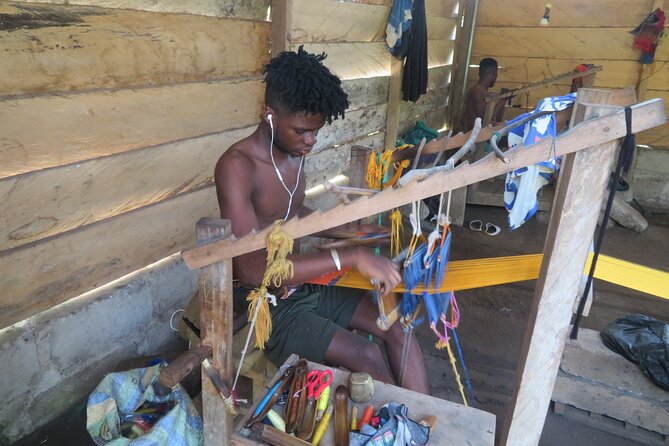
- Crafts you can actually try: You can take a drumming lesson, stamp Adinkra symbols, and watch Kente being woven in both Ewe and Ashanti communities.
- Serious historical sites: Cape Coast Castle, Assin Manso, Elmina Castle, and the Door of Return option address the slave trade with gravity and emotional weight.
- Hotels, breakfast, transport, guides, and entry fees are included: You still pay for personal meals, drinks, flights, insurance, immunizations, and several optional activities.
- A small evidence base but strong praise: Four published ratings average five stars, with clean hotels, well-maintained vehicles, and staff kindness receiving repeated attention.
Accra begins with a gentle welcome
Your trip starts at Kotoka International Airport, where you are met at a pre-arranged time. An air-conditioned vehicle takes you to Accra Mall for a welcome refreshment known as an akwaaba, followed by a short city orientation if time allows.
This is a useful first day rather than a packed sightseeing marathon. You can reach your hotel, rest, and prepare for the long route ahead. Since the tour includes airport pickup and hotel accommodation, you do not need to solve your first transfer after an international flight.
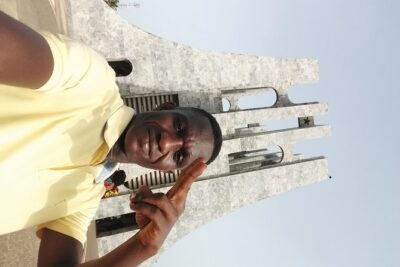
Day two introduces the political and cultural story of Accra. At Kwame Nkrumah Memorial Park, you see the monument dedicated to Ghana’s first president and learn about the country’s independence movement. Independence Square adds another major national symbol.
The Arts Center offers local crafts and the chance to try a drumming lesson. It is a better stop if you want to take part rather than simply walk through a museum. The W.E.B. Du Bois Center adds a Pan-African perspective, linking Ghana to a wider story of Black identity and political thought.
The day ends on Oxford Street, where you can see Accra after dark. Nightlife expenses are your responsibility, so treat this as an optional evening rather than a major included activity. The first two days are fairly manageable, but later sections become much more physical.
More things to do in Accra:
- The Cape Coast Day Tour
★ 5.0 · 525 reviews - Experience the Beauty, History and the Culture Of Accra in a Day
★ 5.0 · 323 reviews - The Cape Coast Tour
★ 5.0 · 177 reviews
Paintball, rock, and river time near Akosombo
Day three requires an early start for the Volta River area, with arrival in Akosombo planned for about 8:30 a.m. The schedule then shifts from city culture to outdoor action.
A scenic hike leads toward the river, followed by paintball and an abseil down Vulcan Rock. The rock descent drops about 100 feet, so this is a real adrenaline stop, not a token photo opportunity. You finish with 4 kilometers of kayaking on the Volta River.
I like the way this day uses the river as more than scenery. You move through it, paddle it, and view it from above. Still, the schedule is physically demanding, and the supplied information only says that participants should have moderate fitness. If you have concerns about heights, strenuous walking, or water activities, ask the operator what alternatives are available before booking.
The tour then takes you to a hotel to clean up and rest. That evening recovery time is welcome because the next days continue through forests, villages, and waterfalls.
Monkeys, Kente, and Wli Waterfalls
Day four starts with time beside the Volta River, where you can swim or relax before heading toward the Volta Region and the Ewe communities. At Tafi Atome Monkey Sanctuary, Mona monkeys live in a protected sacred grove. The visit connects conservation with local custom, and the forest setting gives you a quieter contrast to the high-energy river day.
At Tafi Abuife Kente Village, you watch Ewe-style Kente being woven. The value here is in seeing the labor behind a cloth that many people know only as a finished symbol of Ghana. You can browse different styles if you want to buy something, but purchases are not part of the tour price.
The day continues toward Wli Waterfalls, locally called Agoomat. The published plan is split across days four and five, so confirm the exact overnight location and waterfall timing with Timeh Tours before departure. That small planning check matters because the route includes several transfers and activity choices.
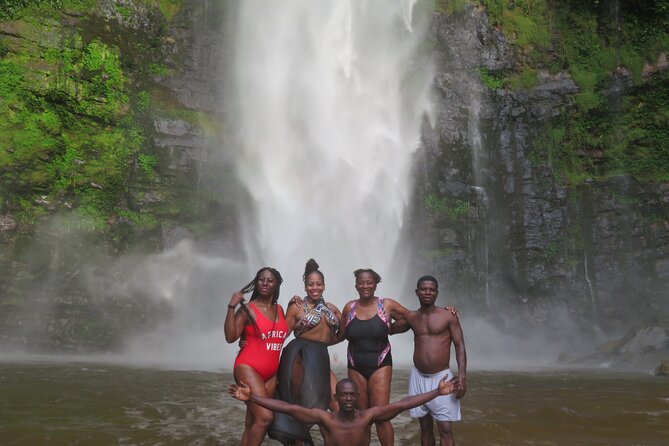
Day five gives you a forest walk to Wli Waterfalls. You can choose a more strenuous hike to the upper falls or take a swim at the lower falls. This is one of the tour’s better built-in choices: you can match the activity to your energy instead of treating every stop as an all-or-nothing climb.
You may then continue to Mount Afadja, also called Mount Afadjato. The ascent is described as draining but rewarding, with views from what the tour identifies as West Africa’s highest peak. Do not treat this as a casual walk. Put it near the top of your fitness planning, especially after the previous hike and river activities.
A women’s pottery cooperative in Kpando adds a useful change of pace. You see traditional African ceramic goods being made and take a guided look at the work. This is the kind of stop that gives the trip economic and human context, rather than reducing the Volta Region to scenery alone.
From Volta fishermen to Ashanti craft villages
Day six begins quietly beside the river. You can watch local fishermen arrive with their early catch, swim, or simply rest. That slower morning helps break up the tour’s demanding movement.
The route then heads toward the Ashanti Kingdom, stopping at Adanwomase. Here, you see another Kente tradition and can buy cloth directly from the community. The trip also offers a traditional Naming Ceremony at the chief’s palace for an extra fee. You would be dressed in Kente and accompanied by drumming and dancing, making this an optional cultural activity rather than part of the base price.
At Ntonso, you can make your own textile strip using Adinkra stamps. Each symbol carries a meaning, so this is more memorable than simply buying a souvenir in a shop. I would choose this activity if you want something small and personal to take home.
The shift from Ewe culture in the Volta Region to Ashanti traditions near Kumasi is one of the strongest parts of the route. Ghana is not presented as one single culture. You get to see different textile methods, ceremonies, symbols, and local settings.
A completely different kind of day:
- From Accra: Cape Coast, Elmina Castle & Kakum Park Day Tour
★ 4.6 · 144 reviews - Accra Detailed City Tour
★ 4.5 · 118 reviews - Accra Guided City Tour Experience
★ 4.7 · 88 reviews - Accra Guided City Tour Experience
★ 5.0 · 76 reviews
Manhyia Palace and Lake Bosumtwi
Day seven places you in Kumasi and the Ashanti royal world. Manhyia Palace Museum was the official residence of the Ashanti King, and its exhibits explain the kingdom’s leadership, customs, and legacy.
The National Cultural Center is close to Kejetia Market, about a five-minute walk according to the supplied details. It includes shops selling handmade crafts and offers another chance to buy local work. The nearby Komfo Anokye sword is an important Ashanti symbol and adds historical meaning to this stop.
The day ends at Lake Bosumtwi, described as Africa’s largest meteorite impact lake. A canoe ride with a local guide is included, while a horse ride is optional. The lake provides a slower, scenic finish after several days of hiking and road travel.
One practical point: the itinerary gives approximate stop lengths, but not the full driving times between regions. You should expect some long transfers. The air-conditioned vehicle and private format help, but this is still a road trip across Ghana, not a stay based in one city.
Assin Manso and Cape Coast Castle
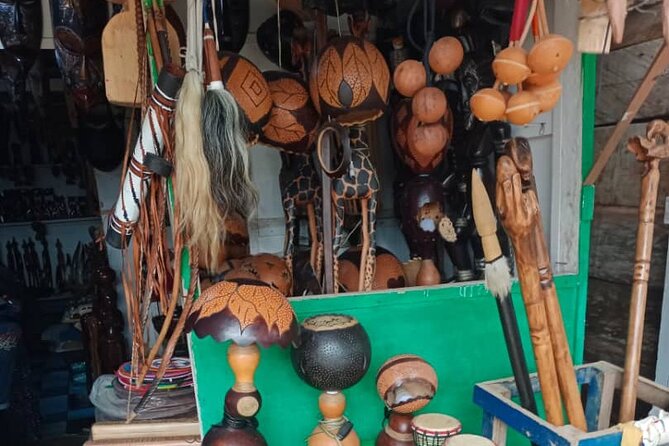
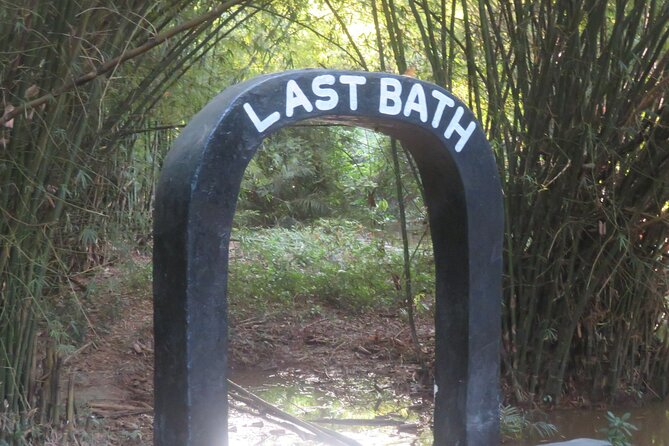
Day eight turns to Ghana’s coastal slave-trade sites. At Assin Manso Ancestral Slave River Park, you follow part of the route enslaved people were forced to take. The site includes a former slave cemetery and market, and the account of people being bathed there before shipment is difficult but important.
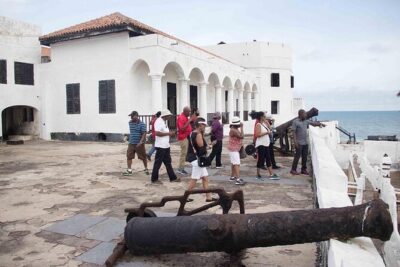
Cape Coast Castle is the day’s central historical visit. Its dungeons and coastal position make the connection to the transatlantic slave trade painfully clear. This is not a light sightseeing stop, and you should leave room for quiet thought.
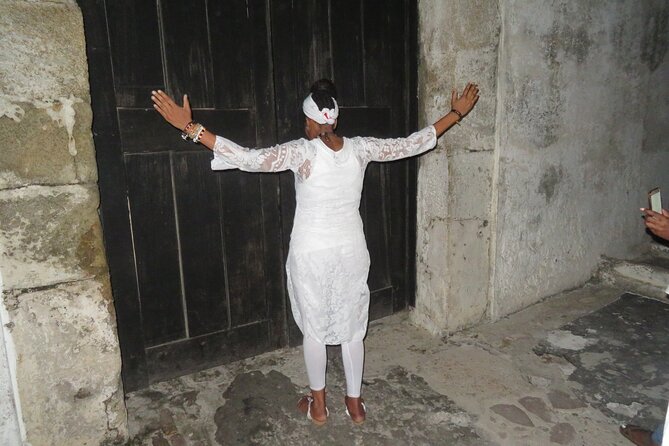
A Door of Return ceremony is available for an extra fee. An evening cultural performance, also at extra cost, may include dancing and drumming, with the chance to join in. These options can add personal meaning, but they also increase the final cost, so decide in advance what kind of participation feels right for you.
The route treats this history as a central part of Ghana’s story, not as a brief stop between beaches. That is a major strength. It also means the tour may feel emotionally heavy on these days.
Kakum canopy walks and Elmina fishing life
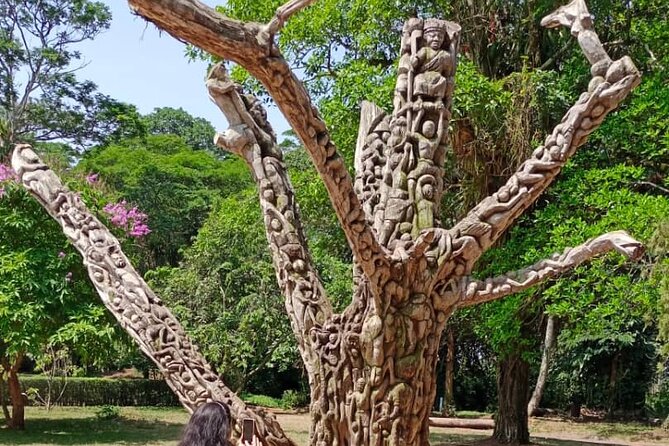
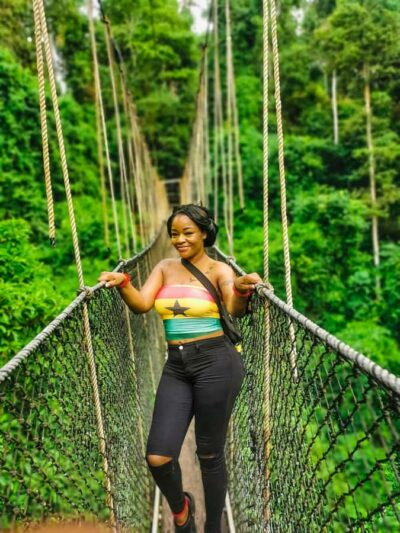
Day nine begins at Kakum National Park, Ghana’s best-known attraction on this route. The canopy walkway takes you above the tropical forest and offers a different view from the ground-level waterfall hikes. The park is also a strong birdwatching area, so bring binoculars if birds interest you.
The canopy walkway may not suit everyone, particularly anyone uneasy with height or movement. The tour data does not give details about alternate routes, so ask before you commit to the visit.
In Elmina, you see fishing boats gathered near the port and watch local fishermen bring in their catch for sale to market women. This is a working community, not a staged display, and it gives you a look at daily coastal life.
Fort San Jago is part of the walking tour, while entry to Elmina Castle costs extra. Since Cape Coast Castle is already included, you can decide if a second castle tour is worth the additional fee. I would recommend comparing your energy and interest in the subject before paying for both.
The day ends with time at the beach. After the forest walkway, port visit, and historical sites, this pause is well placed.
Mankessim closes the circle
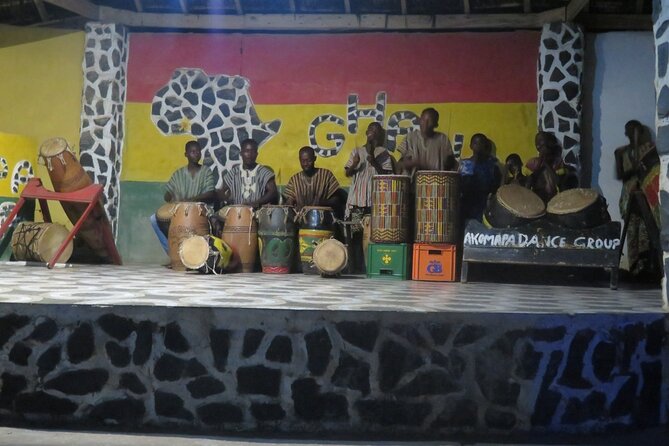
Day ten offers a calmer morning at the hotel before the return drive to Accra. At Mankessim, you stop at one of the region’s remaining Posuban shrines, a distinctive cultural landmark with religious and local significance.
The vehicle continues along the coast toward Accra, with time for final shopping and farewells. Airport drop-off is planned for two hours before your flight, or you can be taken to another chosen drop-off point.
I would confirm the airport timing if your departure is especially important. Traffic and road conditions can affect any long return transfer, and the itinerary aims to arrive before dark rather than promising a fixed travel duration.
What the $2,595.50 price really covers
The price includes accommodation, nine breakfasts, an air-conditioned vehicle, a certified guide, entrance fees, and guide-driver meals and lodging. Airport pickup and drop-off are also part of the structure, along with 24/7 office support.
That makes the price easier to understand. You are paying not only for admission to attractions, but also for a private vehicle, a guide across several regions, hotels, and the work of connecting a complicated route. The published average booking lead time is 203 days, which suggests you should not assume a last-minute place will be available.
You still pay for international flights, insurance, immunizations, alcoholic and non-alcoholic drinks, and your own meals. The Naming Ceremony, Door of Return ceremony, evening cultural performance, horse ride, and Elmina Castle tour also carry extra charges where stated.
The strongest value comes if you would otherwise need to arrange several regional transfers and activity bookings yourself. It is less attractive if you prefer to choose your own hotels, eat independently every day, or spend several nights in one place.
Who should book this Ghana trip?
I would recommend it to an active first-time visitor who wants Ghana’s major cultural, historical, and nature stops in one organized route. It suits you especially well if you enjoy trying crafts, meeting local communities through guided visits, and mixing serious history with outdoor activity.
It is also a good choice for a private family or friend group. The tour is for your group alone, and the praise for Jojo points to the value of a guide who can add suitable stops when the schedule allows. The supplied feedback also highlights clean hotels, kind staff, well-maintained vehicles, and professional service.
I would hesitate if you want a relaxed beach holiday, dislike early mornings, or have limited mobility. The tour asks for moderate fitness and includes several hikes, a rock descent, kayaking, and a possible mountain climb. Service animals are allowed, and the tour is near public transportation, though the main transport is the provided private vehicle.
Free cancellation is available up to 24 hours before the start time. Within 24 hours, changes and cancellations are not accepted, and poor weather may lead to a new date or a full refund.
Should you book the 10 Day Ghana Adventure and Culture Tour?
Book it if you want a broad, active introduction to Ghana and value having the difficult logistics handled for you. The best parts are the mix of real participation, from Adinkra stamping to kayaking, and the chance to see Ghana through several cultural regions rather than only Accra and the coast.
Before paying, ask for the exact hotel list, driving times, the confirmed order of the Wli Waterfalls visits, and the current prices of optional ceremonies and castle tours. If you are comfortable with long road days and serious historical sites, this is a strong choice. If you want more rest or independent meals and lodging, build your own slower itinerary instead.
FAQ
How long is the Ghana Adventure and Culture Tour?
The tour lasts approximately 10 days, beginning with airport pickup in Accra and ending with airport or selected-location drop-off in Accra.
What is included in the price?
Accommodation, nine breakfasts, a certified tour guide, an air-conditioned vehicle, entrance fees, guide-driver meals and accommodation, 24/7 office support, and airport pickup and drop-off are included.
Are flights included?
No. International flights are not included.
Are meals and drinks included?
Nine breakfasts are included. Guest meals, alcoholic drinks, and non-alcoholic drinks are not included.
Is this a private tour?
Yes. Only your group participates in the activity.
How fit should I be for this tour?
The tour requires a moderate level of physical fitness. Activities include hiking, kayaking, a 100-foot abseil, a waterfall walk, and an optional strenuous hike up Mount Afadja.
Are the optional activities included?
No. The traditional Naming Ceremony, Door of Return ceremony, evening cultural performance, horse ride, and Elmina Castle tour are listed as extra-cost options where stated.
Can I cancel for a full refund?
Yes, if you cancel at least 24 hours before the experience start time. Cancellations or changes made within 24 hours are not refunded or accepted.
What happens if bad weather cancels the tour?
You will be offered a different date or a full refund if the experience is canceled because of poor weather.
Just added in Accra
- Wli Waterfall And Tafi Monkey Sanctuary ( Volta Region)★ 5.0 · 1 review
- Traditional Beadmaking Workshop★ 5.0 · 1 review
- Private 9-Day Tour in Ghana★ 5.0 · 2 reviews
- Wli Waterfalls, Mount Afadjato & Tafi Atome Monkey Sanctuary★ 5.0 · 2 reviews
- Cape Coast and Elmina castle Day Trip★ 5.0 · 2 reviews
- Culinary for Social Change-Cooking Class★ 5.0 · 2 reviews
- Time with Nature★ 5.0 · 2 reviews
- Historical Day Tour to Cape Coast, Elmina and Kakum★ 5.0 · 3 reviews
Accra Tours, compared.
Experience the Beauty, History and the Culture Of Accra in a Day
Read our review →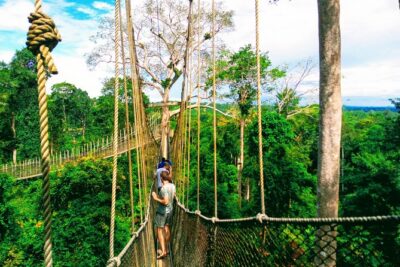
Cape Coast, Elmina Castle & Kakum Park Day Tour
Read our review →

Browse the lists this tour appears in