
REVIEW · ACCRA TOURS
Culinary for Social Change-Cooking Class
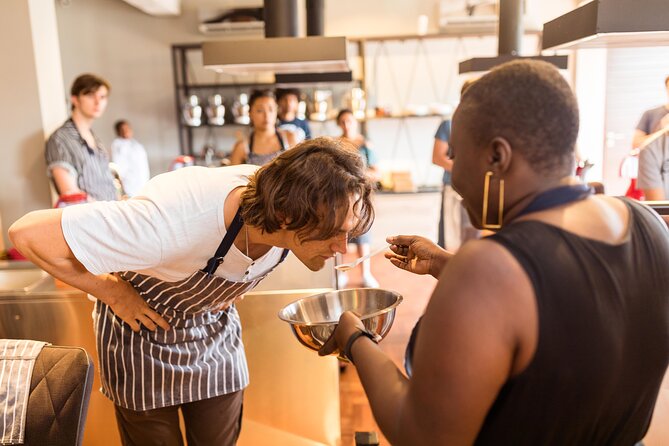
Good food can do real work. Chef Jay’s Culinary for Social Change cooking class gives you a hands-on introduction to Ghanaian cuisine while directing the class income toward a program that empowers underprivileged women. I like the personal format, where you cook alongside the chef rather than simply watch, and I like that the meal includes local drinks, snacks, dessert, and a recipe to take home.
The three-hour class also offers a useful taste of Ghanaian hospitality through food. The main consideration is the strict booking policy: your payment is non-refundable if you cancel or request a change, so you will want to be sure of your date before booking.
I also appreciate the chance to learn dishes named in the class feedback, including jollof rice and kelewele, then sit down to a meal with fried chicken and salad. The class costs $60 per person, which is fair if you value a private setting and a social purpose, though it may feel high if you only want a quick cooking demonstration.
In This Review
- Key points at a glance
- Cooking with purpose in Labone
- The three-hour Ghanaian cooking session
- Jollof rice, kelewele, and the meal afterward
- Why the private format matters
- The social purpose behind the plate
- Is $60 a fair price?
- Practical planning for your morning
- Who will enjoy this class most?
- Final call: should you book it?
- FAQ
- Where does the cooking class begin?
- Where does the activity end?
- How long does the class last?
- What days and times is the class available?
- How much does the class cost?
- Is the activity private?
- What food might I learn to prepare?
- What drinks are included?
- Is alcohol included?
- What happens if bad weather cancels the class?
- Can I cancel and receive a refund?
Key points at a glance
- You cook Ghanaian dishes with Chef Jay: This is a participation-first class, not a show where you watch someone else do all the work.
- Your booking supports women: The cooking class directly funds Culinary for Social Change and its work with underprivileged women.
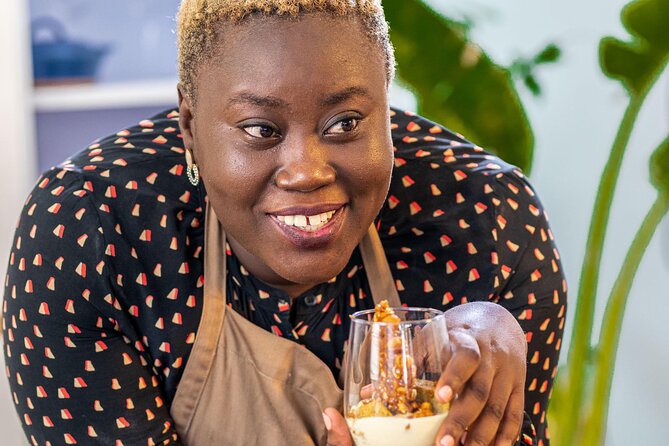
- Jollof rice and kelewele may be on the menu: These popular Ghanaian dishes have been specifically highlighted, along with fried chicken and salad.
- Local drinks are included: You receive bottled water, local drinks, snacks, and chilled coconut water. Alcohol is not included.
- The class is private: Only your own group takes part, which makes it a good fit for friends, families, or a small celebration.
- It runs Wednesday through Saturday: The scheduled three-hour session is from 10:00 a.m. to 1:00 p.m. at Labone Arcade in Accra.
Cooking with purpose in Labone
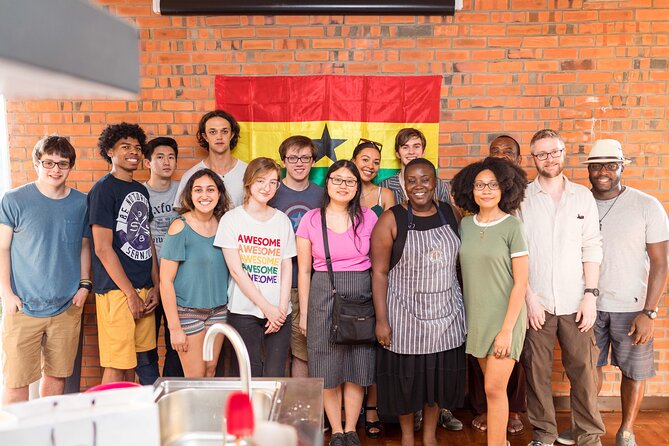
The class begins at Labone Arcade, at 16 Orphan Crescent in Accra. It ends at the same meeting point, which keeps the morning simple and avoids the confusion of being dropped somewhere else in the city.
The central idea is easy to understand. You learn Ghanaian cooking from Chef Jay and the team, and the money from your class helps support a program for women who need greater economic opportunity. That gives the experience more weight than a standard food activity. You are not just collecting a recipe. You are also helping fund the people who make the class possible.
I like this kind of arrangement when the social purpose is tied directly to the activity. Here, the connection is clear: the women are involved in teaching and the class creates a reason for their skills to be valued. The experience does not ask you to sit through a long talk before cooking. The food itself is the center of the program.
The class is private, so only your group participates. That matters. In a large public class, you can spend half the session waiting for a cutting board or trying to see over someone’s shoulder. A private group should give you more room to ask questions, follow the cooking steps, and work at a comfortable pace.
Still, private does not always mean intimate. Group size is not stated, so you should confirm the arrangement if you are booking for a larger party or have a specific format in mind.
More cooking classes in Accra:
- Home Cooking Class by Auntie K
★ 5.0 · 62 reviews - Local Ghanaian Cooking Class in Accra to help support wellness community center
★ 4.5 · 22 reviews - Authentic Ghanaian Cooking Class in Accra
★ 4.5 · 11 reviews
The three-hour Ghanaian cooking session
This is an approximately three-hour activity, scheduled from 10:00 a.m. to 1:00 p.m. Wednesday through Saturday. The timing works well for a morning in Accra. You can cook, eat, and still have much of the afternoon available for other plans.
The exact order of the dishes is not specified, but the class is designed as a cook-along session. You should expect Chef Jay to guide you through the preparation while you take an active role. The point is to understand how Ghanaian food comes together, not simply to receive a plated meal.
The class offers an overview of Ghanaian hospitality through cuisine. That phrase means more than learning the names of dishes. Food is one of the clearest ways to understand how people welcome one another, share time, and mark an occasion. You get to see that hospitality from the kitchen rather than from the dining table alone.
A featured meal can include jollof rice, kelewele, fried chicken, and salad. Jollof rice is a well-known West African rice dish, while kelewele is seasoned fried plantain. Together, they give you a useful contrast: a hearty rice course, a spicy or seasoned plantain side, a protein, and something fresh.
The class also provides practical tips and cooking insight. That is one of its best features for anyone who wants to repeat the experience at home. You receive a recipe to take with you, so the class does not end when the plates are cleared.
One point to keep in mind is that the supplied information does not promise a fixed menu for every date. If you have allergies, dietary restrictions, or one dish you especially want to prepare, ask about it before booking.
Jollof rice, kelewele, and the meal afterward
The food is the main reason to choose this class, and the menu examples are appealing because they represent familiar Ghanaian favorites rather than generic international dishes.
Jollof rice gives the class a proper centerpiece. You learn how one of the region’s best-known dishes is prepared, then get to eat the result. Kelewele adds a very different texture and flavor to the table. The inclusion of fried chicken and salad makes the meal feel complete instead of like a tasting of one small item.
I like that the experience includes both cooking and eating. Some cooking classes rush the final meal because the activity has run over time. Here, the meal is part of the experience, so you have a reason to pay attention to the preparation and a chance to enjoy what you made.
You can also taste local drinks, snacks, and dessert during the session. Chilled coconut water is specifically included, along with bottled water. These details matter in a warm city and make the morning feel more hospitable.
Alcoholic beverages are not included. That is not a problem for most people, but you should know it before arriving. The class is built around food, local nonalcoholic drinks, and conversation, not cocktails or wine pairings.
The experience information mentions the opportunity to taste meals from haha, drinks, and dessert, though the phrase is not explained further. I would not assume a particular additional dish from that wording. Ask Chef Jay for the current menu if the food selection is important to you.
Why the private format matters
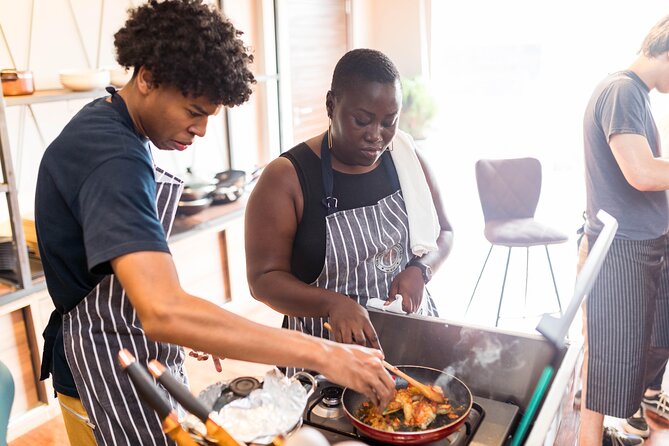
A private activity can be a strong choice in Accra if you are traveling with friends or family. You can share the work, compare your results, and enjoy the meal without being mixed into a group of strangers.
The private format also suits people who want to ask basic questions without feeling self-conscious. You may want to know why a particular seasoning is used, how a dish changes from one household to another, or what ingredient can be substituted at home. A small setting makes those questions easier.
The experience has also been used by groups visiting Accra for December festivities. A group that attended during Dutty December praised Chef Jay and the staff for being extremely friendly. That gives you a useful clue about the atmosphere: this is intended to be warm and social, not stiff or formal.
The class can also be booked as a private Ghanaian gastronomy dining experience with the chef. The information provided does not spell out how that option differs from the cooking class, so you should ask for the menu, length, price, and level of participation before choosing it.
More things to do in Accra:
- The Cape Coast Day Tour
★ 5.0 · 525 reviews - Experience the Beauty, History and the Culture Of Accra in a Day
★ 5.0 · 323 reviews - The Cape Coast Tour
★ 5.0 · 177 reviews - From Accra: Cape Coast, Elmina Castle & Kakum Park Day Tour
★ 4.6 · 144 reviews
The social purpose behind the plate
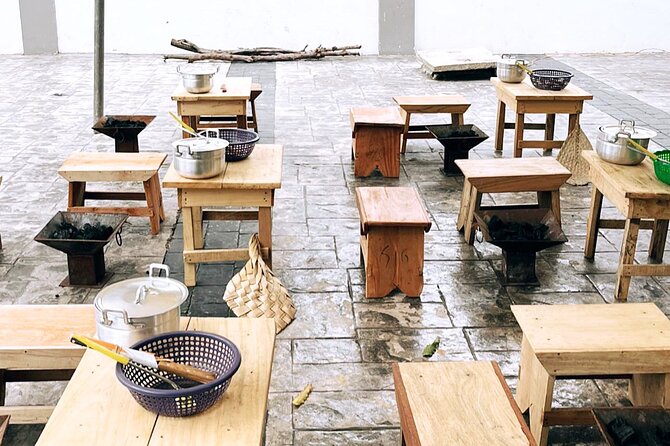
The strongest reason to book is the link between your meal and the Culinary for Social Change program. The class is presented as a way to empower underprivileged women, and the cooking activity directly funds that work.
That purpose can change how you experience the morning. You are not simply buying entertainment. You are paying for instruction, food, and a chance to support a local program through a skill-based activity.
I would still judge the class on its food and teaching, too. A good cause does not automatically make a poor cooking lesson worthwhile. Here, the activity has a solid structure: Chef Jay teaches, you cook alongside the team, you eat a Ghanaian meal, and you leave with a recipe.
The social purpose may be especially meaningful if you prefer activities that connect you with local people and support work beyond tourism. It is less important if your only goal is to find the cheapest way to eat jollof rice. At $60 per person, part of the value comes from the setting, instruction, private format, and community purpose.
Is $60 a fair price?
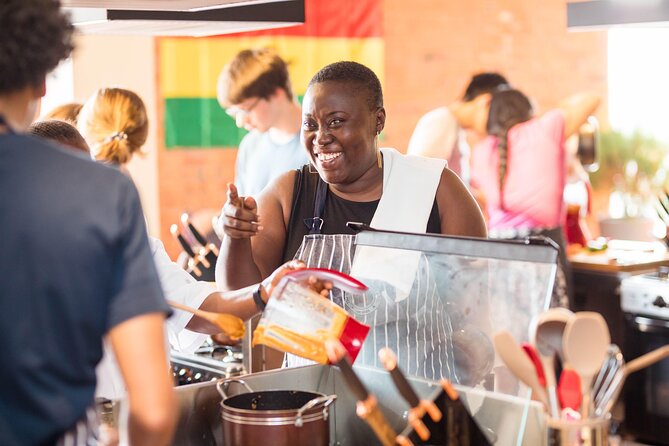
At $60 per person, this is not a bargain meal, but it is not simply a meal. You are paying for about three hours of activity, hands-on instruction, food, local drinks, snacks, dessert, bottled water, and a recipe to use later.
The private format improves the value for a small group. If you are sharing the experience with friends, the class becomes both a meal and a planned activity. You also avoid spending a separate afternoon searching for a restaurant and trying to decide what to order.
The value is weaker if you do not enjoy cooking. You may find that a restaurant meal gives you more food for less money. This class makes sense when you want to learn, participate, and understand more about Ghanaian cuisine.
The social goal also belongs in the price calculation. Since the class directly supports a program for underprivileged women, your payment has a purpose beyond your own plate. That will matter to some people more than it matters to others, but it is a real part of what you are buying.
Practical planning for your morning
The meeting point is Labone Arcade, 16 Orphan Crescent, Accra. The location is near public transportation, which is helpful if you are making your own way there.
Plan around the full 10:00 a.m. to 1:00 p.m. schedule. Even though the activity is described as approximately three hours, you should avoid booking another appointment immediately afterward. Cooking classes can run a little late when a group is preparing and eating a full meal.
A mobile ticket is accepted, and confirmation is received at the time of booking. Keep the confirmation available on your phone when you arrive.
The activity requires good weather. If poor weather causes a cancellation, you are offered another date or a full refund. It also requires a minimum number of participants. If the minimum is not reached, you are offered another date or experience, or a full refund.
Your own cancellation policy is much stricter. The experience is non-refundable and cannot be changed for any reason if you cancel or request an amendment. I would book only after checking your Accra schedule carefully.
Who will enjoy this class most?
I would recommend this class to:
- Friends looking for a shared activity in Accra
- Anyone curious about Ghanaian food beyond restaurant dining
- Home cooks who want a recipe and practical preparation tips
- People who prefer private activities to large group tours
- Diners who want their spending to support a social program
- Visitors who enjoy eating a meal they helped prepare
It may not be the best match if you dislike cooking, need a fully fixed menu, want alcoholic drinks included, or are uncomfortable with a non-refundable booking.
Families and mixed-age groups may also like the format, but the available information does not state a minimum age or child policy. Ask before booking if that affects your plans.
Final call: should you book it?
I would book Culinary for Social Change if you want more than a restaurant meal. The combination of hands-on cooking, Ghanaian dishes, local drinks, a private group, and direct support for women makes the $60 price easier to justify.
The strongest dishes to look forward to are jollof rice and kelewele, with fried chicken, salad, dessert, and drinks rounding out the meal. Chef Jay and the staff are also described as friendly, which matters in a class where conversation and guidance shape the whole experience.
Book it when you have a firm schedule and a group that enjoys food. Skip it if you need flexible cancellation, a guaranteed menu, or the lowest possible food price. For the right person, this is a useful and good-hearted way to spend a morning in Accra, with a recipe and a better understanding of Ghanaian hospitality to take home.
FAQ
Where does the cooking class begin?
The class begins at Labone Arcade, 16 Orphan Crescent, Accra, Ghana.
Where does the activity end?
The activity ends back at the meeting point at Labone Arcade.
How long does the class last?
The class lasts approximately three hours.
What days and times is the class available?
It is scheduled Wednesday through Saturday, from 10:00 a.m. to 1:00 p.m.
How much does the class cost?
The price is $60 per person.
Is the activity private?
Yes. Only your own group participates in this private activity.
What food might I learn to prepare?
The class feedback specifically identifies jollof rice and kelewele, along with fried chicken and salad. The menu may require confirmation for your chosen date.
What drinks are included?
Bottled water, local drinks, snacks, and chilled coconut water are included.
Is alcohol included?
No. Alcoholic beverages are not included.
What happens if bad weather cancels the class?
You will be offered a different date or a full refund if poor weather causes the cancellation.
Can I cancel and receive a refund?
The experience is non-refundable and cannot be changed for any reason if you cancel or request an amendment.
Just added in Accra
- Wli Waterfall And Tafi Monkey Sanctuary ( Volta Region)★ 5.0 · 1 review
- Traditional Beadmaking Workshop★ 5.0 · 1 review
- Private 9-Day Tour in Ghana★ 5.0 · 2 reviews
- Wli Waterfalls, Mount Afadjato & Tafi Atome Monkey Sanctuary★ 5.0 · 2 reviews
- Cape Coast and Elmina castle Day Trip★ 5.0 · 2 reviews
- Time with Nature★ 5.0 · 2 reviews
- Historical Day Tour to Cape Coast, Elmina and Kakum★ 5.0 · 3 reviews
- Explore Cape Coast – Elmina in a brief( Roles in the slave trade)★ 5.0 · 1 review
Accra Tours, compared.


Experience the Beauty, History and the Culture Of Accra in a Day
Read our review →

Cape Coast, Elmina Castle & Kakum Park Day Tour
Read our review →
Browse the lists this tour appears in