
REVIEW · ACCRA TOURS
10 Days Of Cultural Heritage and Adventure
History comes alive across Ghana. This 10-day private journey links Accra’s independence landmarks, the Volta Region’s outdoor activities, Cape Coast’s sobering slave-trade sites, and Kumasi’s Ashanti traditions. I like the strong mix of serious history and active adventure, especially the contrast between the Assin Manso Ancestral River and quad biking near Aburi. I also like that guides Dennis and Archie are praised for being kind, professional, and generous with their knowledge.
The main drawback is the pace. You cover a lot of ground, including long road transfers between Accra, Cape Coast, and Kumasi. The $2,799.20 price is not small, so this trip makes the most sense if you value a private guide, arranged transport, included admissions, cultural activities, and a carefully planned route over a low-cost independent visit.
In This Review
- Key things to know before booking
- Arriving in Accra with a traditional welcome
- Accra’s independence story in one full day
- Aburi brings gardens, quad bikes, and a waterfall
- Akosombo slows the trip down
- From Shai Hills to Assin Manso
- Kakum and Elmina: Ghana’s most powerful history day
- Kumasi and the Ashanti royal tradition
- Kente, the sword site, and military memory
- Is $2,799.20 good value?
- Practical advice for choosing this Ghana tour
- Should you book it?
- FAQ
- How long is the Ghana cultural heritage and adventure tour?
- Where does the tour begin?
- Is this a private tour?
- What is the price per person?
- Which major historic sites are included?
- Are outdoor activities included?
- Is there free time during the tour?
- What is the cancellation policy?
Key things to know before booking
- Accra packs in major national landmarks: You visit the National Museum, Kwame Nkrumah Memorial Park, Black Star Square, and James Town in one full cultural day.
- Aburi adds real outdoor fun: The botanical gardens, three-hour quad biking session, and Asenema Waterfalls make Day 3 one of the trip’s liveliest stretches.
- Ghana’s difficult past is treated seriously: Assin Manso and Elmina Castle provide important context about the transatlantic slave trade and its human cost.
- The Volta section slows the rhythm: Kayaking, an Adomi Bridge visit, a boat cruise, and free time in Akosombo offer a welcome pause between busy touring days.
- Kumasi focuses on Ashanti identity: Manhyia Palace, the Prempeh II Jubilee Museum, Bonwire Kente weaving, and the Okomfo Anokye Sword Site give the final section a clear cultural focus.
- The trip is private: Only your group participates, and pickup is offered, including airport transfers at the beginning and end.
Arriving in Accra with a traditional welcome
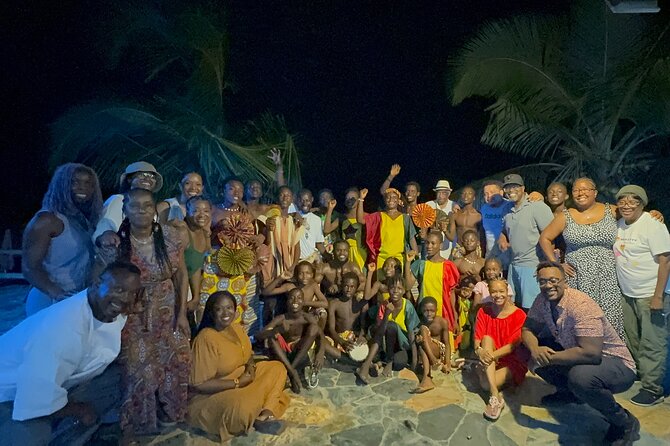
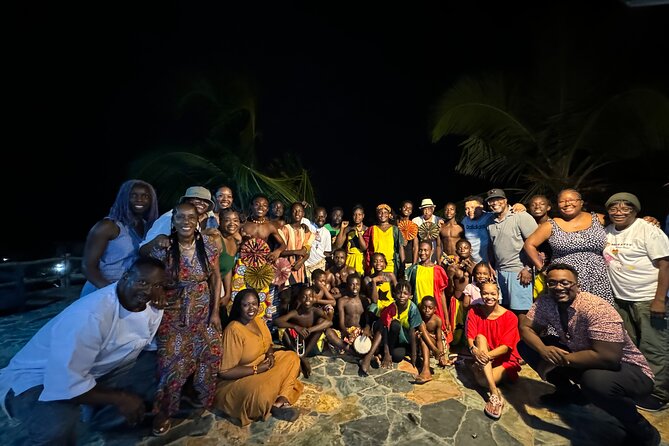
Your Ghana experience begins at Kotoka International Airport. After immigration and customs, you receive a traditional welcome with cultural drumming, dancing, or symbolic greetings before transferring to your hotel.
That first welcome matters. It gives the arrival day a sense of place instead of making it feel like a simple airport pickup. You then have time to check in and rest before a welcome dinner with drinks. After a long flight, this is a sensible first evening: social, but not overloaded with sightseeing.
The trip begins and ends in Accra, with the stated meeting point at Accra Mall near the Tetteh Quarshie Interchange. Pickup is offered, and the final airport transfer is arranged around your departure time. Since this is a private activity, your group does not have to share the tour with strangers or follow a large coach schedule.
More history tours in Accra:
- Experience the Beauty, History and the Culture Of Accra in a Day
★ 5.0 · 323 reviews - Ghana Heritage Tours – Beyond The Return
★ 5.0 · 36 reviews - 10 Days Ghana Cultural and Heritage Trip
★ 5.0 · 31 reviews
Accra’s independence story in one full day
Day 2 is the most concentrated sightseeing day in the capital. At the National Museum of Ghana, your guide leads a tour of about an hour through the museum’s levels, explaining the objects and exhibits along the way. The museum opened in 1957 as part of Ghana’s independence celebrations, giving the visit a useful connection to the rest of the day.
The W.E.B. Du Bois Center follows. The museum explains the life of the American scholar, writer, and civil rights leader who spent his final years in Ghana. You will get more from this stop if you already know a little about Du Bois and his links to Black intellectual and political movements, but the site also works as an introduction to his role in 20th-century history.
At the Kwame Nkrumah Memorial Park, you visit the mausoleum where Ghana’s first president is buried. This is also the place where Nkrumah declared Ghana’s independence. The museum displays objects from different stages of his life, helping connect the public monument to the man and politician behind it.
The same stop includes time at the Accra Art Center, where you can shop for Ghanaian souvenirs and take part in drum lessons. This is a practical place to look for gifts, but do not treat the shopping as an afterthought. The chance to hear and play local rhythms gives the day a more active finish.
Black Star Gate, also called Black Star Square, is mainly a photo stop, with about 40 minutes set aside. It is also a symbolic place tied to Ghana’s independence and national sovereignty. The large square can feel formal and monumental, while James Town at the end of the day offers a more lived-in view of Accra.
James Town is the city’s oldest area and combines colonial buildings, a fishing community, narrow streets, murals, and local art. You visit the historic lighthouse and get a glimpse of a neighborhood where daily life and national history sit close together. Wear comfortable shoes, since the area is best understood on foot.
The drawback of Day 2 is its density. Five major stops leave little room for lingering, and James Town deserves attention beyond a quick pass. Still, the route gives you a solid introduction to Ghana’s independence, national identity, and urban culture.
Aburi brings gardens, quad bikes, and a waterfall
Day 3 moves into the Eastern Region, about 45 minutes from Accra. The Aburi Botanical Gardens provide a quiet start, with a guided hour focused on medicinal plants and the garden’s plant life. After the intensity of central Accra, the calmer setting is welcome.
The main event is a three-hour quad biking adventure with TPR Quad Biking Adventure Aburi. You ride through rougher ground, handling turns and changing surfaces while taking in the surrounding scenery. This is not just a sightseeing transfer with a short activity attached. Three hours gives the outing enough time to feel like a real part of the tour.
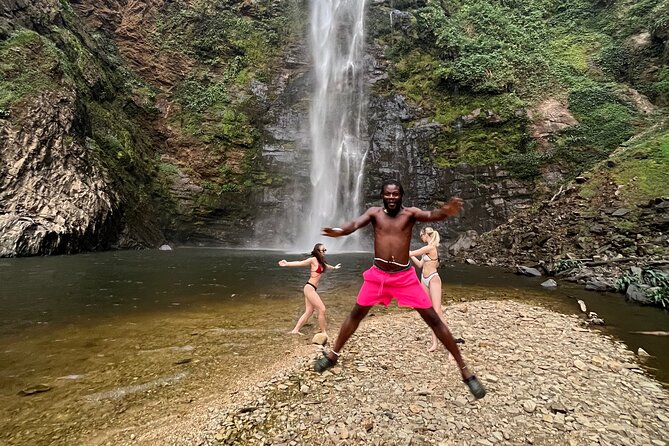
You then stop at Asenema Waterfalls for a refreshing break before continuing to Akosombo. The day combines education, physical activity, and nature without asking you to choose just one style of travel. If you prefer museums and historic buildings, the quad biking may feel like a lot. If you want adventure, this is one of the strongest days.
Your accommodation in Akosombo is described as a lakeside hotel with views of Volta Lake. That setting changes the mood again. After a busy ride, you can settle into a quieter place with water views rather than another city hotel.
Akosombo slows the trip down
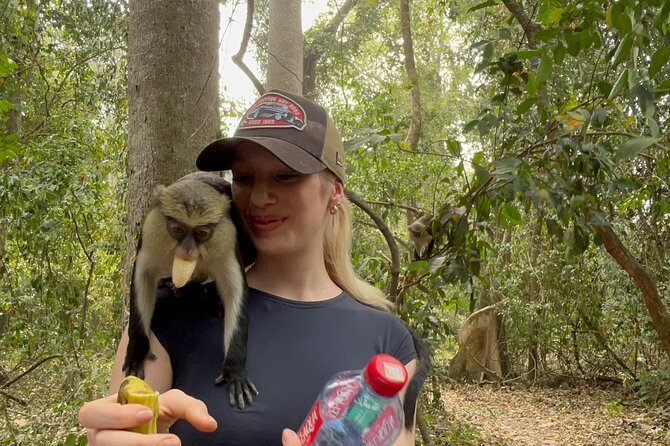
Day 4 begins with a morning hike to Akwamu Gorge Community Forest Project. The two-hour outing includes the gorge, a kayaking experience, and time around the Adomi Bridge. It is a good combination for anyone who likes light activity with a clear sense of place.
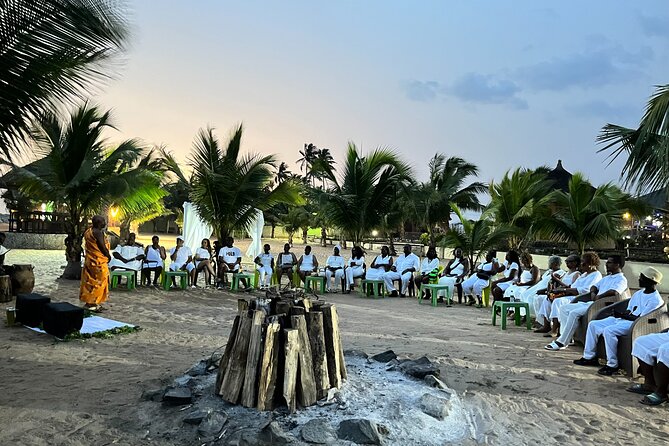
Later, an all-white boat cruise at Royal Senchi Resort and Hotel offers a more polished break. The dress theme gives this part of the trip a celebratory feel, so pack something suitable if you want to take part fully. After the cruise, the route continues toward Wli in the Volta Region.
There is an important planning point here: the itinerary also gives Day 5 as a leisure day in Akosombo. The exact overnight arrangement and timing between Akosombo, the cruise, and the move toward Wli should be confirmed before booking, since the schedule appears to combine several locations. This is not necessarily a problem, but a clear conversation with Zion Tours will prevent confusion.
Day 5 is intentionally open. You can rest, enjoy the river and lake views, or explore at your own pace. I value this breathing space because the rest of the tour asks you to absorb a lot. The free day also gives you a chance to recover from the quad biking, hiking, and kayaking.
More things to do in Accra:
- The Cape Coast Day Tour
★ 5.0 · 525 reviews - The Cape Coast Tour
★ 5.0 · 177 reviews - From Accra: Cape Coast, Elmina Castle & Kakum Park Day Tour
★ 4.6 · 144 reviews - Accra Detailed City Tour
★ 4.5 · 118 reviews
From Shai Hills to Assin Manso
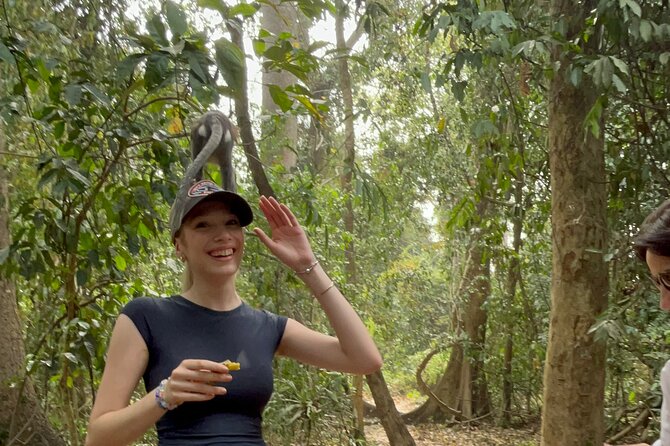
Day 6 begins with a trip toward Cape Coast and a visit to Shai Hills Resource Reserve. The reserve combines savanna, rocky hills, caves, wildlife, and cultural sites connected with the Shai people. You might see baboons, antelopes, ostriches, and birds, though wildlife sightings are naturally not guaranteed.
The visit lasts about 45 minutes, so expect an introduction rather than an extended safari. The short stop works well as a change of pace on the road, but anyone seeking a long wildlife outing may find it limited.
The emotional center of the day is Assin Manso Ancestral River. Enslaved Africans were taken to this river for a final bath before being marched toward the coastal castles. Today, the site is used for remembrance and reconnection, with a memorial wall and space for quiet reflection.
Allow yourself time to process this visit. It is not a light cultural stop, and the value comes from understanding the forced journey from inland areas to the coast. The tour does not reduce Ghana’s slave-trade history to castle walls alone. Assin Manso helps show one stage of that journey before you visit Elmina.
You then check into your Cape Coast hotel and have the evening to rest. That slower evening is useful after a day with both wildlife and difficult historical material.
Kakum and Elmina: Ghana’s most powerful history day
Day 7 begins with an educational volunteering activity at a local school in Elmina. You may bring used toys to share if you wish. Because the activity involves children and a local community, you should clarify the exact format and what is genuinely useful before packing donations.
Kakum National Park follows, with a canopy walk above the rainforest. The elevated bridges provide views through the forest from above and add a physical challenge to a day otherwise focused on history. The canopy walk is a memorable way to experience Ghana’s natural side, though anyone uneasy with height should consider that before booking.
Lunch is planned at Lemon Lounge, which serves local and continental dishes in a relaxed setting. The stop gives you a proper break before the afternoon’s historic visits. It also adds some variety to a trip where many meals are part of a fixed schedule.
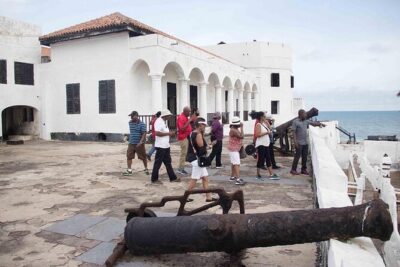
In Elmina, a walking tour introduces you to the fishing community, old buildings, and streets around the castle. Elmina Castle is one of the oldest European structures in sub-Saharan Africa and a major site connected to the transatlantic slave trade.
A guided visit here can be difficult, but it is essential for understanding Ghana’s relationship with the Atlantic world, colonial power, and the forced removal of African people. The castle is not simply an old fort. Its rooms and passages carry a painful story that deserves attention and quiet afterward.
The plan wisely returns you to the hotel after the visit. You may want that time to sit quietly rather than rush into another activity.
Kumasi and the Ashanti royal tradition
Day 8 is a long road trip to Kumasi, listed at about seven hours. This is the tour’s biggest transport day, and you should expect road time to take up much of the schedule. The reward is arrival in the cultural capital of the Ashanti Region.
Manhyia Palace introduces you to the Ashanti Kingdom and the Asantehene, the traditional ruler whose official residence is here. The Prempeh II Jubilee Museum, within the palace complex, focuses on the life and reign of Asantehene Prempeh II.
The collection includes royal regalia, photographs, traditional objects, and personal belongings. These items make Ashanti authority easier to understand than a general history lecture would. You see how ceremony, leadership, and material culture connect.
Lunch is planned at Ike’s after the palace visit. The day has a clear focus, but the seven-hour transfer means energy levels may vary. If you prefer slow travel, ask how often breaks are planned during the road journey.
Kente, the sword site, and military memory
Day 9 begins at the Okomfo Anokye Sword Site. According to Ashanti tradition, the spiritual leader planted a sword that cannot be removed. It serves as a symbol of unity and strength, and the story offers a useful way to approach Ashanti beliefs and national identity.
At Bonwire, you see artisans weaving Kente cloth. The patterns and colors carry meaning, so this is more than a shopping stop. Watch how the cloth is made, listen to the explanation of its symbols, and buy only if you genuinely want a piece connected to the tradition.
The Kumasi Fort, now home to the Ghana Armed Forces Museum, shifts the focus to military history. Built by the British in 1820, the fort contains weapons, uniforms, photographs, and other objects linked to Ghana’s military past, from colonial resistance through independence and modern peacekeeping.
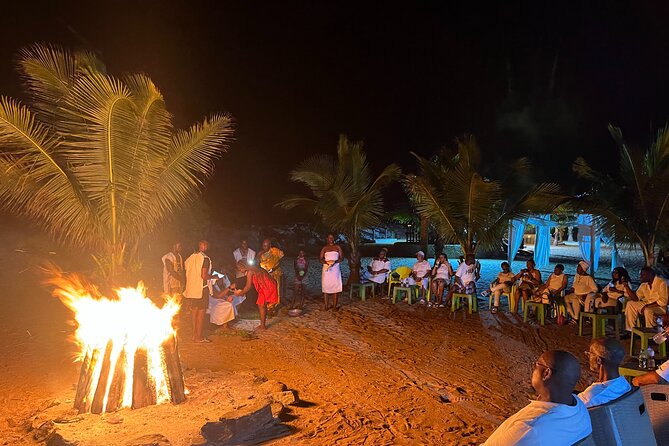
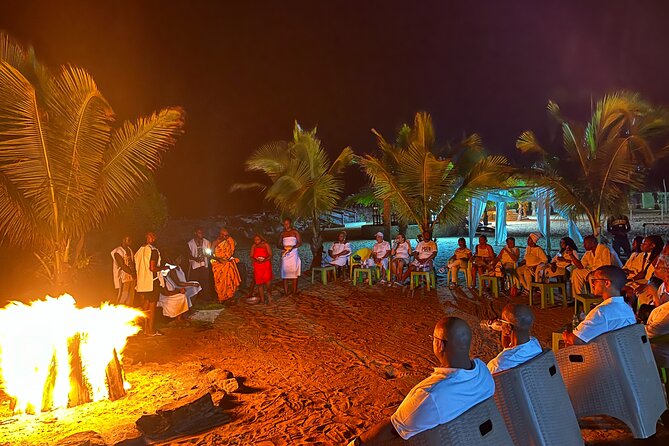
The final evening is free until an all-white farewell dinner. Music, food, and conversation give the trip a social ending. You can treat it as a celebration, but it is also a chance to think about the contrast between royal heritage, forced migration, independence, and modern Ghana.
Is $2,799.20 good value?
At $2,799.20 per person, this is a substantial purchase. The value depends on how much you want handled for you. The price covers a private 10-day program with airport pickup and drop-off, guides, road transfers, admissions, cultural activities, outdoor excursions, and several organized meals or special events.
You are paying for structure as much as for individual attractions. Planning this route yourself would require arranging transport between four major areas, finding local guides, coordinating timed admissions, and fitting in activities such as quad biking, kayaking, the canopy walk, and the boat cruise.
The value is weaker if you want a slow, flexible trip with plenty of unplanned time. The program is busy, and long drives can make some days tiring. It is stronger if you want Ghana’s major cultural sites combined with nature and adventure in one private itinerary.
The two named guides, Dennis and Archie, are a meaningful part of the equation. Their praised qualities include professionalism, kindness, humility, and the ability to explain Ghana in an engaging way. Confirm which guide or guides will accompany your departure, since guide quality can shape the whole experience.
Practical advice for choosing this Ghana tour
Most travelers can participate, and service animals are allowed. The tour is near public transportation, but pickup is offered, which is more useful than relying on public transport for a route this wide.
Pack comfortable walking shoes for James Town, Assin Manso, Elmina, Bonwire, and the palace areas. Bring clothing suitable for outdoor activities, plus something white for the Royal Senchi cruise and farewell dinner if you want to follow the themes.
The itinerary includes both reflective historic sites and active outings. You should be comfortable with road travel, walking, a hike, kayaking, and quad biking. The exact physical demands are not fully specified, so ask Zion Tours for current safety and equipment details before paying.
Free cancellation is available if you cancel at least 24 hours before the local start time. Changes or cancellations within 24 hours are not accepted for a refund.
Should you book it?
Book this tour if you want a private, highly organized introduction to Ghana that combines Accra’s national story, Volta Region adventure, Cape Coast’s difficult past, and Ashanti culture in Kumasi. The mix is unusually broad, and the free day in Akosombo helps keep the schedule from becoming nonstop sightseeing.
Think twice if you dislike long transfers, prefer independent travel, or want extended time at each historic site. Before booking, ask Zion Tours to confirm hotel names, the Akosombo and Wli sequence, daily driving breaks, and the precise activities included in the $2,799.20 price.
For the right person, this is a strong first Ghana itinerary: active, thoughtful, and full of places that explain how the country remembers its past while celebrating its living culture.
FAQ
How long is the Ghana cultural heritage and adventure tour?
The tour lasts approximately 10 days, beginning with arrival in Accra and ending with a transfer to Kotoka International Airport.
Where does the tour begin?
The stated meeting point is Accra Mall, Plot C11, Tetteh Quarshie Interchange, Spintex Road, Accra. Airport pickup is also offered for your arrival at Kotoka International Airport.
Is this a private tour?
Yes. Only your group participates in the activity.
What is the price per person?
The listed price is $2,799.20 per person.
Which major historic sites are included?
The route includes the National Museum of Ghana, W.E.B. Du Bois Center, Kwame Nkrumah Memorial Park, Black Star Gate, Assin Manso Ancestral River, Elmina Castle, Manhyia Palace, Prempeh II Jubilee Museum, the Okomfo Anokye Sword Site, and Kumasi Fort.
Are outdoor activities included?
Yes. The program includes quad biking at Aburi, a hike at Akwamu Gorge, kayaking, a boat cruise, a canopy walk at Kakum National Park, and a visit to Asenema Waterfalls.
Is there free time during the tour?
Yes. Day 5 is a leisure day in Akosombo, and Day 9 includes time to relax before the all-white farewell dinner.
What is the cancellation policy?
You can receive a full refund if you cancel at least 24 hours before the experience start time. Cancellations or changes made within 24 hours are not accepted for a refund.
Just added in Accra
- Wli Waterfall And Tafi Monkey Sanctuary ( Volta Region)★ 5.0 · 1 review
- Traditional Beadmaking Workshop★ 5.0 · 1 review
- Private 9-Day Tour in Ghana★ 5.0 · 2 reviews
- Wli Waterfalls, Mount Afadjato & Tafi Atome Monkey Sanctuary★ 5.0 · 2 reviews
- Cape Coast and Elmina castle Day Trip★ 5.0 · 2 reviews
- Time with Nature★ 5.0 · 2 reviews
- Culinary for Social Change-Cooking Class★ 5.0 · 2 reviews
- Historical Day Tour to Cape Coast, Elmina and Kakum★ 5.0 · 3 reviews
Accra Tours, compared.
Experience the Beauty, History and the Culture Of Accra in a Day
Read our review →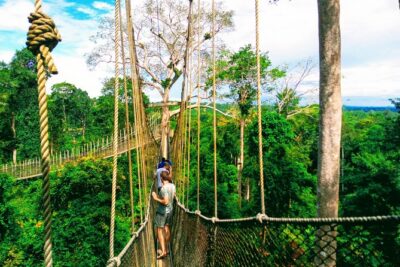
Cape Coast, Elmina Castle & Kakum Park Day Tour
Read our review →

Browse the lists this tour appears in