
REVIEW · CAPE COAST AND ELMINA CASTLE TOURS
3 Days Accra Historical ,Cape Coast Black Roots ,& Kumasi Culture
Ghana’s past is impossible to ignore. This three-day private tour links Elmina and Cape Coast castles, Accra’s major landmarks, and hands-on craft villages around Kumasi, giving you a broad look at the country’s history and living culture. I like the way the program moves beyond monuments: you can stamp Adinkra symbols, try a kente loom, shop for handmade goods, and receive a Ghanaian name in Adanwomase.
I also like the personal nature of the service. Bilson is praised for arranging local guides, photographs, and transport between Accra, Cape Coast, and Kumasi. The main drawback is the pace: three days cover a great deal of ground, and the trip to Kumasi is long, so you should expect full days and limited spare time.
In This Review
- Key points to know before booking
- Why this three-day route works
- Elmina Castle: beginning with Ghana’s hardest history
- Kakum National Park: a high walk with a steep start
- Cape Coast Castle: a second view of the Atlantic slave trade
- Accra’s National Museum and the story of W.E.B. DuBois
- Independence Square and Makola Market: official Ghana and everyday Ghana
- Centre for National Culture: Ghanaian crafts and bargaining time
- Bonwire: learning what kente patterns communicate
- Ntonso: stamping Adinkra symbols by hand
- Adanwomase: Ghanaian names and a personal cultural connection
- What the $650 price includes
- Timing, fitness, and practical planning
- Who should book this Ghana tour?
- FAQ
- How long is the tour?
- What is included in the price?
- Are meals included every day?
- Is this a private tour?
- Can I cancel for a full refund?
- Is the Kakum canopy walk suitable for everyone?
Key points to know before booking
- Slave-trade sites with serious historical weight: Elmina Castle and Cape Coast Castle bring Ghana’s connection to the Atlantic slave trade into direct view.
- A canopy walk above Kakum National Park: The bridges sit about 40 meters above the ground, with a steep approach that can challenge anyone who is not fit.
- Accra’s public and cultural heart: The National Museum, W.E.B. DuBois Center, Independence Square, Makola Market, and the Centre for National Culture create a useful city overview.
- Hands-on Ashanti traditions: At Bonwire and Ntonso, you can try kente weaving and Adinkra stamping instead of simply looking at finished objects.
- Private touring with transport included: Your group travels privately, with entrance fees, three lunches, taxes, and guide service included.
- Good value for a packed itinerary: At $650 per person, the price makes the most sense if you value private transport, many admissions, and cultural activities over a slow, relaxed schedule.
Why this three-day route works
This is not a gentle introduction with one major sight each morning. It is a concentrated circuit through Ghana’s coast, capital, and Ashanti cultural center. You begin with castles and the natural world, spend the second day in Accra, then finish around Kumasi with textiles, symbols, naming customs, and cocoa farming.
That variety is the chief appeal. You get solemn sites, city life, forest views, shopping, and practical craft sessions. I would choose this route if you have only three days and want breadth. If you prefer long museum visits, quiet meals, or unhurried photography, the schedule may feel crowded.
The private format helps. Your group is not tied to strangers, and the guide can connect you with local specialists at the castles and craft villages. Bilson Tours Gh also arranges the transportation between the main areas, a useful service when Cape Coast and Kumasi are part of the same short trip.
More Cape Coast and Elmina castle tours:
- The Cape Coast Day Tour
★ 5.0 · 525 reviews - The Cape Coast Tour
★ 5.0 · 177 reviews - From Accra: Cape Coast, Elmina Castle & Kakum Park Day Tour
★ 4.6 · 144 reviews
Elmina Castle: beginning with Ghana’s hardest history
Elmina Castle receives two hours, and that is appropriate. The whitewashed coastal fortress was first established as a Portuguese trading post in 1555 and later became a major site in the Atlantic slave trade. Its rooms and dungeons force you to confront the fact that thousands of enslaved Africans saw the coast for the last time from within these walls.
This is not a light sightseeing stop. You will hear about the transactions that took place there and the conditions imposed on imprisoned people before transportation across the Atlantic. The castle’s age and coastal setting can make the site appear picturesque from a distance, but the interior carries a much heavier meaning.
Use the time to listen carefully rather than rush toward photographs. The tour includes admission, and you can take photographs around the castle and its forts. I would treat that as secondary to the historical explanation. The strongest part of the visit is the setting itself, where physical rooms connect directly to the stories of forced removal and survival.
Kakum National Park: a high walk with a steep start
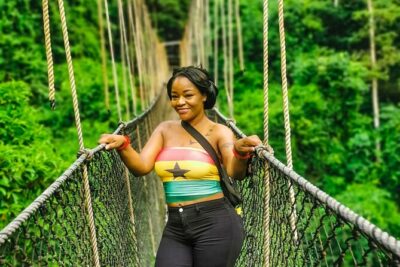
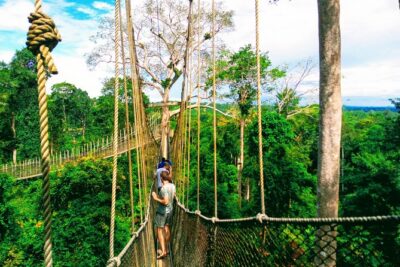
Kakum adds a sharp change of mood after Elmina. The park is known for its canopy walk, with suspended bridges about 40 meters above the ground. From that height, you can look across the treetops and see some of the forest’s plant and animal life.
The walk to the bridges is steep. That detail matters more than the brief description suggests. Most people can participate, but the route will test anyone who is unfit, and the bridges are not suited to someone uncomfortable with height. Wear sensible footwear and allow yourself time on the climb rather than treating it as a quick photo stop.
The canopy walk lasts within a two-hour visit that also includes the approach and the park setting. I like this inclusion because it gives the coastal day some physical energy and introduces Ghana’s conservation work. Still, the experience is built around the bridges, so do not expect a long wildlife expedition. The attraction is the elevated forest view, not guaranteed animal sightings.
Cape Coast Castle: a second view of the Atlantic slave trade
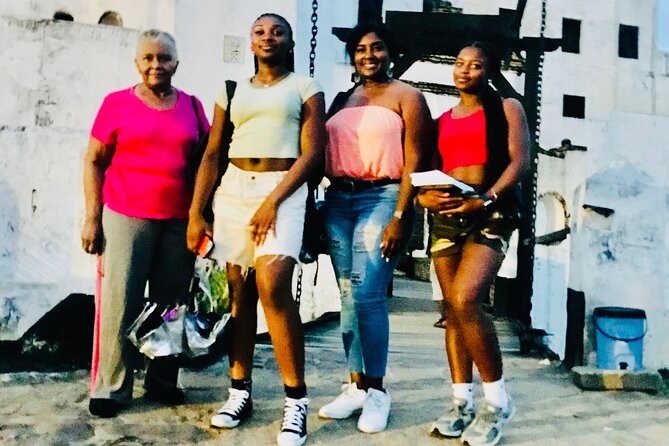
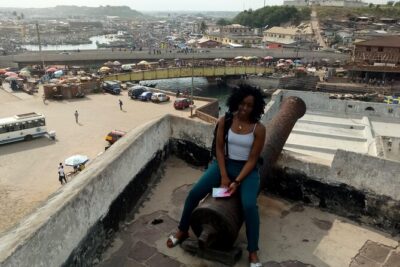
Cape Coast Castle gives you another hour with the subject introduced at Elmina. The site began as a Portuguese trading post in 1555, and later became a place where enslaved Africans were held before being sent overseas. The dungeons are the emotional center of the visit.
You can also visit the castle museum, view arts and crafts, and photograph the building and coastline. I would use this stop to compare the two castles rather than treating it as a repeat. Elmina and Cape Coast both address the slave trade, but visiting both helps you understand how extensive the coastal system was.
The one-hour allocation is tight. If you want detailed museum time, ask your guide how the visit will be handled before arriving. The tour is strongest when the guide provides context and helps you pause at the most important rooms, rather than simply moving you through the building.
More history tours in Accra:
- Experience the Beauty, History and the Culture Of Accra in a Day
★ 5.0 · 323 reviews - Ghana Heritage Tours – Beyond The Return
★ 5.0 · 36 reviews - 10 Days Ghana Cultural and Heritage Trip
★ 5.0 · 31 reviews - Cape Coast Historical Day Tour
★ 5.0 · 24 reviews
Accra’s National Museum and the story of W.E.B. DuBois
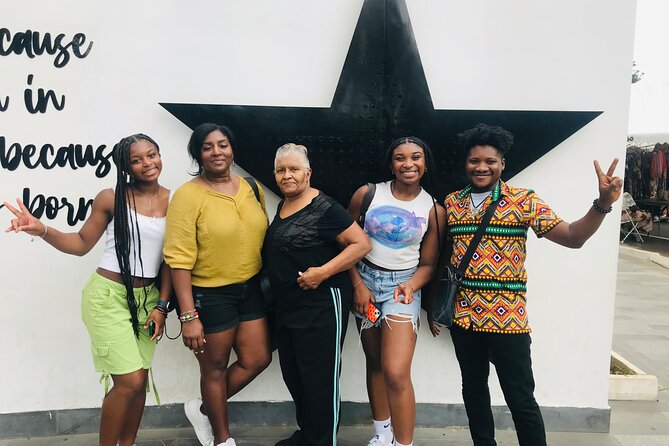
Day two begins at the National Museum of Ghana, the country’s oldest museum. You will see displays connected to Ghanaian and African history, local crafts, and material culture. The one-hour stop is enough for an introduction, though not for a slow reading of every display.
I see this museum as useful preparation for the rest of the Accra day. It gives you objects and background before you encounter public monuments, markets, and craft stalls. If you enjoy museums, you may wish the visit were longer, but the schedule favors range.
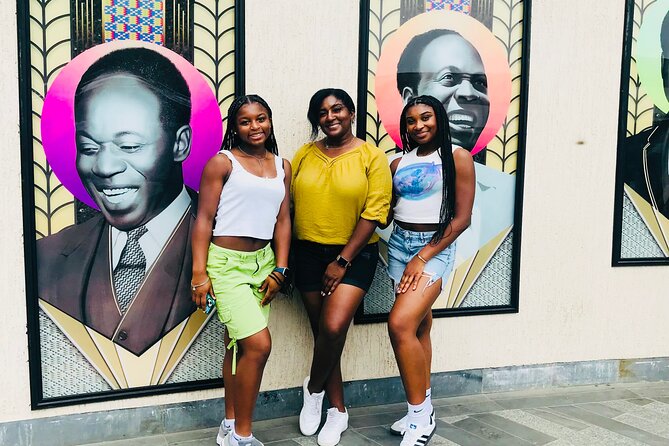
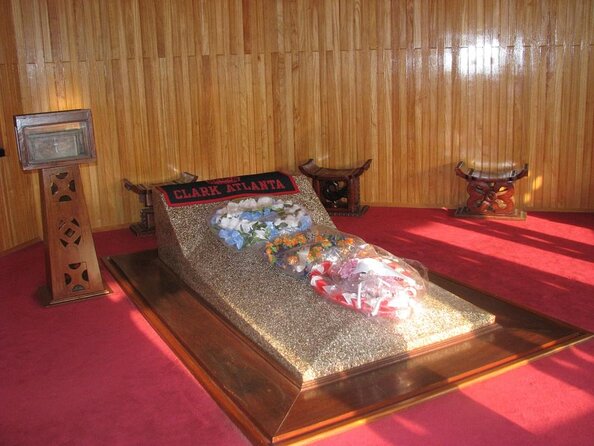
The W.E.B. DuBois Center offers a quieter hour. DuBois was an African American historian and Africanist who became a citizen of Ghana. The center includes a small museum, part of his personal library, examples of his work, research facilities, and a shrine containing his grave and the ashes of his second wife, Shirley Graham DuBois.
This stop is especially meaningful for people tracing connections between Ghana, the United States, and Pan-African thought. It is not a large museum complex. Its value comes from the person associated with the site and the chance to consider Ghana’s place in a wider Black intellectual and political story.
Independence Square and Makola Market: official Ghana and everyday Ghana
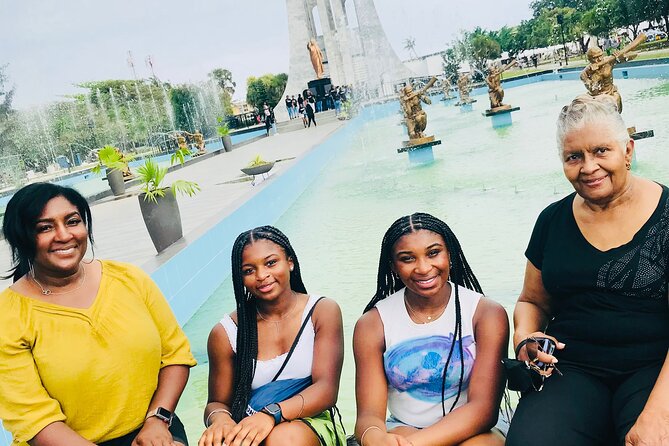
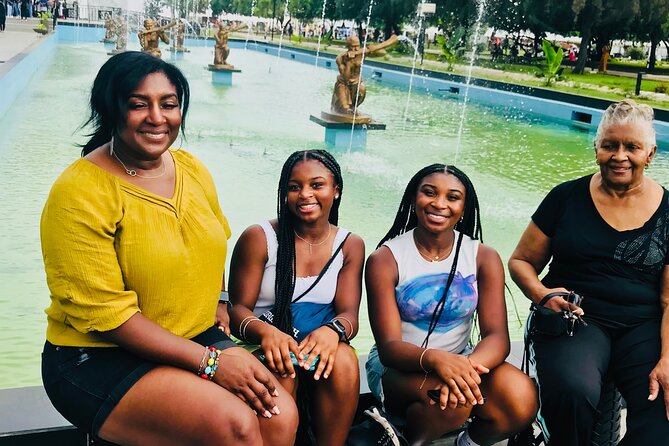
Independence Square presents the formal side of Accra. The Independence Arch, Black Star Gate, and Liberation Day monuments recall Ghana’s independence struggle and national celebrations. The square can hold about 30,000 people and is used for Independence Day parades on March 6, along with other public gatherings.
You will likely spend about an hour here. It is a place for photographs and orientation, but also a reminder that Ghana’s national identity is displayed in public space. The broad scale may feel impersonal if you want street life, so the next stop at Makola Market provides a useful contrast.
Makola is Accra’s major trading center, filled with goods, people, scents, and noise. You can browse the open-air stalls and watch the daily business of market traders. The market is more than a shopping stop. It is part of the country’s social and commercial life, and the one-hour visit gives you a quick taste of that rhythm.
Stay aware of your belongings and follow your guide’s advice. The market’s appeal lies in its movement and variety, but that same energy can feel tiring. You may also find the visit more rewarding if you focus on observing how the market works rather than trying to buy everything in sight.
Centre for National Culture: Ghanaian crafts and bargaining time
The two-hour visit to the Centre for National Culture gives you the longest shopping and craft period in Accra. Stalls offer kente cloth, wood sculptures, beads, leather bags, earrings, clothing, footwear, T-shirts, drums, and other handmade items from across Ghana.
This is the place to look for a meaningful souvenir, but do not assume the first price is the final price. The center is designed for browsing, and the range can be overwhelming. A guide can help explain materials, styles, and local use, although you should make your own decisions about quality and price.
The drum market is a special part of the stop. You can see different kinds of drums and compare them with the textile, leather, wood, and metal goods elsewhere in the market. Two hours gives you enough time to look without turning the entire Accra day into shopping.
Bonwire: learning what kente patterns communicate
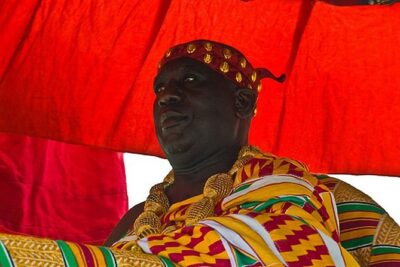
Day three moves into Ashanti cultural traditions at Bonwire Kente Weaving Centre. Bonwire is presented as the birthplace of the well-known Ghanaian fabric, which is worn for important occasions and celebrations. Kente is not simply colorful cloth. Individual patterns have names and meanings connected to history, culture, and social practice.
The best part is the practical session. You can watch or try a hand-operated loom and learn how the fabric is made. A two-hour visit gives the process room to make sense. The narrow strips, repeated patterns, and careful handwork explain why genuine kente can cost far more than a factory-made souvenir.
If you are shopping, ask questions before buying. The tour description makes clear that kente is tied to symbolism, not just appearance. A small piece with a known meaning may be more useful than a larger item selected only for bright colors.
Ntonso: stamping Adinkra symbols by hand
Ntonso focuses on Adinkra, another Ghanaian art form full of messages and wisdom. The activity explains how the cloth is prepared, how a dye is made from the bark of the badie tree, and how symbols are carved into calabash gourds.
You can stamp the symbols onto the fabric yourself. That hands-on step makes the visit more memorable than a standard craft demonstration. It also helps you see the labor behind a cloth that might otherwise look simple in a shop.
The two-hour stop should suit anyone interested in design, textiles, or cultural symbolism. It is also a good choice for families and small private groups because the activity gives you something to do together. The experience is less about producing a perfect finished item and more about understanding the method and meaning.
Adanwomase: Ghanaian names and a personal cultural connection
Adanwomase is aimed particularly at people from the African American and Caribbean communities. Here, you can receive a Ghanaian name based on your date of birth, along with a certificate recognizing the naming, traditional cloth, and an adornment ceremony.
This can be a personal and emotional part of the trip. The naming custom connects you to a Ghanaian cultural practice and gives you an object that carries more meaning than a routine souvenir. At the same time, the description frames it as a specific activity for African American and Caribbean visitors, so you should ask the operator how the ceremony applies to your group if that is not your background.
The stop also includes more kente practice, a visit to the Ntonso Adinkra village, and a cocoa farm. You can learn how cocoa is nursed and harvested, adding an agricultural element to the textile work. The three-hour allocation makes this one of the fuller cultural stops on the route.
What the $650 price includes
The price is $650 per person. That is not a budget day trip, but the comparison should include what you receive: private transfers, entrance fees, a guide, taxes, and three lunches. The operator also handles a route linking Accra, Cape Coast, and Kumasi, which would be complicated to arrange independently in only three days.
The value is strongest for a private group that wants a single point of contact. Bilson has been praised for connecting groups with local guides, arranging photographs, and organizing transport to Cape Coast and Kumasi. That help matters because Kumasi is a long journey and requires planning ahead.
Lunch is included each day, but personal purchases are not. Set aside money for crafts, textiles, drums, and other items at the Centre for National Culture, Bonwire, Ntonso, or Adanwomase. Since the tour is private, the cost may also make more sense when shared by a small group than when booked by one person alone.
Timing, fitness, and practical planning
The itinerary is tightly packed. Day one combines two castles and Kakum, day two includes five Accra stops, and day three covers several villages and craft activities around Kumasi. You should be comfortable with long sightseeing days and substantial road time.
The Kakum approach is steep, and the canopy bridges sit high above the ground. Most people can participate, and service animals are allowed, but anyone with mobility concerns should ask for more detail before booking. The tour is near public transportation, though private transfers are part of the package.
There is one point worth confirming before you pay. The general description refers to a boat cruise at Royal Senchi Resort on Lake Volta, but the detailed three-day schedule does not place that cruise on a specific day. Ask Bilson Tours Gh whether it is included in your exact booking, since the listed itinerary focuses on Accra, Cape Coast, Kakum, and Kumasi.
Free cancellation is available up to 24 hours before the start time. Cancellations or changes made inside that window are not refunded, and poor weather may lead to a different date or a full refund.
Who should book this Ghana tour?
I would choose this experience if you want a strong first look at Ghana and do not have time to build separate trips to the coast, Accra, and Kumasi. It suits history-minded visitors, people interested in Pan-African connections, craft shoppers, and anyone who likes learning by doing.
I would be more cautious if you want a slow holiday. The castles deserve reflection, the museums could absorb more time, and the road journey to Kumasi is long. You should also confirm the Royal Senchi boat cruise before booking if that part of the description is important to you.
For a private group, the mix is compelling. Bilson’s role in arranging local guides and transportation adds practical value, while the craft workshops keep the final day active and personal. Book it for range, human stories, and direct contact with Ghanaian traditions, not for a relaxed pace.
FAQ
How long is the tour?
The tour lasts approximately three days.
What is included in the price?
Private transfers, entrance fees, guide service, all taxes, and three lunches are included.
Are meals included every day?
Yes. Three lunches are included.
Is this a private tour?
Yes. Only your group participates in the activity.
Can I cancel for a full refund?
Yes, if you cancel at least 24 hours before the experience start time. Cancellations or changes made less than 24 hours before the start time are not refunded.
Is the Kakum canopy walk suitable for everyone?
Most people can participate, but the walk to the canopy bridges is steep, and the bridges are about 40 meters above the ground. The experience may be difficult for anyone who is unfit or uncomfortable with heights.
Just added in Accra
- Wli Waterfall And Tafi Monkey Sanctuary ( Volta Region)★ 5.0 · 1 review
- Traditional Beadmaking Workshop★ 5.0 · 1 review
- Private 9-Day Tour in Ghana★ 5.0 · 2 reviews
- Wli Waterfalls, Mount Afadjato & Tafi Atome Monkey Sanctuary★ 5.0 · 2 reviews
- Cape Coast and Elmina castle Day Trip★ 5.0 · 2 reviews
- Culinary for Social Change-Cooking Class★ 5.0 · 2 reviews
- Time with Nature★ 5.0 · 2 reviews
- Explore Cape Coast – Elmina in a brief( Roles in the slave trade)★ 5.0 · 1 review
Cape Coast and Elmina Castle Tours, compared.

Cape Coast, Elmina Castle & Kakum Park Day Tour
Read our review →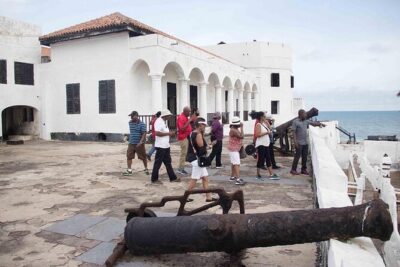
Cape Coast ,Elmina Castle and Kakum Full-Day Tour
Read our review →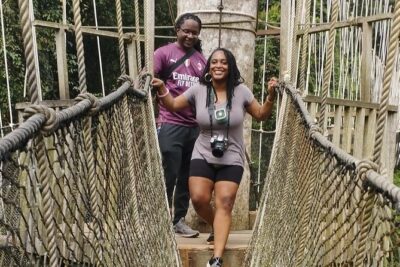
10 Days Trip to Cape Coast and Elmina Castles from Accra
Read our review →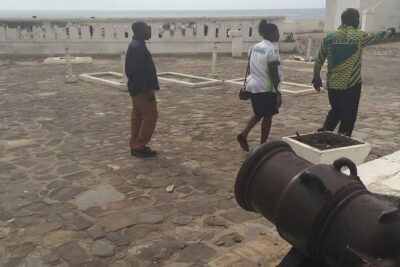
The Homecoming Experience To Cape-coast And Elmina.
Read our review →Browse the lists this tour appears in