
REVIEW · ACCRA TOURS
4 Days Cultural and Village Stay Experience
Ghana gets personal here. This four-day private tour links Kumasi’s Ashanti royal sites with village life at Boabeng-Fiema Monkey Sanctuary, giving you history, nature, farming, and local traditions in one trip. I like the direct contact with the community, especially the visit to the Monkey Priest and the evening dance performance. I also like that you spend more than one day in Boabeng-Fiema instead of rushing through it in a few hours.
The main point to consider is the amount of travel packed into four days. The tour begins at 8:00 a.m., includes long sightseeing blocks, and finishes with a journey from Boabeng-Fiema to Kumasi for a flight to Accra. At $1,107.70 per person, it can offer good value for a private cultural experience, but you should confirm exactly what the price covers, especially transport, accommodation, meals, and the flight to Accra.
In This Review
- Key things to know before booking
- Why this four-day trip feels different
- Day 1: Ashanti kings in Kumasi
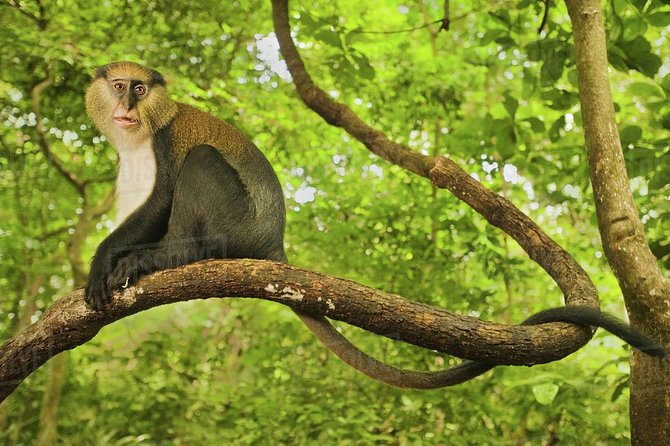
- Day 2: Mona monkeys, colobus monkeys, and local belief
- Day 3: Farm work and Kintampo Water Falls
- Day 4: Crafts, souvenirs, and the journey back to Accra
- Is $1,107.70 good value?
- What the strongest praise tells you
- Who should book this experience?
- Should you book it?
- FAQ
- Where does the tour take place?
- How long does the experience last?
- Is this a private tour?
- What level of fitness is required?
- Are admission tickets included?
- Which museums are visited?
- Which monkeys can you see?
- Who is the Monkey Priest?
- Is the flight from Kumasi to Accra included?
- Can the tour be canceled for a refund?
Key things to know before booking
- Ashanti royal history comes first: You visit Manhyia Palace Museum and Prempeh II Museum in Kumasi, with two hours planned at each site.
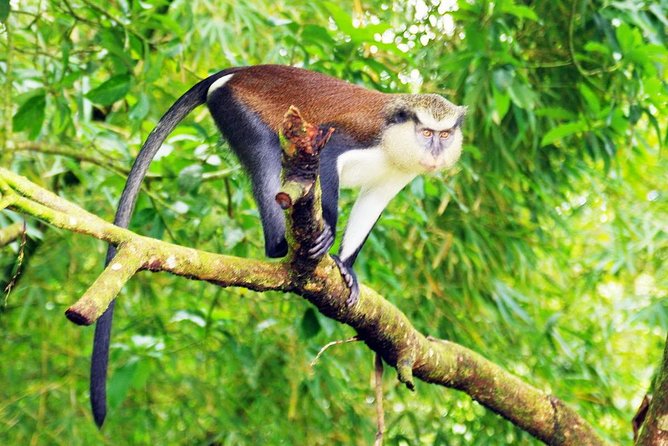
- Boabeng-Fiema is the heart of the trip: You spend several sessions learning how the village lives alongside Mona monkeys and black-and-white colobus monkeys.
- The Monkey Priest adds local meaning: A courtesy visit introduces you to the human representative of the monkeys and caretaker of Darrow Shrine.
- Village life is part of the schedule: You join a local family on a farm and see cashew, cassava, yam, plantain, and vegetable cultivation.
- The trip includes traditional performance: An evening community visit features local dance, giving you a chance to see culture in a social setting rather than only in a museum.
- You need moderate fitness: The program includes outdoor walking, a sanctuary visit, farm time, and Kintampo Water Falls.
Why this four-day trip feels different
Many Ghana tours pass through Kumasi, take a quick photo at a cultural site, and move on. This one gives you time to stay in Boabeng-Fiema and learn how a community has built daily life around protected monkeys. That extra time matters. You are not simply looking at animals through a vehicle window. You are learning about the relationship between people, belief, conservation, and village routines.
I particularly like the balance between formal history and ordinary life. The museums explain Ashanti leadership and royal tradition. The village stay then shifts your attention to farms, shrines, family life, crafts, and music. You get both the major story and the smaller details.
The schedule is also personal by design. This is a private activity for your own group, not a large shared excursion. That should make it easier to ask questions, adjust the pace within reason, and spend more time on subjects that interest you. The tour provider is Skyway Safari & Tours Ghana. Emmanuel is praised for planning a fun and educational Ghana experience, while Sampson appears in the response from the operator and is associated with the company’s warm communication.
There is one important caution. The advertised location is Accra, but most of the experience takes place around Kumasi and Boabeng-Fiema. The final day includes travel back to Kumasi to catch a flight to Accra. Before paying, ask where the first pickup occurs, how the route is arranged, and if the flight is part of the quoted price.
More things to do in Accra:
- The Cape Coast Day Tour
★ 5.0 · 525 reviews - Experience the Beauty, History and the Culture Of Accra in a Day
★ 5.0 · 323 reviews - The Cape Coast Tour
★ 5.0 · 177 reviews
Day 1: Ashanti kings in Kumasi
Your first major stop is Manhyia Palace Museum, the former residence of the Ashanti King. You have about two hours here, with admission included. This is a strong opening because it places the rest of the trip in its cultural setting.
The Ashanti royal tradition is not presented as an abstract history lesson. The palace setting connects leadership, ceremony, and everyday authority to a specific place. Give yourself time to take in the objects, rooms, and explanations rather than treating this as a quick stop between drives.
The second visit is Prempeh II Museum at the Kumasi Cultural Centre, also planned for two hours with admission included. The museum focuses on Prempeh II, an important Ashanti king. Together, the two museums give you a fuller view than either one alone.
The pacing is generous for museum visits, but the back-to-back format may feel heavy if you prefer outdoor activities. I would use the first museum to understand the royal setting, then look for the links between Prempeh II’s story and the wider Ashanti identity presented at the cultural centre.
Later, you continue toward Boabeng-Fiema Monkey Sanctuary. The village is not just a place to sleep before the next activity. It is the main setting for the second half of the trip. You begin learning how people and monkeys share the area, with about two hours set aside for this introduction.
The idea of humans and monkeys living together is the special feature here. The experience is not only about seeing animals. It is about seeing the rules, beliefs, and habits that allow the community to protect them. Keep an open mind, since village life may feel quieter and less structured than a city-based tour.
Day 2: Mona monkeys, colobus monkeys, and local belief
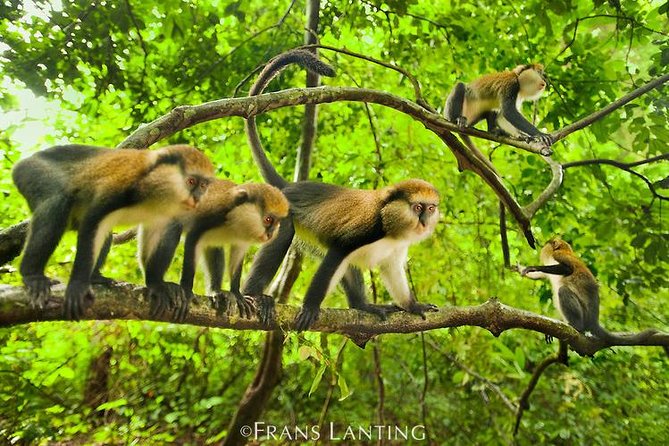
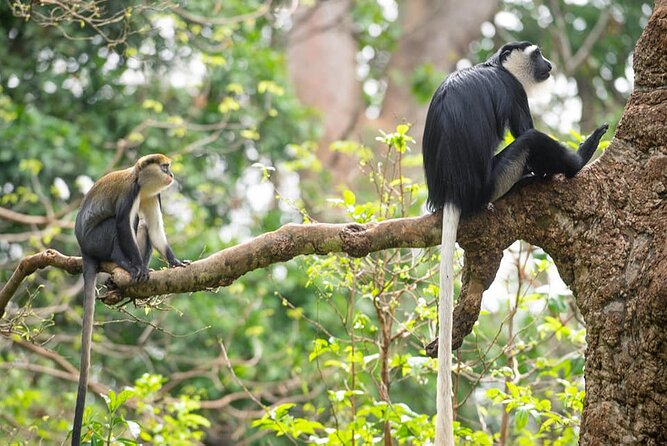
The second day stays focused on Boabeng-Fiema. In the morning, you tour the sanctuary to observe Mona monkeys and black-and-white colobus monkeys. The planned duration is two hours, enough for a proper visit without turning the entire day into a wildlife outing.
The two monkey species give the morning a useful point of interest. You are able to observe how they interact with each other rather than seeing only one animal in isolation. The sanctuary experience also connects wildlife to local customs, which makes it more memorable than a standard animal stop.
Do not expect a zoo-style visit. The appeal is the setting and the relationship between the animals and the community. Sightings can never be fully controlled, and the tour information does not promise a particular number of monkeys or a specific viewing distance. Your guide’s explanation will be important, especially when you want to understand behavior and local protection practices.
In the afternoon, you make a courtesy visit to the Monkey Priest, described as the human representative of the monkeys and caretaker of Darrow Shrine. This is one of the most distinctive moments of the tour because it brings together religion, conservation, and village authority.
The visit should be approached respectfully. It is not a staged wildlife show. You are entering a local belief system, so listen carefully and follow the guide’s instructions about conduct, questions, and photography. The two-hour time block allows room for conversation and explanation.
The evening brings a community tour of the village, followed by a traditional dance performance from local people. This is where the day changes tone. After museums, forest paths, and shrine traditions, you see how culture is expressed through movement, music, and a shared gathering.
I like this part because it gives you something to watch and something to feel. A dance performance can be more immediate than a display behind glass. At the same time, remember that any organized cultural performance has a planned element. It still offers a useful way to meet the community, but it is not the same as stumbling into an unplanned village celebration.
Day 3: Farm work and Kintampo Water Falls
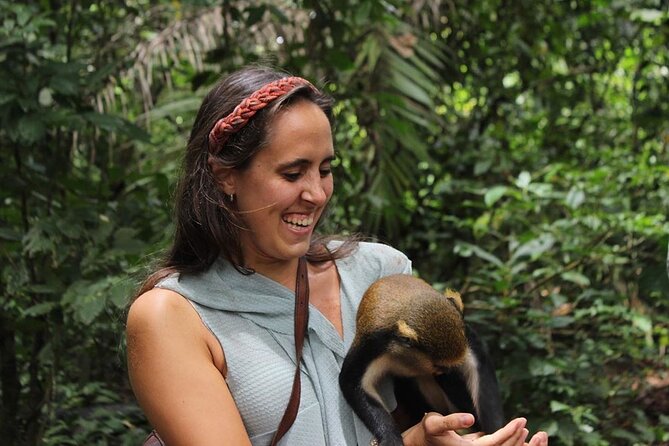
After breakfast, you join one of the village families on a farm. The crops named for the visit include cashew, cassava, yam, plantain, and vegetables. This is a valuable addition because it shows the practical side of village life.
You will see farming as work, not as a decorative rural backdrop. The visit can help you understand what grows locally and how food production fits into family routines. Ask your guide to explain the crops as you see them, since each one has a different role in the farm system.
The schedule then continues to Kintampo Water Falls, with about six hours allocated to the farm visit and waterfall outing together. That is the longest block of the trip, so plan for a full and active day. The tour requires a moderate level of physical fitness, and this is the day when that advice matters most.
The information provided does not specify the walking distance, the number of waterfall sections visited, or the exact facilities available. You should therefore wear practical clothing and shoes suitable for outdoor activity. Ask the operator in advance about swimming, changing areas, and the condition of the paths if those details matter to you.
Kintampo Water Falls gives the itinerary a welcome change from museums and village discussions. You move from human history and local customs into a natural setting. Still, the waterfall is part of a long day, not a relaxed full-day stay devoted only to the site.
If you prefer slow travel, you may find the pace demanding. If you like variety, this is probably one of the strongest days. You see agriculture in the morning and a major natural attraction later, while still returning to the village base.
A completely different kind of day:
- From Accra: Cape Coast, Elmina Castle & Kakum Park Day Tour
★ 4.6 · 144 reviews - Accra Detailed City Tour
★ 4.5 · 118 reviews - Accra Guided City Tour Experience
★ 4.7 · 88 reviews - Accra Guided City Tour Experience
★ 5.0 · 76 reviews
Day 4: Crafts, souvenirs, and the journey back to Accra
The final morning begins with a visit to the sanctuary souvenir shop. The items mentioned include monkey masks and paintings. This is a small stop, but it gives you a chance to support local creative work and take home something connected to the place.
The shop also provides a final reminder that the sanctuary is part of a living community. If you plan to buy a mask or painting, ask about the maker and the meaning of the design. The available information does not state prices, payment methods, or the size of the collection, so bring those questions to the operator rather than assuming.
After the shop, you leave Boabeng-Fiema for Kumasi to catch a flight to Accra. The planned travel time is about three hours. This transfer is a major practical detail. You should not schedule a tight onward connection in Accra unless the timing has been confirmed clearly.
The tour description does not say if the Kumasi to Accra flight is included in the $1,107.70 price. It also does not spell out the accommodation or meals. Those costs can change the real value of the package, so request a written breakdown before booking.
Is $1,107.70 good value?
The price is high compared with a simple day trip, but this is not a simple day trip. You are paying for a private four-day program that combines two museums, a village stay, repeated sanctuary visits, a shrine encounter, a community tour, traditional dance, farm time, Kintampo Water Falls, and transport planning between several locations.
The strongest value comes from the time spent in Boabeng-Fiema. A short visit could show you monkeys, but it would not give you the same chance to learn about the community, visit the Monkey Priest, join a farm family, and attend an evening performance.
Still, value depends on what is included. Pickup is offered, and admission tickets are included for the listed stops. But the supplied details do not confirm hotel standards, meals, domestic airfare, or every transfer cost. At this price, I would ask:
- Is the flight from Kumasi to Accra included?
- What accommodation is provided in Boabeng-Fiema?
- Are breakfast and other meals included?
- Is all road transport private for your group?
- Are guide fees and any village activity charges included?
A private tour can be worth extra money if you value flexibility and personal explanation. It is less attractive if you mainly want a quick wildlife visit or a low-cost route between Accra and Kumasi.
What the strongest praise tells you
The most positive themes are clear: the experience is educational, peaceful, and friendly. One account describes Boabeng-Fiema as a calm break from the city, with orderly surroundings and good care. That matches the design of the tour, which gives the village several days rather than treating it as a passing stop.
The guide service also receives warm attention. Emmanuel is connected with careful planning for a fun weekend in Ghana, while the monkey sanctuary guide is praised for explaining the animals and village background in an interesting way. Those details matter because this experience depends heavily on interpretation. Without a good guide, you might see monkeys but miss the meaning of the place.
You should also know that the supplied praise includes a separate Volta Region trip featuring Shai Hills, Mount Gemi, Amedzofe, Wli Waterfall, fruit bats, and Mona monkeys. Those attractions are not part of this four-day program, so do not expect them here. The useful takeaway is that Skyway Safari & Tours Ghana has been associated with wider Ghana trip planning, not that those sites belong to this itinerary.
Who should book this experience?
I would recommend it to you if you want Ghanaian culture presented through several angles. It suits someone who enjoys museums but also wants farms, nature, village conversations, local belief, and dance. It is especially appealing if the relationship between people and wildlife interests you.
The tour also suits couples, families, or small private groups who prefer their own vehicle and guide. Since only your group participates, the experience should feel more personal than a large bus excursion.
You may want another option if you dislike early starts, long transfers, or outdoor activity. It is also not ideal if you want to spend all four days in Accra. Despite the Accra location shown for the experience, the program is centered in Kumasi and Boabeng-Fiema.
You should have moderate physical fitness. The itinerary includes sanctuary walking, farm activity, and Kintampo Water Falls, though the exact distances are not given. Ask about mobility needs before booking.
Should you book it?
Book this tour if you want a close look at Ashanti culture and village life, not just a checklist of Ghana attractions. The Monkey Priest visit, community dance, farm outing, and repeated time at Boabeng-Fiema give the program its character.
Think twice if you need a fully itemized package price or a slow schedule. The non-refundable policy also means you should confirm dates, weather concerns, transport, accommodation, meals, and the Accra flight before paying. Poor weather may lead to a different date or a full refund, but ordinary cancellations or amendments are not refundable.
For the right person, this is a thoughtful private journey with a strong human and natural focus. It gives you a better chance to understand a place than a quick stop ever could.
FAQ
Where does the tour take place?
The program includes Kumasi, Boabeng-Fiema Monkey Sanctuary, Kintampo Water Falls, and travel to Kumasi for a flight to Accra. Pickup is offered, and the listed meeting time is 8:00 a.m.
How long does the experience last?
The tour lasts approximately four days.
Is this a private tour?
Yes. Only your group participates in the activity.
What level of fitness is required?
A moderate level of physical fitness is recommended. The program includes sanctuary visits, a farm outing, and a visit to Kintampo Water Falls.
Are admission tickets included?
Admission tickets are included for the listed stops in the itinerary.
Which museums are visited?
You visit Manhyia Palace Museum and Prempeh II Museum at the Kumasi Cultural Centre.
Which monkeys can you see?
The sanctuary visit includes opportunities to observe Mona monkeys and black-and-white colobus monkeys.
Who is the Monkey Priest?
The Monkey Priest is described as the human representative of the monkeys and the caretaker of Darrow Shrine.
Is the flight from Kumasi to Accra included?
The provided tour details do not confirm whether the flight is included in the $1,107.70 price. You should confirm this with Skyway Safari & Tours Ghana before booking.
Can the tour be canceled for a refund?
The experience is non-refundable and cannot be changed for any reason. If poor weather causes the operator to cancel it, you will be offered another date or a full refund.
Just added in Accra
- Wli Waterfall And Tafi Monkey Sanctuary ( Volta Region)★ 5.0 · 1 review
- Traditional Beadmaking Workshop★ 5.0 · 1 review
- Private 9-Day Tour in Ghana★ 5.0 · 2 reviews
- Wli Waterfalls, Mount Afadjato & Tafi Atome Monkey Sanctuary★ 5.0 · 2 reviews
- Cape Coast and Elmina castle Day Trip★ 5.0 · 2 reviews
- Culinary for Social Change-Cooking Class★ 5.0 · 2 reviews
- Time with Nature★ 5.0 · 2 reviews
- Historical Day Tour to Cape Coast, Elmina and Kakum★ 5.0 · 3 reviews
Accra Tours, compared.

Experience the Beauty, History and the Culture Of Accra in a Day
Read our review →
Cape Coast, Elmina Castle & Kakum Park Day Tour
Read our review →
Browse the lists this tour appears in