
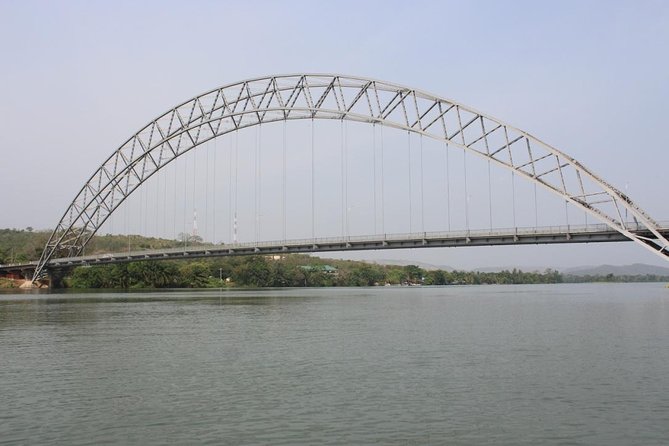
REVIEW · ACCRA TOURS
6 day Culture & History Tour in Ghana
Ghana gives you a lot in six days. This private trip links Accra, Kumasi, and Elmina with the Volta River, Ashanti villages, cocoa farms, a rainforest canopy walkway, and major sites connected to the Atlantic slave trade. I like the air-conditioned private vehicle and the fact that accommodation, taxes, and entrance fees are included. I also like the access to working craft traditions, especially kente weaving, Adinkra stamping, wood carving, and cocoa growing.
The main drawback is the pace. Several days involve eight to twelve hours on the road, and the 250 concrete steps at Akaa Falls require a reasonable level of fitness. Meals and drinks are not included, so you will need to budget for those separately.
In This Review
- Key Points Before You Book
- Accra Arrival and a Gentle First Look
- Aburi Gardens, Beads, and the Volta River
- Akaa Falls and Ashanti Craft Villages
- Kumasi’s Royal Story and Kejetia Market
- Assin Manso and the Difficult History of Elmina
- Kakum’s Canopy Walkway and the Return to Accra
- What the Private Format Adds
- Is $1,852.57 a Fair Price?
- Who Will Enjoy This Ghana Tour?
- Should You Book This Six-Day Ghana Tour?
- FAQ
- Is airport pickup included?
- How long is the tour?
- Is this a private tour?
- Is accommodation included?
- Are meals and drinks included?
- What entrance fees are included?
- How difficult is the Akaa Falls visit?
- Where does the tour finish?
Key Points Before You Book

- A private guide and vehicle: Only your group takes part, giving you more control over questions, stops, and the daily pace.
- A serious look at Ghanaian history: Elmina Castle, Assin Manso, Manhyia Palace, the Komfo Anokye Sword, and the National Cultural Center give the trip real depth.
- A wide geographic sweep: In six days, you travel from Accra to the Volta River, Kumasi, Elmina, Kakum National Park, and back to Accra.
- Hands-on cultural stops: The village visits include kente cloth weaving, Adinkra cloth stamping, wood carving, bead making, and cocoa farming.
- Long touring days: Days three, five, and six are listed at about twelve, ten, and ten hours, so this is not a slow, stay-in-one-place holiday.
- Good inclusion value: The price of $1,852.57 per person includes accommodation, transport, entrance costs, fees, and taxes, but not food or drinks.
Accra Arrival and a Gentle First Look
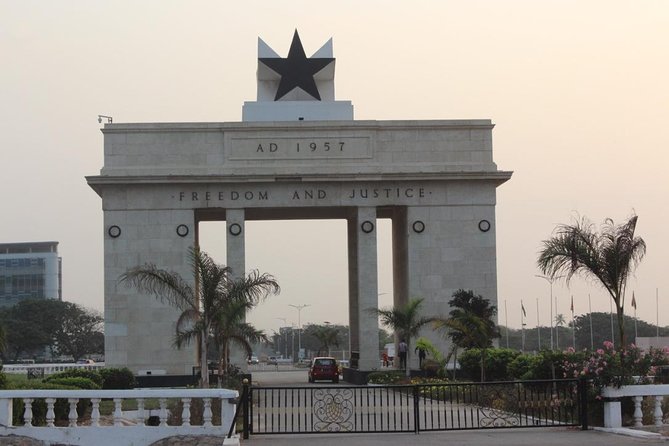
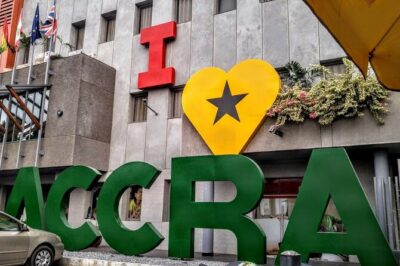
Your trip begins with a morning pickup at Kotoka International Airport. An air-conditioned vehicle takes you to a mid-range hotel in Osu, one of Accra’s best-known areas for restaurants, shops, and city activity.
The first day is intentionally light. After arrival, you can refresh at the hotel, then take a neighborhood or city orientation if time allows. That is a sensible arrangement after a long flight. You will not be pushed straight into a full sightseeing day, though the airport transfer and orientation are listed as only about one hour.
Accra itself receives limited time on this schedule. You may see some of the city and get your bearings, but this is not a dedicated Accra city tour. If markets and urban life are your main reason for visiting Ghana, you may want to ask Eyali Tours if extra time in Accra can be added.
The first night is at a mid-range hotel in Osu. Accommodation is included for the duration of the trip, but the exact hotels are not specified. That means you should confirm the names and room arrangements before booking if your accommodation standards are important to you.
More history tours in Accra:
- Experience the Beauty, History and the Culture Of Accra in a Day
★ 5.0 · 323 reviews - Ghana Heritage Tours – Beyond The Return
★ 5.0 · 36 reviews - 10 Days Ghana Cultural and Heritage Trip
★ 5.0 · 31 reviews
Aburi Gardens, Beads, and the Volta River
Day two moves into the Akwapim highlands for a visit to Aburi Botanical Gardens. The gardens offer a change from Accra’s urban setting, with room for a quieter walk and a look at one of Ghana’s established botanical sites.
You also visit the Aburi carvers market. This is a useful stop if you want to see local woodcraft and perhaps shop for a carved item. As with any market, prices and quality can vary, so I would treat the stop as both a cultural visit and a shopping opportunity rather than assuming every item is a bargain.
The day then turns toward the Volta River. A traditional glass bead workshop gives you a close look at a small-scale handcraft. The schedule does not promise a hands-on class, but you can expect to see how this craft is made and ask questions through your guide.
A motorboat ride follows on the Volta River, taking you toward the Akosombo Dam and Volta Lake. This is one of the tour’s more varied days. You get gardens, a craft market, a workshop, and time on the water without changing hotels repeatedly.
The overnight stay is at a resort on the Volta River. That location should make the evening feel different from the Osu hotel, although the itinerary does not list meals or drinks as part of the price. Day two is planned for about eight hours, making it active but less punishing than some later days.
Akaa Falls and Ashanti Craft Villages
Day three is the longest touring day, listed at about twelve hours. You take a scenic drive toward seasonal Akaa Falls, where reaching the bottom means walking down 250 concrete steps.
The waterfall visit is appealing, but the steps are a real consideration. Going down is only half the task, since you must climb back up afterward. The word seasonal matters too. The flow and appearance of the falls can vary depending on conditions, so you should not book this day expecting the same waterfall spectacle at every time of year.
The rest of the day introduces you to several forms of Asante craft. At village workshops, you can see kente cloth weaving, Adinkra cloth stamping, and wood carving. These stops give the trip more substance than simply visiting a museum. You see the work being made, learn how patterns and designs are used, and have a chance to buy directly from artisans.
Kente is especially important within Ghanaian culture, and the weaving visit helps explain why the cloth is valued beyond its bright appearance. Adinkra stamping offers a different view of textile design, with symbols carrying specific meanings. The tour does not state how long you spend at each workshop, so the depth of each visit may depend on the day and the route.
A cocoa farm visit rounds out the day. Ghana is closely linked with cocoa production, and seeing the farm gives you a more practical sense of how the crop is grown and harvested. This is a strong addition for anyone who wants more than monuments and city stops.
The night is spent at a mid-range hotel in central Kumasi. Since the day is long, expect the hotel arrival to be more about rest than evening sightseeing. I would wear sturdy shoes, carry water, and keep the day’s clothing light and comfortable.
Kumasi’s Royal Story and Kejetia Market
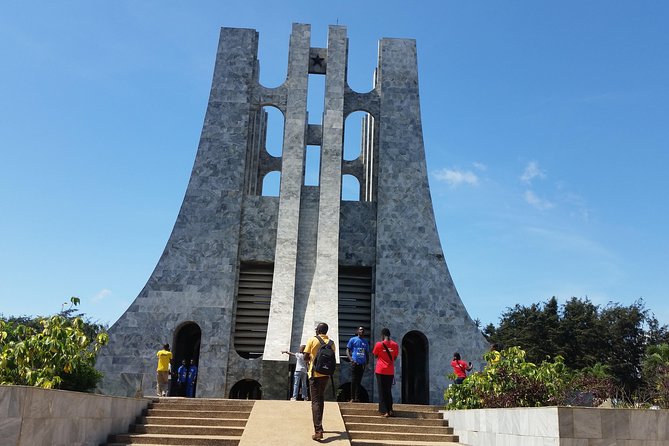
Day four is built around Kumasi, the historic center of the Ashanti Kingdom. The morning includes the National Cultural Center, described as one of Ghana’s best museums. This is where the trip’s craft visits and royal sites gain useful context.
You then visit Manhyia Palace, the home of the Ashanti King. The palace museum helps connect Kumasi’s modern city life with the authority and traditions of the Ashanti royal court. The itinerary also includes the Komfo Anokye Sword, an important symbol linked with Ashanti history.
The schedule gives you about eight hours for the day, which is more manageable than day three. Still, the number of major stops means the time at each site may be limited. If you prefer long museum visits, tell the guide early so you can discuss priorities.
Kejetia market is another major stop. It is described as West Africa’s largest outdoor market, and its scale is part of the experience. You may find clothing, household goods, food, crafts, and many other everyday items, though the precise stalls and products will vary.
Markets are not passive sightseeing. You need to watch your belongings, stay aware of your meeting point, and allow for noise and crowds. Your private guide should make the visit easier, especially if you want help with directions or buying something.
You return to the same central Kumasi hotel for a second night. That is a small but important convenience. You avoid packing again and can recover after the previous day’s long drive.
More things to do in Accra:
- The Cape Coast Day Tour
★ 5.0 · 525 reviews - The Cape Coast Tour
★ 5.0 · 177 reviews - From Accra: Cape Coast, Elmina Castle & Kakum Park Day Tour
★ 4.6 · 144 reviews - Accra Detailed City Tour
★ 4.5 · 118 reviews
Assin Manso and the Difficult History of Elmina
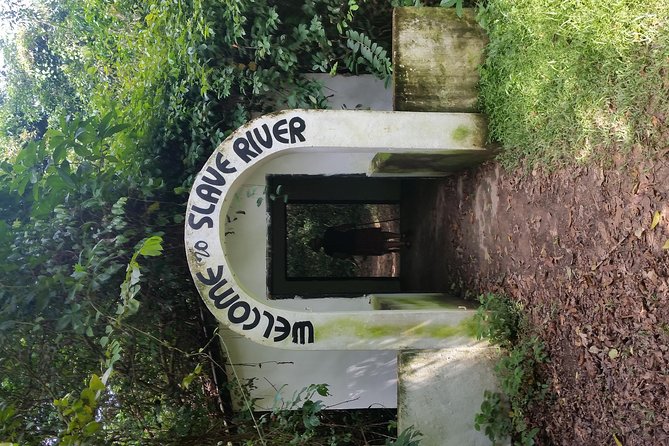
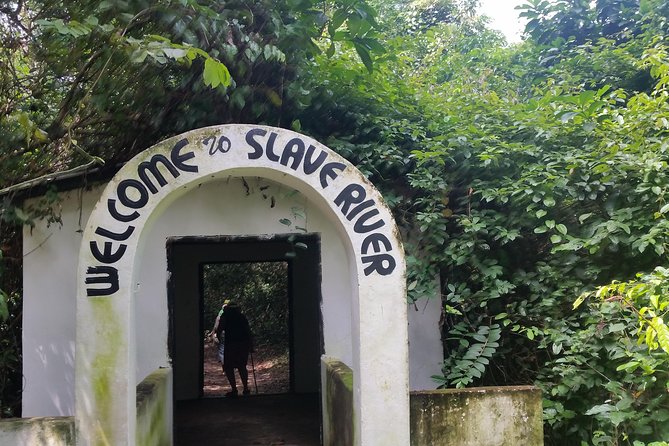
Day five follows the Slave Route toward the coast. The first listed stop is the Slave River at Assin Manso, a place connected to the movement of enslaved people before they were taken to coastal forts and castles.
This part of the tour asks for a respectful frame of mind. The subject is painful, and the sites are not simply scenic attractions. A private guide can be especially valuable here because you can ask questions quietly and spend more time on points that matter to you.
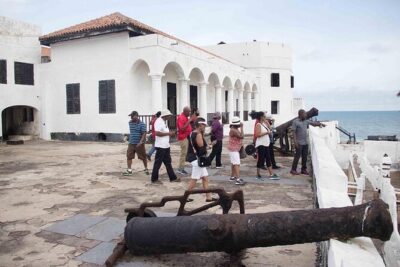
The central visit is Elmina Castle, the oldest European structure in Africa according to the tour details. The castle is a UNESCO World Heritage site and one of Ghana’s most important historical places. Its location beside the water can look striking, but the story attached to it is grim. You will learn about the castle’s role in the Atlantic slave trade and the conditions endured by enslaved people held there.
The visit can be emotionally heavy. That is not a reason to skip it, but it is worth knowing before you arrive. Give yourself time afterward rather than planning a carefree afternoon immediately after the castle.
The day continues in central Elmina with the Posuban Shrines, Fort San Jago, and a fishing lagoon. These stops broaden the picture beyond the castle. Posuban shrines reflect local religious and community traditions, while Fort San Jago adds another layer to Elmina’s military and colonial past.
You spend the night at a mid-range beach resort. After roughly ten hours of touring, the coastal setting should provide a welcome change of pace. The price includes the accommodation, but not meals or drinks, so check whether the resort has convenient dining options.
Kakum’s Canopy Walkway and the Return to Accra
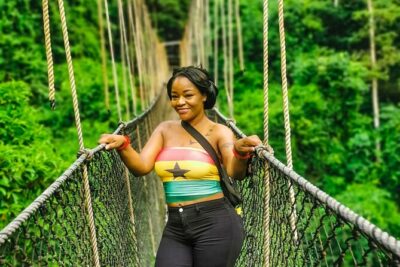
The final day begins at Kakum National Park. Its main attraction here is the rainforest canopy walkway, described as the highest in West Africa. The walkway takes you above the forest floor and offers a view of the upper part of the forest rather than a ground-level trail alone.
You should be comfortable with height and uneven outdoor conditions before booking this stop. The supplied details do not state the walkway’s length, exact height, or accessibility arrangements, so ask the operator if those points matter to you.
Kakum is a strong choice for this itinerary because it balances the historical sites with a natural setting. After several days of museums, markets, workshops, and long drives, the forest offers a different kind of experience.
The day also includes Hans Botel, with crocodile ponds and a weaver bird community. These are short but distinctive stops. The itinerary does not promise a full wildlife safari, so think of Hans Botel as a compact nature visit, not a major animal-viewing expedition.
Afterward, you return to Accra, with drop-off at a location of your choice. The day is listed at about ten hours. If your flight leaves soon after the tour, confirm the timing carefully. The schedule includes a return to Accra but does not state a guaranteed airport drop-off time.
What the Private Format Adds
The private format is one of the best reasons to consider this trip. Only your group and your guide participate, so you avoid waiting for a large coach group and can ask questions without competing for attention.
The guide named in the supplied feedback is Emmanuel. He is repeatedly praised for punctuality, careful driving, patience, communication, and help with trip planning. One group also valued his assistance with visa concerns, although visa help is not listed as a formal inclusion, so you should not assume it is guaranteed.
The transport is an air-conditioned vehicle. That matters in Ghana, where several days involve long drives. It will not remove the fatigue of a twelve-hour day, but it should make the road portions more comfortable.
Private touring also gives you a chance to discuss the balance between shopping, museums, craft visits, and rest. The itinerary is fixed enough to cover the major regions, but the operator has shown willingness to tailor longer trips. Ask about flexibility before booking this six-day version.
Is $1,852.57 a Fair Price?
At $1,852.57 per person, this is not a budget tour. The value depends heavily on how many people are in your private group and what the accommodation quality turns out to be.
The price includes an air-conditioned vehicle, all fees and taxes, and accommodation for the full six days. Entrance costs are also described as included at the scheduled stops. Those inclusions remove several common add-on expenses and make budgeting easier.
Food and drinks are not included. You will need money for meals, beverages, and personal purchases at markets and craft workshops. The tour also does not list flights, visa costs, travel insurance, or any optional activity beyond the stated program, so confirm those costs separately.
I see the strongest value for a small group that wants a private driver-guide and a broad route through Ghana without arranging each transfer independently. Solo visitors or a couple may find the per-person cost harder to justify, while a group of four could spread the private vehicle cost more effectively.
Before paying, ask for the hotel names, the group-size limit, the vehicle details, and the exact entrance fees covered. Those answers will tell you more about the real value than the headline price alone.
Who Will Enjoy This Ghana Tour?
I would recommend this experience to you if you want one trip that combines culture, history, nature, and regional travel. It suits first-time visitors who want a planned route and do not want to arrange transport between Accra, Kumasi, the Volta area, and the coast.
It is also a good match for families or friends who value privacy. The private format lets you spend more time on the subjects that interest your group, though the long days may be tiring for young children or anyone who needs frequent rest.
You should think twice if your ideal holiday means slow mornings, long stays in each town, or daily free time. The schedule covers a great deal of ground. It also includes stairs, outdoor walking, market activity, and ten to twelve-hour days.
The guide’s reported strengths are worth emphasizing. Emmanuel is described as punctual, professional, caring, patient, and a careful driver. Those qualities matter when a trip depends on early departures and long road transfers.
Cancellation is simple but not especially generous at the last minute. You can receive a full refund if you cancel at least three full days before the local start time. Cancellations or changes made inside that window are not accepted for a refund.
Should You Book This Six-Day Ghana Tour?
Book it if you want a broad, private introduction to Ghana and are willing to trade slow travel for variety. In six days, you see royal Kumasi, coastal Elmina, the Volta River, craft villages, cocoa production, Kakum National Park, and Accra.
I would not book it without confirming the hotels and daily departure times. I would also ask how the guide handles meal stops, how much time is available at each craft workshop, and whether your group can adjust the balance between shopping and sightseeing.
For the right group, this is a strong route. It has real historical weight, useful cultural visits, comfortable transport, and a guide whose punctuality and care are central to the experience. Just bring patience for long drives, practical shoes for Akaa Falls and Kakum, and a separate budget for food and drinks.
FAQ
Is airport pickup included?
Yes. The tour begins with a morning meeting at Kotoka International Airport in Accra, followed by transport to your hotel in an air-conditioned vehicle.
How long is the tour?
The experience lasts approximately six days.
Is this a private tour?
Yes. Only your group and the guide participate.
Is accommodation included?
Yes. Accommodation is included for the duration of the tour. The schedule lists mid-range hotels in Osu and central Kumasi, a resort on the Volta River, and a beach resort near the coast.
Are meals and drinks included?
No. Meals and drinks are not included in the price.
What entrance fees are included?
The tour information states that all fees and taxes are included, and each listed stop includes an admission ticket.
How difficult is the Akaa Falls visit?
Reaching the bottom of Akaa Falls requires walking down 250 concrete steps. You must also climb back up, so the stop requires a reasonable level of fitness.
Where does the tour finish?
The final day returns to Accra, with drop-off at a location of your choice.
Just added in Accra
- Wli Waterfall And Tafi Monkey Sanctuary ( Volta Region)★ 5.0 · 1 review
- Traditional Beadmaking Workshop★ 5.0 · 1 review
- Private 9-Day Tour in Ghana★ 5.0 · 2 reviews
- Wli Waterfalls, Mount Afadjato & Tafi Atome Monkey Sanctuary★ 5.0 · 2 reviews
- Cape Coast and Elmina castle Day Trip★ 5.0 · 2 reviews
- Culinary for Social Change-Cooking Class★ 5.0 · 2 reviews
- Time with Nature★ 5.0 · 2 reviews
- Historical Day Tour to Cape Coast, Elmina and Kakum★ 5.0 · 3 reviews
Accra Tours, compared.
Experience the Beauty, History and the Culture Of Accra in a Day
Read our review →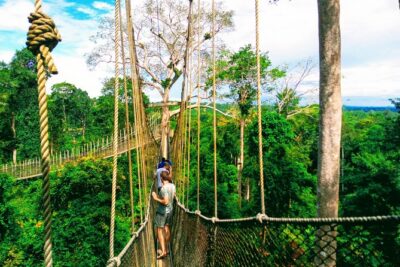
Cape Coast, Elmina Castle & Kakum Park Day Tour
Read our review →
Browse the lists this tour appears in