
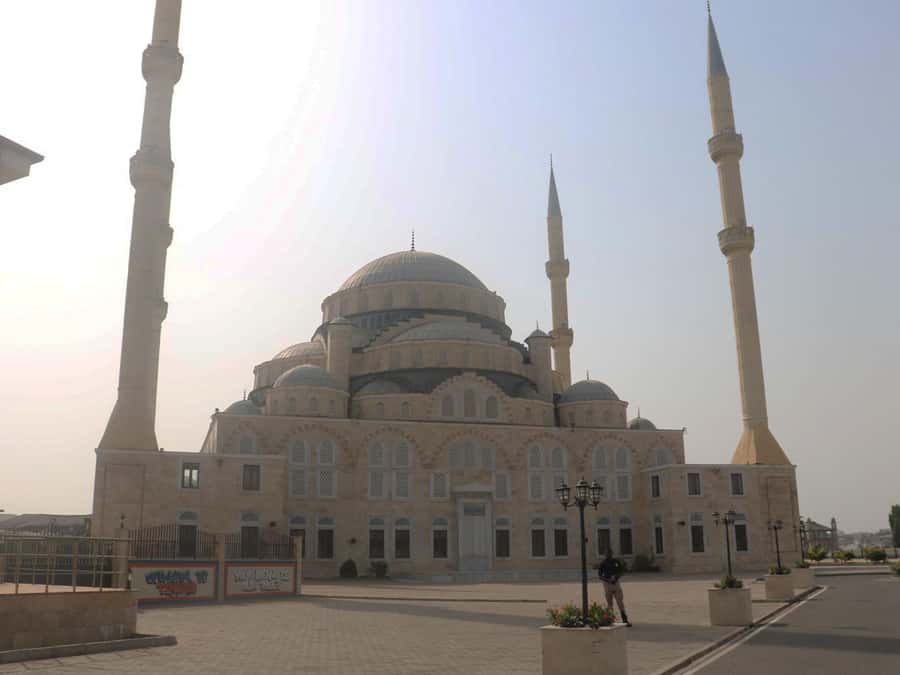
REVIEW · ACCRA TOURS
Accra Architectural Tour
Accra’s old buildings tell stories. This six-hour tour makes those stories easier to read, taking you from pre-colonial structures to Danish, Dutch, and English quarters, then onward to Ga-Mashie and the Accra International Art Centre. I like the mix of architecture and local history, and I also like having private transport for a city tour that includes several separate areas. The main consideration is value: at $130 per person, this is not a cheap walking tour, so you should care about history, buildings, and guided context to make the price worthwhile.
The experience is described as a three to four-hour walking tour within a six-hour outing, which likely allows time for driving, stops, and the final shopping visit. The guides receive strong praise for their friendly manner, with Abena, Princess, and driver Kwame singled out for making one solo visitor feel comfortable. Still, the small amount of public feedback means you should book for the planned route and subject, not expect a perfectly detailed architectural survey of every building.
In This Review
- Key points to know before booking
- Why Accra’s buildings are worth a full day
- Starting with Accra’s Danish, Dutch, and English quarters
- Reading the city through pre-colonial and post-colonial buildings
- Arriving in Ga-Mashie and Jamestown
- Finishing at the Accra International Art Centre
- How the six-hour format works for you
- What to bring for Accra’s streets
- Is $130 per person a fair price?
- Who will enjoy this Accra architecture tour?
- Should you book the Accra Architectural Tour?
- FAQ
- How long does the Accra Architectural Tour last?
- What neighborhoods does the tour visit?
- Is transportation included?
- What language options are available?
- Is the tour wheelchair accessible?
- What should I bring?
Key points to know before booking
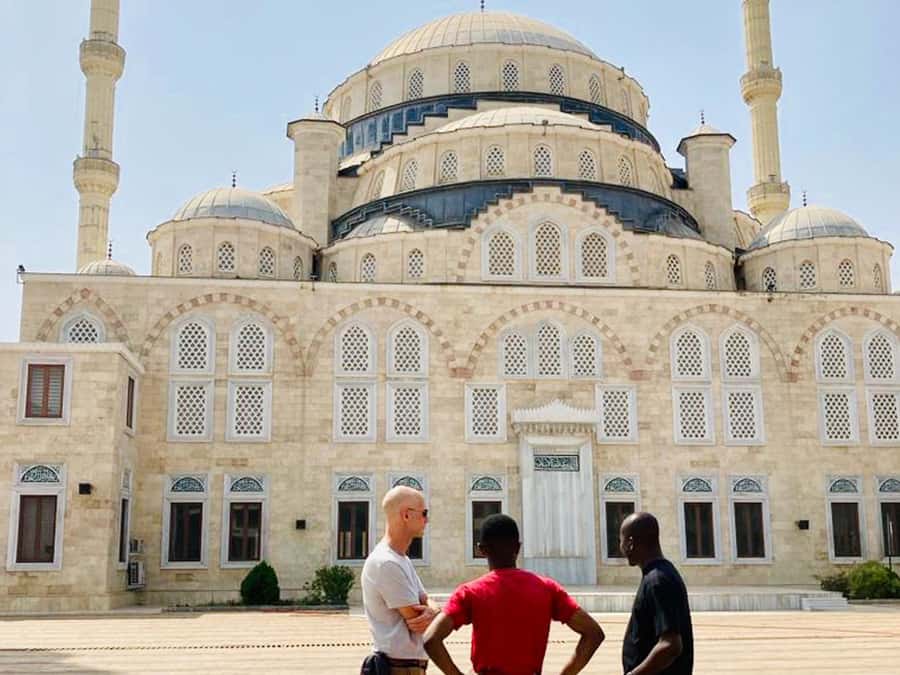
- Accra’s colonial quarters: See buildings connected with Danish, Dutch, and English influence, along with stories about elegant homes and large mansions.
- Jamestown and Ga-Mashie: The route reaches one of Accra’s oldest coastal neighborhoods, where architecture and everyday city life meet.
- Six hours with private transport: The walking portion lasts about three to four hours, with a private vehicle included.
- A guide-led history lesson: The value comes from explanations about pre-colonial and post-colonial buildings, not simply from looking at façades.
- Art shopping at the end: The Accra International Art Centre provides a final stop for souvenirs and locally made pieces.
- Practical comfort matters: Wear sports shoes, bring water and sun protection, and carry identification, medication, and a camera.
Why Accra’s buildings are worth a full day
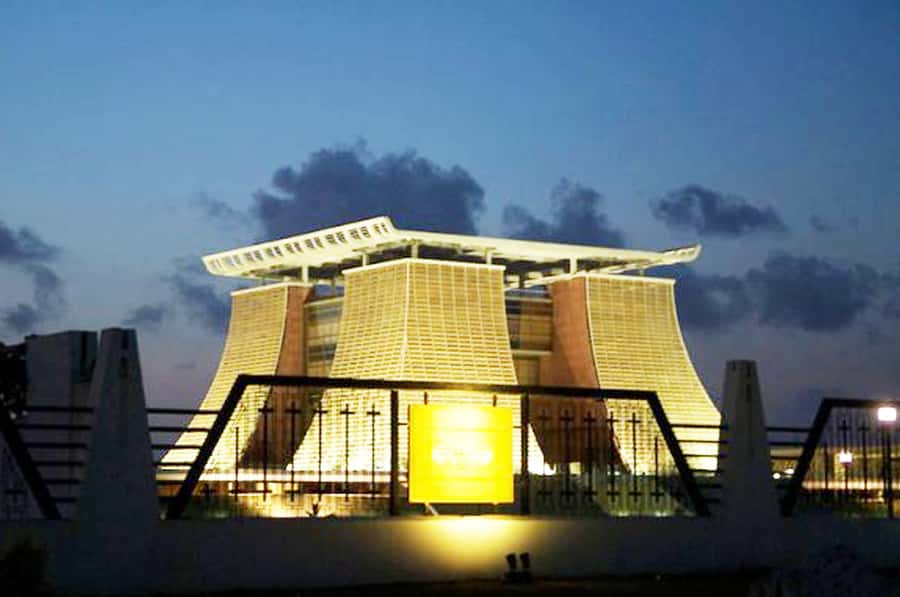
Accra can be easy to read as a modern capital if you only move between hotels, offices, and major roads. This tour offers a different approach. It treats the city’s buildings as records of contact, trade, colonial control, local adaptation, and continued urban life.
The appeal is not only the age of a structure. A building may show a European design, yet its place in Accra tells a wider story about the Ga communities who lived around it, the foreign powers that built trading posts, and the city that grew around those early districts. A guide is useful here because many architectural details are easy to miss without context.
You will see a range of pre-colonial and post-colonial buildings. Some have survived for hundreds of years, while others reflect later stages of Accra’s growth. The tour is therefore less about one grand monument and more about connections between streets, neighborhoods, and styles.
I like this kind of city tour for a first or second day in Accra. It can give you a framework for the capital before you spend time exploring markets, museums, restaurants, or the coast on your own.
More things to do in Accra:
- The Cape Coast Day Tour
★ 5.0 · 525 reviews - Experience the Beauty, History and the Culture Of Accra in a Day
★ 5.0 · 323 reviews - The Cape Coast Tour
★ 5.0 · 177 reviews
Starting with Accra’s Danish, Dutch, and English quarters
The central walking route focuses on the old neighborhoods shaped by Danish, Dutch, and English influence. These names are not just labels on a map. They point to different periods of foreign involvement and to the buildings that remain from those periods.
Your guide leads you through streets where older homes and imposing mansions still form part of the city. The descriptions mention elegant residences and large colonial-era houses, so expect the interest to come from seeing these structures in their setting rather than entering every one of them.
That distinction matters. This is primarily an exterior architecture and neighborhood tour. The included entrance fees may apply to selected sites, but the supplied information does not promise access to every building along the route. I would approach it as a guided urban walk, with occasional formal visits, rather than a series of museum interiors.
The Danish, Dutch, and English sections should be especially useful if you want to understand how Accra developed as a coastal trading center. The guide can connect styles and construction to the people and institutions that shaped the city. You are not simply checking off old buildings. You are learning why these neighborhoods look different from newer parts of the capital.
Bring a camera, but keep your attention on the explanations. Architectural details can be small: a doorway, a roofline, a balcony, or the proportions of a house. A photograph is a good reminder, but it will not replace the story that makes the building worth remembering.
Reading the city through pre-colonial and post-colonial buildings
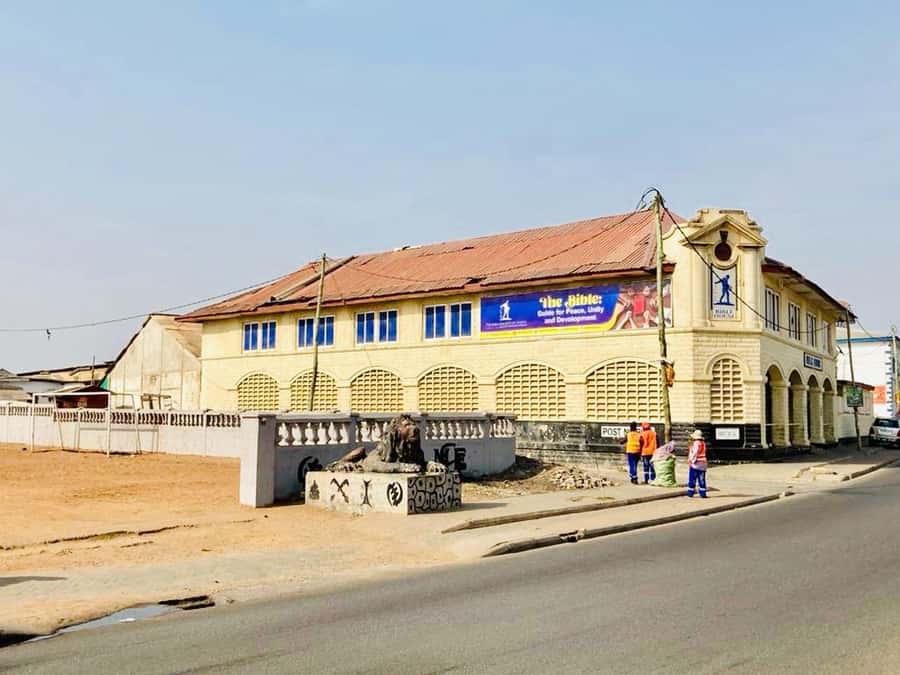
One of the best features of the tour is its broad time span. You are not limited to colonial buildings, and the route is not presented as if Accra began with European arrival.
The pre-colonial material gives the city an older foundation. The post-colonial buildings show that Accra continued to change after foreign rule. Putting these periods together helps you see the city as a living capital rather than an outdoor display of colonial architecture.
This balance is important. A tour focused only on European buildings can leave you with a narrow picture of Ghana. The promise here is wider, covering local heritage as well as European influence. Your guide’s interpretation will make a major difference, since the same street can look like a collection of worn façades or a record of Accra’s political and social changes.
Past participants praised the guides for explaining Ghanaian culture and history in a friendly, accessible way. That is a strong reason to choose this experience instead of walking the route alone. You may see some of the same streets independently, but you are less likely to understand how the parts fit together.
The route is also a good choice for visitors who prefer people and place over a long list of dates. The available feedback describes the guides as welcoming and easy to talk with. One solo visitor said the team, including Abena and Princess, helped her feel at ease, while driver Kwame added useful conversation during the day.
Arriving in Ga-Mashie and Jamestown
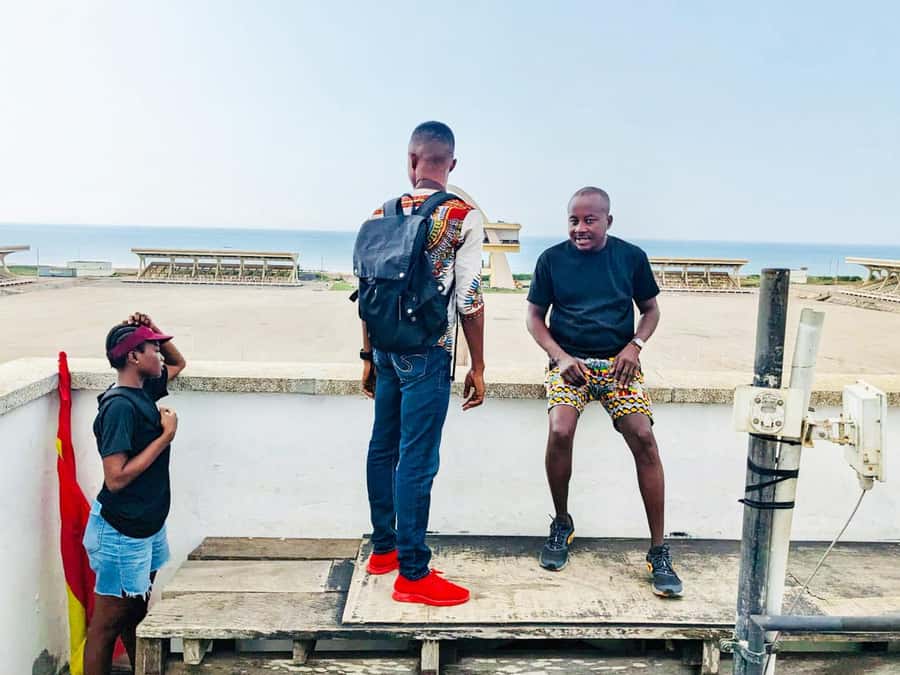
The visit to Ga-Mashie, in Jamestown, gives the tour a stronger local focus. After the sections connected with Danish, Dutch, and English influence, this neighborhood helps shift the emphasis back to Accra’s Ghanaian identity.
Jamestown is a historic coastal area, and on this tour it is part of the architectural story rather than a separate sightseeing add-on. You walk through the neighborhood with a guide who can explain the relationship between its streets, buildings, and heritage.
Do not expect a polished heritage district in the style of a restored European old town. The value lies in seeing a real neighborhood with layers of age and change. That can make the walk more revealing, but it can also make the experience less tidy and predictable. Wear proper sports shoes and comfortable clothes. Streets and walking conditions are not described in detail, so sensible footwear is the safest choice.
This is also a part of the tour where respectful behavior matters. Keep your camera ready, but ask before photographing people or private homes. Your guide is the best person to follow on local customs and appropriate conduct.
The supplied route description does not promise a specific landmark inside Jamestown, so I would avoid booking this tour for one famous photo stop. Choose it for the chance to see the neighborhood within a larger story about Accra.
A completely different kind of day:
- From Accra: Cape Coast, Elmina Castle & Kakum Park Day Tour
★ 4.6 · 144 reviews - Accra Detailed City Tour
★ 4.5 · 118 reviews - Accra Guided City Tour Experience
★ 4.7 · 88 reviews - Accra Guided City Tour Experience
★ 5.0 · 76 reviews
Finishing at the Accra International Art Centre
The final stop is the Accra International Art Centre, where you have time for souvenir shopping. This gives the day a practical finish. After walking through old districts and listening to history, you can look for a physical reminder of your time in Ghana.
The art centre is not just a convenient shop stop. It adds a different side of Accra to the itinerary, with local art and handmade goods providing a link between cultural history and present-day creativity. The supplied information does not specify which items are available or how much time you spend shopping, so keep your expectations flexible.
If you plan to buy something, take your time. Compare pieces, ask about what you are considering, and remember that a souvenir should fit easily into your luggage. The stop may be especially useful for visitors who have not yet had time to shop for Ghanaian art.
There is also a practical point here: the art centre may be the most relaxed part of the day, but it is still part of a guided itinerary. If shopping is your main goal, a dedicated market or art outing may give you more time. On this tour, the art centre works best as a concluding stop after the architectural walk.
How the six-hour format works for you

The advertised duration is six hours, while the walking tour itself is described as lasting three to four hours. That difference is useful to understand before you reserve. The full time likely includes pickup, driving between parts of the city, stops, and the art centre visit.
Private vehicle transport is included, which is a real advantage in Accra. You do not need to arrange separate rides between the walking areas, and you can avoid spending your sightseeing time working out local transport. It also gives you a place to rest between sections of the route.
The tour returns you to the pickup point at the end. The exact pickup location and starting time are not specified in the available details, so check those before booking. Starting times depend on availability.
An English-speaking guide is included, and live guiding is also listed in English and French. An audio guide is listed in English, French, and German. Since the experience is built around stories and interpretation, confirm the language arrangement you need when reserving.
Wheelchair access is listed as available. Because the walking route passes through historic city neighborhoods, I would still confirm the practical details of the route before you go if you use a wheelchair or have limited mobility. Accessibility on paper is helpful, but the specific streets and buildings matter.
What to bring for Accra’s streets
The packing list is sensible for a long day outside:
- Sports shoes for the walking sections
- Comfortable clothing
- Water
- Sunglasses, a hat, and sunscreen
- Personal medication
- A camera
- Passport or ID card
The sun protection is not an afterthought. You may spend several hours walking and waiting outdoors, so a hat and sunscreen can make the day much easier. Carry water rather than assuming you will find it exactly when needed.
Your passport or identification is listed among the required items. Keep it secure, along with medication and other essentials. The tour provider also lists wheelchair accessibility, but you should still communicate any needs in advance.
Is $130 per person a fair price?
At $130 per person, the tour is priced as a private, guide-led city experience rather than a basic group walk. Private vehicle transport, an English-speaking guide, and entrance fees are included. That makes the price easier to understand, especially if you value convenience and want a structured day.
The value depends on what you want from Accra. If you are mainly looking for attractive photographs or a quick introduction, the price may feel high. You can see streets and buildings without paying for a full-day tour.
I think the cost makes more sense for visitors who want interpretation, transport, and a carefully connected route. Accra’s architectural story is not always obvious from the outside. A good guide can turn separate buildings into a clear account of European influence, local heritage, and urban change.
The small pool of available ratings includes several very positive scores, with an overall rating of 3.9 out of 5. The strongest praise focuses on the team’s warmth, organization, and ability to explain Accra and Ghana. One lower score came from a person who could not take this architecture tour and instead joined a different food experience. That complaint does not assess the architectural route itself, but it is still a reason to keep your expectations tied to the itinerary you are booking.
Who will enjoy this Accra architecture tour?
I would recommend it most strongly to:
- First-time visitors who want historical context before exploring alone
- Architecture fans who enjoy older homes, mansions, and urban details
- Solo visitors who prefer a guided day with private transport
- People interested in Ghanaian heritage as well as European influence
- Visitors who want art shopping included without giving up a history-focused route
It may be less suitable if you dislike walking, want a fast list of major attractions, or expect every stop to be a fully restored monument. The route is about neighborhoods and surviving buildings, so some parts may feel rough around the edges.
The friendly team is another positive. Kormi’s team was praised for being welcoming, and the specific mention of Abena, Princess, and Kwame gives you a useful sense of the human side of the experience. Guide quality can vary on any tour, but the available feedback suggests that hospitality is one of this provider’s strengths.
Should you book the Accra Architectural Tour?
Book it if you want Accra explained through its streets, old buildings, and neighborhoods rather than reduced to a few famous sights. The combination of private transport, a three to four-hour walking route, Jamestown, and the Accra International Art Centre gives you a well-rounded introduction to the capital.
I would skip it if $130 feels too high for a guided walk or if you want a tightly timed museum-style tour with guaranteed interior access at every stop. Before paying, confirm the pickup point, start time, language, and exactly which entrances are included.
For the right visitor, this is a useful first look at Accra, especially when the guide brings the buildings to life with local context. Pack water, wear good shoes, and allow the city’s older streets time to speak.
FAQ
How long does the Accra Architectural Tour last?
The full experience lasts six hours. The walking portion is described as approximately three to four hours, with the remaining time allowing for transportation and other stops.
What neighborhoods does the tour visit?
The route includes Accra’s Danish, Dutch, and English neighborhoods, as well as the Ga-Mashie neighborhood of Jamestown.
Is transportation included?
Yes. Transportation in a private vehicle is included, and the tour returns you to the pickup point at the end.
What language options are available?
Live guiding is listed in English and French. An audio guide is listed in English, French, and German.
Is the tour wheelchair accessible?
Yes, the experience is listed as wheelchair accessible. It is sensible to confirm the route details in advance if you have specific mobility requirements.
What should I bring?
Bring sports shoes, comfortable clothes, water, sunglasses, a hat, sunscreen, personal medication, a camera, and a passport or ID card.
Just added in Accra
- Wli Waterfall And Tafi Monkey Sanctuary ( Volta Region)★ 5.0 · 1 review
- Traditional Beadmaking Workshop★ 5.0 · 1 review
- Private 9-Day Tour in Ghana★ 5.0 · 2 reviews
- Wli Waterfalls, Mount Afadjato & Tafi Atome Monkey Sanctuary★ 5.0 · 2 reviews
- Cape Coast and Elmina castle Day Trip★ 5.0 · 2 reviews
- Culinary for Social Change-Cooking Class★ 5.0 · 2 reviews
- Time with Nature★ 5.0 · 2 reviews
- Historical Day Tour to Cape Coast, Elmina and Kakum★ 5.0 · 3 reviews
Accra Tours, compared.


Experience the Beauty, History and the Culture Of Accra in a Day
Read our review →

Cape Coast, Elmina Castle & Kakum Park Day Tour
Read our review →

Browse the lists this tour appears in