
REVIEW · ACCRA TOURS
Accra: City Highlights Half-day Guided Tour with Transfers
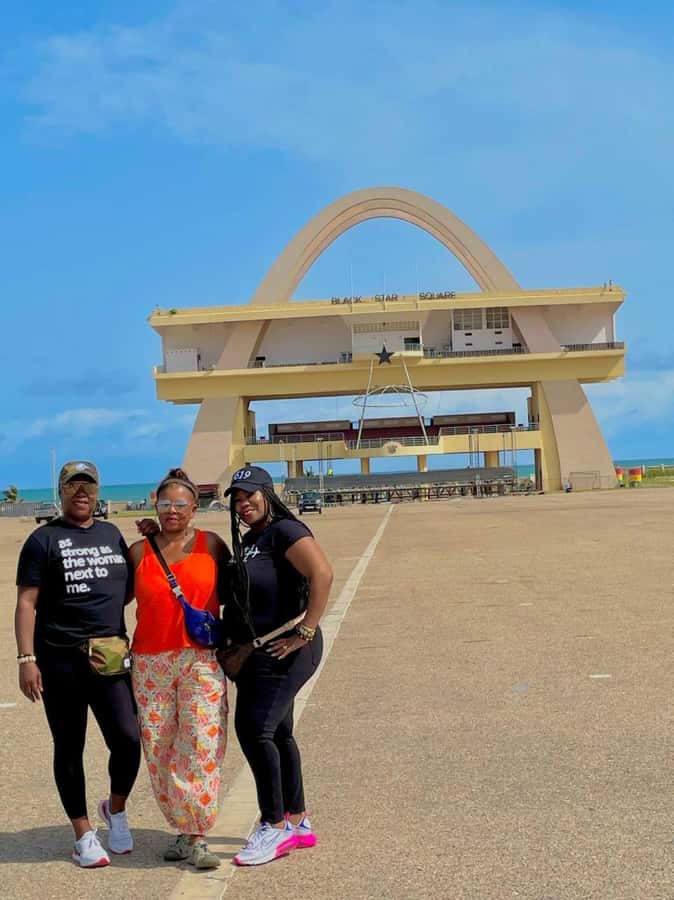
Accra tells Ghana’s story in bold places. This five-hour city tour links the W.E.B. Du Bois Centre, Kwame Nkrumah Memorial Park, Black Star Square, and a Ghanaian craft market, giving you a useful first look at the capital without arranging several separate visits.
I like the way the tour connects Ghana’s independence with the wider Pan-African movement. I also like that transport, admission fees, fuel, guide support, and hotel transfers are included in the $100 price. The main thing to consider is the craft market, where persistent sellers can make browsing feel more like shopping duty than free time.
If you want a short introduction to Accra’s political history and cultural souvenirs, this is a sensible option. You should not expect a slow, highly detailed museum tour at every stop, though. One recent booking found the guide offered more information in response to questions than through long explanations, so curious visitors will get more from the day by asking as they go.
In This Review
- Key Points Before You Book
- What the Five-Hour Schedule Does Well
- Kwame Nkrumah Memorial Park: Where Independence Was Declared
- W.E.B. Du Bois Centre and the Pan-African Connection
- Black Star Square and Ghana’s National Symbols
- Ghanaian Arts and Crafts: Good Shopping With a Firm Sales Pitch
- Is the $100 Price Fair?
- How Much Guide Support Should You Expect?
- Who Will Enjoy This Accra Tour Most?
- Should You Book the Accra City Highlights Tour?
- FAQ
- How long does the Accra City Highlights tour last?
- What places are included?
- Is hotel transportation included?
- Are entrance fees included?
- Is a meal included?
- What language is the tour conducted in?
- Is the tour wheelchair accessible?
- Can I cancel for a full refund?
- Can I reserve the tour and pay later?
Key Points Before You Book
- Ghana’s independence story begins at Kwame Nkrumah Memorial Park, built around the place where Nkrumah declared independence.
- The W.E.B. Du Bois Centre adds an international Pan-African viewpoint, with a library, museum, mausoleum, and research center.
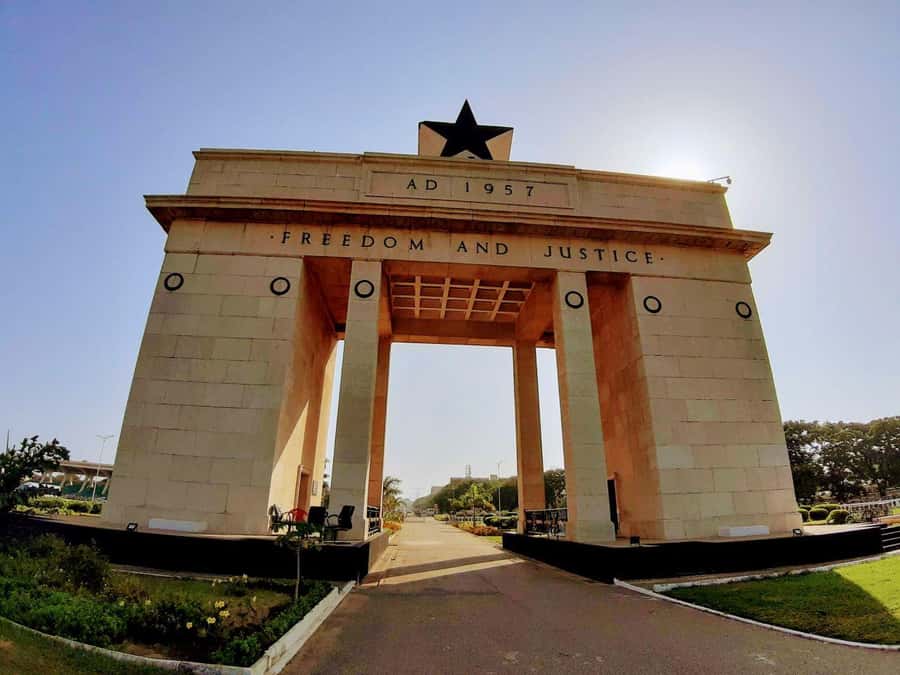
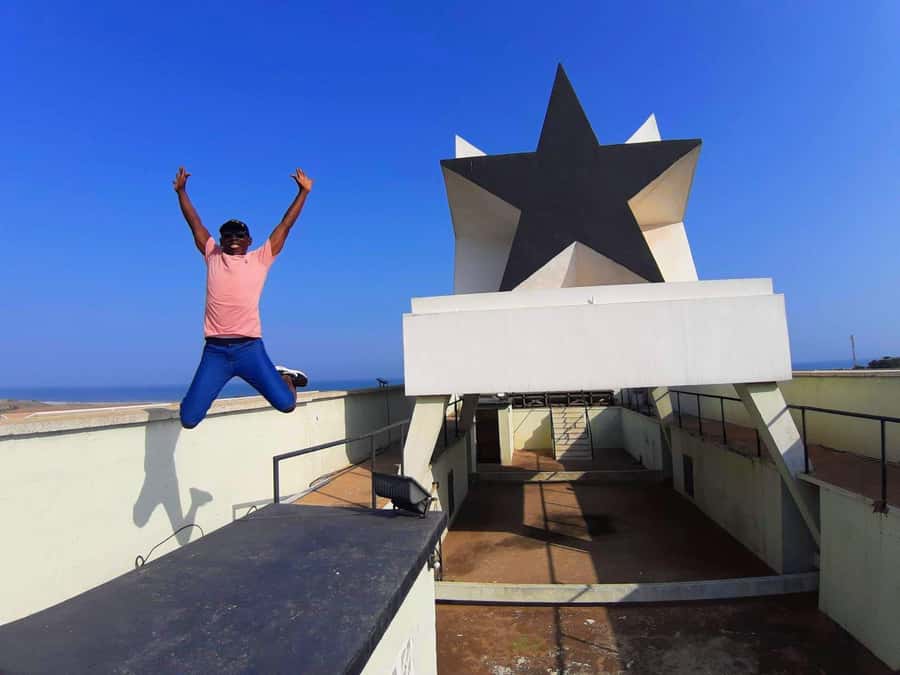
- Black Star Square is a major civic space, marked by the Independence Arch, Flame of Liberation, and Black Star Monument.
- The craft market is useful for Ghanaian souvenirs, including kente cloth, beads, carvings, and accessories, but bargaining and sales pressure are part of the visit.
- The $100 rate covers the basics that often add up, including vehicle costs, entry tickets, and hotel pickup and drop-off.
- The English-speaking guide format suits first-time visitors, especially if you want a simple introduction rather than a full-day history program.
What the Five-Hour Schedule Does Well
A half-day is a good match for Accra if you have limited time, a flight later in the day, or other plans waiting. You get a guided route through several important sites instead of spending your short stay working out transport, opening arrangements, and entry fees.
The experience is built around Ghanaian culture and political history rather than sightseeing from a vehicle alone. That matters because Accra’s key landmarks are spread across the city, and the meaning of each place becomes clearer when you connect them.
You will be collected from your hotel and returned there at the end. Transportation and fuel charges are included, as are the entrance fees and activities listed for the outing. Meals and accommodation are not included, and international airfare is outside the price, as you would expect from a local city tour.
The exact starting time depends on availability. Since the tour lasts five hours, check the departure time carefully if you have a flight, cruise connection, or fixed dinner booking. A driver was described as punctual and pleasant on one booking, while another guide arrived a little late. Neither point changes the basic value, but it is wise to keep a small buffer in your schedule.
More private drivers in Accra:
- Private Airport Transfer to from ACC Kotoka by Business Car
★ 5.0 · 4 reviews - Airport & City Transfers
★ 5.0 · 1 review
Kwame Nkrumah Memorial Park: Where Independence Was Declared
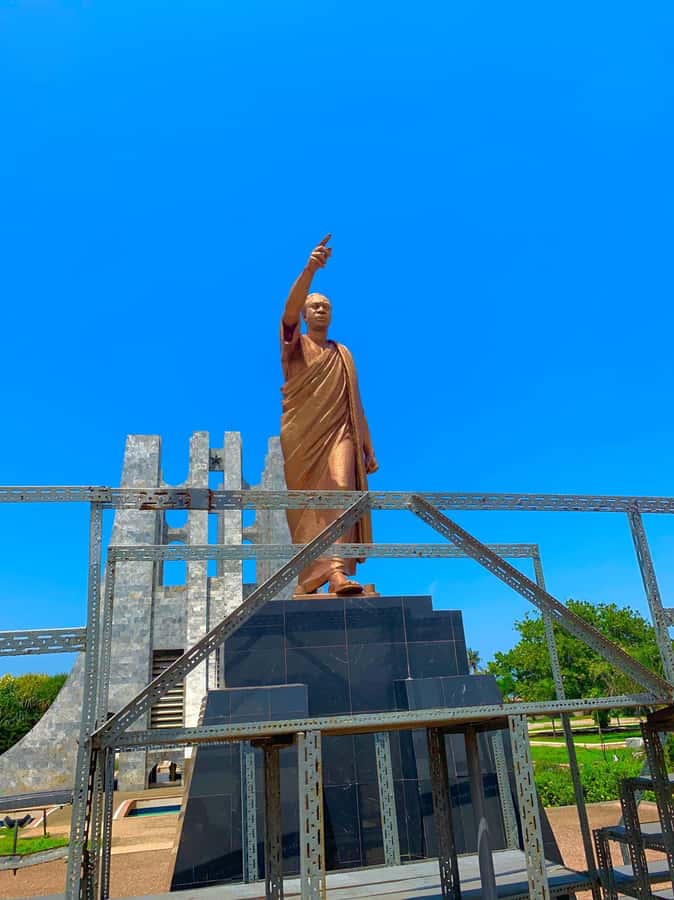
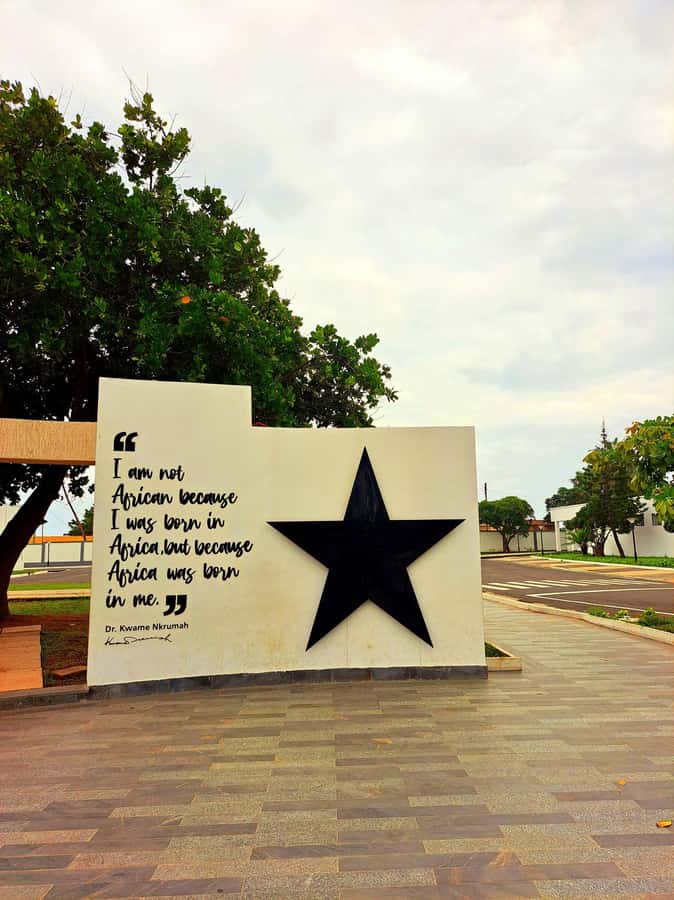
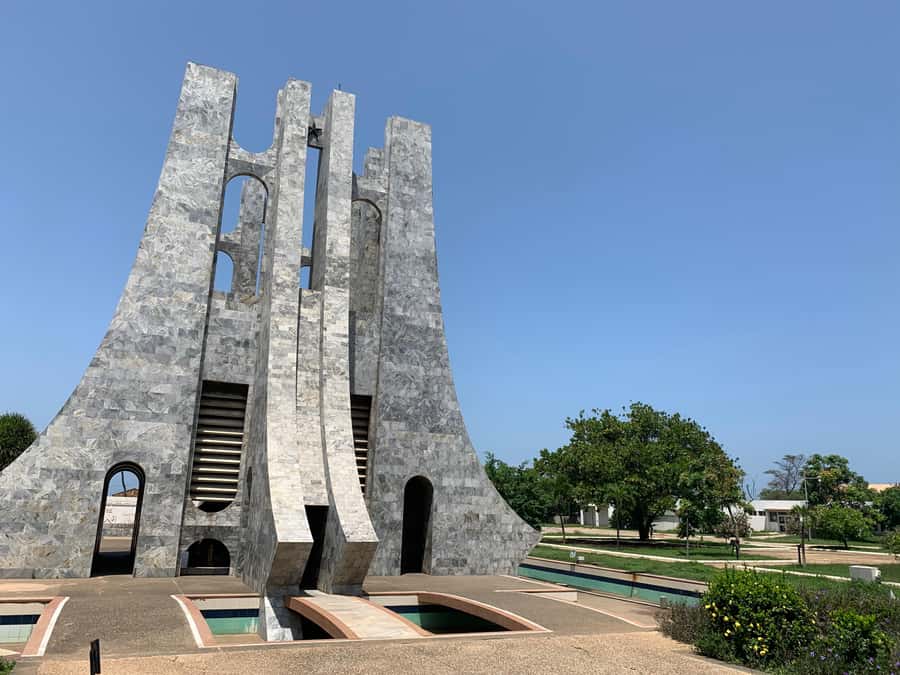
The Kwame Nkrumah Museum and Memorial Park is the tour’s clearest starting point for understanding modern Ghana. The site marks the place where Kwame Nkrumah declared the country independent from British colonial rule.
Nkrumah was Ghana’s first president and a leading figure in African liberation. The park is also his final resting place, giving the visit a personal side beyond the usual national monument treatment.
Inside the museum, you can see personal belongings, publications, photographs, and material from different periods of Nkrumah’s life. The displays also show him with well-known international figures, helping you place Ghana’s independence within the wider political world of the twentieth century.
I find this stop especially useful for first-time visitors because it gives you names and events that will echo through the rest of the tour. The guide can explain who Nkrumah was, why the former Gold Coast mattered, and how Ghana’s independence became a reference point for other African nations.
The park is not simply a collection of objects. It is also a symbolic location. Nkrumah’s declaration took place here, so you are standing in a place tied directly to the country’s break from colonial rule.
Allow yourself time to look beyond the main photo opportunities. Ask about Nkrumah’s publications, his political aims, and the people shown in the photographs. The tour may not provide a long lecture unless you ask questions, so an engaged approach will make this stop much more rewarding.
W.E.B. Du Bois Centre and the Pan-African Connection
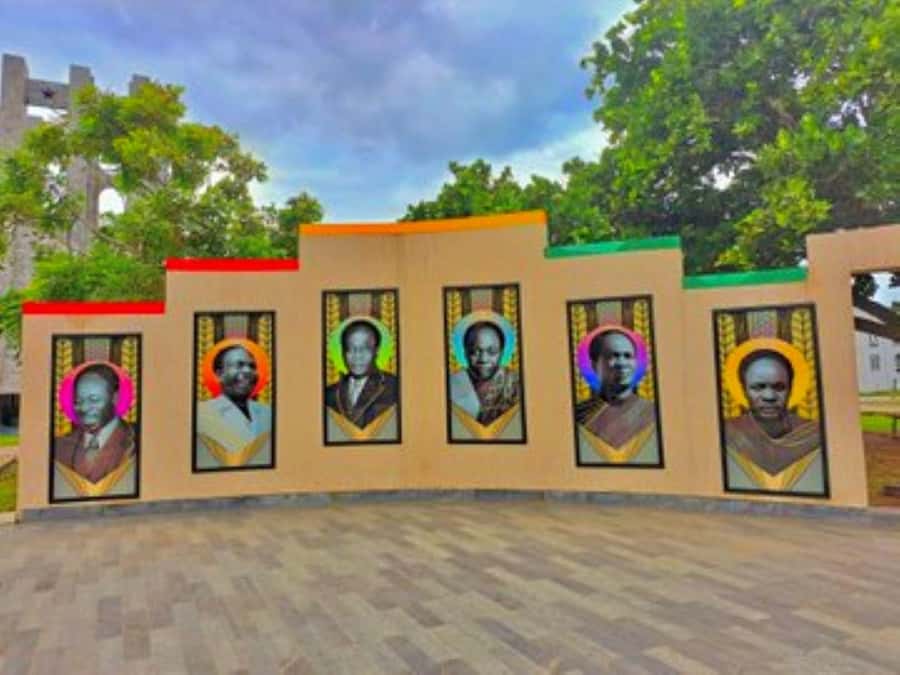
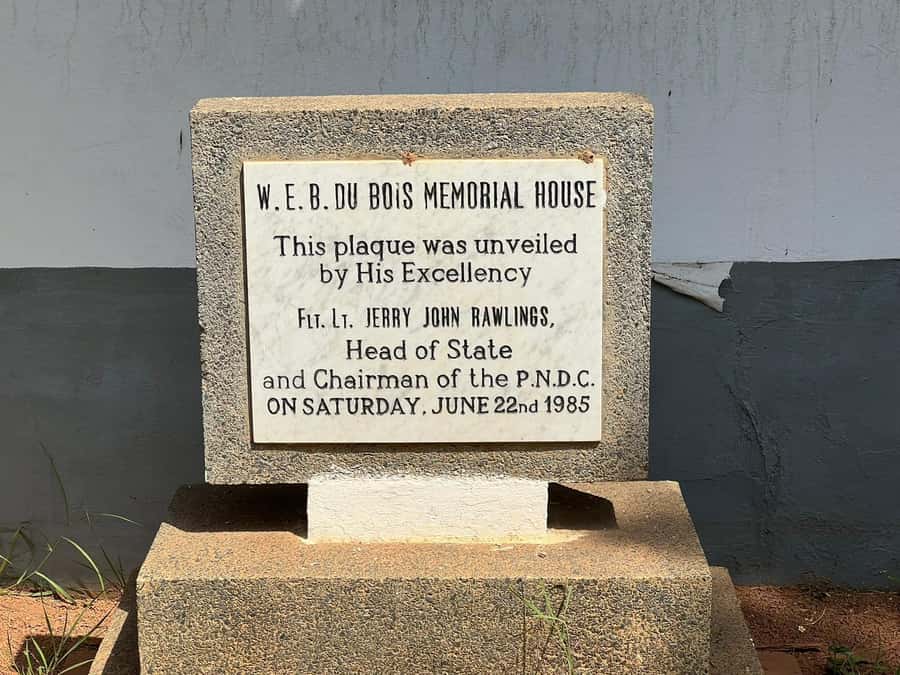
The W.E.B. Du Bois Centre shifts the focus from Ghana’s national independence to the larger Pan-African cause. William Edward Burghardt Du Bois was an African American civil rights activist and a major intellectual associated with Pan-Africanism.
Du Bois lived at the center with his wife. The property now includes his personal library, a museum, a mausoleum where he and his wife were buried, and a research center dedicated to African history and culture.
This stop gives the day a wider frame. Nkrumah’s story is about Ghana leading the way to independence, while Du Bois represents a movement that connected people of African descent across national borders. Together, the two places show that Accra was not only focused on its own political future. It was also part of a global conversation about African identity, colonialism, and civil rights.
The library and museum give the site an intimate quality. You are not only looking at a grand national symbol. You are also seeing the home and working world connected to one important thinker.
If you care about history, politics, literature, or civil rights, this may be the most rewarding stop. If your interests are mainly markets and architecture, it may feel quieter and more academic than the other parts of the route. That is not a flaw, but you should know the visit is built around ideas and personal history rather than entertainment.
Ask the guide to explain Du Bois’s relationship with Ghana and Nkrumah. The supplied tour details identify the center as a place for Pan-African research, but your experience will depend partly on how much context the guide provides. The guide named Gian was described as friendly, prepared, and helpful, which would suit this stop well.
Black Star Square and Ghana’s National Symbols
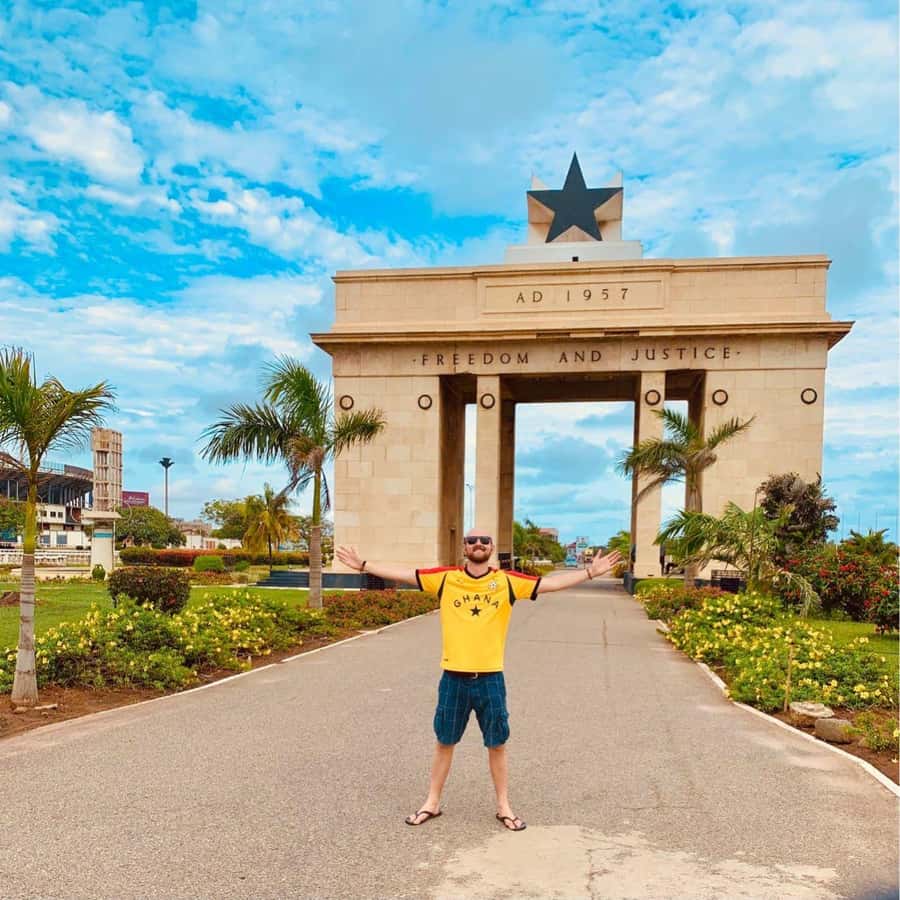
Black Star Square, also called Independence Square, is a huge public gathering place that helps you understand the scale of Ghana’s national ceremonies. The surrounding stands can hold about 30,000 people, so the space was designed for public events rather than quiet reflection.
Dr. Kwame Nkrumah built the square to mark independence and promote national unity and self-reliance. It was commissioned during Queen Elizabeth II’s visit to Ghana in 1961, adding another layer to the site’s story. The square has since hosted major national and commercial events.
Three features are central here: the Independence Arch, the Flame of Liberation, and the Black Star Monument. Each points back to the country’s independence and its place in the wider African struggle for self-rule.
The square is easy to appreciate even if you are not a history specialist. Its size makes the political message plain. This is a place meant to be seen, remembered, and used by the public.
It can also feel more open and ceremonial than intimate. Do not expect a museum-style display explaining every object. The value comes from the setting, the scale, and the guide’s explanation of what the symbols mean.
Take a moment to look across the full space before focusing on individual monuments. The broad view helps you understand why the square was built here and how it functions as a national meeting ground.
More city tours in Accra:
- Accra Detailed City Tour
★ 4.5 · 118 reviews - Accra Guided City Tour Experience
★ 4.7 · 88 reviews - Accra Guided City Tour Experience
★ 5.0 · 76 reviews - Know Ghana in 4 hrs – Accra City Tour
★ 4.5 · 47 reviews
Ghanaian Arts and Crafts: Good Shopping With a Firm Sales Pitch
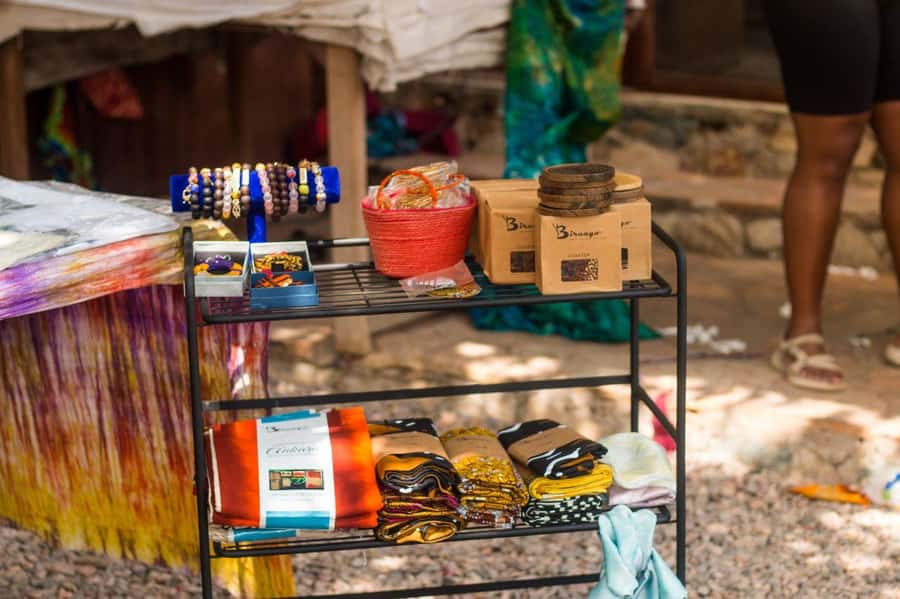
The final stop is the Arts and Craft Market, a collection of stalls selling items connected to Ghanaian culture. You might find kente cloth, beads, wood carvings, jewelry, accessories, and other souvenirs.
This is the most hands-on part of the outing. You can move from stall to stall, compare similar items, and decide whether you want to take something home. The market can be a good place to buy a physical reminder of Ghana, especially if you want textiles, small gifts, or handmade decorative pieces.
It is also the part of the tour that needs the clearest expectations. Vendors are eager to sell, and several stalls may offer similar goods. You may hear repeated invitations to look, buy, or choose one particular item. If you only want to browse, tell your guide and the sellers early.
One recent booking found the market annoying because the focus stayed on buying after the visitor had said they only wanted to look. Another found it excellent for shopping. Both reactions make sense. The market works best if you arrive with a clear plan and accept that sales pressure is part of the setting.
Before you go, decide what kind of souvenir interests you. A rough spending limit helps. Compare prices at more than one stall, and ask about the material, size, and care of anything you are considering. Since the same type of item can appear at several stalls, you do not need to buy from the first seller who approaches you.
If you enjoy browsing, bargaining, and handling goods before buying, this can be a lively finish. If you dislike firm selling, ask the guide to give you space or keep the market visit short.
Is the $100 Price Fair?
At $100 per person, this is not the cheapest way to see Accra, but the price includes several costs that are easy to overlook. You receive hotel pickup and drop-off, transportation, fuel, guide support, entrance fees, and the activities listed in the schedule.
That package can make sense if you are staying outside the central sightseeing area or do not want to arrange separate taxis and tickets. It is also useful if you value having a planned route and someone to connect the sites.
The value is less clear if you already have local transport, prefer to visit only one museum, or want long periods at each stop. Five hours must cover four main locations, transfers, and the market, so the tour gives you breadth more than extended time at one place.
Meals are not included. If a lunch stop is offered during your day, ask what food is available before you count on eating there. A recent account found a restaurant serving only Western food, so anyone hoping for Ghanaian dishes should make a separate plan.
The strongest value comes from the included logistics and the range of subjects. You get independence history, Pan-African history, public monuments, and local crafts in one compact outing.
How Much Guide Support Should You Expect?
The tour is conducted in English with live guide support. That is helpful at sites where the physical features alone do not explain the politics behind them.
Still, guide style may vary. One account described a guide who gave limited information unless asked a question, while another praised Gian for being friendly, prepared, and available. This suggests you should take an active role rather than simply follow along silently.
Prepare a few questions before pickup:
- How did Nkrumah influence other African independence movements?
- What was Du Bois’s connection to Ghana?
- What do the Flame of Liberation and Black Star Monument represent?
- Which craft materials are traditional, and how should they be cared for?
Those questions can turn a basic sightseeing route into a more useful history lesson. A good guide can also help you understand the difference between a national memorial, a research center, and a commercial craft market.
Who Will Enjoy This Accra Tour Most?
This outing suits you if you are visiting Accra for the first time and want a quick orientation. It is also a good fit for solo visitors, since one solo participant found the experience worthwhile, and the hotel transfers reduce the need to arrange your own route.
History-minded visitors will get the most from the museums and memorials. The tour is particularly useful if Ghana’s independence, African liberation, civil rights, or Pan-Africanism are central to your interests.
It can also work well for people who want to combine sightseeing with shopping. The craft market gives you a chance to take home cloth, beads, carvings, or accessories after the more formal historical stops.
You may want another option if you prefer a relaxed day with long museum visits, a food-centered experience, or no sales interaction. The half-day format is practical, but it is not designed for lingering at every location.
The tour is wheelchair accessible, which adds useful flexibility for people who need an accessible format. Since the full route includes several different venues, you should still confirm any specific mobility needs when booking.
Should You Book the Accra City Highlights Tour?
Book it if you want a compact, organized introduction to Accra with transport and admission fees handled for you. The strongest part is the route itself: Nkrumah’s independence story, Du Bois’s Pan-African connection, Black Star Square’s public symbolism, and a final look at Ghanaian crafts.
Go in ready to ask questions. That is the best way to get more from the museums, especially if your guide keeps explanations brief unless invited to expand. Keep your craft market expectations realistic, and remember that meals are not included.
At $100, I see this as a convenience purchase rather than a bargain tour. For a first day in Accra, a solo visit, or a short stay, that convenience may be worth it. If you already know the city or want a slower, more personal experience, you may prefer arranging individual visits instead.
Free cancellation is available up to 24 hours before the experience, and you can reserve now while paying later. Those terms make it easier to hold a place while you settle your Accra plans.
FAQ
How long does the Accra City Highlights tour last?
The tour lasts five hours.
What places are included?
The route includes the W.E.B. Du Bois Centre, Kwame Nkrumah Museum and Memorial Park, the Arts and Craft Market, and Black Star Square, also called Independence Square.
Is hotel transportation included?
Yes. Hotel pickup and drop-off are included, along with transportation and the fuel charge.
Are entrance fees included?
Yes. Entrance fees and the cost of the activities listed in the schedule are included.
Is a meal included?
No. Meals are not included in the tour price.
What language is the tour conducted in?
The live tour guide and tour support are provided in English.
Is the tour wheelchair accessible?
Yes. The activity is listed as wheelchair accessible.
Can I cancel for a full refund?
Yes. You can cancel up to 24 hours in advance for a full refund.
Can I reserve the tour and pay later?
Yes. The reserve now and pay later option allows you to book your spot without paying at the time of reservation.
Just added in Accra
- Wli Waterfall And Tafi Monkey Sanctuary ( Volta Region)★ 5.0 · 1 review
- Traditional Beadmaking Workshop★ 5.0 · 1 review
- Private 9-Day Tour in Ghana★ 5.0 · 2 reviews
- Wli Waterfalls, Mount Afadjato & Tafi Atome Monkey Sanctuary★ 5.0 · 2 reviews
- Cape Coast and Elmina castle Day Trip★ 5.0 · 2 reviews
- Culinary for Social Change-Cooking Class★ 5.0 · 2 reviews
- Time with Nature★ 5.0 · 2 reviews
- Historical Day Tour to Cape Coast, Elmina and Kakum★ 5.0 · 3 reviews
Accra Tours, compared.

Experience the Beauty, History and the Culture Of Accra in a Day
Read our review →

Cape Coast, Elmina Castle & Kakum Park Day Tour
Read our review →
Browse the lists this tour appears in