
REVIEW · ACCRA TOURS
African custom clothing making experience with fabric tour
Make your own Ghanaian clothing. This six-hour Accra experience combines a guided fabric visit at Makola Market with hands-on tailoring, so you do more than buy a souvenir. I like the chance to learn what Ghanaian fabric symbols mean, and I like that the finished shirt, dress, or caftan is made to your measurements. The main point to consider is time: sewing is taught in part, but an assistant completes the garment while you enjoy snacks.
The fabric shopping is the cultural heart of the outing. You can choose from about a hundred African prints, then see your choice become something wearable. At $240 per person, this is not a cheap market visit, but the price covers transport, fabric, equipment, instruction, refreshments, and the custom garment. That makes the value better if you want both an activity and a useful piece of clothing.
In This Review
- Key points at a glance
- Why this Accra clothing experience is different
- Starting at Makola Market in central Accra
- Choosing a print with meaning
- Taking measurements and shaping the garment
- Learning basic stitching without pressure
- Snacks, drinks, and the final fitting
- What the $240 price really covers
- Who will enjoy it most
- Timing, transport, and small planning points
- My call: book it for the garment and the story
- FAQ
- Where does the experience begin?
- How long does the activity last?
- What garments can I make?
- Can I request another type of item?
- Is the fabric included?
- Is the finished clothing included?
- Is transportation provided?
- Are food and drinks included?
- Do I need sewing equipment?
- Can I cancel for a full refund?
Key points at a glance
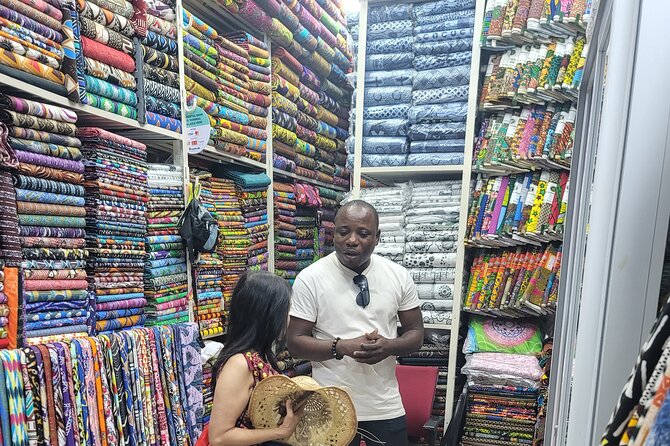
- Makola Market fabric tour: Learn about Ghanaian textiles, including kente types and the meanings behind fabric symbols.
- About 100 prints to choose from: Pick the design for your dress, shirt, caftan, or another agreed African-print item.
- Practical tailoring lesson: Take measurements, help cut the pattern, and learn basic stitching or hand sewing.
- Private six-hour activity: Your group takes part without other groups joining the session.
- Finished custom garment included: An assistant completes the clothing while you eat snacks and relax.
- Transport and refreshments covered: Pickup and drop-off, bottled water, soda, sewing equipment, fabric, and taxes are included.
Why this Accra clothing experience is different
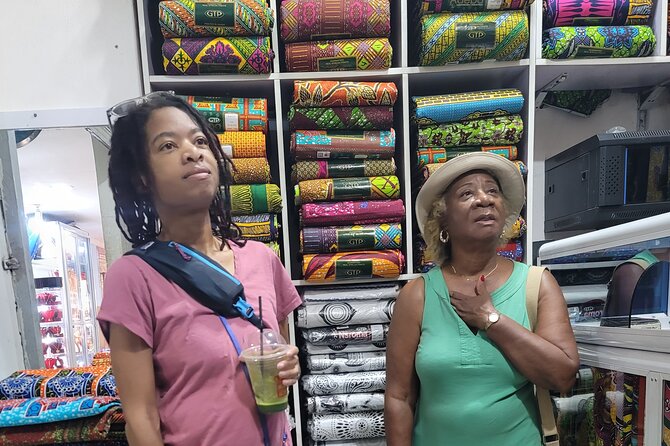
Many market visits end with a purchase tucked into your luggage. This one gives you a role in making the purchase useful. You begin by learning how fabrics are sold and understood in Ghana, then carry your chosen print into a workshop where it becomes clothing fitted to your body.
I like that the experience connects three things that are often separated: shopping, cultural explanation, and practical craft. The fabric is not just a colorful surface. You are introduced to different types of Ghanaian cloth and the names and meanings of symbols used in the designs.
The activity is private, which matters here. You can ask questions about a pattern, discuss the cut of your garment, and get help with measurements without trying to keep pace with a large group. The format should suit couples, families, friends, or solo visitors who prefer a personal activity.
The rating is 4.3 from three posted reviews, so the sample is small. Still, the strongest praise is quite specific: the fabric shopping was interesting, the explanation of kente and its symbols added value, and the finished garment pleased the customer. Those are the parts I would give the most weight when deciding.
More things to do in Accra:
- The Cape Coast Day Tour
★ 5.0 · 525 reviews - Experience the Beauty, History and the Culture Of Accra in a Day
★ 5.0 · 323 reviews - The Cape Coast Tour
★ 5.0 · 177 reviews
Starting at Makola Market in central Accra
The listed starting point is Makola shopping mall new building, GQWV+67G, Market Street, Accra. Pickup is offered, and an air-conditioned vehicle is included, so confirm the exact pickup arrangement when booking. The activity is also near public transportation if you prefer to reach the meeting area yourself.
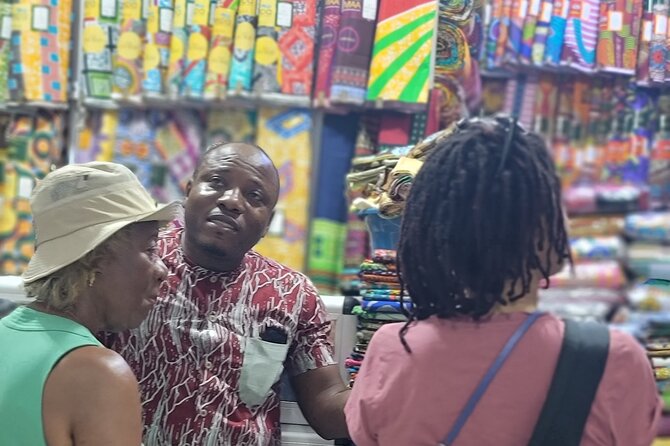
Makola is the right setting for the first stage. This is where you get a look at the fabric trade rather than choosing cloth from a quiet studio rack. You will be shown different African prints and introduced to types of Ghanaian fabric, including kente.
The fabric visit is not simply a shopping stop. The guide explains the meanings of symbols used in the cloth. That can change how you choose. You may select a print because of its colors or pattern, but you can also ask what the symbols represent before committing to several yards of fabric.
Give yourself room to look carefully. With about a hundred options, choice can become work. If you already know whether you want a shirt, dress, or caftan, say so early. The desired shape may affect how much fabric is needed and how the print will be placed.
One practical point: the information does not list a fixed amount of time for the market portion. The full experience lasts about six hours, so the exact balance between shopping, instruction, cutting, and sewing can vary. If fabric selection is your main interest, mention that when arranging the day.
Choosing a print with meaning
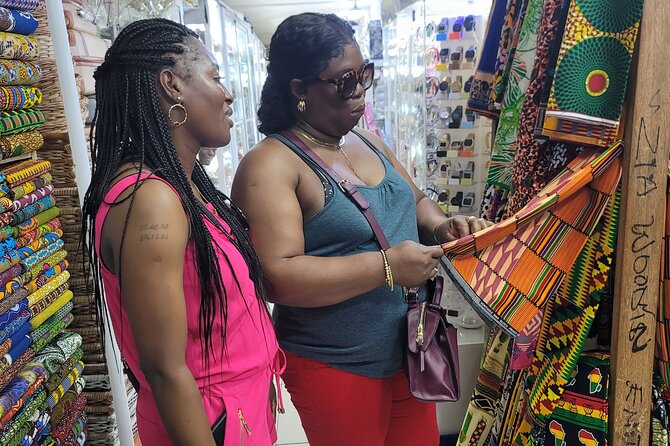
You are invited to select a unique African print from roughly a hundred choices. That is a generous range, but it also means the selection is personal rather than prearranged. You are not handed a standard souvenir. Your color, pattern, and garment choice shape the result.
I would ask a few direct questions before choosing:
- What does the symbol or motif mean?
- Is this cloth suitable for the garment style I want?
- How should the print be placed on the front, sleeves, or neckline?
- Is the selected item included within the agreed garment options?
The listed choices are a custom African-print dress, shirt, or caftan. Other items may be possible, but you need to discuss that by message before the experience. Do not assume a completely different item is included simply because it can be made from African print.
Fabric is included in the price, which helps with budgeting. You are not paying $240 and then discovering that the main material costs extra. The same applies to the custom African wear, sewing equipment, instruction, snacks, bottled water, soda, transport, fees, and taxes.
The best reason to take your time is fit and use. A bold print can look wonderful in the market and less practical in a complicated cut. Ask the studio assistant for advice if you are uncertain. The goal is not only to leave with Ghanaian fabric, but with clothing you will actually want to wear.
Taking measurements and shaping the garment
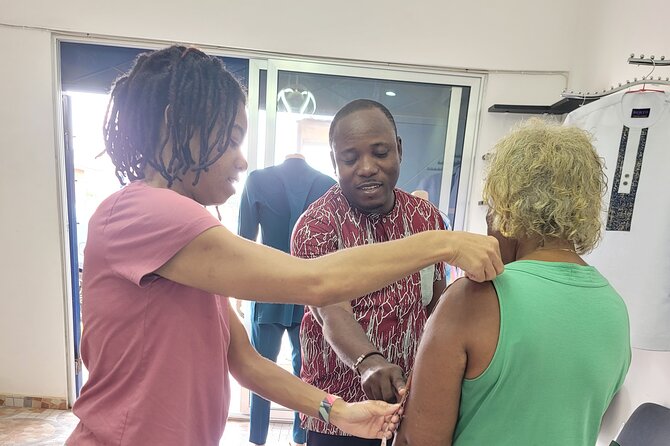
After the market visit, you go to the workshop. There you learn how body measurements are taken for custom African clothing. This step is important because the garment is intended to fit you, not an anonymous size chart.
You should expect measurements to guide the basic pattern rather than turn you into a professional tailor in one afternoon. The experience teaches you how the process works, while a seasoned tailor and studio assistant handle the technical work that requires more practice.
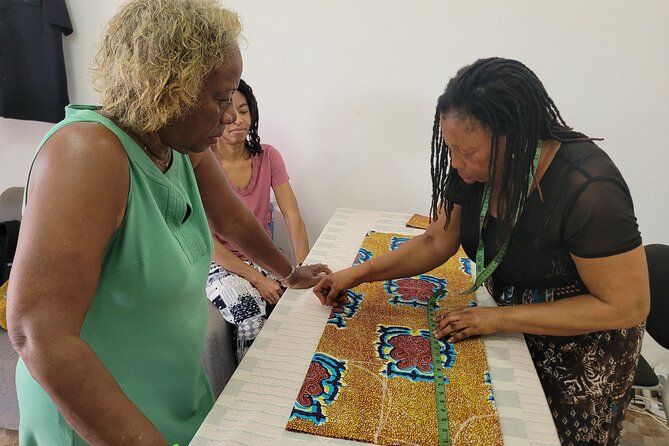
You also take part in cutting the pattern and garment pieces. This is a valuable moment because it shows how a flat length of cloth becomes sleeves, panels, a bodice, or the loose form of a caftan. Cutting is also the point at which a mistake can waste fabric, so follow the assistant’s directions closely.
The available information does not specify the exact garment design, neckline, sleeve length, or fitting schedule. Discuss those details at the workshop. If you have a particular cut in mind, bring a clear description or reference image if the provider allows it, but do not assume every design is possible within the session.
A completely different kind of day:
- From Accra: Cape Coast, Elmina Castle & Kakum Park Day Tour
★ 4.6 · 144 reviews - Accra Detailed City Tour
★ 4.5 · 118 reviews - Accra Guided City Tour Experience
★ 4.7 · 88 reviews - Accra Guided City Tour Experience
★ 5.0 · 76 reviews
Learning basic stitching without pressure
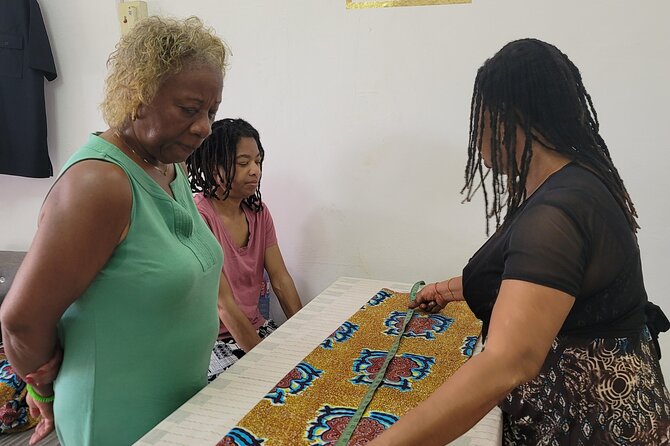
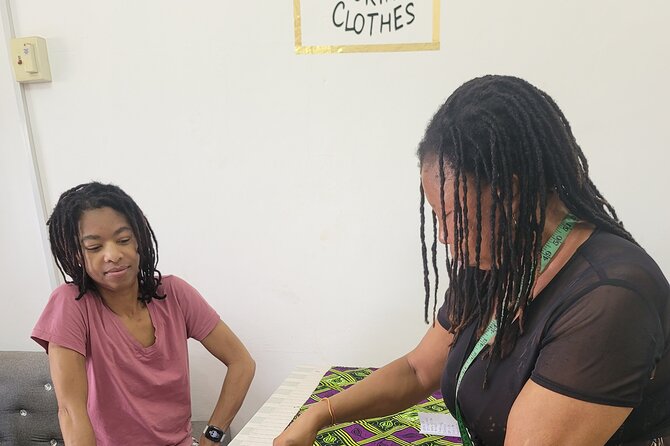
You receive sewing equipment and practical training in how to use it. The lesson may include basic machine stitching or hand sewing, and you help put parts of the garment together under guidance from the studio assistant.
I like this arrangement because it gives you real participation without pretending that six hours turns a beginner into a tailor. You learn enough to understand the work and contribute to the construction. The assistant remains available to guide or assist you, which is especially useful if you have little sewing experience.
There is also a clear limit. You do not appear to complete every stitch yourself. While you eat snacks, the assistant finishes the dress, shirt, or caftan and adds the final touches. If you want an intensive tailoring course, this will feel too light. If you want a hands-on cultural activity with a finished result, the balance makes sense.
That finishing stage is also practical. Custom clothing can require patient hemming, seams, closures, and adjustments. Letting the assistant complete the technical work gives you a better chance of going home with a wearable item rather than an unfinished project.
Snacks, drinks, and the final fitting
Snacks, bottled water, and soda are included. Lunch and dinner are not, so plan your meals separately. A six-hour activity can cover a large part of the day, and refreshments are welcome, but they are not a substitute for a meal.
While you take a break, the assistant completes your garment. The supplied feedback gives this result strong emphasis: the customer was very happy with the final clothing. That is the clearest sign that the activity is not only about the process. The finished piece is the main souvenir.
Before leaving, inspect the garment and discuss any concern with the team. The provided details do not promise a later alteration service or a second fitting after you return home. Since the activity ends the same day, it is sensible to check the fit while you are still at the workshop.
You then go home with the custom African wear. Drop-off at your hotel is included, though the listed meeting information also says the activity ends back at the meeting point. Confirm the exact end-of-day transport plan before setting up another appointment.
What the $240 price really covers
At $240 per person, this is a premium half-day experience. You are paying much more than you would for an ordinary market purchase or a short sewing lesson. The value comes from combining several services into one private activity.
The price includes:
- Fabric for the agreed garment
- A custom African-print dress, shirt, or caftan
- Fabric guidance at Makola Market
- Measurement, cutting, and sewing instruction
- Sewing equipment and use of the studio
- Snacks, bottled water, and soda
- Pickup and drop-off
- An air-conditioned vehicle
- All fees and taxes
If you only want fabric, the price is hard to justify. If you want a finished garment, cultural explanation, private instruction, and transport, the calculation looks different. You are also paying for convenience. The provider handles the market visit, workshop setting, equipment, and tailoring support rather than asking you to arrange each part yourself.
The price is easier to defend for someone who values a personal souvenir over a standard shopping trip. It is less attractive if you dislike shopping, have no interest in clothing, or want a low-cost introduction to Accra.
Who will enjoy it most
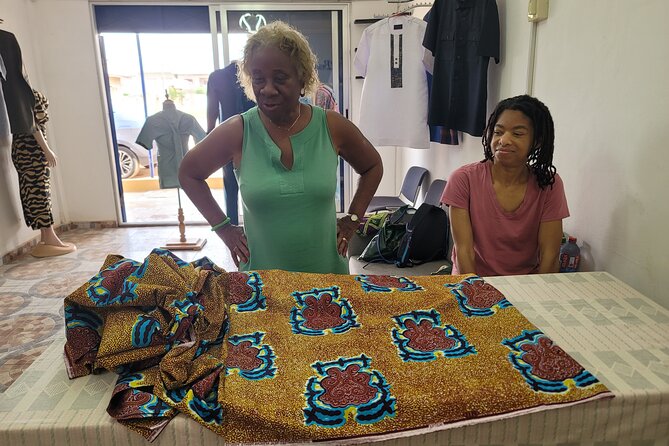
This experience is a good match for you if you like practical cultural activities. You do not just watch a demonstration. You choose cloth, learn about symbols, take measurements, help cut, try basic sewing, and leave with clothing.
It also suits people who want a private outing. Only your group takes part, so you can shape the conversation around your interests and ask for help with your garment without a crowd.
Families and friends may enjoy choosing different prints and comparing the finished pieces. The activity is also suitable for many participants because you do not need advanced sewing skills. Most people can participate, according to the supplied practical information.
You may want to skip it if your Accra schedule is tight. Six hours is a substantial block of time, and the market, transport, workshop, and finishing work may fill most of your day. It is also not the best choice if you want to design and sew every part of a complicated outfit yourself.
Timing, transport, and small planning points
The experience operates Monday through Sunday from 9:00 AM to 6:00 PM during the stated operating period, which runs through June 17, 2026. Confirmation is received at booking, and the activity is generally available near public transportation.
Pickup and drop-off are included, along with an air-conditioned vehicle. Because the meeting details name Makola shopping mall new building as both the start area and the ending point, contact Renaissance Cultural Tours to clarify whether hotel transport is door-to-door for your booking or whether you should meet at Makola.
Book about a week ahead if possible. The average booking point is seven days before the experience, a useful guide if you are planning a short stay in Accra. Earlier booking also gives you time to discuss a garment outside the standard dress, shirt, or caftan choices.
Free cancellation is available up to 24 hours before the start time for a full refund. Changes made inside that 24-hour window are not accepted, and late cancellations are not refunded. The activity requires good weather, so if poor weather causes cancellation, you are offered another date or a full refund.
My call: book it for the garment and the story
I would book this if you want a custom piece of Ghanaian clothing and prefer to understand the fabric before wearing it. The strongest features are the Makola fabric lesson, the explanation of kente symbols, the private format, and the fact that your selected cloth becomes a finished garment.
I would not book it simply as a cheap way to shop for fabric. The $240 price reflects a full service, not a market bargain. I would also confirm your preferred garment, pickup point, final drop-off, and any special design before paying.
For the right person, this is a useful souvenir with a story attached. You leave not only with a dress, shirt, or caftan, but with a better sense of how Ghanaian cloth carries meaning from the market to the sewing table.
FAQ
Where does the experience begin?
The listed starting point is Makola shopping mall new building, GQWV+67G, Market Street, Accra, Ghana.
How long does the activity last?
The experience lasts approximately six hours.
What garments can I make?
The standard choices are a custom African-print dress, shirt, or caftan.
Can I request another type of item?
Possibly, but you must discuss the request with the provider by message before the experience.
Is the fabric included?
Yes. The cost of the African print or fabric is included.
Is the finished clothing included?
Yes. Custom African wear is included in the price.
Is transportation provided?
Yes. Pickup and drop-off are included, along with an air-conditioned vehicle.
Are food and drinks included?
Snacks, bottled water, and soda are included. Lunch and dinner are not included.
Do I need sewing equipment?
No. The provider supplies the sewing equipment and training on how to use it.
Can I cancel for a full refund?
Yes, if you cancel at least 24 hours before the experience start time. Poor-weather cancellations offer a different date or a full refund.
Just added in Accra
- Wli Waterfall And Tafi Monkey Sanctuary ( Volta Region)★ 5.0 · 1 review
- Traditional Beadmaking Workshop★ 5.0 · 1 review
- Private 9-Day Tour in Ghana★ 5.0 · 2 reviews
- Wli Waterfalls, Mount Afadjato & Tafi Atome Monkey Sanctuary★ 5.0 · 2 reviews
- Cape Coast and Elmina castle Day Trip★ 5.0 · 2 reviews
- Culinary for Social Change-Cooking Class★ 5.0 · 2 reviews
- Time with Nature★ 5.0 · 2 reviews
- Historical Day Tour to Cape Coast, Elmina and Kakum★ 5.0 · 3 reviews
Accra Tours, compared.

Experience the Beauty, History and the Culture Of Accra in a Day
Read our review →

Cape Coast, Elmina Castle & Kakum Park Day Tour
Read our review →
Browse the lists this tour appears in