
REVIEW · CAPE COAST AND ELMINA CASTLE TOURS
Assin Manso Slave River, Cape Coast & Elmina Castle History Tour
The past is close here. This long day from Accra follows a painful route through Assin Manso, Elmina Castle, and Cape Coast Castle, linking major sites of the transatlantic slave trade with coastal towns and local life. I like the careful historical focus and the chance to visit both castles in one trip. I also like the small maximum group of 15, which should make questions and conversation easier.
The main drawback is the length. Leaving Accra at 7:30 a.m. and returning after a 10 to 16-hour day means a great deal of time on the road. Lunch is not included, and the fixed price of $260 per person may feel high unless you value private transport, guided interpretation, and the convenience of covering three major sites in one outing.
In This Review
- Key points to know before booking
- Why Assin Manso should come before the castles
- The long road from Accra to Ghana’s central coast
- Elmina Castle, built in 1482
- Cape Coast Castle and the final coastal chapter
- A quieter hour at Castle Beach
- Is $260 a fair price?
- The guide can make or break this history tour
- Who should book this experience?
- What to bring and how to prepare
- Cancellation and booking details
- Should you book the Assin Manso, Elmina, and Cape Coast tour?
- FAQ
- Where does the tour start?
- What time does the tour begin?
- Where does the tour end?
- How long does the experience last?
- Is lunch included?
- What is included in the price?
- What is the cancellation policy?
Key points to know before booking
- Assin Manso comes first: This former slave market and river site gives important context before you enter the castles.
- Two castles, two viewpoints: Elmina Castle dates to 1482, while Cape Coast Castle presents another major chapter of the trade and its effects.
- The day begins early: Pickup is at Accra Mall at 7:30 a.m., with the tour ending back at the same meeting point.
- Expect a full-day road trip: The experience lasts about 10 to 16 hours, depending on the day’s timing.
- A seaside walk adds local contact: Castle Beach includes lunch time and a chance to speak with people in the area.
- Transport is comfortable: An air-conditioned vehicle, onboard WiFi, and bottled water are included.
Why Assin Manso should come before the castles
Many people begin with Cape Coast Castle or Elmina Castle because those buildings are the most famous. I think starting at Assin Manso is the stronger choice. It helps you understand the route before you see the prisons, courtyards, and coastal forts where the story reaches its most recognized chapters.
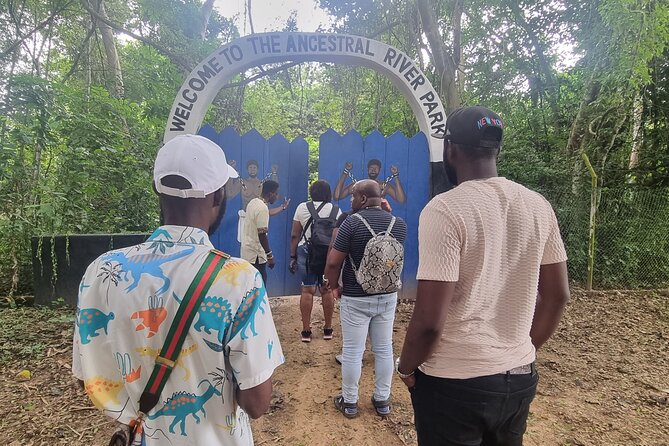
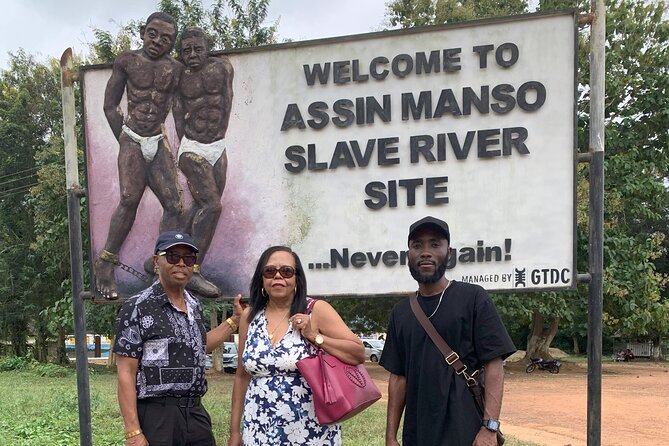
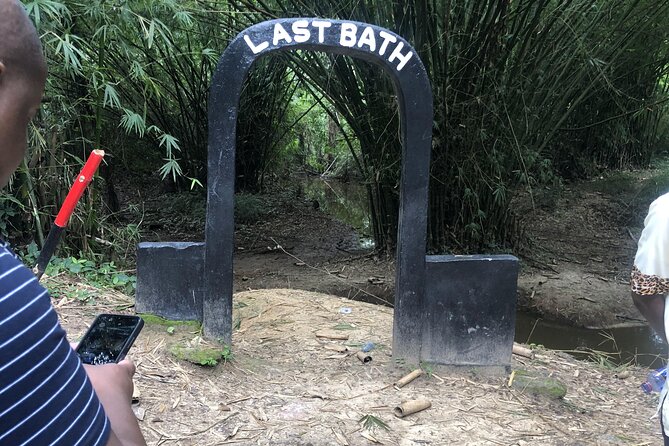
Assin Manso Ancestral Slave River Park was one of the major places where enslaved people were gathered before sale during the transatlantic slave trade. The site is also described as the place where many took a final bath before continuing toward the coast. That detail gives the river a painful human meaning. It was not simply a stop on a road. For many people, it marked the end of one part of their lives and the beginning of forced removal.
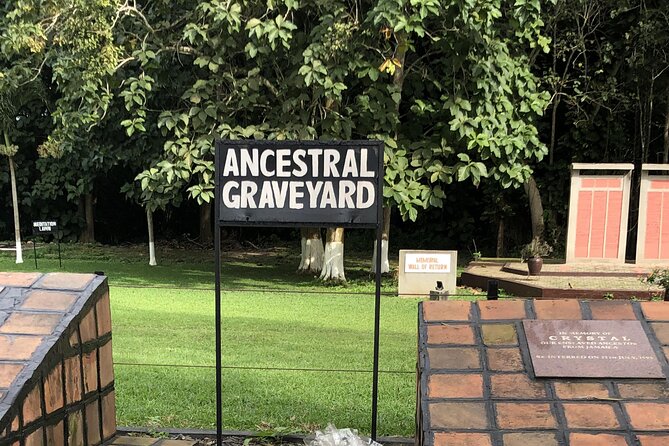
The park also contains the reburial site of two people from the African diaspora, Carson from New York and Lady Crystal from Jamaica. Their remains were repatriated and buried here. This connects the Ghanaian site to the wider African diaspora, making Assin Manso important for people tracing family roots, studying slavery, or trying to understand the connection between West Africa and communities across the Atlantic.
The visit includes admission and lasts about three hours. You should expect this to be a serious stop rather than a quick photo break. The setting invites quiet attention, and the value comes from the explanation and historical connection as much as from anything you see.
More Cape Coast and Elmina castle tours:
- The Cape Coast Day Tour
★ 5.0 · 525 reviews - The Cape Coast Tour
★ 5.0 · 177 reviews - From Accra: Cape Coast, Elmina Castle & Kakum Park Day Tour
★ 4.6 · 144 reviews
The long road from Accra to Ghana’s central coast
The tour begins at Accra Mall, at Plot C11 near the Tetteh Quarshie Interchange on Spintex Road. Pickup is offered, but the stated meeting point is the Accra Mall, so check your arrangements carefully when booking. The start time is 7:30 a.m., an early departure that makes sense for a route covering this much ground.
The total experience lasts roughly 10 to 16 hours. That wide range matters. Driving time, traffic, time spent at each site, and the pace of the group can all affect when you return. This is not a relaxed half-day outing from Accra. It is a full commitment from morning until evening, and you should keep your schedule clear afterward.
The vehicle is air-conditioned, which is useful in Ghana’s heat. Bottled water is included, and WiFi is available onboard. Those touches will not remove the long road hours, but they make the trip more manageable. A maximum of 15 people keeps the group from becoming unwieldy, though the actual number on your date may be smaller or larger within that limit.
The route itself is part of the experience. You move away from Accra toward Ghana’s central coast, passing through towns and coastal areas connected to trade, fishing, and the old forts. One praised feature of the guiding is the attention given not only to the monuments but also to townships and local surroundings. That broader view helps you see the castles as part of living communities, not isolated museum pieces.
Elmina Castle, built in 1482
Elmina Castle was built by the Portuguese in 1482, when the area was known as the Gold Coast. It was the first European trading post established on the Gulf of Guinea. That date gives the building a place in the early history of European trade on the West African coast, long before the later stories most people associate with the slave trade.
The two-hour visit focuses on the activities of the slave trade era and their effects on communities, countries, and humanity. You will learn about the castle’s role within that system, rather than seeing it simply as an old fortress with sea views.
Elmina is also a fishing village, and the tour includes time to stroll near the fishing market. This is one of the day’s useful contrasts. Inside the castle, the mood is heavy and reflective. Outside, the town continues its daily work around the harbor. The nearby port, commerce, and ships add a present-day setting to a place shaped by centuries of trade.
That contrast can be uncomfortable, but it is valuable. The castle is not a dead monument. It sits beside a working community. You see both the historic structure and the modern town that has grown around it.
The coastal views are another part of Elmina’s appeal, although they should not distract from the difficult purpose of the visit. If you prefer a fast sightseeing day filled with light entertainment, this stop may feel emotionally demanding. If you want clear historical explanation and a direct look at the places involved, it earns its two hours.
Cape Coast Castle and the final coastal chapter
Cape Coast Castle is a UNESCO World Heritage site and another former slave castle. The two-hour visit examines the slave trade and its effects on Ghanaian culture, nations, and humanity more broadly.
Seeing Cape Coast Castle after Assin Manso changes how the site feels. You have already encountered the river where enslaved people were gathered and prepared for the next stage of their forced journey. At Cape Coast, the story becomes more concentrated in the architecture, the rooms, and the coastal position.
I would plan to listen closely rather than rush through this stop. The value is not only in seeing walls and chambers. It is in understanding how a place like this functioned and how its effects reached far beyond Ghana. The guide’s role matters greatly here. Past praise for this experience gives special credit to the historical explanations, the guide’s professional manner, and the ability to discuss Ghanaian towns and monuments as part of the larger story.
One named guide, Enoch, has been praised for kindness, politeness, and respect, along with the wider team. Another account highlights a guide who was professional, accommodating, and considerate. Those qualities are especially useful on a subject that requires care. A good guide should leave room for questions and reflection, not turn suffering into a rushed checklist.
More history tours in Accra:
- Experience the Beauty, History and the Culture Of Accra in a Day
★ 5.0 · 323 reviews - Ghana Heritage Tours – Beyond The Return
★ 5.0 · 36 reviews - 10 Days Ghana Cultural and Heritage Trip
★ 5.0 · 31 reviews - Cape Coast Historical Day Tour
★ 5.0 · 24 reviews
A quieter hour at Castle Beach
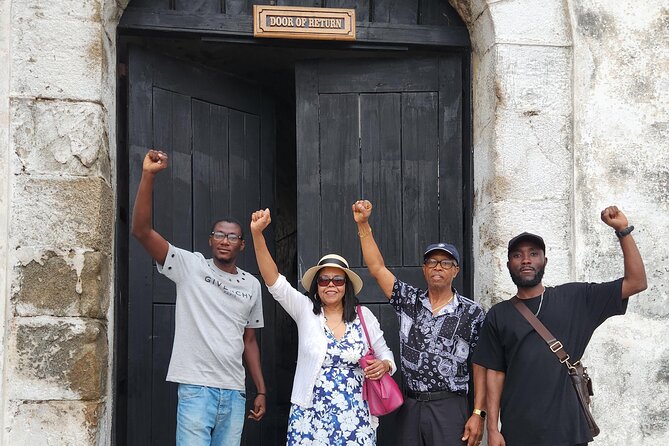
After the castles, the tour includes a one-hour Cape Coast walk and time at Castle Beach. Lunch is described as a seaside meal with fresh Ghanaian food, but lunch itself is not included in the tour price.
That arrangement gives you some flexibility, but you should bring money for the meal. The beach stop is not just a break between monuments. It gives you time to speak with local people and see a more ordinary side of Cape Coast after several hours of difficult history.
I like this part of the plan because the day could otherwise become emotionally and visually repetitive. The walk helps you shift from formal interpretation to local contact. You may find the pace easier here, although the exact lunch choices and length of conversation are not specified.
Do not expect this hour to turn the tour into a beach holiday. It is a short coastal pause within a demanding history tour. The main purpose remains the castles and Assin Manso.
Is $260 a fair price?
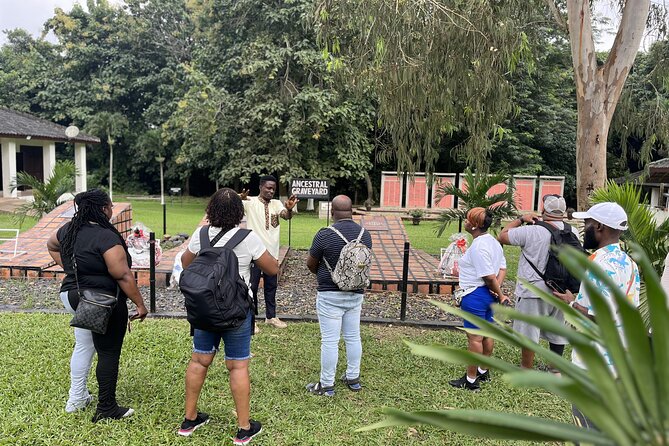
At $260 per person, this is not a budget excursion. The price needs to be judged against what it covers: an air-conditioned vehicle, bottled water, onboard WiFi, admission to Assin Manso, Elmina Castle, and Cape Coast Castle, plus guiding and transport from Accra and back.
The route would be difficult to organize efficiently in one day without a vehicle. You would need to arrange long-distance transport, coordinate three historical sites, and get back to Accra after a full day on the road. For someone staying in Accra for a short time, that convenience has real value.
The price looks stronger if you care about interpretation. The most praised parts of the experience are the guide’s historical explanations, professional conduct, safe driving, and attention to Ghanaian towns and monuments. It looks weaker if you are mainly paying for transport and independent sightseeing, since lunch is extra and the day involves many hours of driving.
There is also a useful price comparison in the customer feedback: one person considered the experience worth the cost and said it was $50 cheaper than a similar tour booked through Viator. That does not make $260 inexpensive, but it suggests the rate may compare well with similar organized options.
Group size affects the value. The maximum is 15 people, which is more personal than a large coach group but not necessarily intimate. If you want a very private experience, ask about the group size for your date before booking.
The guide can make or break this history tour
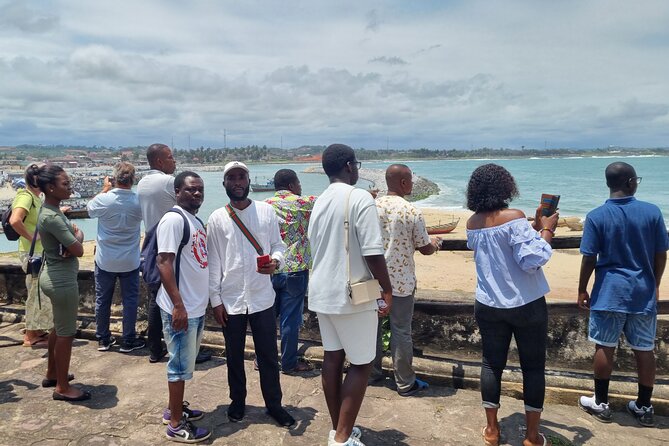
The sites carry their own power, but the explanation determines how much you take away. The strongest praise connected with this experience focuses on guides who are professional, friendly, polite, accommodating, and careful with the subject.
That combination matters. You want someone who can explain the trade clearly while also helping you understand the effect on communities, countries, culture, and the wider world. The guide and driver are also praised for getting people safely from one stop to the next, an important point on such a long day.
The information specifically associated with the experience names Enoch as a member of the team who made a strong impression through kindness and respect. You cannot assume he will lead every departure, so ask when booking if having him as your guide matters.
This is also a tour where questions are worthwhile. Ask about the purpose of Assin Manso, the role of Elmina as an early trading post, and how Cape Coast fits into the wider history. With a group capped at 15, you should have a better chance to ask than you would on a large bus tour.
Who should book this experience?
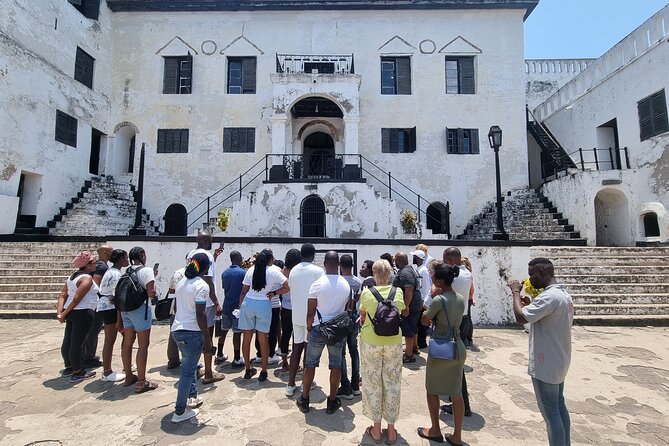
I would recommend this tour to you if you want a serious introduction to Ghana’s role in the transatlantic slave trade and have only one available day from Accra. It suits people interested in African history, genealogy, the African diaspora, cultural heritage, and the connections between historic sites and modern communities.
It is also a strong fit if you prefer having transport and admission organized together. The air-conditioned vehicle, water, WiFi, and return to Accra remove several practical worries.
You should think twice if you dislike early starts, long road journeys, or emotionally heavy sites. The day can last up to 16 hours, and the two castles cover related subjects. You may prefer to visit the coast with an overnight stay if you want a slower pace, though this particular experience is designed to return to Accra the same day.
Families and most people with ordinary mobility can participate according to the supplied information, and service animals are allowed. Still, the long hours and serious subject matter are worth considering for younger children.
What to bring and how to prepare
Bring money for lunch, since it is not included. Bottled water is provided, but you may still want any personal drinks or snacks you normally need during a long day.
Wear practical clothing for moving between outdoor areas, castle grounds, the river park, and the beach. Since exact weather and site conditions are not specified, prepare for both sun and time outside rather than treating this as an indoor museum visit.
Keep your return evening free. The 10 to 16-hour duration is a real planning detail, not a minor footnote. Traffic or a slower pace at the sites could bring you back later than expected.
The subject deserves emotional preparation too. Assin Manso and the castles tell the story of people being gathered, sold, imprisoned, and forced across the Atlantic. You will get more from the day if you give yourself time to listen and reflect instead of racing from one photo stop to the next.
Cancellation and booking details
Confirmation is provided at booking. The tour offers free cancellation if you cancel at least 24 hours before the start time, with a full refund. Cancellations or changes made within 24 hours are not accepted for a refund.
The listed experience provider is Best of Africa Travels Ltd. The supplied customer comments refer to Boansi Travels, so I would confirm the operating company and guide details when you reserve, especially if you have been given a specific contact name.
Should you book the Assin Manso, Elmina, and Cape Coast tour?
Book it if you want the most direct one-day route from Accra to three major sites tied to Ghana’s slave-trade history. The order is well chosen: Assin Manso gives the inland context, Elmina adds an early Portuguese trading post and working fishing town, and Cape Coast brings the story to another major coastal castle.
The strongest reasons to choose it are the historical focus, the two castle admissions, the guide support, and the practical return transport. The main costs are money, road time, lunch, and emotional weight.
At $260, I would call it a worthwhile choice for a first visit or a short stay in Accra, especially if you value clear guiding and do not want to arrange the route yourself. I would skip it only if you need a slower schedule or want to spend several days exploring the coast. For a single, serious day of historical sightseeing, this tour offers a useful and well-connected plan.
FAQ
Where does the tour start?
The tour starts at Accra Mall, Plot C11, Tetteh Quarshie Interchange, Spintex Road, Accra, Ghana.
What time does the tour begin?
The stated start time is 7:30 a.m.
Where does the tour end?
The activity ends back at the meeting point at Accra Mall.
How long does the experience last?
The tour lasts approximately 10 to 16 hours.
Is lunch included?
No. Lunch is not included, although the Cape Coast Walk includes time for a seaside lunch with fresh Ghanaian food.
What is included in the price?
The price includes an air-conditioned vehicle, WiFi onboard, bottled water, and admission tickets for Assin Manso Ancestral Slave River Park, Elmina Castle, and Cape Coast Castle.
What is the cancellation policy?
You can cancel at least 24 hours before the start time for a full refund. Cancellations or changes made less than 24 hours before the start time are not accepted for a refund.
Just added in Accra
- Wli Waterfall And Tafi Monkey Sanctuary ( Volta Region)★ 5.0 · 1 review
- Traditional Beadmaking Workshop★ 5.0 · 1 review
- Private 9-Day Tour in Ghana★ 5.0 · 2 reviews
- Wli Waterfalls, Mount Afadjato & Tafi Atome Monkey Sanctuary★ 5.0 · 2 reviews
- Cape Coast and Elmina castle Day Trip★ 5.0 · 2 reviews
- Culinary for Social Change-Cooking Class★ 5.0 · 2 reviews
- Time with Nature★ 5.0 · 2 reviews
- Historical Day Tour to Cape Coast, Elmina and Kakum★ 5.0 · 3 reviews
Cape Coast and Elmina Castle Tours, compared.

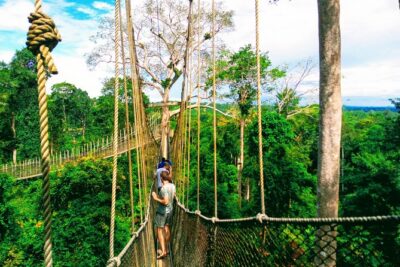

Cape Coast, Elmina Castle & Kakum Park Day Tour
Read our review →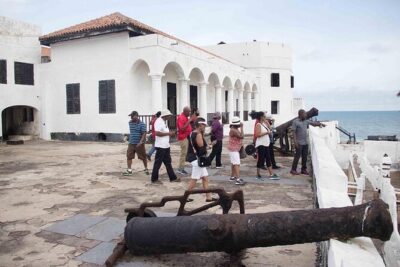

Cape Coast ,Elmina Castle and Kakum Full-Day Tour
Read our review →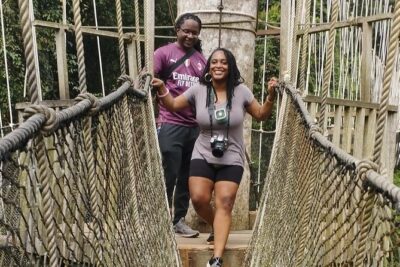

10 Days Trip to Cape Coast and Elmina Castles from Accra
Read our review →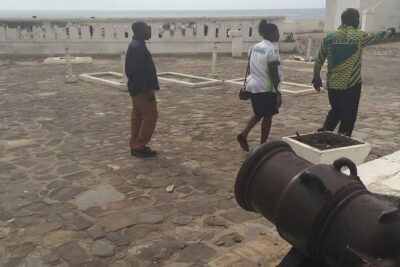
The Homecoming Experience To Cape-coast And Elmina.
Read our review →Browse the lists this tour appears in