
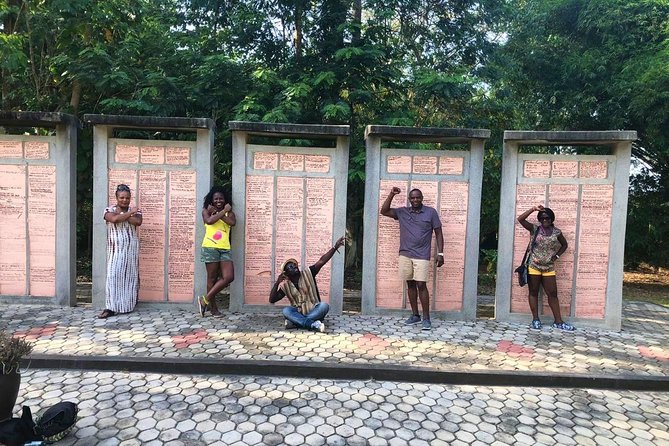
REVIEW · CAPE COAST AND ELMINA CASTLE TOURS
Black History Tour – Back to Your Roots (Accra to Assin to Cape Coast to Elmina)
This is history you can feel. This private two-day journey links Accra with the Assin Manso Slave River Park, Cape Coast Castle, and Elmina Castle, giving you a direct route through places tied to the transatlantic slave trade. I like the personal guide service, especially the warm, attentive approach associated with Nana and Prince. I also like that the tour connects major historical sites rather than treating each castle as an isolated stop.
The main consideration is the pace. You leave Accra at 7:00 am, cover several important places, and spend much of the trip moving between sites. Kakum National Park is listed among the highlights, but the detailed schedule does not give it a stop, so you should confirm whether it is included before booking. The $720 price also needs careful thought, since the value depends on the size of your private group and exactly what is covered.
In This Review
- Key points to know before booking
- Why this two-day Ghana journey matters
- Assin Manso and the last bath at the river
- Cape Coast Castle and the machinery of the trade
- Elmina Castle, Fort Jago, and an old port town
- What the private guide changes
- Transport, meals, and the overnight stay
- Is the $720 price good value?
- Who should book this experience?
- Final booking advice
- FAQ
- Where does the tour start?
- What time does the tour begin?
- Where does the tour end?
- How long does the tour last?
- Is this a private tour?
- What sites are included?
- Are meals and accommodation included?
- Can I cancel for a full refund?
Key points to know before booking
- Your first major stop is Assin Manso, where enslaved people were taken to the river for a final bath before the forced journey to the coast.
- Cape Coast Castle and Elmina Castle provide two different views of the slave-trade system, with guided visits inside the former forts.
- The tour is private, so your group can receive a more personal explanation and set the tone for a serious, emotional day.
- Nana and Prince are named guides connected with the experience, and personal warmth is one of the strongest themes in the available feedback.
- Breakfast, lunch, and overnight accommodation are included, although the supplied details do not specify the hotel or dinner arrangements.
- The $720 cost is per person, and group discounts are offered, which may make more sense for families or organized heritage groups.
Why this two-day Ghana journey matters
This is not simply a castle-hopping trip. The route follows part of the path forced upon enslaved Africans, from the inland holding point at Assin Manso to the coastal forts at Cape Coast and Elmina. That order matters. You begin with the final bath at the river, then continue to the places where people were confined before being sent across the Atlantic.
For African American visitors tracing family roots, the emotional meaning can be especially strong. The tour is designed around ancestry and connection, not only dates and architecture. You will hear about the slave trade and its effect on later generations, giving the journey a wider frame than a standard historic-site visit.
I would approach this experience with patience. The subject is painful, and the settings can be difficult to process. A private guide helps because you can ask questions, pause, or spend more time with a particular part of the story instead of keeping up with a large public group.
The experience begins at Shoprite Accra Mall on Tetteh Quarshie Avenue at 7:00 am. It ends back at the same meeting point. Pickup is offered, but the exact pickup arrangement should be confirmed when you book, particularly if you are not staying near the stated starting point.
More Cape Coast and Elmina castle tours:
- The Cape Coast Day Tour
★ 5.0 · 525 reviews - The Cape Coast Tour
★ 5.0 · 177 reviews - From Accra: Cape Coast, Elmina Castle & Kakum Park Day Tour
★ 4.6 · 144 reviews
Assin Manso and the last bath at the river
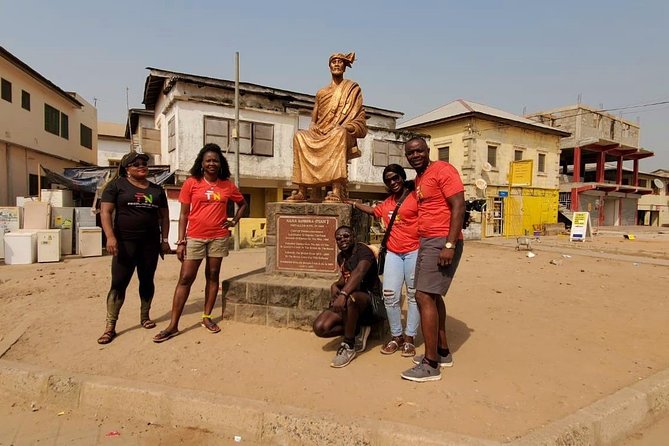
The drive from Accra to Cape Coast includes the first major historical stop at Assin Manso Ancestral Slave River Park. The visit lasts about two hours, and admission is included.
This place is important because it marks the final known bathing point for many enslaved people before they were marched through the forest toward the coast. The tour explains that they spent roughly three weeks making that forced journey to the castles, where they were held before shipment to an unknown destination.
The river is not presented as a scenic pause detached from the past. It is the place where the tour asks you to think about the people who were stripped of their freedom, separated from their communities, and pushed toward the coast. The stated purpose is to connect with ancestors at the site of their last bath.
That framing may be meaningful to you if your family history has been shaped by the Atlantic slave trade. It can also be moving for anyone seeking a clearer understanding of how the coastal forts fit into a much longer chain of events.
The drawback is that the inland stop may feel emotionally heavy from the beginning of the tour. You are not eased into the subject with a light introduction. If you prefer a slower historical buildup, prepare yourself before departure and allow room for quiet reflection.
Cape Coast Castle and the machinery of the trade
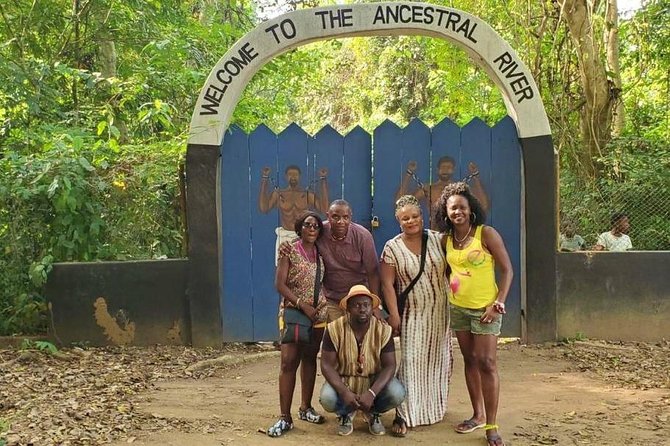
After Assin Manso, the group continues to Cape Coast for lunch and a two-hour visit to Cape Coast Castle. Admission is included.
Cape Coast Castle was one of about forty large European commercial forts built along the Gold Coast. The site began as a Portuguese trading post, or feitoria, in 1555. In 1653, the Swedish Africa Company built a timber fort there. Over time, the location became part of the larger system that confined enslaved Africans before their shipment across the Atlantic.
The castle is also recognized as part of a UNESCO World Heritage Site, an important point for anyone interested in global history and historic preservation. You are not visiting an obscure ruin. You are entering one of Ghana’s best-known places connected with the slave trade.
The two-hour visit should give you time to hear the main explanation and see the key areas, but it is not an unlimited amount of time. If you want lengthy independent exploration, ask your guide how the visit will be paced. The private format should make it easier to raise questions about the building, the trade network, and the effect on later generations.
Lunch follows the first stop and comes as part of the tour package. The information provided confirms lunch is included, but it does not describe the restaurant, menu, or dietary options. If you have food restrictions, raise them before the trip rather than assuming a particular arrangement.
Elmina Castle, Fort Jago, and an old port town
Day two centers on Elmina, described as Ghana’s leading historical town in this route. The castle visit lasts about three hours, with admission included.
Elmina Castle is identified as the oldest European building still existing south of the Sahara. The schedule also includes Fort Jago, a salt-mining village, a walk through the town, and the 17th-century Dutch Cemetery. Together, these stops widen the story beyond one fort.
That is one of the best features of the second day. You are not only shown the castle interiors. You also see historic buildings connected with the period of slavery and the later European presence. The town walk should help you understand Elmina as a living community with layers of history, rather than as a single monument preserved for visitors.
The plan may also include visits to homes in local communities if time allows. The purpose is to see daily life and gain a closer sense of local customs and traditions. Because this part depends on time, you should treat it as a possibility rather than a guaranteed stop.
Elmina can be a more varied day than Cape Coast because it combines the castle, town streets, older buildings, a cemetery, Fort Jago, and salt production. That variety is useful after the intense focus of the first day. Still, the schedule sounds full, so you may not have long at every location.
More history tours in Accra:
- Experience the Beauty, History and the Culture Of Accra in a Day
★ 5.0 · 323 reviews - Ghana Heritage Tours – Beyond The Return
★ 5.0 · 36 reviews - 10 Days Ghana Cultural and Heritage Trip
★ 5.0 · 31 reviews - Cape Coast Historical Day Tour
★ 5.0 · 24 reviews
What the private guide changes
A private tour is a real advantage for this subject. Only your group participates, so the experience is not built around the needs of a large mixed crowd. You can ask for more explanation, discuss family connections, or request a pause when the material becomes difficult.
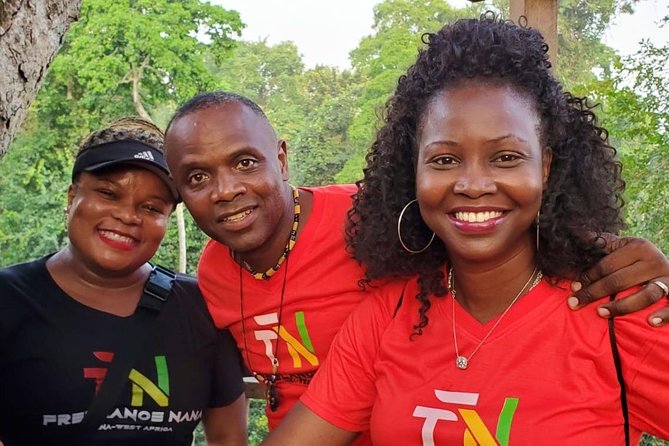
The strongest personal praise centers on Nana and Prince. They are described as prompt, patient, personable, hospitable, and professional. One group of ten African American visitors found the team especially helpful while tracing its roots, and another group returned to the company after feeling comfortable with Nana on an earlier excursion.
Those details matter because the tone of a heritage tour can shape the entire experience. A guide who is patient and welcoming can help you handle a complicated subject without reducing it to a list of dates. The available feedback also describes visitors feeling at home during the journey, which is particularly meaningful for a tour built around ancestry.
You should still ask who will lead your specific departure. The supplied information names Nana and Prince in connection with the company, but it does not guarantee that both will be present for every booking.
Transport, meals, and the overnight stay
The tour lasts approximately two days and includes the drive from Accra toward Cape Coast, followed by visits around Cape Coast and Elmina. Since the route covers several towns and historic sites, you should expect substantial time in a vehicle.
The early 7:00 am start is practical. Leaving early gives the group more time for the inland stop and the coastal castles, but it also means you need to be ready at Accra Mall at the stated time. Pickup is offered, though the meeting point remains Shoprite Accra Mall unless a different arrangement is confirmed.
Overnight accommodation is included among the tour features. The supplied details do not name the property, describe the room type, or explain whether single supplements apply. Ask these questions if lodging standards or privacy are important to you.
Meals include breakfast and two lunches according to the supplied information. Dinner is not clearly listed, so budget for it unless the operator confirms otherwise. This is a small but important point when comparing the $720 price with other Ghana tours.
Mobile tickets and confirmation at booking make the administrative side simple. Service animals are allowed, the route is near public transportation, and most people can participate. The information does not give detailed mobility guidance for the castles, river park, town walk, or Fort Jago, so anyone with access needs should request specific advice before paying.
Is the $720 price good value?
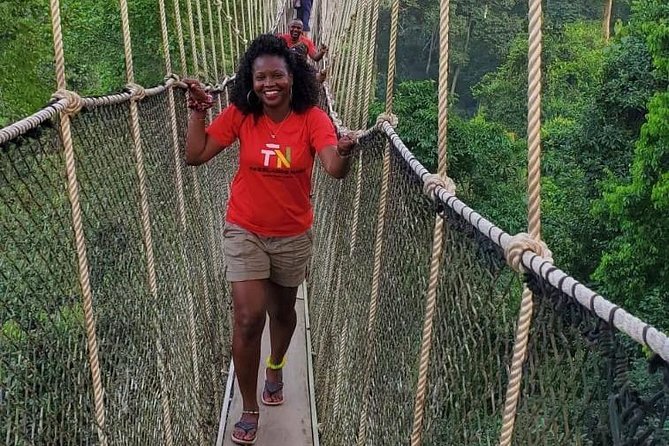
At $720 per person, this is not a budget excursion. The price becomes easier to justify if you are traveling with a group that can use the private format and receive a group discount. It also includes admission to the listed historic sites, breakfast, lunch, two lunches as stated, and overnight accommodation.
Private transport and guiding over two days add value, particularly for visitors who want help understanding the history rather than simply being dropped at a castle. The emotional and educational purpose of the trip is also stronger when a guide can tailor the conversation to your group.
The price is harder to assess because several details are not specified. You should confirm the hotel, dinner arrangements, pickup terms, the exact number of included meals, and whether Kakum National Park is part of your departure. These answers will tell you more than the headline price alone.
For a group of African American family members, a church group, or an organized heritage party, the private structure may be worth paying for. For a solo visitor or couple focused mainly on sightseeing, the cost may feel high unless the personal guide service is your main priority.
Who should book this experience?
I would recommend it most strongly to visitors with a serious interest in Ghanaian heritage, African American ancestry, and the history of the transatlantic slave trade. It is also a strong choice if you want a guide to help connect Assin Manso, Cape Coast, and Elmina into one story.
You should be comfortable with a demanding schedule and difficult subject matter. This is not a relaxed beach break, and the route is not built around free time. You will spend two concentrated days moving between historic places, listening, walking, and thinking.
Families and private groups may get the best value from the arrangement, especially with group discounts. The tour can also suit people visiting Ghana for a short stay who want to cover several major heritage sites without arranging each transfer themselves.
Final booking advice
Book this tour if you want a personal, emotionally serious route through Ghana’s slave-trade history and value having Nana, Prince, or another private guide help shape the experience. The connection between Assin Manso and the two coastal castles gives the journey a clear purpose, while Elmina’s town walk adds cultural context.
Before booking, confirm the hotel, dinner, pickup details, and whether Kakum National Park is included. If those details suit your needs, the tour offers a focused and meaningful two-day introduction to Ghana’s ancestral and historical sites. If you want a slower pace, extensive free time, or a lower price, you may prefer to arrange a shorter castle visit separately.
FAQ
Where does the tour start?
The tour starts at Shoprite Accra Mall on Tetteh Quarshie Avenue in Accra, Ghana.
What time does the tour begin?
The stated start time is 7:00 am.
Where does the tour end?
The activity ends back at the meeting point at Shoprite Accra Mall.
How long does the tour last?
The experience lasts approximately two days.
Is this a private tour?
Yes. Only your group participates in the private activity.
What sites are included?
The detailed schedule includes Assin Manso Ancestral Slave River Park, Cape Coast Castle, Elmina Castle, Fort Jago, a salt-mining village, historic buildings in Elmina, and the 17th-century Dutch Cemetery. Kakum National Park is listed as a highlight, but its exact place in the schedule is not specified.
Are meals and accommodation included?
Overnight accommodation is included. Breakfast and lunch are listed, with the meal information also stating two lunches. Dinner is not clearly listed.
Can I cancel for a full refund?
Yes, if you cancel at least 24 hours before the experience start time. Cancellations within 24 hours are not refunded. Poor weather or failure to meet the minimum number of participants may result in an alternative date or a full refund.
Just added in Accra
- Wli Waterfall And Tafi Monkey Sanctuary ( Volta Region)★ 5.0 · 1 review
- Traditional Beadmaking Workshop★ 5.0 · 1 review
- Private 9-Day Tour in Ghana★ 5.0 · 2 reviews
- Wli Waterfalls, Mount Afadjato & Tafi Atome Monkey Sanctuary★ 5.0 · 2 reviews
- Cape Coast and Elmina castle Day Trip★ 5.0 · 2 reviews
- Culinary for Social Change-Cooking Class★ 5.0 · 2 reviews
- Time with Nature★ 5.0 · 2 reviews
- Historical Day Tour to Cape Coast, Elmina and Kakum★ 5.0 · 3 reviews
Cape Coast and Elmina Castle Tours, compared.


Cape Coast, Elmina Castle & Kakum Park Day Tour
Read our review →

Cape Coast ,Elmina Castle and Kakum Full-Day Tour
Read our review →

10 Days Trip to Cape Coast and Elmina Castles from Accra
Read our review →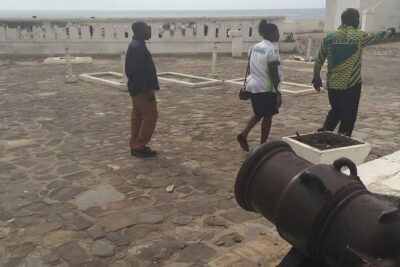
The Homecoming Experience To Cape-coast And Elmina.
Read our review →Browse the lists this tour appears in