
REVIEW · ACCRA TOURS
Full-Day Tour to Ashanti Region, Kumasi and Ghanaian History
Kumasi rewards an early start. This long private tour from Accra brings together Ashanti royal history, Kente weaving, Adinkra craft, lively markets, and the calm waters of Lake Bosomtwe in one ambitious day. I like the way it links famous places with hands-on village workshops, and I also like the personal service, with guides such as Daniel praised for explaining the past clearly and helping with shopping.
The main catch is the distance. Kumasi is about six hours from Accra by road, so the advertised 12 to 16 hours includes a great deal of time in the vehicle. At $280 per person, the value is strongest for a private group that wants a broad cultural introduction without arranging several local guides and drivers.
In This Review
- Key points at a glance
- Why this Kumasi day trip takes serious planning
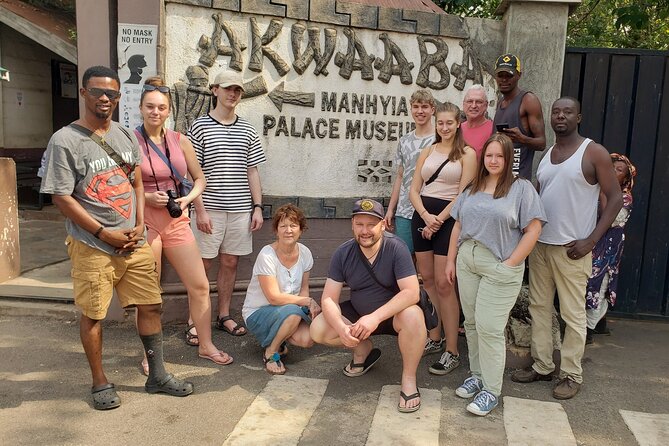
- Manhyia Palace Museum and the Ashanti royal story
- The Okomfo Anokye Sword Site
- Kejetia Market: two hours of useful chaos
- Crafts at the Center for National Culture
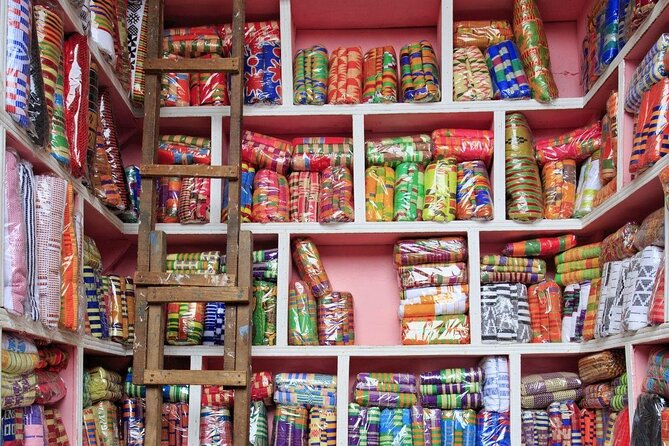
- Bonwire and the meaning woven into Kente
- Ntonso and the hands-on Adinkra experience
- Fort Kumasi and the colonial chapter
- Lake Bosomtwe after a long day
- Guides, comfort, and the private format
- Who gets the best value from $280
- Should you book this Ashanti region tour?
- FAQ
- Where does the tour begin and end?
- How long does the tour last?
- How far is Kumasi from Accra?
- Is transportation pickup offered?
- Is this a private tour?
- What is included at Manhyia Palace Museum?
- Can I buy Kente or other crafts?
- Are activities at Lake Bosomtwe included?
- Can I cancel for a full refund?
Key points at a glance
- Six-hour road journey each way: The early pickup matters, since the drive between Accra and Kumasi uses much of the day.
- Ashanti culture in many forms: You visit a royal museum, sacred sword site, Kente village, Adinkra village, market, craft center, and historic fort area.
- Hands-on traditional arts: Bonwire offers Kente weaving from the first steps, while Ntonso is associated with locally made Adinkra and cloth activities.
- Daniel and other local guides: Daniel received special praise for clear explanations, careful attention to group needs, and firm but helpful bargaining.
- Private touring: Only your group takes part, which allows more flexibility and can help seniors or mixed-ability groups.
- Lake Bosomtwe adds breathing room: The final stop offers mountain views, relaxation, swimming, and optional boat or horse rides for extra fees.
Why this Kumasi day trip takes serious planning
This is not a casual side trip from Accra. It is a full road day, often lasting 12 to 16 hours, and the time between stops is largely travel time. If you want a quick city outing, choose something closer to Accra. If you want to reach the Ashanti region and see several parts of its culture in one go, this tour gives you a practical way to do it.
The pickup point is Kotoka Airport in Accra, with the tour returning there at the end. Pickup is offered, and the activity is private, so your group does not have to share the vehicle or follow strangers’ shopping interests. The private format also matters because the schedule is packed. A guide can spend longer at a place that interests you, or help keep the day moving when the road journey has already eaten into your time.
One useful detail comes from the experience of a group that chose a 5:30 a.m. start. The driver, James, contacted them the day before to confirm the pickup and arrived early. That kind of start is sensible here. You gain road time before the day’s visits, although you should be ready for a very long day on the return trip.
The tour is listed at $280 per person. That price is not cheap, but it covers the convenience of private transport, a driver, local coordination, and entry to several listed sites. It is easier to justify for two or more people who value a private vehicle and want many cultural stops in one day. Solo value is less clear, though one person was still taken alone after a booking issue involving a four-person minimum. Confirm your party requirements before paying.
More history tours in Accra:
- Experience the Beauty, History and the Culture Of Accra in a Day
★ 5.0 · 323 reviews - Ghana Heritage Tours – Beyond The Return
★ 5.0 · 36 reviews - 10 Days Ghana Cultural and Heritage Trip
★ 5.0 · 31 reviews
Manhyia Palace Museum and the Ashanti royal story
The Manhyia Palace Museum is the right place to begin the Kumasi visits. It introduces the Ashanti Kingdom and the role of the Asante royal house through historic objects, video presentations, and material connected with Ghana before and during British colonial rule.
You have about one hour here, which is enough for an introduction but not an exhaustive museum visit. I would pay close attention to the guide’s explanation of how royal authority, cultural identity, and colonial change fit together. The museum gives later stops more meaning, especially Manhyia Palace itself, the seat of the Asante people and home of the Ashanti King.
The useful point is sequence. You do not simply look at old objects and then move on. You first get a framework for the Ashanti Kingdom, then see a sacred site, colonial military history, crafts, and the modern market economy. That makes the day feel connected rather than like a list of unrelated attractions.
The Okomfo Anokye Sword Site
On the grounds of Komfo Anokye Teaching Hospital, the Okomfo Anokye Sword Site marks a central story in Asante history. A sword said to be more than 300 years old is wedged in the rock, and tradition links it with Okomfo Anokye and the beginning of the Ashanti Kingdom.
The visit lasts about an hour and admission is included. This is a compact stop, but its importance is symbolic rather than visual scale. The site has been protected for future generations, and your guide’s explanation will do much of the work. Ask questions here if you want to understand why this sword carries such weight in Asante identity.
The setting inside a hospital compound may feel less ceremonial than you expect. That is part of the point: major historical places in a working city are not always isolated monuments. You see history alongside daily life, not in a separate museum bubble.
Kejetia Market: two hours of useful chaos
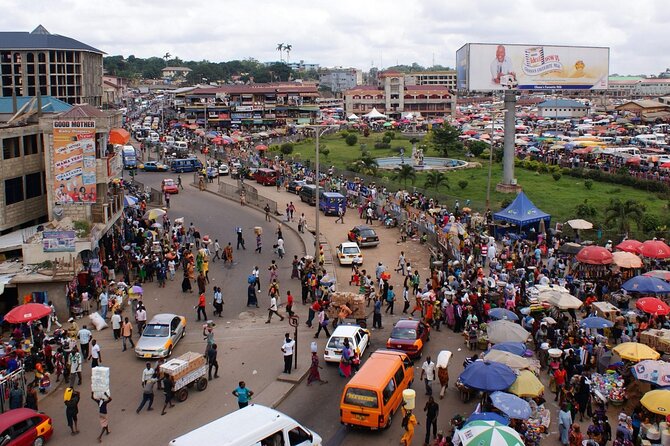
Kejetia Market is described as the largest single market in West Africa, and two hours here gives you enough time to do more than walk past the entrance. The market is divided into sections, with food, fabrics, footwear, gold and jewelry, pottery, household goods, handcrafts, oils, soaps, spices, and much more.
This is where a private guide earns his keep. Tell your guide what you want to see before setting off. The sections are spread out, and finding beads or a particular fabric on your own can take time. Daniel was praised for helping with bargaining and negotiating better souvenir prices. That service is especially useful if you are not used to Ghanaian market customs or do not know the local value of an item.
I would treat the market as a place to watch work as much as a place to shop. You see people handling food, fabric, tools, and household goods as part of ordinary city life. The downside is sensory overload. Two hours can pass quickly, and the crowds and size may tire anyone who prefers quiet, orderly sightseeing.
More things to do in Accra:
- The Cape Coast Day Tour
★ 5.0 · 525 reviews - The Cape Coast Tour
★ 5.0 · 177 reviews - From Accra: Cape Coast, Elmina Castle & Kakum Park Day Tour
★ 4.6 · 144 reviews - Accra Detailed City Tour
★ 4.5 · 118 reviews
Crafts at the Center for National Culture

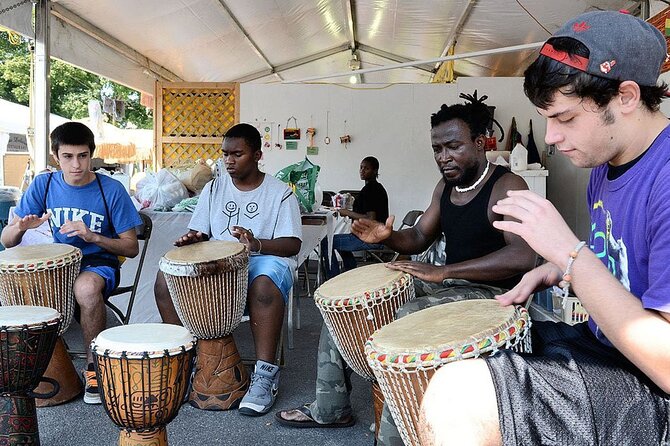
The Center for National Culture gives you a calmer look at Ghanaian handwork. At the craft center, artisans may demonstrate traditional methods for Kente cloth, brass items, and pottery. You may also have the chance to try local drumming, while the nearby shops sell handmade goods.
Admission is free, but you should still budget for purchases if you want to take home something made locally. Your guide can help with negotiation, which is useful but does not remove the need to compare prices and decide what you truly want. A shopping stop can easily expand when every table has something attractive.
This visit pairs well with Kejetia. The market shows commerce on a huge scale. The craft center lets you look more closely at the making of objects. I like that contrast because it gives you both the finished product and some sense of the human work behind it.
Bonwire and the meaning woven into Kente
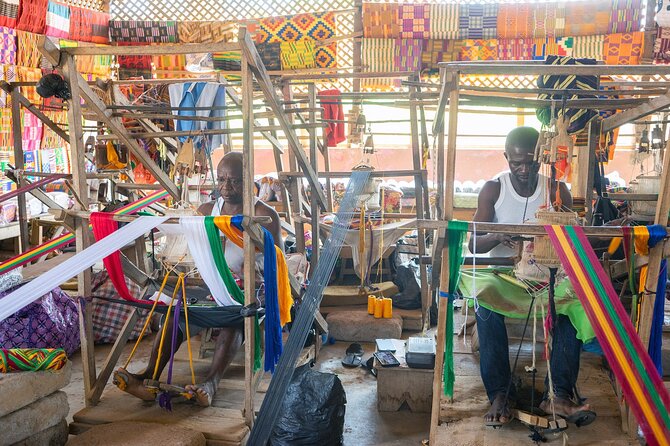
Bonwire is known as the home of Akan Kente cloth. Local tradition connects the origins of Kente weaving with two friends who watched a spider spin its web and learned from its pattern. The story is memorable, but the real value is seeing the process from the beginning rather than only buying a finished strip of cloth.
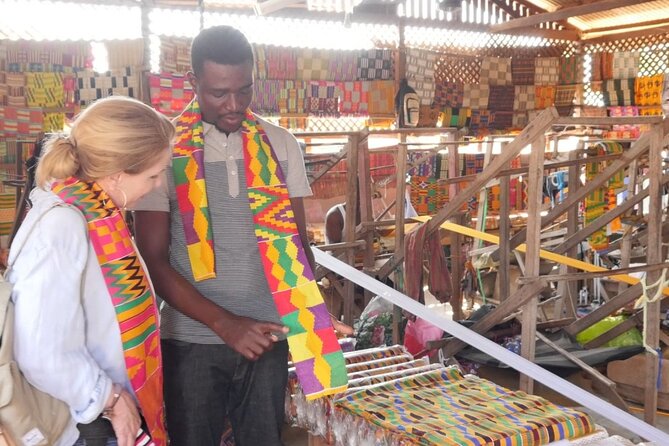
The visit lasts about two hours and admission is included. You can watch local weavers explain how Kente is made and may want to buy pieces directly from the village. This is one of the strongest parts of the tour for anyone interested in textiles, design, or the practical skills behind Ghanaian cultural symbols.
Do not assume every piece has the same value. Ask what the pattern means, how long the work took, and whether you are looking at a full cloth or a smaller piece. Your guide can help with the conversation and price. Bring patience, since a workshop visit is more rewarding when you allow time for explanation instead of treating it as a fast photo stop.
The schedule names Bonwire, while the wider tour description also mentions Adanwomase as an alternative Kente village. Confirm which village is planned for your date. The two names should not be treated as interchangeable when you are trying to plan your day.
Ntonso and the hands-on Adinkra experience
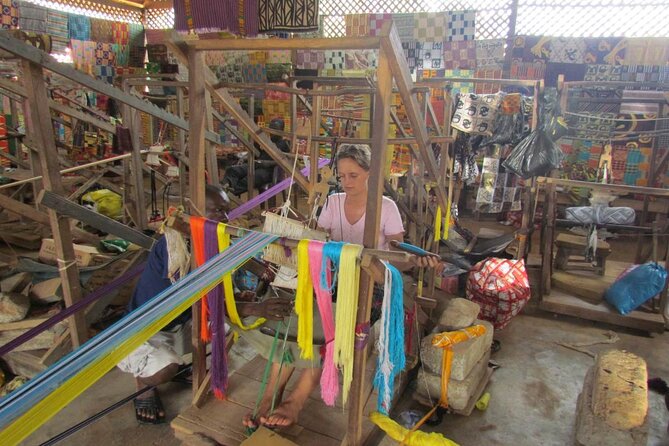
Ntonso Adinkra Village adds another craft tradition to the day. It is described as the only place in Ghana where traditional Adinkra is made locally from scratch. Here you can learn about the process and make Adinkra banners of your choice, with the option of creating clothing as well.
This activity gives the tour a creative edge. You are not only being told about Ghanaian design. You get to work with it. The result may be a little uneven, which is part of the charm. Ask the guide how the symbols are used and what your selected designs mean before you begin.
The supplied schedule specifically lists Bonwire for the Kente visit, while the overview also includes Ntonso. Since both villages involve craft instruction and the day already includes many stops, ask the operator which combination is included. If both are planned, expect an exceptionally full day. If only one is possible, choose based on your interest in woven cloth or stamped Adinkra design.
Fort Kumasi and the colonial chapter
The tour description includes Fort Kumasi, Ghana’s only inland fort and a former military garrison from colonial rule. Unlike a coastal fort, this site helps show how colonial power reached into the Ashanti interior.
The available timing does not list Fort Kumasi as a separate scheduled stop, so do not assume it receives a full dedicated visit. Ask before departure if the fort is part of your exact route and how much time is allowed. That question matters because the itinerary already contains more sites than most day trips can comfortably handle.
Even a short visit can add needed balance. The royal museum and sword site present Asante identity from a local historical perspective. The fort points toward the military and political pressures of British colonial rule. Together, they give you a less polished and more honest understanding of Ghana’s past.
Lake Bosomtwe after a long day
Lake Bosomtwe is Ghana’s only natural lake. The stop shifts the mood from city streets, museums, and workshops to a mountain setting with rainforest around the water and views toward Kumasi from higher ground along the route.
You have about two hours here, with no admission charge listed. The stop is intended for rest and time near the water. Swimming is possible, so bring a swimsuit if you want to finish the day with a dip. A boat cruise costs extra, and horse riding through the forest and nearby villages also costs extra.
This is a pleasant idea after so much sitting and sightseeing, though the timing may depend on traffic and how smoothly the earlier visits run. You should not count on a long lake stay if the road from Accra has been slow. The stop works best as a chance to stretch, relax, and enjoy the setting, not as a full lake holiday.
Guides, comfort, and the private format
The strongest praise for this experience centers on the staff. Daniel was singled out for explaining how the past shaped Ghanaian and Kumasi culture, checking that the group understood, and helping with purchases. Drivers James and Joseph were also credited with careful planning and support during the long road day.
That human element matters more here than it would on a simple city transfer. You need someone who can connect a sword site to Asante history, introduce village artisans, manage shopping time, and watch the clock. One group with seniors appreciated the attention given to mobility and the local arrangements made to keep activities running smoothly.
The tour is private, and most people can participate. Service animals are allowed, and the starting point is near public transportation. Still, the day involves long vehicle stretches and repeated walking and standing. If anyone in your group has limited mobility, tell the operator in advance and discuss the exact route, since the schedule covers several different sites.
Who gets the best value from $280
I would recommend this tour most strongly to people staying in Accra who have only one available day for Kumasi and want a private, guided overview. It also suits families, small groups, and older participants who benefit from one driver, one set of arrangements, and a guide who can adjust the pace.
The price is harder to defend if you dislike long drives or prefer to spend a full day in one place. You are paying for reach and coordination, not just admission tickets. The inclusion of several entry fees helps, but optional lake activities and shopping are extra.
Group discounts may improve the cost for larger parties. Since the tour has been booked around 33 days ahead on average, advance planning is sensible, especially if your travel dates are fixed. Free cancellation is available until at least 24 hours before the local start time, but late cancellations and last-minute changes are not accepted.
Should you book this Ashanti region tour?
Book it if you want a packed cultural day and accept the road time. The best parts are the private format, the range of craft and history stops, the chance to make Adinkra or study Kente weaving, and the practical help from guides such as Daniel with explanations and bargaining.
Skip it if your idea of a holiday day means a relaxed pace or if you want a detailed visit at every listed site. Before booking, confirm the departure time, the exact mix of Bonwire, Adanwomase, and Ntonso, and whether Fort Kumasi is included in the day’s route. With those details clear, this is a strong, ambitious introduction to Kumasi and the Ashanti region.
FAQ
Where does the tour begin and end?
The tour starts at Kotoka Airport in Accra, Ghana, and returns to the same meeting point at the end.
How long does the tour last?
The advertised duration is approximately 12 to 16 hours. Much of the remaining time is used for travel between Accra, Kumasi, and the scheduled stops.
How far is Kumasi from Accra?
Kumasi is described as about a six-hour drive from Accra. The exact road time can affect how long you have at each stop.
Is transportation pickup offered?
Yes. Pickup is offered, and the stated meeting point is Kotoka Airport in Accra.
Is this a private tour?
Yes. Only your group participates in the activity.
What is included at Manhyia Palace Museum?
Admission to Manhyia Palace Museum is included. The museum presents video material and historic items connected with Ashanti culture and Ghana’s past.
Can I buy Kente or other crafts?
Yes. You may buy Kente pieces at Bonwire, and handmade goods are available at the Center for National Culture. Your guide can assist with bargaining.
Are activities at Lake Bosomtwe included?
The lake visit has no admission fee listed. Boat cruises and horse rides cost extra. Swimming is possible, so bring a swimsuit if you want to use the water.
Can I cancel for a full refund?
You can cancel at least 24 hours before the experience start time for a full refund. Cancellations or changes made less than 24 hours before the start time are not accepted for a refund.
Just added in Accra
- Wli Waterfall And Tafi Monkey Sanctuary ( Volta Region)★ 5.0 · 1 review
- Traditional Beadmaking Workshop★ 5.0 · 1 review
- Private 9-Day Tour in Ghana★ 5.0 · 2 reviews
- Wli Waterfalls, Mount Afadjato & Tafi Atome Monkey Sanctuary★ 5.0 · 2 reviews
- Cape Coast and Elmina castle Day Trip★ 5.0 · 2 reviews
- Culinary for Social Change-Cooking Class★ 5.0 · 2 reviews
- Time with Nature★ 5.0 · 2 reviews
- Historical Day Tour to Cape Coast, Elmina and Kakum★ 5.0 · 3 reviews
Accra Tours, compared.

Experience the Beauty, History and the Culture Of Accra in a Day
Read our review →
Cape Coast, Elmina Castle & Kakum Park Day Tour
Read our review →

Browse the lists this tour appears in