
REVIEW · ACCRA TOURS
Guiding Tours In Ghana/West Africa
Ghana rewards curious visitors. Starvee Tours links waterfalls, cocoa farms, slave-trade sites, markets, craft villages, beaches and living traditions across Ghana and Benin. The guides focus on history, culture, food and daily life, rather than simply rushing from one famous sight to the next. I especially like the chance to meet local artisans and community members, and the flexible format can be adjusted for a group’s interests and abilities. The main caution is the scale: this is a packed 10-day program with long drives, several hotel changes and a cross-border section into Benin.
The experience is priced at about $307.70 per person, with accommodation, an air-conditioned vehicle, taxes, entrance fees and bicycle use included. That is strong value if the schedule runs as planned, especially for a group of up to 30 people. Still, you should ask for a final day-by-day plan before paying, since the supplied program contains optional visits, repeated destinations and some movements that need clarification.
In This Review
- Key points to know before booking
- Why the local guiding matters
- Day 1: Mona monkeys, Amedzofe and Wli Waterfalls
- Day 2: Accra’s old quarters, Ada and the Aburi hills
- Days 3 and 4: Cocoa, castles and the difficult Atlantic past
- Day 5: Ashanti culture in Kumasi
- Days 6 and 7: Water, stilt villages and the coast
- Days 8 to 10: Crossing into Benin
- What the $307.70 price really covers
- Who should book this experience?
- Final verdict: a strong value for curious, active visitors
- FAQ
- Where does the tour begin?
- How long does the experience last?
- What is included in the price?
- Are meals included?
- What is the maximum group size?
- Is the tour suitable for most people?
- Is the tour wheelchair accessible?
- Can I cancel for a full refund?
Key points to know before booking
- The tour reaches far beyond Accra: You visit the Volta Region, Cape Coast, Kumasi, Ghana’s Western Region and several major sites in Benin.
- Local craft is a major theme: See kente weaving in Kpetoe and Bonwire, Adinkra printing in Ntonso, bead making in Odumase Krobo and pottery production near Ouidah.
- The history is serious and direct: Cape Coast Castle, Assin Manso, Elmina and Ouidah connect the slave trade in West Africa with the forced journey across the Atlantic.
- Nature comes with real activity: Expect a 45-minute forest walk to Wli Waterfalls, a shorter hike at Dodowa, a canopy walkway at Kakum and canoe trips at Amansuri and Ganvié.
- The guides receive high praise: The strongest feedback highlights friendly service, professionalism and clear explanations of Ghanaian history, culture, food, art and markets.
- The schedule needs checking: The program covers a great deal of ground and includes a Ghana to Benin section, so confirm transport, borders, hotels and exact dates with Akua Vera Etornam.
Why the local guiding matters
The best feature here is the human contact. Guides with close ties to Ghana and West African culture lead you through places that can be hard to understand on your own. A walk through James Town means more when someone explains the old fishing harbor, the Ga communities and the changing role of the colonial buildings.
The same is true in a kente village or at a cocoa research center. You are not only looking at finished cloth or chocolate. You can watch how the work begins, meet people connected with the trade and see how local skills support families.
The two published comments praise the guides as friendly, affectionate, professional and well informed about the terrain, history and culture. One visitor described the experience as educational and focused on culture, tradition, food, art and street markets. That praise is important because this program depends heavily on the quality of the guide. Ask who will lead your group and how much time you will have for questions.
The group limit is 30 people, although the operator says it often works with groups of 10 to 20. A smaller group should make market walks, village visits and palace conversations easier. A full group may offer a social atmosphere, but it can be less nimble in narrow streets, boats and craft workshops.
More things to do in Accra:
- The Cape Coast Day Tour
★ 5.0 · 525 reviews - Experience the Beauty, History and the Culture Of Accra in a Day
★ 5.0 · 323 reviews - The Cape Coast Tour
★ 5.0 · 177 reviews
Day 1: Mona monkeys, Amedzofe and Wli Waterfalls
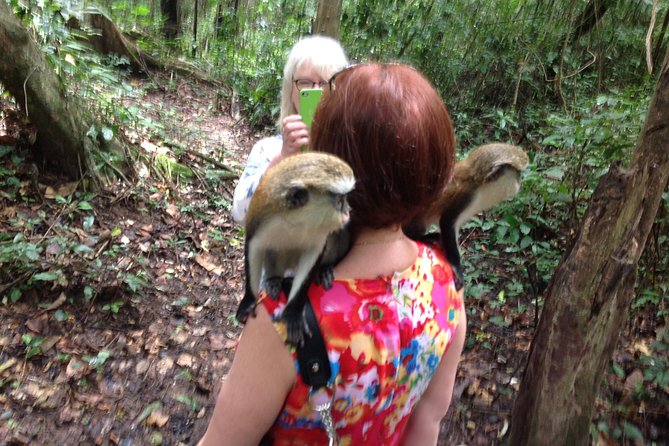
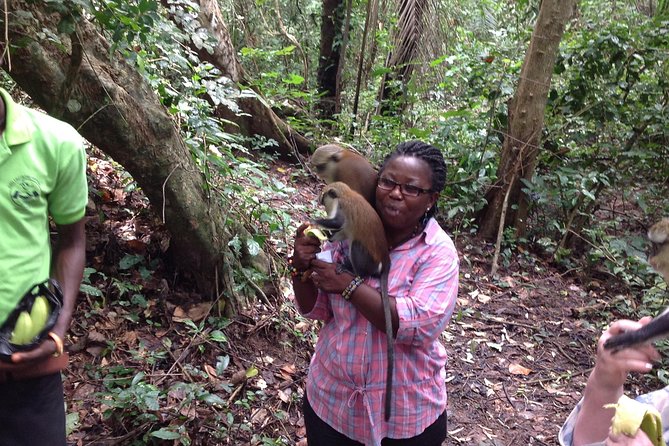
The Volta Region opens the journey with several different experiences. At Tafi Atome, you can meet Mona monkeys in the village. This is a friendly introduction to community-based tourism, but you should follow the guide’s instructions around the animals and keep expectations realistic. It is an interaction, not a wildlife safari.
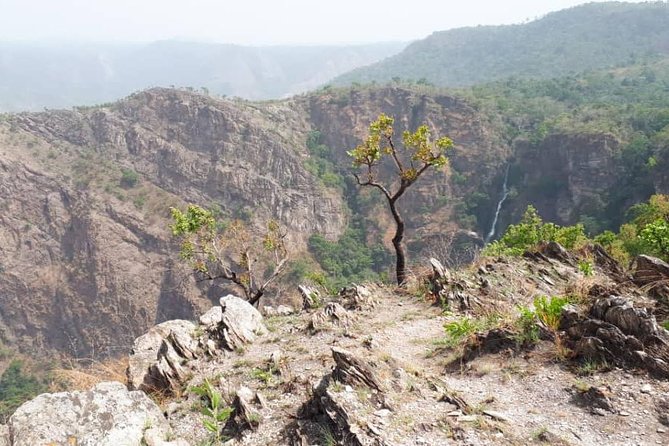
Amedzofe brings mountain views, a waterfall visit and a meeting with the traditional ruler and elders at the palace. That palace conversation may be one of the more meaningful moments of the trip. You are given a chance to hear about local traditions in a setting that is part of the community, rather than only reading about them in a museum.
Wli Waterfalls requires a 45-minute walk through forest to reach the pool. The waterfall is described as the highest in West Africa, and the clean pool offers time to swim, sit or eat lunch. Bring suitable walking shoes and a change of clothes. The walk and the pool make this more active than a simple roadside photo stop.
The overnight stay is listed at Mountain Paradise Hotel in Amedzofe. The following Volta Region program includes Ho, Kpetoe and a stay at Chances Hotel. At Kpetoe, you watch local cloth weaving and learn how the fabric is made. In Ho, a market walk gives you a look at food sold in raw form, with the guide helping you learn local names.
This first section has a relaxed cultural feel, but the published times overlap in a confusing way. Ask the operator to confirm how the Amedzofe, Wli and Kpetoe visits are divided across the days.
Day 2: Accra’s old quarters, Ada and the Aburi hills
Accra’s James Town and Usher Town are best approached on foot. You visit the old fishing harbor, climb Jamestown Lighthouse and continue to Independence Square. These areas give you a closer look at the city’s older communities than a drive past modern office buildings would.
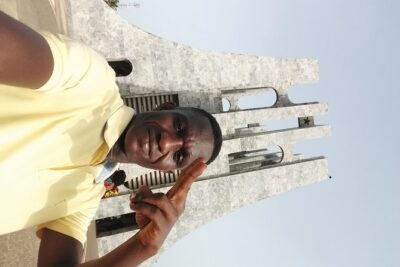
The Kwame Nkrumah Memorial Park honors Ghana’s first president, while the W.E.B. Du Bois Memorial Centre connects Ghana to Pan-African political thought. Osu’s Oxford Street adds a busier modern contrast. An optional stop at a Ga coffin workshop in Nungua offers one of the country’s most unusual art traditions: coffins shaped to represent a person’s work, interests or identity.
Ada offers a different pace. The Volta River estuary links to 16 islands, reached by dugout canoe or ferry canoe. A community walk may include basket weaving, fishing, farming and cooking. The houses are described as using termite clay and thatched or coconut roofing, and daily life centers on the river.
This stop may also include a visit to a fetish priest. That is a sensitive cultural encounter, so approach it with respect and let the guide explain what is appropriate. The value here is not spectacle. It is seeing how work, belief and family life connect in a rural river community.
At Dodowa, a 20-minute forest hike leads to a waterfall. Afterward, Aburi Botanical Garden provides a quieter stop among tropical trees. The garden was founded by the British in 1875 and once served as a sanatorium for colonial officials in Accra. You can eat a packed lunch, stop at Hillbury for food and a swim, or visit a wood-carvers gallery for souvenirs.
The Odumase Krobo day focuses on beads. At the beads college, you can see how broken bottles and other local materials become jewelry. A visit to the honey center at Dobro-Nsawam adds another small-scale enterprise, followed by fruit juice at Blue Skies. These stops are practical and grounded in local work, though craft-shop visits can naturally encourage buying. Set a budget before you go.
Days 3 and 4: Cocoa, castles and the difficult Atlantic past
At New Tafo Akyem, a traditional bead-making institute offers a demonstration from raw materials to finished pieces. The program names Mr. Cedis as the owner and director who leads the group through the process. That personal introduction is useful if you want to understand how craft production can support local livelihoods.
New Tafo also brings a cocoa institute and farm visit. You learn how cocoa is grown and harvested, then see how the beans can become chocolate, vinegar, wine, soap and cocoa butter. This is a worthwhile stop because Ghana is globally associated with cocoa, yet many people only see the packaged result.
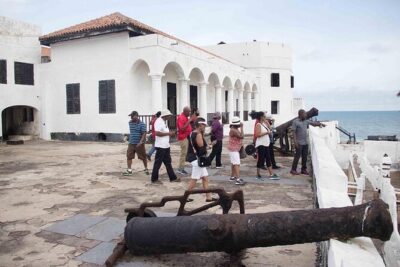
Cape Coast Castle changes the mood. A seasoned guide leads a detailed visit covering the slave trade, the coastal forts and the continuing effects of that history. You also get a photograph of Elmina Castle from the University of Cape Coast area, though the program says the Elmina interior is not toured at that point.
Assin Manso adds another serious site. The town was a final stopping place for enslaved people being taken toward Cape Coast. The slave monument, ancestral graveyard and river where people were bathed connect the trade to a specific place and human experience. Allow time for this visit to feel heavy. It should not be treated as just another stop between hotels.
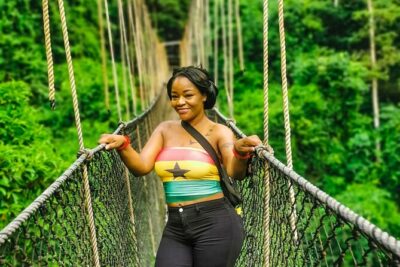
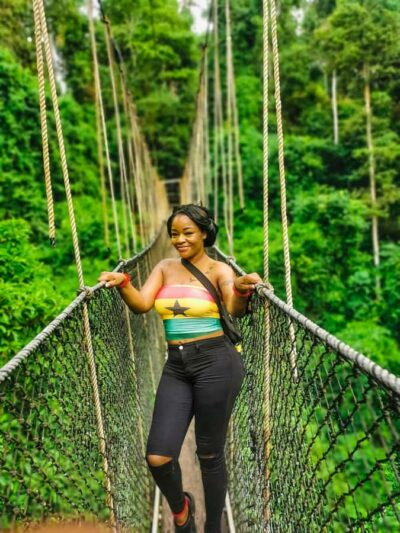
At Kakum National Park, a 350-meter canopy walkway hangs between seven treetops. A forest walk adds context before or after the walkway. The activity is short in the written schedule, so ask how much time is actually allocated if you want a slower forest visit.
Elmina provides a guided walk through Fort St. Jago, the fishing harbor and market. Dinner near the Atlantic Ocean includes an African dance performance. This combination of history, working waterfront and evening culture is appealing, but the day includes substantial driving and several major sights. Keep your expectations sensible rather than trying to give every place a full museum visit.
The return through New Tafo can include another cocoa demonstration and Bunso Arboretum. Since New Tafo appears more than once in the program, confirm whether these are separate visits or alternate scheduling options.
A completely different kind of day:
- From Accra: Cape Coast, Elmina Castle & Kakum Park Day Tour
★ 4.6 · 144 reviews - Accra Detailed City Tour
★ 4.5 · 118 reviews - Accra Guided City Tour Experience
★ 4.7 · 88 reviews - Accra Guided City Tour Experience
★ 5.0 · 76 reviews
Day 5: Ashanti culture in Kumasi
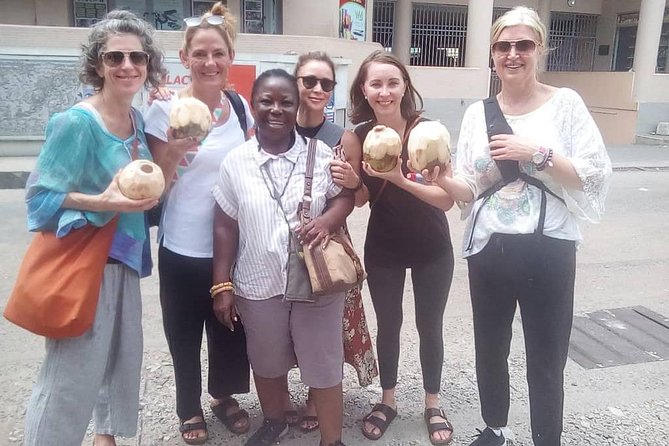
Kumasi is the cultural center of the Ashanti section. At Manhyia Palace, you learn about the Ashanti royal tradition, then continue to the National Cultural Centre, craft market and Prempeh II Jubilee Museum.
If your dates match the Akwasidae Festival, the operator may arrange a visit to the celebration. It takes place every six weeks on a Sunday and is one of the most important Ashanti events. This is a special opportunity, but it depends entirely on your dates and should be confirmed before booking.
The craft villages add hands-on context. Bonwire is known for Ashanti kente weaving. Adawomase and Ntonso focus on kente and Adinkra, the latter printed with local symbols and dye. The program explains the traditional contrast between kente, often linked with important occasions and joy, and Adinkra, commonly associated with funerals.
These villages are described as relatively touristy. That is not automatically a reason to skip them. They still help you understand how cloth carries meaning, but you should expect demonstrations and shops designed for visitors, not an untouched village encounter.
Days 6 and 7: Water, stilt villages and the coast
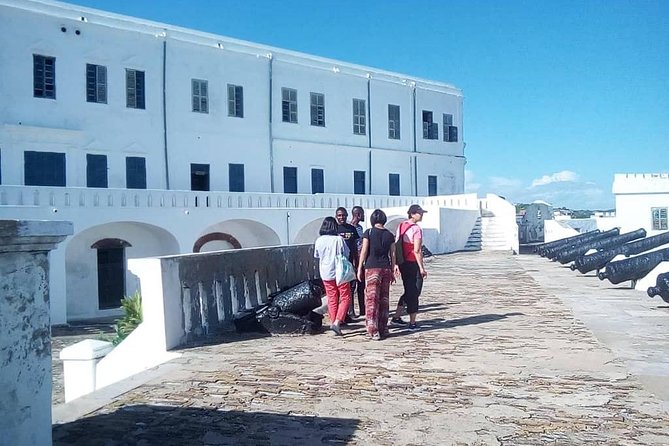
The Western Region section visits Nzulezo, a stilt village reached by canoe across Amansuri Lagoon. The settlement is on Lake Tadane, and its name means surface of water in Nzema. The village is described as roughly 400 years old, with residents living closely tied to the lake.
This is one of the more unusual parts of the program, but it requires flexibility. Canoe travel depends on local conditions, and the written schedule gives three hours for the visit. Confirm the exact departure point, boat arrangements and accommodation nearby.
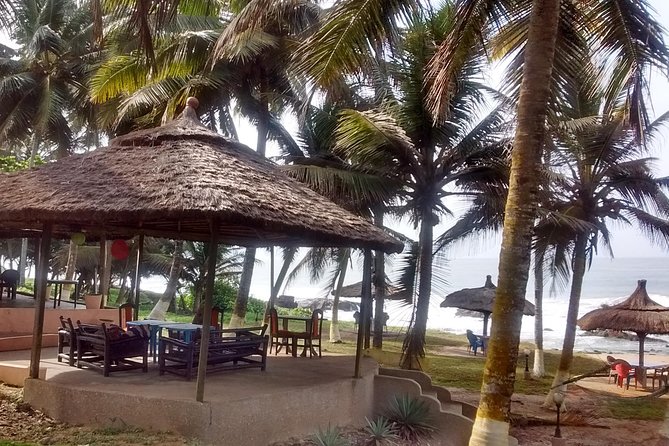
Busua Beach offers a slower break after so much cultural touring. You can relax by the beach and visit nearby villages to meet fishermen and cocoa farmers. Takoradi then provides a city tour covering the market, military museum, beach and older colonial residences.
The coast section balances recreation with work and history. I like that you are not confined to a resort. The drawback is that the overall program has already covered long distances, so a beach stop may feel too short if you want a full rest day.
Days 8 to 10: Crossing into Benin
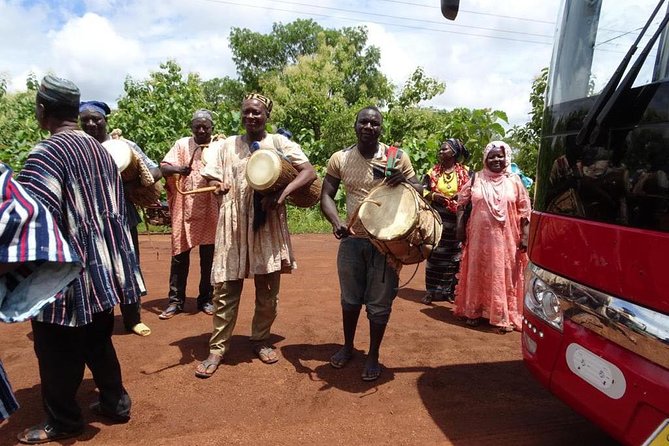
The Benin portion begins at Cotonou’s Cadjehoun Airport, where a driver-guide meets you in the arrival hall with a sign bearing your name. Confirm how this flight or transfer fits with the Ghana schedule, because the program also includes a return to Accra on an earlier day.
Ganvié is reached by motorized canoe on Lake Nokoué. The town is built on stilts and is home to about 40,000 people of the Tofinu tribe. The settlement developed as a refuge from Dahomey slave hunters, since religious customs restricted those hunters from entering the water.
A guided boat tour shows how life is organized around fishing and the lake. Spending a night on the water is described as an option within the program, so ask if it is included in your price or arranged separately.
Porto-Novo brings an agricultural training center, where you can learn about composting, fish cultivation, snail farming and animal husbandry. The Museum of Ethnography covers Yoruba culture and offers further context on the region’s links to the slave trade.
At Abomey, the Royal Palace introduces the former Dahomey kingdom. Possotomé shifts attention to village life around Lake Ahémè, sacred forest areas and local Voodoo practice. The right approach is quiet and respectful. You are observing a living faith, not attending a staged show.
Ouidah focuses on pottery, the slave-trade route and Voodoo culture. The Route des Enclaves is a 3.5-kilometer sandy road that recalls the final stage before enslaved people were taken to the Americas. Other possible stops include the Point of No Return Memorial, the History Museum in the Fortaleza São João Batista and the restored House of Brazil.
The final Cotonou time may include souvenir shopping, the Zinsou Foundation, art galleries, Stade de l’Amitié and Dantokpa Market. Because this Benin section contains several full days of activity, border formalities and transport details matter. Get the exact arrangements in writing.
What the $307.70 price really covers
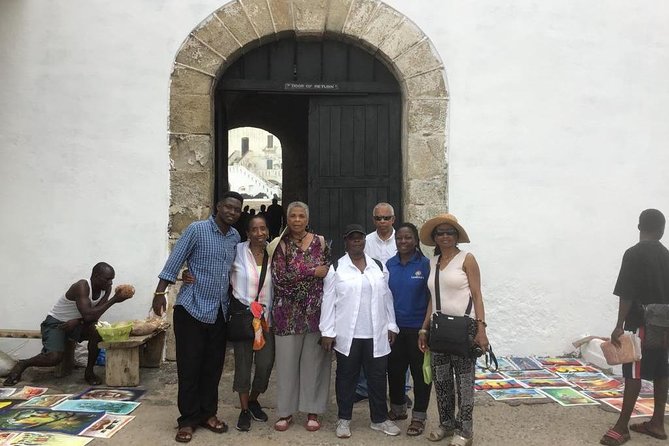
At $307.70 per person, the price looks compelling for a 10-day program. Accommodation, an air-conditioned vehicle, entrance fees, taxes and bicycle use are included. For a group of 10 to 20, that can offer a practical way to cover a large part of Ghana without arranging every transfer yourself.
The price does not include personal expenses, insurance, laundry, visa and passport costs, tips or scuba equipment. Meals are not clearly listed as included, although the program refers to lunches, dinner and restaurants. Ask specifically about food, drinks, airport transfers and the Ghana to Benin connection.
You should also ask whether the listed amount applies to the full Ghana and Benin route or to a flexible package that changes with group size. The operator says programs can be tailor-made, so the final price may depend on your chosen stops and accommodation.
Who should book this experience?
I would recommend it to you if you want broad coverage and direct contact with local communities. It suits people who enjoy history, crafts, food markets, nature walks and long road journeys more than visitors seeking a slow beach holiday.
It is also a good fit for families, clubs, school groups and cultural organizations, since the operator regularly works with groups and can adjust the plan to interests and abilities. Most people can participate, and service animals are allowed. Still, you should be comfortable with walking, forest paths, boats, heat and a demanding schedule.
The tour is less suitable if you want fixed times, luxury hotels or long periods without moving. The published plan has some repeated locations and optional choices, so careful pre-trip planning is essential.
Free cancellation is available up to 24 hours before the start time for a full refund. Changes or cancellations inside that window are not accepted or refunded. Confirmation is provided at booking, and mobile tickets are supported.
Final verdict: a strong value for curious, active visitors
I like this experience because it treats Ghana as more than Accra, Cape Coast and a beach resort. You see how cloth is woven, how beads and honey are made, how cocoa becomes many products, and how river communities organize daily life. The strongest praise centers on the guides’ warmth, professionalism and ability to explain history and culture, and those qualities are exactly what this wide-ranging route needs.
Book it if you want an ambitious introduction to Ghana and Benin, especially if local crafts, difficult history and community visits matter to you. Before booking, ask for a corrected day-by-day schedule, exact hotels, meal details, border arrangements and the name of your guide. With those points settled, the price offers a lot of experience for the money. If you prefer a gentler pace, choose a shorter Ghana-only plan and leave the Benin extension for another trip.
FAQ
Where does the tour begin?
The experience is based in Accra, Ghana, and airport pickup is offered. The program also includes a Benin section beginning at Cotonou’s Cadjehoun Airport.
How long does the experience last?
The full program lasts approximately 10 days.
What is included in the price?
The listed inclusions are an air-conditioned vehicle, all fees and taxes, bicycle use and accommodation.
Are meals included?
Meals are not clearly listed among the inclusions. The program mentions lunches, dinner and restaurant stops, so you should confirm meal coverage before booking.
What is the maximum group size?
The maximum is 30 people. The operator also specializes in groups of 10 to 20 people or more.
Is the tour suitable for most people?
Most people can participate, according to the supplied information. The program includes walking, forest hikes, waterfalls and canoe trips, so you should consider your own abilities before booking.
Is the tour wheelchair accessible?
Accessibility information is not provided. Contact the operator to discuss the walks, boats, forest paths and specific accommodation.
Can I cancel for a full refund?
Yes. You can cancel at least 24 hours before the experience start time for a full refund. Cancellations or changes made less than 24 hours before the start time are not accepted or refunded.
Just added in Accra
- Wli Waterfall And Tafi Monkey Sanctuary ( Volta Region)★ 5.0 · 1 review
- Traditional Beadmaking Workshop★ 5.0 · 1 review
- Private 9-Day Tour in Ghana★ 5.0 · 2 reviews
- Wli Waterfalls, Mount Afadjato & Tafi Atome Monkey Sanctuary★ 5.0 · 2 reviews
- Cape Coast and Elmina castle Day Trip★ 5.0 · 2 reviews
- Culinary for Social Change-Cooking Class★ 5.0 · 2 reviews
- Time with Nature★ 5.0 · 2 reviews
- Historical Day Tour to Cape Coast, Elmina and Kakum★ 5.0 · 3 reviews
Accra Tours, compared.
Experience the Beauty, History and the Culture Of Accra in a Day
Read our review →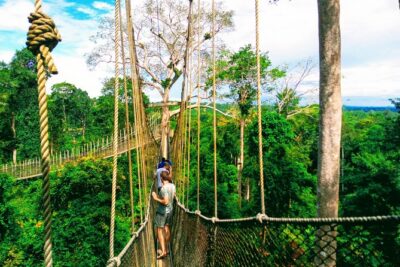
Cape Coast, Elmina Castle & Kakum Park Day Tour
Read our review →

Browse the lists this tour appears in