
REVIEW · ACCRA TOURS
Half-Day Guided Fabric Tour in Ghana
Fabric tells a story here. This six-hour Accra experience takes you from the busy stalls of Makola Market to a hands-on batik workshop, with a fashion designer guiding the way. I like the chance to learn what Ghanaian fabric symbols mean, and I like that you make a piece of cloth to take home rather than simply buying a souvenir.
The tour also includes hotel or residence pickup within Accra, bottled water, soft drinks, private transport, and a 20% discount on custom African wear. The main consideration is the price, $160 per person, which is fair if you value private transport, expert guidance, shopping help, and the workshop, but high if you only want a quick market visit. You should also be comfortable walking through a large market.
In This Review
- Key points to know before booking
- Why this Accra fabric tour is different
- Two hours inside Makola Market
- Choosing cloth for different occasions
- Three hours making batik at Exmac Fabrics
- What the guide adds to the experience
- Is $160 a good value?
- Timing, pickup, and what to bring
- Who will enjoy this experience most
- Booking and cancellation facts
- Should you book this Ghanaian textile tour?
- FAQ
- How long does the fabric tour last?
- Where does the tour take place?
- Is hotel pickup included?
- How much does the tour cost?
- What is included in the price?
- Is lunch included?
- Can I buy fabric during the tour?
- Do I get to make my own fabric?
- Is the tour suitable for people with walking difficulties?
Key points to know before booking
- Makola Market offers real fabric shopping: You see how buyers and sellers negotiate, compare prints, and choose cloth for different occasions.
- Albert brings fashion experience to the tour: He is a designer with 12 years in the fashion industry and can answer questions about textiles and Ghanaian society.
- You make your own batik fabric: At Exmac Fabrics, you choose a design and create a tie-dye or batik piece by hand.
- Your handmade cloth goes home with you: This gives the experience a personal result, not just photographs and memories.
- The tour stays small: A maximum of 10 people makes it easier to ask questions and get help with the fabric work.
- The schedule is split between shopping and making: Allow about two hours at Makola Market and three hours at the workshop, with travel time included in the six-hour outing.
Why this Accra fabric tour is different
Many city tours show you important places from the outside. This one gives you something to do with your hands. You learn how cloth is sold, how patterns carry meaning, and how a simple piece of material becomes a finished design.
The guide is central to the experience. Albert is a designer himself, and his background gives the tour a practical angle. He can explain textiles, clothing, and questions about Ghanaian society. That matters because fabric shopping can otherwise become a parade of bright colors without much context.
You also have room to shape the day around your interests. The tour is described as customizable, so you can place more attention on textiles, food, music, dance, or cultural questions when discussing your plans with the provider. The scheduled activities, however, are the Makola Market visit and the Exmac Fabrics workshop. Lunch and activities outside that plan cost extra.
The result is best understood as a culture-and-craft outing, not a general sightseeing tour of Accra. If you want landmarks and a long list of city stops, this is not the right choice. If you want to understand clothing traditions through shopping and making, it has a clear purpose.
More things to do in Accra:
- The Cape Coast Day Tour
★ 5.0 · 525 reviews - Experience the Beauty, History and the Culture Of Accra in a Day
★ 5.0 · 323 reviews - The Cape Coast Tour
★ 5.0 · 177 reviews
Two hours inside Makola Market
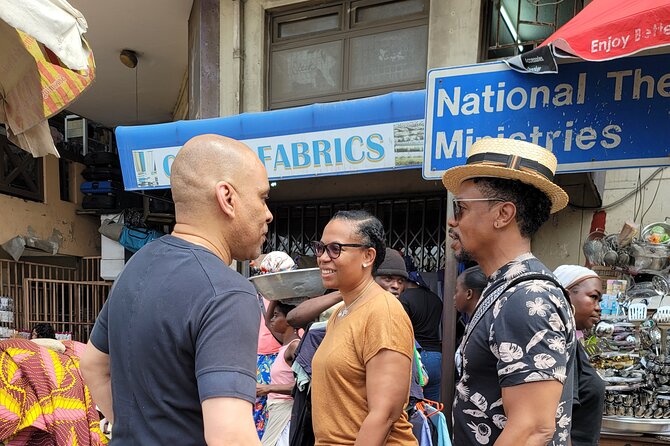
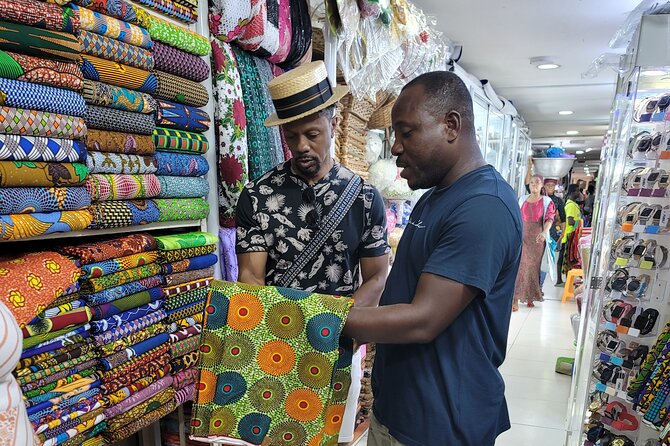
The tour begins at Makola Market, described as the largest open market in Accra. Your focus is the African print sellers area, where you watch the everyday exchange between buyers and sellers and learn how fabric is selected.
This is useful preparation for shopping. You are not simply pointed toward a row of cloth and left to guess. You learn the names of different fabrics, how they may be worn or used, and what the symbols in the patterns can mean.
Fabric often communicates more than color. A print may connect with an event, an idea, or a social message. The tour gives you a way to ask about those details instead of treating every pattern as decoration. I would keep a small note on your phone for names and meanings, since the selection may quickly become a blur of reds, greens, golds, and blues.
The market portion also helps you understand price. You can purchase local fabric at affordable or wholesale prices, according to the tour details. The exact cost of cloth depends on what you choose, so bring a little flexibility into your spending plan. The $160 tour price does not include your fabric purchases.
There is a practical tradeoff here. A large open market can be crowded and tiring, and the tour specifically warns that it is not suitable for people who have trouble walking. Wear shoes you can manage for several hours and keep your attention on your belongings. The market is part of the appeal, but it is not a quiet showroom.
You should also expect a shopping experience rather than a formal museum display. The value comes from seeing the buying process, asking questions, and comparing cloth in its everyday setting. If you prefer a calm, carefully labeled collection, Makola Market may feel demanding. If you want to see fabric where it is actually bought and sold, the setting makes sense.
Choosing cloth for different occasions
One of the best parts of the market visit is the connection between fabric and use. You learn that cloth choices can relate to occasions and purposes, rather than being based only on personal taste.
That makes the shopping more practical. You can ask what a particular fabric is commonly used for, which patterns carry a certain meaning, and how much material might be suitable for clothing. The tour does not promise that you will leave with a completed outfit, but it can help you choose fabric with more confidence.
The guide’s fashion background is especially helpful if you are considering custom clothing. A 20% discount on custom African wear is included as part of the experience. This is not the same as receiving a garment during the tour, so ask about the clothing process, pricing, fabric requirements, and delivery details before committing to an order.
The custom-wear option could make the tour more valuable for someone who wants a lasting piece of clothing. It is less important if you only want a small textile souvenir. I would decide before the tour if you are shopping for cloth, commissioning clothing, or simply learning. That keeps the market visit focused.
Three hours making batik at Exmac Fabrics
The second major stop is Exmac Fabrics, where you learn how handmade batik and tie-dye cloth is produced. This is the hands-on heart of the experience.
You choose a design, work with the material, and make your own fabric by hand. The tour includes the activity cost, and you take home the cloth you create. That final point gives the workshop real value. Your souvenir has a clear connection to the time you spent there, and no two handmade pieces need to feel exactly alike.
The activity is also a good balance to the market. At Makola, you observe sales and make purchasing decisions. At Exmac Fabrics, you take part in the creative process. You move from asking what a pattern means to making a design of your own.
The details of the production process are not spelled out step by step, so you should not expect a fixed menu of designs or a guaranteed finished garment. What is clear is that you select and create a batik tie-dye piece and take it with you. If your design is important to you, use the beginning of the workshop to ask how much choice you have over color, pattern, and layout.
Three hours is a substantial amount of time for a craft session. That is good news if you like making things and want guidance. It may feel long if you are only interested in a quick demonstration. This tour works best when you treat the workshop as the main event, not a short add-on between sightseeing stops.
A hands-on activity can also be more comfortable in a small group. The maximum group size is 10, so you have a better chance of asking for help and discussing your design than you would in a large coach group. Private transportation adds another layer of comfort between the stops.
A few more options to weigh up in Accra
- Accra Guided City Tour Experience
★ 4.7 · 88 reviews - Accra Guided City Tour Experience
★ 5.0 · 76 reviews - Accra: Guided City Tour with Lunch
★ 4.5 · 40 reviews - Private Aburi Hill Guided Tour
★ 5.0 · 34 reviews
What the guide adds to the experience
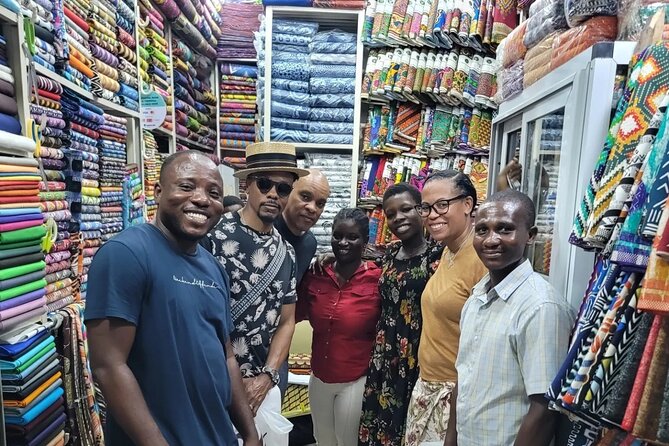
Albert’s role is more than directing you from one address to another. As a designer, he can connect the market visit with the workshop and explain why textiles matter in everyday life.
His fashion background is useful in two ways. First, it can help you make sense of fabric quality, print styles, and clothing uses. Second, it gives you someone to ask about the wider social setting behind what you see. His ability to answer questions about Ghanaian society was specifically praised, so I would arrive with questions rather than waiting for a scripted talk.
The provider describes the lead as a 12-year fashion industry expert. That does not mean every part of the day will be a formal lecture. It suggests that the tour’s strongest information comes through conversation, especially when you are looking at cloth or planning your own design.
This is a good reason to book the tour privately or with a small group of friends. You can ask about subjects that matter to you, including fabric symbols, clothing traditions, custom African wear, or the role of textiles at different occasions. A larger group may make that exchange less personal, even though the official maximum is still modest.
Is $160 a good value?
At $160 per person, this is not a budget market walk. The price makes more sense when you count the separate pieces: pickup and drop-off within Accra, private air-conditioned transport, a guide with fashion experience, the market orientation, the batik activity, bottled water, soft drinks, all listed fees and taxes, and the workshop materials or activity costs.
The custom clothing discount may add value if you plan to order African wear. It has less practical worth if you do not intend to buy clothing. Your market purchases, lunch, breakfast, and anything outside the listed activities are not included.
I see the price as reasonable for someone who wants a private, craft-focused cultural outing. You are paying for access, instruction, transport, and time with a designer, not just admission to a place. I would compare it less with a standard city tour and more with the combined cost of a guided market visit, private transport, and a multi-hour creative class.
The tour has also been booked an average of 20 days ahead. That suggests you should not leave it until the last moment if the date matters to you. Confirmation arrives when you book, and the group is capped at 10 people.
Timing, pickup, and what to bring
The full experience lasts about six hours. Around two hours are set aside for Makola Market and three hours for Exmac Fabrics, leaving roughly an hour for transportation and transitions.
Pickup and drop-off are offered at hotels or residences within Accra. The vehicle is air-conditioned, and private transportation is included. That is particularly useful when you are carrying fabric or returning with your handmade piece.
Bring comfortable walking shoes. The market portion requires walking, and the provider does not recommend the experience for people who cannot walk easily through a market setting. Bottled water and soft drinks are included, but lunch is not, so plan for your meal around the tour schedule.
I would also bring room in your luggage. You may buy cloth at Makola Market and will take home the batik piece you make. A phone with space for notes and photos can help you remember fabric names, symbols, and design ideas, although the tour does not promise any particular photography setup.
Who will enjoy this experience most
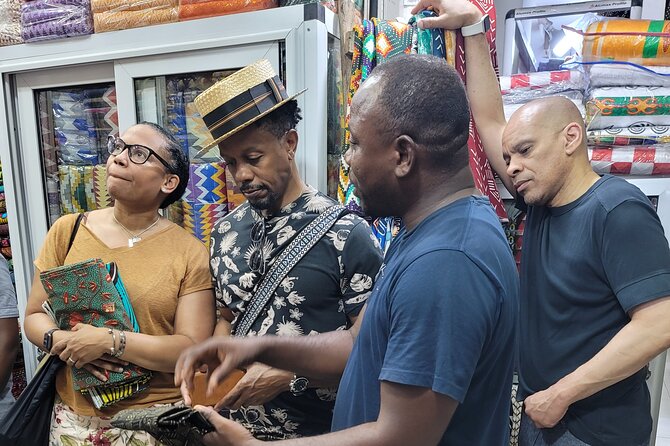
I would recommend this tour to you if you enjoy local shopping with explanation, want a creative activity, or have a serious interest in clothing and textiles. It also suits solo visitors and small groups. The experience can work alone or with colleagues and friends, and the small maximum group size keeps it from feeling like a standard coach outing.
It is especially appealing if you want more than a purchased souvenir. Making your own fabric gives the day a clear personal result, while the market visit gives you context for the cloth you see around you.
You may want to choose something else if your main goal is monuments, museums, or a broad overview of Accra. The tour concentrates on fabric, craft, shopping, and conversation. It also may not suit you if long market walks are uncomfortable or if you want every meal included.
The experience has received three five-star ratings, with particular praise for the handmade activity and Albert’s ability to explain textiles and society. That is a small number of ratings, so I would treat it as encouraging rather than conclusive. Still, the praise points to the two strongest reasons to book: making your own piece and learning from a working designer.
Booking and cancellation facts
You can cancel free of charge up to 24 hours before the local start time for a full refund. Cancellations or changes made less than 24 hours before the start are not accepted for a refund.
The tour is offered by Renaissance Cultural Tours. Mobile tickets are available, confirmation is provided at booking, and the experience is near public transportation, although pickup within Accra is already included.
Should you book this Ghanaian textile tour?
Book it if you want a focused, hands-on day that connects shopping with making. The strongest combination is the Makola Market explanation followed by three hours creating your own batik cloth. Albert’s design background gives the day a useful thread, and the included transport makes the $160 price easier to justify.
Skip it if you are seeking a low-cost market stroll or a full city tour. Also think twice if walking through an open market is difficult for you. For the right audience, though, this is a personal way to learn about Ghanaian fabric, ask informed questions, and return home with something you made yourself.
FAQ
How long does the fabric tour last?
The tour lasts approximately six hours, including the market visit, the batik workshop, and transportation between locations.
Where does the tour take place?
The experience takes place in Accra, with visits to Makola Market and Exmac Fabrics.
Is hotel pickup included?
Yes. Pickup and drop-off are included for hotels and residences within Accra.
How much does the tour cost?
The listed price is $160 per person.
What is included in the price?
The price includes an air-conditioned vehicle, private transportation, bottled water, soda or pop, all fees and taxes, the activities listed in the schedule, pickup and drop-off within Accra, and a 20% discount on custom African wear clothing.
Is lunch included?
No. Lunch and breakfast are not included.
Can I buy fabric during the tour?
Yes. At Makola Market, you can purchase local fabrics at affordable or wholesale prices. The cost of your purchases is separate from the tour price.
Do I get to make my own fabric?
Yes. At Exmac Fabrics, you choose a design and make your own handmade batik tie-dye fabric. You can take the fabric you create home with you.
Is the tour suitable for people with walking difficulties?
The tour is not recommended for people who cannot walk or who have difficulty walking in a market setting. Most travelers can participate, and the maximum group size is 10 people.
Just added in Accra
- Wli Waterfall And Tafi Monkey Sanctuary ( Volta Region)★ 5.0 · 1 review
- Traditional Beadmaking Workshop★ 5.0 · 1 review
- Private 9-Day Tour in Ghana★ 5.0 · 2 reviews
- Wli Waterfalls, Mount Afadjato & Tafi Atome Monkey Sanctuary★ 5.0 · 2 reviews
- Cape Coast and Elmina castle Day Trip★ 5.0 · 2 reviews
- Culinary for Social Change-Cooking Class★ 5.0 · 2 reviews
- Time with Nature★ 5.0 · 2 reviews
- Historical Day Tour to Cape Coast, Elmina and Kakum★ 5.0 · 3 reviews
Accra Tours, compared.

Experience the Beauty, History and the Culture Of Accra in a Day
Read our review →

Cape Coast, Elmina Castle & Kakum Park Day Tour
Read our review →

Browse the lists this tour appears in