

REVIEW · ACCRA TOURS
Makola Market Walking Tour
Accra’s best stories are sold by the basket. The Makola Market Walking Tour puts you inside one of Africa’s largest open markets, where food, clothing, cosmetics, medicines, electronics, textiles, and building supplies fill a maze of busy stalls. I like the chance to meet local sellers and learn how Ghanaian cooking works through ingredients such as gari, palm oils, giant snails, local fish, spices, and vegetables. I also like that the guide can help you find specific items and negotiate prices. The main drawback is that Makola can feel crowded and confusing, so this is not the right outing if you want a quiet, polished sightseeing stop.
A private English-speaking guide makes a real difference here. Guides such as Ben, Benjamin, and Prince have helped visitors navigate the market, explain its sections, and locate particular purchases. Allow two to three hours, though the time can stretch if you want to continue toward the artisan, timber, vegetable, or used-clothing areas.
In This Review
- Key points to know before you go
- Why Makola Market is worth your time
- Meeting your guide and entering the market
- The food market and Ghanaian kitchen
- From cosmetics and jewelry to textiles
- Going farther: timber, artisans, and building supplies
- Agblobloshie and the bend-down boutique
- What makes a private guide worth the price
- The pace, comfort, and practical side of the walk
- Who should book this Makola Market tour
- My verdict: a strong choice for first-time Accra visitors
- FAQ
- How long does the Makola Market Walking Tour last?
- How much does the tour cost?
- Is the tour private?
- What language does the guide speak?
- What is included in the tour?
- Can I cancel the booking or pay later?
Key points to know before you go
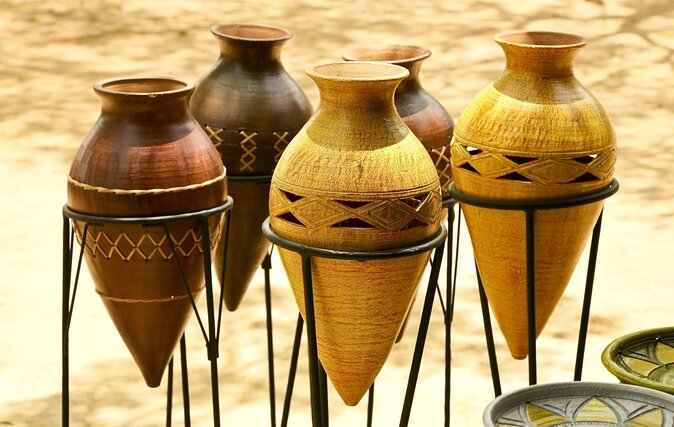
- Food comes first: Learn about Ghanaian kitchen staples, including gari, palm products, spices, produce, fish, bush meat, giant snails, and edible cow hide.
- A guide is highly useful: Makola is large and divided into many sections, so local help can save time and make shopping less stressful.
- Shopping is part of the experience: You can look for textiles, jewelry, cosmetics, groceries, electronics, clothing, and other everyday goods.
- The tour is private: You get an English-speaking guide for your own group rather than joining a large shared party.
- The route can expand: With enough time and energy, you may continue to the artisan and timber market, Agblobloshie vegetable market, or the bend-down boutique.
- Plan for a practical city experience: This is about ordinary Accra life, not staged entertainment or a tidy museum display.
Why Makola Market is worth your time

Makola Market gives you a useful lesson in how Accra shops, cooks, dresses, repairs, and builds. You are not simply walking past stalls and taking photographs. You are seeing the links between Ghanaian food, trade, clothing, household needs, and small business.
That matters because markets often explain a city better than a list of monuments. At Makola, you can see ingredients before they reach a kitchen, cloth before it becomes clothing, and materials before they become part of a building. The guide helps turn a fast-moving market into a series of understandable stops.
The market is also a place where interaction matters. You may hear sellers calling out prices, watch goods being sorted and displayed, and ask questions about items that are unfamiliar to you. The experience is most rewarding when you stay curious and let the guide explain what you are seeing rather than treating the market as a backdrop for photographs.
I especially like the tour’s balance between culture and practical shopping. You can learn about local products, then use that knowledge to buy something useful. Several visitors found Ben helpful when choosing goods and getting fairer prices. Prince was praised for guiding a group through the market and for adding wider context during a full day in Accra.
More markets in Accra:
- Makola Market Walking Tour
★ 5.0 · 14 reviews - Private Accra Market Tour
★ 5.0 · 10 reviews - Accra Street Food Tour: Makola Market Tour With Full Lunch
★ 4.1 · 9 reviews
Meeting your guide and entering the market
Your starting point depends on the option you select, so check the pickup details carefully when booking. The activity finishes with drop-off at two listed points in the Accra Metropolis, including the Accra Metropolitan Assembly area.
Once you meet your guide, the walk begins on foot. That is important. Makola is best understood at street level, where you can see the different trades close up instead of passing them from a vehicle.
Your guide will escort you through the market and help you keep track of the route. This is one of the tour’s strongest features. Makola’s many sections can be difficult to sort out on your own, especially if you have a short visit or want to find a particular item.
I would tell your guide at the start if you have a shopping goal. You might want fabric, a replacement suitcase, food ingredients, jewelry, clothing, or something for your home. Ben helped one visitor search for a replacement suitcase after the original broke, while other visitors relied on him to locate specific goods and negotiate prices.
Do not expect a slow, quiet stroll. The market is active, and the route may require attention to people, merchandise, and changing spaces. If you prefer a more relaxed pace, say so early. Flora specifically valued the way her guide paid attention to her comfort, which is a useful reminder that a private tour can be adjusted more easily than a large group outing.
The food market and Ghanaian kitchen
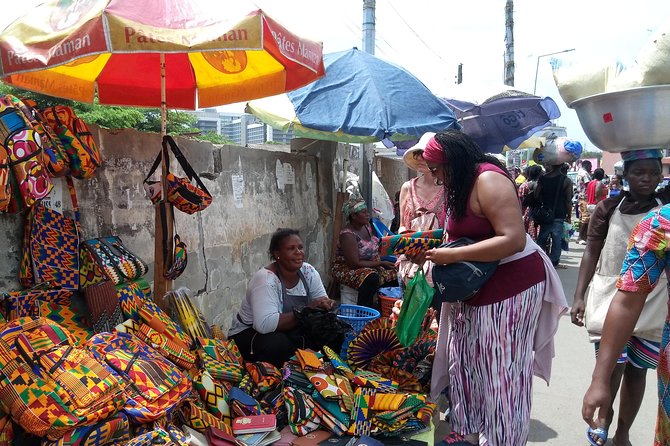
The food section is the natural starting point, and it gives the tour its strongest cultural focus. Your guide introduces the ingredients used in a typical Ghanaian kitchen and explains how they appear in daily cooking.
You may see gari, a cassava product, along with red and white palm oils, local spices, fruits, and vegetables. These are not just colorful market goods. They show how crops, processing, cooking, and trade fit together in Ghanaian homes.
The tour also covers foods that may be unfamiliar to you, including bush meat, fish, giant snails, and edible cow hide. The guide can explain what these products are and how they fit into local food traditions. If you are curious about Ghanaian cooking, this section is likely to be the most rewarding part of the walk.
One visitor enjoyed trying Agneli kaklo and tiger nuts during the market visit. That detail gives you a fair idea of the tour’s appeal: you can look, ask questions, and sometimes taste something new. Still, the supplied information does not promise food samples, so treat tasting as a possible bonus rather than a guaranteed part of the price.
This section may not suit everyone. Some food displays can challenge visitors who are unused to seeing whole or unusual animal products. That is part of the market’s honesty, but you should tell your guide if you would rather focus on produce, spices, oils, or prepared foods.
From cosmetics and jewelry to textiles
After the food market, the tour moves through several other parts of Makola. The cosmetic section shows a different side of the market, one centered on personal care and everyday shopping.
The jewelry section adds another layer, with smaller goods that may be easier to browse or take home. Textiles are particularly worth your attention if you are interested in Ghanaian clothing and design. Even if you do not buy anything, the fabrics help you see how fashion connects with local commerce.
You may also pass through groceries, pharmaceuticals, and electronics. These areas are useful because they show Makola as a working shopping district, not simply a place set aside for visitors. People come here for practical needs, and that everyday purpose gives the walk its character.
If you want to shop, remember that the tour is not presented as a dedicated buying trip. The guide can help you find items and may assist with price negotiations, but you still need to decide what you want, check the price, and choose what to purchase. I would make a short list before arriving. The market is large enough that a clear goal can save time.
More walking tours in Accra:
- Walking Tours In Cape Coast And Elmina
★ 5.0 · 9 reviews - Accra Walking Day Tour With Oswald
★ 4.5 · 2 reviews - Elmina & Cape Coast Walking Tours
★ 5.0 · 1 review - Accra Street Food Walking Tour with Akosua Serwaa
★ 5.0 · 1 review
Going farther: timber, artisans, and building supplies
If you still have time and energy, the route can extend toward the artisan and timber market. This section is known for skilled workers and materials used in construction.
It offers a useful contrast with the food and clothing areas. Here, the market becomes a source for building needs and practical materials. You may find goods connected with carpentry and construction, though the exact stops depend on your guide and the time available.
This extension makes the tour more flexible, but it also creates a tradeoff. Two hours may give you a solid overview of the central market. Three hours can allow more room for shopping and additional sections, but the walk may feel less manageable if you want to see everything.
I would not try to force every possible area into one visit. Ask your guide which section best matches your interests. If you care about craft and construction, go farther toward the artisan and timber area. If food is your priority, spend more time in the produce and ingredient sections.
Agblobloshie and the bend-down boutique
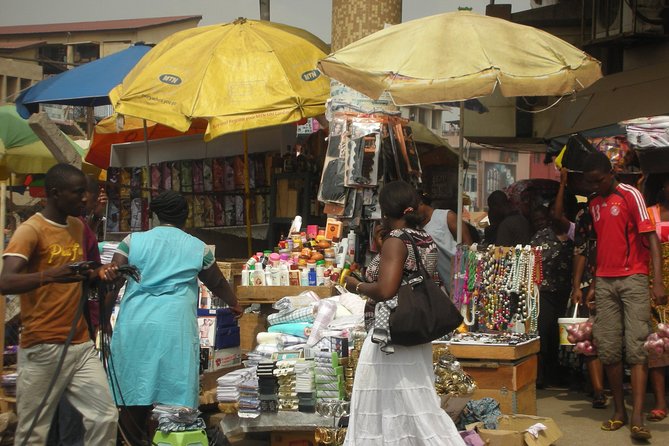
The tour can also include Agblobloshie, described as Ghana’s largest vegetable market. This is a good choice if you want more time with produce and market trade rather than manufactured goods.
Another possible stop is the used-clothing section known as Broni wawu, or the bend-down boutique. The name refers to secondhand clothing, and this area carries a wide range of used goods, including underwear, shirts, and shoes.
That section offers a direct look at how secondhand trade works in Accra. It may appeal to bargain hunters and anyone interested in clothing markets. It may feel less comfortable for visitors expecting a conventional retail experience, since goods are used and displayed in a less formal way.
Because these areas are described as optional extensions, do not assume both will be included in every two-hour walk. Tell your guide what interests you, and use the available time wisely. A private tour is most valuable when the route reflects your priorities.
What makes a private guide worth the price
At $58 per person, this is not the cheapest way to walk through a market. The value depends on how much you want from the visit.
If you only want to wander, you could spend less by visiting on your own. But the guide provides direction, cultural explanation, and shopping help. You also avoid losing time in the wrong section when you are searching for a particular product.
The private format is another advantage. You do not have to match the pace of a large group, and you can ask questions as you go. Flora described the guide as helpful with comfort and fun facts, while Judith valued the clear introduction to the market’s different sections.
Price negotiation adds practical value for anyone planning to buy. It does not guarantee that you will get the lowest possible price, but a local guide can help you understand where to look and may assist when a seller quotes more than expected. I would still treat every purchase as your own decision.
The price makes the most sense for a first-time visit to Accra, a short stay, or anyone who wants local guidance rather than a solo shopping mission. It is less compelling if you already know Makola well or mainly want a quick photograph and departure.
The pace, comfort, and practical side of the walk
The stated duration is two to three hours, with the main Makola visit listed at about two hours. Since the activity takes place on foot, you should be ready to walk through several market sections without a vehicle break.
Water is included, which is useful during a walking tour. The guide speaks English, and the group is private. Those details make the outing straightforward for English-speaking visitors who want direct conversation and room to ask questions.
A busy market requires some flexibility. You may need to pause while people move goods or while your guide speaks with a vendor. The route may not feel perfectly orderly, and that is part of the experience rather than a flaw in the tour itself.
I would wear practical clothing and keep your shopping list short. The supplied information does not specify a dress code, luggage arrangements, or a detailed accessibility plan, so you should ask the provider directly if those points matter to you.
The tour ends by returning you to the meeting place, with two listed drop-off locations in the Accra Metropolis. This makes it easier to plan the next part of your day, though you should confirm the exact starting and ending point for your selected option.
Who should book this Makola Market tour
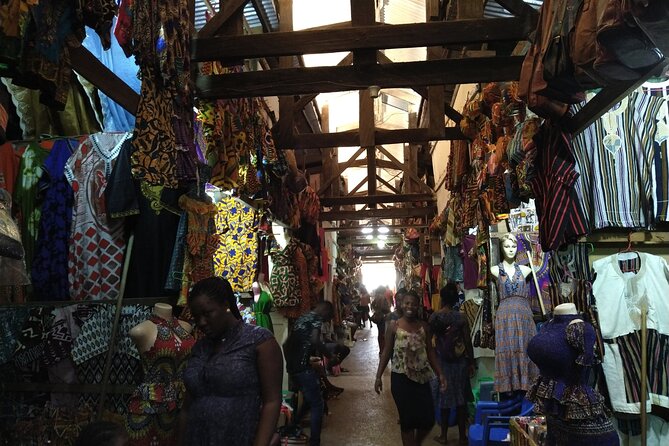
I would recommend this walk if you want to understand Accra through daily life. It suits visitors who enjoy food, shopping, street scenes, textiles, and conversations with local people.
It is also a strong choice if you are nervous about navigating a large market alone. The guide can point you toward the right section, explain unfamiliar products, and help with purchases. Brittany said she would not have wanted to explore the market alone, which captures the value of local help here.
Food-focused visitors should make the kitchen section their priority. Shoppers should arrive with a clear idea of what they need. People interested in craft and construction can ask about continuing toward the artisan and timber market.
I would be more cautious about recommending it to someone who dislikes crowds, prefers air-conditioned attractions, or wants a tightly timed sightseeing program. The market is authentic precisely because it is a working place, not a controlled exhibit.
The tour can also pair well with another Accra experience. Lindsay combined it with an Accra Slave Tour and spent the day with Prince, who added history and local facts between stops. That combination may suit you if you want one day focused on both Accra’s past and its present, but make sure you allow enough time for the market itself.
My verdict: a strong choice for first-time Accra visitors
The Makola Market Walking Tour earns its price through guidance rather than luxury. You get a private English-speaking guide, water, a focused walk through one of Accra’s major markets, and help making sense of goods that may be unfamiliar.
I like the food section, the range of possible market areas, and the personal help offered by guides such as Ben and Prince. I also like that the experience can remain practical: you can learn about Ghanaian culture and shop for something useful in the same afternoon.
Book it if you want an honest look at Accra’s food, trade, fashion, and everyday commerce. Choose it especially if you have a specific shopping goal or want someone to guide you through the market’s maze.
Skip it if you want a quiet attraction with fixed displays and little walking. For the right visitor, though, Makola offers something a polished sightseeing stop cannot: a direct look at how the city buys, sells, cooks, dresses, and works.
FAQ
How long does the Makola Market Walking Tour last?
The tour lasts two to three hours. The main visit to Makola Market is listed at about two hours, with extra time possible for additional market sections.
How much does the tour cost?
The listed price is $58 per person.
Is the tour private?
Yes. The activity is offered as a private group tour.
What language does the guide speak?
The live tour guide speaks English.
What is included in the tour?
Water and guiding services from a local expert are included.
Can I cancel the booking or pay later?
You can cancel up to 24 hours before the tour for a full refund. The booking also offers a reserve-now, pay-later option, so you do not need to pay at the time of reservation.
Just added in Accra
- Wli Waterfall And Tafi Monkey Sanctuary ( Volta Region)★ 5.0 · 1 review
- Traditional Beadmaking Workshop★ 5.0 · 1 review
- Private 9-Day Tour in Ghana★ 5.0 · 2 reviews
- Wli Waterfalls, Mount Afadjato & Tafi Atome Monkey Sanctuary★ 5.0 · 2 reviews
- Cape Coast and Elmina castle Day Trip★ 5.0 · 2 reviews
- Culinary for Social Change-Cooking Class★ 5.0 · 2 reviews
- Time with Nature★ 5.0 · 2 reviews
- Historical Day Tour to Cape Coast, Elmina and Kakum★ 5.0 · 3 reviews
Accra Tours, compared.


Experience the Beauty, History and the Culture Of Accra in a Day
Read our review →

Cape Coast, Elmina Castle & Kakum Park Day Tour
Read our review →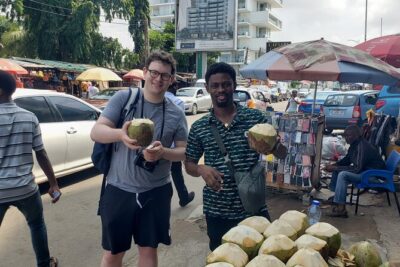

Browse the lists this tour appears in