

REVIEW · ACCRA TOURS
The Agbogbloshie (Accra E-waste and Recycling experience) Private Tour
Waste has a story worth seeing. This private Accra tour takes you into the Agbogbloshie community, presented as Ghana’s largest e-waste dumping site, to see how discarded electronics are sorted, stored, stripped, and recycled. You travel by air-conditioned vehicle, then continue on foot with guides who explain the work and daily life around the site.
I like the private format, which lets your group ask questions without being folded into a large crowd. I also like the chance to meet or hear from local guides, including guides named Toufic, Toufiq, and Aweisu in the tour feedback. The main drawback is that two to three hours can feel short for such a serious subject, and one two-hour visitor considered the $85 price high for the time involved.
In This Review
- Key points to know before you go
- What the Agbogbloshie experience is really about
- The drive from Accra to the site
- Scrap extrusion and the first look at recycling
- Walking through the dumping and storage areas
- The market and the larger story
- Why the private format matters
- Is $85 per person fair value?
- Who will appreciate this tour most?
- Practical advice for a respectful visit
- Should you book the Agbogbloshie tour?
- FAQ
- Where does the Agbogbloshie e-waste tour take place?
- How long does the experience last?
- What time does the tour start?
- Is hotel pickup included?
- Is the tour private?
- What will I see during the tour?
- Are food and drinks included?
- Can most people participate?
- Can I cancel for a full refund?
Key points to know before you go

- A driving and walking visit: You are taken to the area in an air-conditioned vehicle, then spend roughly an hour walking through working and living areas.
- A morning start is the smart choice: The operator can begin at different times, but recommends going before the sun is strongest.
- The recycling process is the focus: You may see scrap extrusion, sorting, storage, dumping areas, and the wider market connected to the trade.
- Local guides add essential context: Guides from the area explain what you are seeing and can provide a closer view than a vehicle-only visit.
- The tour is private: Only your group participates, making it easier to ask direct questions and set the pace.
- Expect an educational, confronting outing: This is not a polished attraction. It deals with environmental damage, difficult working conditions, and the global movement of unwanted electronics.
What the Agbogbloshie experience is really about
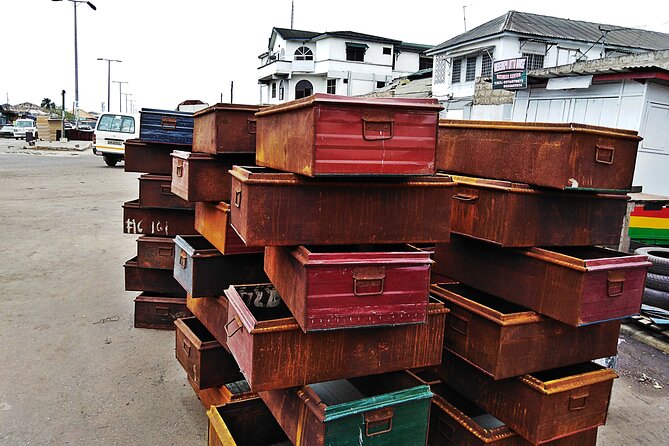
This is not a sightseeing stop in the usual Accra sense. You are not going to admire a monument, browse a carefully arranged museum, or spend an afternoon in comfort. You are going to look at what happens when old computers, appliances, phones, and other electronics become someone else’s problem.
The tour presents Agbogbloshie as the world’s largest e-waste dumping site. Its central question is simple: where does our e-waste go? That question gives the outing its weight. Electronic goods may be unwanted in wealthier countries, but they can still contain copper, aluminum, plastics, and other materials with resale value. The site shows both sides of that equation: discarded equipment can provide income, yet the work can also create serious environmental and health concerns.
I find the tour most valuable when you treat it as a lesson in global waste management rather than as an unusual photo opportunity. The people working there are not part of a staged performance. They are involved in a trade that supports livelihoods, and the guides help explain how recycling and recovery take place.
That distinction matters. You should arrive ready to listen, ask respectfully, and keep your camera in its place. The subject is human as well as environmental.
More things to do in Accra:
- The Cape Coast Day Tour
★ 5.0 · 525 reviews - Experience the Beauty, History and the Culture Of Accra in a Day
★ 5.0 · 323 reviews - The Cape Coast Tour
★ 5.0 · 177 reviews
The drive from Accra to the site
The experience begins in Accra, with hotel or residence pickup included. An air-conditioned vehicle is a welcome feature, especially if you are visiting during a hot part of the day or carrying belongings for a longer day of sightseeing.
The drive also gives you a useful transition. You leave the normal rhythm of central Accra and head toward an area where discarded electronics, scrap materials, storage, markets, work, and homes exist close together. The tour information describes the visit as flexible, but gives an 8:00 am start and encourages morning departures before the sun peaks.
I would choose the early option. It should make the walking portion more bearable, and it allows you to keep the rest of your day available. Since the full outing lasts about two to three hours, an early start can work well alongside other Accra plans.
The vehicle portion is more than a transfer. Your guide can begin explaining the scale of the e-waste issue before you arrive, helping you understand why piles of old electronics and scrap are not simply random rubbish. Still, the quality of this part depends on the guide assigned to your group, so it is worth asking questions from the beginning.
Scrap extrusion and the first look at recycling

One of the listed activities is a scrap extrusion experience. The tour also covers the recycling process, so you should expect to see how discarded materials are handled and turned into something that can be reused or sold.
The supplied details do not specify the exact machinery, products, or demonstrations available on every departure. I would therefore avoid expecting a fixed workshop presentation. Instead, think of this stop as a chance to see the practical side of scrap recovery and ask how materials move from discarded electronics into the next stage of the supply chain.
This is where the outing becomes more useful than a simple drive past a dumping area. You are shown that recycling is not one single action. Electronics must be gathered, sorted, stripped, stored, and moved through a market. Some parts have value, while others remain difficult to handle.
A local guide can help you read what you are seeing. One person may point out the work areas, while another explains how residents and scrap workers use the materials. The direct local perspective is one of the most praised parts of the experience, with visitors describing the guides as welcoming and detailed.
Walking through the dumping and storage areas

After the vehicle ride, the tour becomes a walking visit. One description says the walking section lasts about an hour and passes through working and living areas near the e-waste site. This is likely the most affecting part of the outing.
The dumping and storage stop is not arranged for easy viewing. You may find piles of electronic parts, informal work areas, and materials waiting to be sorted or sold. The word storage can sound tidy, but here it refers to the practical holding of scrap and equipment within a working community.
You should wear sensible shoes and clothing suited to heat and uneven ground, although the supplied information does not give a specific dress code. Keep your belongings secure and follow the guide’s instructions. Service animals are allowed, and most people can participate, but the tour includes walking through an active community rather than a purpose-built attraction.
Several visitors felt safe and said the guides took their time. That is encouraging, but basic courtesy still matters. Do not wander away from the group, step into work areas without permission, or photograph people without asking.
The local guide is especially important here. One guide was described as living next to the e-waste site, and another was praised for showing corners that a visitor would not see alone. That proximity can add real context, but it can also make the experience more personal and emotionally difficult. You are looking at a place where work and home life overlap.
A few more options to weigh up in Accra
- Private Car Service
★ 5.0 · 59 reviews - Private Aburi Hill Guided Tour
★ 5.0 · 34 reviews - Full-Day Accra Safari and Boat Cruise Private Tour
★ 5.0 · 32 reviews - Cape Coast/Elmina Slave Dungeon and Canopy Walkway Private Tour
★ 5.0 · 24 reviews
The market and the larger story
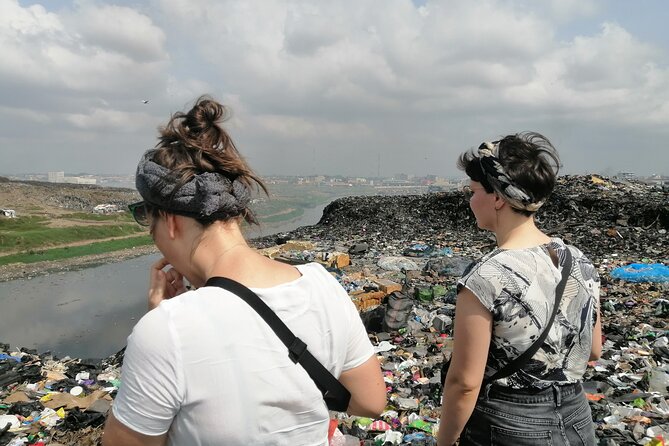
The final part of the route is described as a total market experience. This helps connect the dumping area with the wider economy around scrap materials. What arrives as unwanted equipment does not simply disappear. It enters a chain of sorting, recovery, resale, storage, and disposal.
The market component also keeps the story from becoming too simple. It is easy to see an e-waste site only as a symbol of failure. The market shows why people continue to recover materials: electronics can contain useful parts, and those parts can support businesses and families.
At the same time, recycling does not automatically mean safe recycling. The tour is valuable because it presents the tension between economic need and environmental cost. The supplied information emphasizes that developing countries may treat e-waste as a source of valuable materials, but recovery is not always handled safely. You can ask the guide where the remaining material goes, who buys recovered metals, and what changes would make the process safer.
Do not expect a formal lecture or a technical engineering course. This is a field visit, and the information will come through conversation, observation, and movement through the area.
Why the private format matters
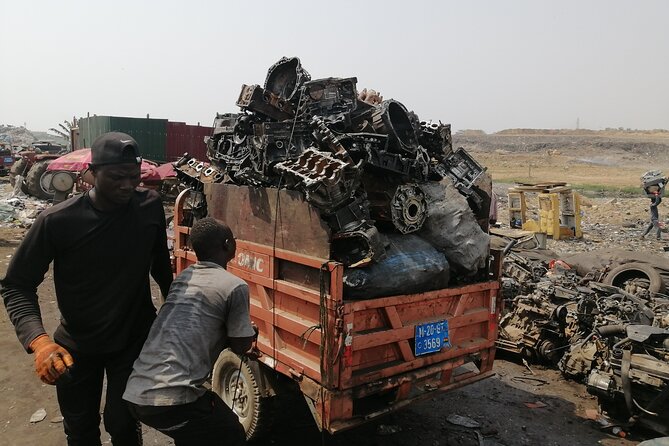
A private tour is a real advantage here. Only your group participates, so you can ask questions about a particular object, process, or part of the community without holding up a large party. You can also spend more time on a subject that matters to you and less time on one that does not.
The operator promises flexibility, including the ability to start at different times. That can help if your Accra schedule changes. Still, the listed start time is 8:00 am, and the practical advice is clear: earlier is better.
The local guide arrangement deserves a little thought. The experience may include the main tour operator’s guide and a resident guide at the site. That is a strength because a resident can explain the area from personal experience. One visitor also raised concerns about the boundaries of the onsite guiding approach, and the operator acknowledged that it needed attention.
For you, the takeaway is simple: expect a close, personal visit, but set your own boundaries. Ask before taking photographs, and tell the guide if you do not want to enter a particular area or discuss a personal subject.
Is $85 per person fair value?
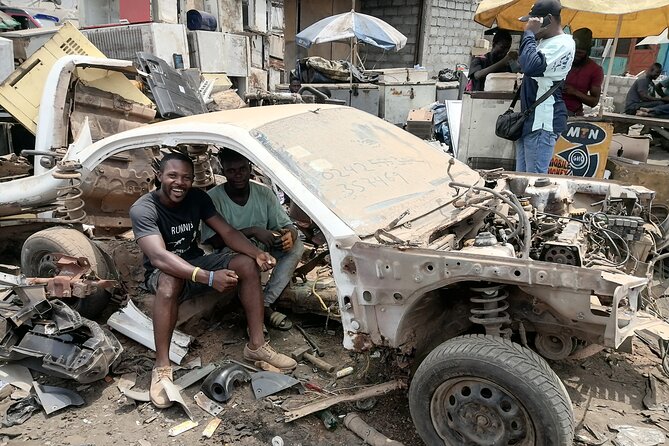
The price is $85 per person. That includes an air-conditioned vehicle, hotel or residence pickup and drop-off, all fees and taxes, and a private tour. Group discounts are available, so the value improves when several people share the experience.
For one or two people, the price may feel high for a two-hour outing. One visitor made exactly that point. You are not paying for a long day, a meal, or an extensive collection of included attractions.
You are paying for private transport, local coordination, a specialist subject, and access to an area that would be difficult to understand on your own. The value is strongest if you care about sustainability, environmental policy, ethical consumption, or the global trade in discarded electronics.
I would not book this expecting entertainment. I would book it because the topic matters and because the local guiding gives you a more grounded understanding than reading a short article or seeing photographs online. If you are sharing the cost with friends or family, the group discount may make the decision easier.
Food, drinks, and lunch are not included. Since the experience is short, that is not a major issue, but plan to eat separately before or after the tour.
Who will appreciate this tour most?
This outing suits you if you are curious about the destination of your discarded electronics and want to connect a global issue with a real place. It is also a good fit for students, sustainability-minded visitors, photographers who can work respectfully, and people interested in urban economies and informal recycling.
The tour can be meaningful for anyone who wants to understand how young people recover value from e-waste. Several accounts praise the guides for giving detailed explanations and for making people feel safe and welcome.
It may not suit you if you want a relaxed morning with little walking, dislike confronting environmental problems, or expect a polished attraction with clear viewing platforms. The experience may also be difficult for young children, although the supplied information says most people can participate. The operator does not provide a detailed age policy, so families should ask before booking.
Practical advice for a respectful visit
Choose the morning departure if possible. The operator offers flexible timing, but the recommendation to go before the sun is strongest is sensible.
Wear comfortable footwear and bring water, even though drinks are not included. Keep the walking portion in mind when planning your clothing and the rest of your day.
Listen first. The most useful moments are likely to come through questions and explanations from the guides, not through rushing from one pile of scrap to the next.
Ask permission before photographing workers or residents. You are entering a functioning community, not a film set. A respectful approach will also help you receive more open explanations.
The experience requires good weather. If poor weather causes cancellation, you are offered another date or a full refund. You can cancel for a full refund up to 24 hours before the start time, but changes or cancellations inside that window are not accepted.
Should you book the Agbogbloshie tour?
Book it if you want a serious, personal look at e-waste, recycling, and the human cost of global consumption. The private vehicle, flexible timing, hotel pickup, and local guides make the visit easier to manage, while guides such as Toufic, Toufiq, and Aweisu have been praised for their warmth and clear explanations.
Skip it if you are looking only for light sightseeing or if $85 feels too much for a short tour. The subject is confronting, the walking area is a working community, and the two to three-hour length leaves little room for a slow, extended examination.
For the right visitor, this is one of Accra’s most thought-provoking outings. You leave with fewer easy answers, which is precisely why the experience can stay with you.
FAQ
Where does the Agbogbloshie e-waste tour take place?
The tour takes place in Accra, Ghana, in and around the Agbogbloshie community and e-waste dumping area.
How long does the experience last?
The tour lasts approximately two to three hours. The main description also refers to a driving and walking tour lasting about two hours.
What time does the tour start?
The listed start time is 8:00 am. The operator also says the tour can begin at different times and recommends morning visits before the sun becomes strongest.
Is hotel pickup included?
Yes. Pickup and drop-off from your hotel or residence are included.
Is the tour private?
Yes. Only your group participates in this private activity.
What will I see during the tour?
The experience covers scrap extrusion, the recycling process, dumping and storage areas, and the wider market connected with e-waste recycling. It combines travel by vehicle with a walking visit.
Are food and drinks included?
No. Food, drinks, and lunch are not included.
Can most people participate?
The activity states that most people can participate. Service animals are allowed, and the tour is near public transportation.
Can I cancel for a full refund?
Yes, if you cancel at least 24 hours before the experience begins. Cancellations or changes made less than 24 hours before the start time are not accepted for a refund. If bad weather causes the operator to cancel, you are offered another date or a full refund.
Just added in Accra
- Wli Waterfall And Tafi Monkey Sanctuary ( Volta Region)★ 5.0 · 1 review
- Traditional Beadmaking Workshop★ 5.0 · 1 review
- Private 9-Day Tour in Ghana★ 5.0 · 2 reviews
- Wli Waterfalls, Mount Afadjato & Tafi Atome Monkey Sanctuary★ 5.0 · 2 reviews
- Cape Coast and Elmina castle Day Trip★ 5.0 · 2 reviews
- Culinary for Social Change-Cooking Class★ 5.0 · 2 reviews
- Time with Nature★ 5.0 · 2 reviews
- Historical Day Tour to Cape Coast, Elmina and Kakum★ 5.0 · 3 reviews
Accra Tours, compared.


Experience the Beauty, History and the Culture Of Accra in a Day
Read our review →

Cape Coast, Elmina Castle & Kakum Park Day Tour
Read our review →

Browse the lists this tour appears in