
REVIEW · CAPE COAST AND ELMINA CASTLE TOURS
Travel Back In Time(The door of no return)
History feels different when you walk its final mile. This long day from Accra links the Assin Manso Slave River, Elmina Castle, Cape Coast Castle, and Kakum National Park into one serious, moving experience. I like the symbolic First Bath of Return at Assin Manso, and I like having a private guide and air-conditioned vehicle for such a demanding day. The main drawback is the very early 5:00 am start and the risk of a long day on the road.
I also like the focus on African identity and remembrance rather than sightseeing alone. Guide Nii has been praised for setting a respectful tone, explaining the past clearly, and adjusting the pace when needed. Still, one booking had a serious pickup failure caused by a calendar error, so I would confirm your pickup details before the night before.
In This Review
- Five things to know before booking
- Why this Accra day trip matters
- The 5:00 am start from Accra
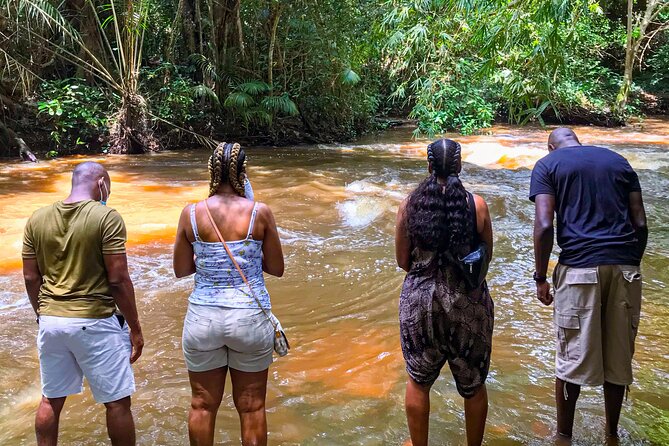
- Assin Manso and the last bath
- Elmina Castle and the Door of No Return
- Cape Coast Castle and the Door of Return
- Kakum National Park brings a needed pause
- Lunch, transport, and the value of $300
- Nii’s guiding style
- Who should book this tour?
- Booking, weather, and cancellation details
- The final call: should you book it?
- FAQ
- Where does the tour start?
- How long does the tour last?
- What sites are included?
- Are Elmina Castle and Cape Coast Castle UNESCO-listed?
- Is this a private tour?
- What is included in the $300 price?
- Can I cancel for a full refund?
- What happens if the weather is poor?
Five things to know before booking

- Assin Manso comes first: You visit the river where enslaved Africans were forced to take a final bath before being taken to the coast.
- Two major castles are included: Elmina and Cape Coast offer different but equally difficult lessons about the transatlantic slave trade.
- Kakum adds a change of pace: The canopy walk brings forest scenery and physical activity into an otherwise solemn day.
- The tour is private: Your group travels together, with more room for questions and personal reflection.
- The price covers key costs: At $300 per person, lunch, water, transport, fuel, and admissions are included.
- Plan for a full day: The outing lasts about 10 to 14 hours and begins at 5:00 am.
Why this Accra day trip matters
This is not a light sightseeing loop. The tour follows a painful chain of places connected to the forced removal of Africans: the river, the holding castles, and the doors through which captives were sent toward the Atlantic.
That order gives the day a clear emotional shape. At Assin Manso, you begin with remembrance and reconnection. At Elmina and Cape Coast, you confront the prison system that came before the ocean crossing. Kakum offers a physical and visual pause, but it does not erase the weight of the other stops.
I think this tour will mean the most to people of African descent who want to connect with Ghana’s past in a direct way. It also suits anyone seeking a serious history lesson with local guidance. If you want a relaxed coastal outing with plenty of free time, this is not the right fit.
The private format helps. You are not placed into a large mixed group, and you can ask questions without feeling rushed by strangers. That personal setup is particularly useful at the slave river and the castles, where you may need time to process what you are seeing.
More Cape Coast and Elmina castle tours:
- The Cape Coast Day Tour
★ 5.0 · 525 reviews - The Cape Coast Tour
★ 5.0 · 177 reviews - From Accra: Cape Coast, Elmina Castle & Kakum Park Day Tour
★ 4.6 · 144 reviews
The 5:00 am start from Accra
The early departure is practical, not decorative. The route covers several major sites outside Accra, and the full trip can last 10 to 14 hours. Starting at 5:00 am gives you time to reach the first stop and complete the coastal visits without making the day even longer.
You receive an air-conditioned vehicle, private transportation, bottled water, and lunch. Those inclusions matter in Ghana’s heat, especially on a day involving several hours of driving, walking, and standing. Fuel is also covered, so the advertised price is not followed by a string of basic transport charges.
The tradeoff is simple: you must be ready early. I would arrange your belongings the night before and treat breakfast as important. One positive account specifically noted that Nii made sure the group had a proper breakfast break before continuing. Even so, the information provided does not promise breakfast, so do not assume it is included in the $300.
The tour is booked, on average, 88 days ahead. That suggests you should not leave this one until the last minute, particularly if your Ghana trip has fixed dates.
Assin Manso and the last bath
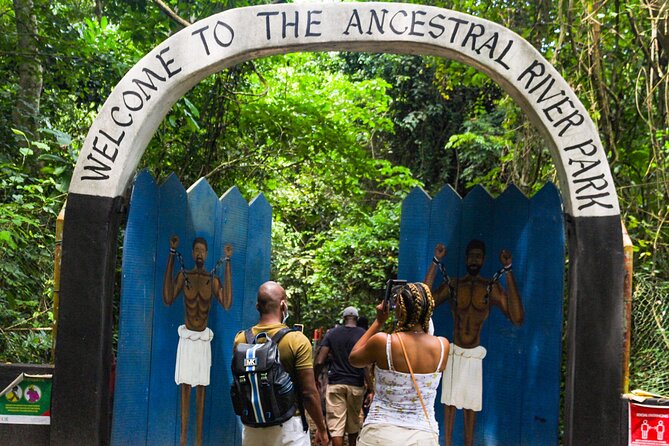
Assin Manso Ancestral Slave River Park is the right place to begin. Here, captives were forced to take a final bath in the Ndonkor Nsuo, also called the Slave River, before being moved toward the castles on the coast.
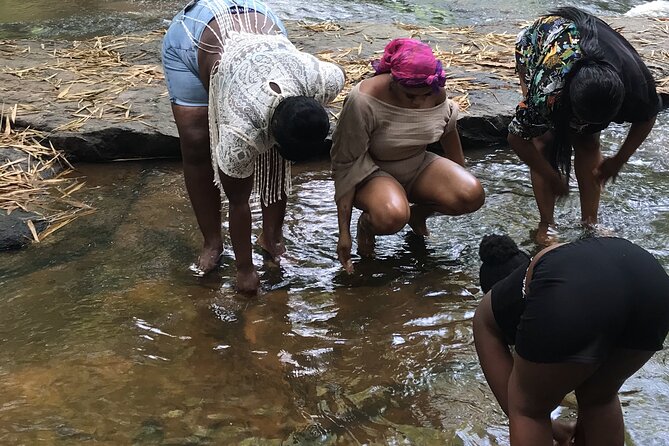
You walk along the same path associated with that forced journey. Local historians explain the site through storytelling, cultural teaching, traditional rites, and symbolic acts of remembrance. This is not simply a stop for photographs. The purpose is to recognize the people who passed through here and to consider what was taken from them.
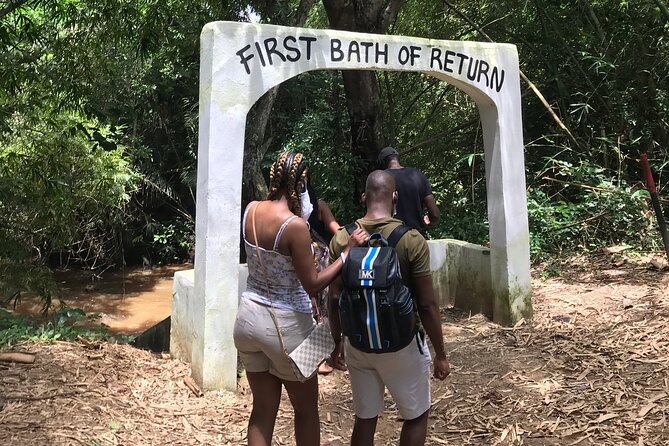
The most distinctive part is the First Bath of Return. This symbolic cleansing represents renewal, reconnection with heritage, and the start of a healing process. It is especially meaningful for people from the African diaspora who see the visit as a return to an ancestral homeland.
The stop lasts about one hour, with admission included. That may sound brief, but the emotional content is heavy. Give yourself permission to be quiet. You do not need to fill every moment with questions or pictures.
The river stop can also set the tone for the rest of the day. Nii has been praised for beginning with a message of remembrance and respect, which seems well suited to this site. If you are looking for a standard tour guide who rushes from one attraction to the next, this spiritual focus may feel unusual. For many people, it will be the reason to book.
Elmina Castle and the Door of No Return
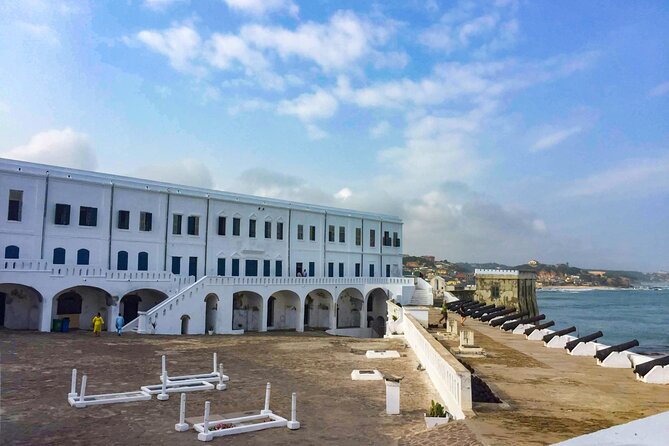
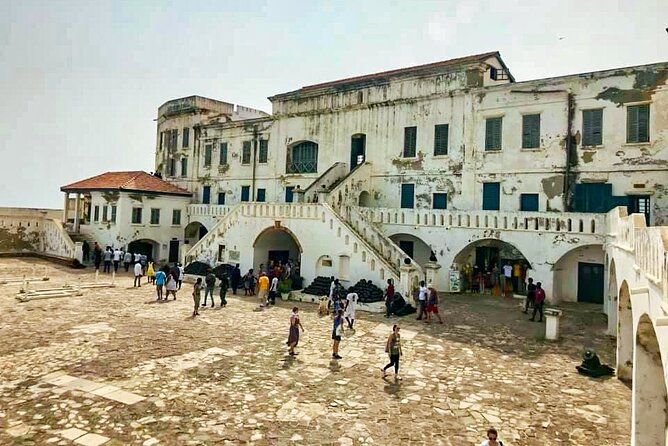
Elmina Castle was built by the Portuguese in 1482 and later became a major center in the transatlantic slave trade. Its location beside the sea can look striking, but the beauty of the setting should never soften what happened inside.
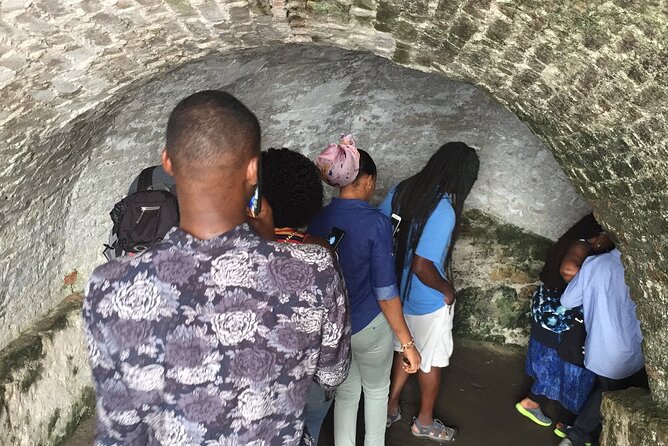
The guided visit takes you through the dark, narrow dungeons where enslaved Africans were held for months before being shipped across the ocean. You also see the governor’s quarters. The contrast between the living conditions above and below is one of the clearest ways to understand the power structure of the castle.
The Door of No Return carries the most direct symbolic force. Captives passed through it toward ships and an unknown future. Standing there connects the physical building to the human scale of the trade. You are not only learning dates and architecture. You are seeing the final threshold before families and communities were violently separated.
The official castle visit lasts about one hour, and admission is included. A local castle guide provides much of the detailed interpretation, while your private guide helps place the stop within the wider day.
I would expect narrow passageways, dungeons, and difficult subject matter. This is not suitable for someone who wants to avoid confronting cruelty. It is, however, one of the most important stops for understanding how the trade operated.
More things to do in Accra:
- Experience the Beauty, History and the Culture Of Accra in a Day
★ 5.0 · 323 reviews - Accra Detailed City Tour
★ 4.5 · 118 reviews - Accra Guided City Tour Experience
★ 4.7 · 88 reviews - Accra Guided City Tour Experience
★ 5.0 · 76 reviews
Cape Coast Castle and the Door of Return
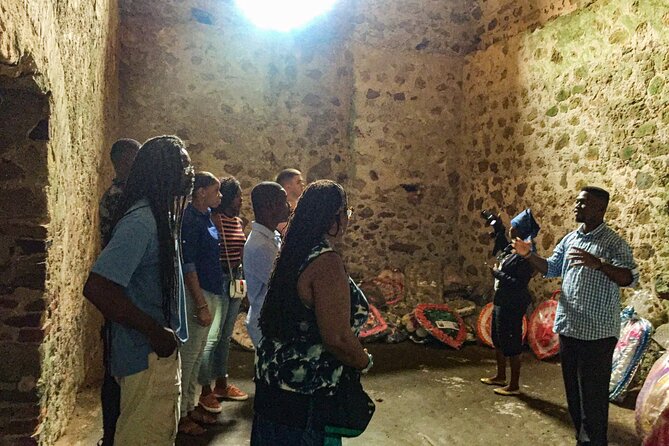
Cape Coast Castle offers another look at the system, with its own dungeons, governor’s quarters, and Door of No Return. The castle now also carries the symbolic name Door of Return, giving the site a different emotional frame for people reconnecting with their ancestry.
The visit shows how the castle functioned as a place of confinement before forced transport across the Atlantic. The dungeons were oppressive, while the governor’s quarters reflected a radically different standard of living. That physical contrast makes the injustice hard to ignore.
The guided tour includes personal stories and historical explanation. You should listen closely, because the value here comes from context rather than the building alone. Without a guide, it would be easy to see only walls, rooms, and sea views. With explanation, each space becomes part of a larger human story.
Cape Coast is another one-hour stop with admission included. By this point in the day, the subject matter may feel emotionally tiring. That is normal. The tour does not pretend that remembrance is easy or entertaining.
The Door of Return gives the visit a forward-looking element. It does not undo the past, but it offers a symbolic way to honor those who passed through the original door and reconnect with the descendants who came back.
Kakum National Park brings a needed pause
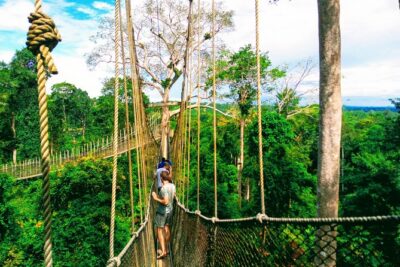
Kakum National Park adds a very different experience to the route. The highlight is the canopy walk, which takes you above the forest and provides a change from castle rooms, dungeons, and memorial sites.
I appreciate the contrast. After hours of difficult history, a walk among the trees can give you space to breathe and reset. One account described the national park as one of the fun parts of the day, alongside lunch by a beautiful beach.
The provided details do not specify how long you spend at Kakum or list a separate admission price. The tour highlights the canopy walk, but you should confirm the exact schedule and any practical requirements before departure.
You also need to remember that this is a full-day route, not a dedicated national park visit. If your main interest is forest adventure, choose a tour built around Kakum. Here, the park works as one part of a wider history and heritage journey.
Lunch, transport, and the value of $300
At $300 per person, this is not a budget day trip. The price makes more sense when you look at what it combines: a private guide, private transport, an air-conditioned vehicle, fuel, bottled water, lunch, and admission to the named historical sites.
You are also paying for convenience. Organizing Assin Manso, Elmina, Cape Coast, and Kakum independently would require separate planning, transport coordination, and timing. The private setup gives you one person responsible for the day’s flow.
Value depends heavily on your interests. If the Door of Return, ancestral remembrance, and Ghana’s role in the transatlantic slave trade are central to your visit, the cost can be reasonable for a private full-day experience. If you mainly want beaches, food, or casual sightseeing, $300 may feel high.
Group discounts are available, though no discount amounts are provided. Because the booking is private, the cost may become easier to justify when shared among several people in your party. Only your group participates, so you are not paying for a seat in a large public coach.
Lunch is included, but the details of the meal are not specified. Bottled water is supplied. I would still ask about the meeting point, pickup timing, dietary needs, and the day’s meal plan before committing.
Nii’s guiding style
Nii is the most praised part of the experience. He has been described as patient, kind, flexible, and ready to adjust to the needs of the group. He also sets a serious tone at the beginning, which is important for a tour centered on slavery, loss, ancestry, and return.
His role matters because the day includes both formal site guides and private travel time. At the castles, local guides explain the buildings and their history. Nii helps connect the separate stops into one story and gives you someone to speak with between visits.
The best reports describe him as a major reason the tour became a highlight of a Ghana trip. That is a strong endorsement, but you should still remember that a private guide experience can vary with the day, traffic, weather, and group needs.
There is one practical warning. A booking error once led to a missed pickup, unanswered messages, and a delayed response. The payment was refunded, and the operator explained that a calendar synchronization problem caused the mistake. That does not prove a pattern, but it is enough reason to confirm your reservation and pickup time in writing.
Who should book this tour?
I would recommend it most strongly to:
- People of African descent returning to Ghana and seeking a formal ancestral connection
- Visitors who want difficult history explained at the actual sites
- Private groups who value flexible conversation and personal attention
- First-time Ghana visitors who want several major heritage sites covered in one day
- People comfortable with an early start, long road time, heat, walking, and emotional subject matter
I would be more cautious if you dislike early mornings or become drained by a tightly packed schedule. The tour lasts up to 14 hours, and the historical stops are not emotionally light.
You should also choose carefully if your mobility needs are a concern. The information says most people can participate, but it does not provide detailed accessibility information for the river site, castles, or canopy walk. Ask the operator specific questions before booking.
Booking, weather, and cancellation details
Confirmation is received at booking, and mobile tickets are available. Pickup is offered, with a listed start time of 5:00 am. The tour is near public transportation, though the experience itself includes private transportation.
You can cancel for a full refund if you do so at least 24 hours before the local start time. Changes made inside that 24-hour window are not accepted, and the amount paid is not refunded for a late cancellation.
Weather matters. If poor weather forces cancellation, you are offered another date or a full refund. The experience also requires a minimum number of participants. If that minimum is not met, you are offered another date or experience, or a full refund.
Because of the previous pickup problem, I would send a confirmation message shortly before the tour. Keep the provider’s contact details handy, and do not wait until the vehicle is already late to check that everything is in place.
The final call: should you book it?
Book this tour if you want Ghana’s slave trade history presented through real places, local guidance, and a personal connection to African ancestry. The sequence from Assin Manso to Elmina and Cape Coast gives the day a clear purpose, while Kakum and lunch provide a needed break.
The strongest reasons to go are the First Bath of Return, the private format, and Nii’s reported care and flexibility. The biggest cautions are the $300 price, the 5:00 am start, the 10 to 14-hour duration, and the one documented pickup mistake.
Before paying, confirm the pickup, ask about the exact Kakum schedule, check what lunch includes, and make sure everyone in your group is ready for the emotional weight of the castles. If those points suit you, this can be one of the most meaningful heritage days you spend in Ghana.
FAQ
Where does the tour start?
The tour starts in Accra, with pickup offered. The listed start time is 5:00 am.
How long does the tour last?
The experience takes approximately 10 to 14 hours.
What sites are included?
The tour includes Assin Manso Ancestral Slave River Park, Elmina Castle, Cape Coast Castle, and Kakum National Park.
Are Elmina Castle and Cape Coast Castle UNESCO-listed?
Yes. The tour highlights visits to two UNESCO-listed slave castles near Accra.
Is this a private tour?
Yes. Only your group participates in the private tour or activity.
What is included in the $300 price?
Lunch, bottled water, an air-conditioned vehicle, private transportation, fuel surcharge, and admission tickets are included.
Can I cancel for a full refund?
Yes. You can receive a full refund if you cancel at least 24 hours before the experience’s start time.
What happens if the weather is poor?
If poor weather causes cancellation, you are offered a different date or a full refund.
Just added in Accra
- Wli Waterfall And Tafi Monkey Sanctuary ( Volta Region)★ 5.0 · 1 review
- Traditional Beadmaking Workshop★ 5.0 · 1 review
- Private 9-Day Tour in Ghana★ 5.0 · 2 reviews
- Wli Waterfalls, Mount Afadjato & Tafi Atome Monkey Sanctuary★ 5.0 · 2 reviews
- Cape Coast and Elmina castle Day Trip★ 5.0 · 2 reviews
- Culinary for Social Change-Cooking Class★ 5.0 · 2 reviews
- Time with Nature★ 5.0 · 2 reviews
- Historical Day Tour to Cape Coast, Elmina and Kakum★ 5.0 · 3 reviews
Cape Coast and Elmina Castle Tours, compared.


Cape Coast, Elmina Castle & Kakum Park Day Tour
Read our review →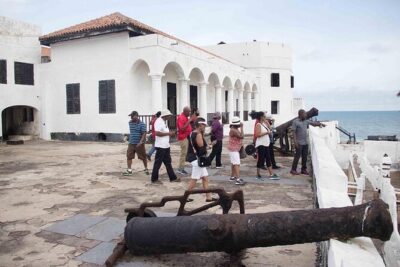

Cape Coast ,Elmina Castle and Kakum Full-Day Tour
Read our review →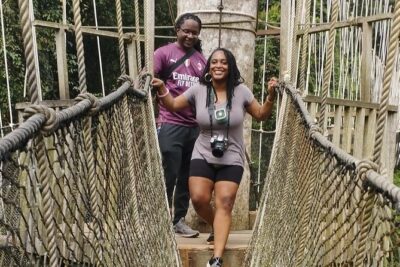

10 Days Trip to Cape Coast and Elmina Castles from Accra
Read our review →
The Homecoming Experience To Cape-coast And Elmina.
Read our review →Browse the lists this tour appears in