
REVIEW · COCOA FARM TOURS
1 Day cocoa farm tour
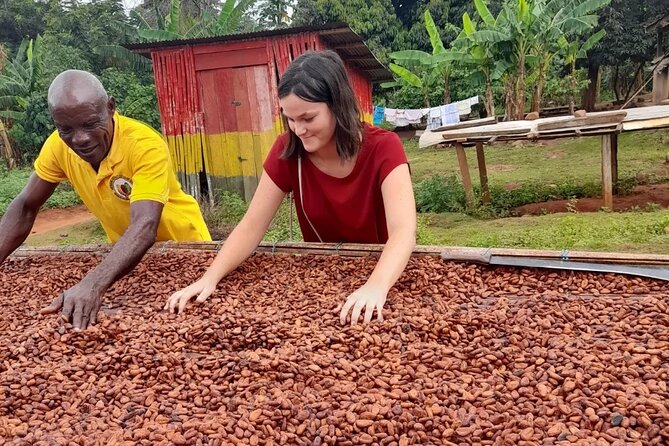
Cocoa has a story before it becomes chocolate. This private day trip from Accra takes you to Asamankese, where you can walk beneath cocoa trees, learn how farmers protect and harvest the crop, and see how cocoa moves from pod to bean. It is a practical look at rural Ghana, not just a quick photo stop.
I especially like the private guide arrangement, since you can ask questions at your own pace. The chance to walk under the tree canopy, hear dried leaves crunch beneath your feet, and taste cocoa during the visit gives the tour a more hands-on feel. Lunch and snacks are also included, which helps with a long day outside Accra.
The main consideration is the $349.94 price per person. That is a serious amount for a six-and-a-half-hour outing, so this makes the most sense if you value private transport, personal guiding, food, and a focused farm visit. You should also keep the weather in mind, since poor conditions can lead to a change of date or a refund.
In This Review
- Key points to know before you book
- Why this cocoa tour matters in Ghana
- Leaving Accra at 7:30 a.m.
- Arriving in Asamankese and seeing the farm
- Following cocoa from pod to bean
- The role of a private guide
- Lunch, snacks, and tasting cocoa
- Is $349.94 per person good value?
- Who will enjoy this day most?
- Booking details and practical preparation
- Should you book the Asamankese cocoa farm tour?
- FAQ
- Where does the cocoa farm tour take place?
- Where is the meeting point?
- What time does the tour start?
- How long does the experience last?
- How much does the tour cost?
- Is this a private tour?
- Is lunch included?
- Can I taste cocoa during the visit?
- What happens if the weather is poor?
- What is the cancellation policy?
Key points to know before you book
- Asamankese is the heart of the visit: The farm is located in this town, where you also learn about the area and its place in Ghana’s cocoa story.
- You see cocoa before it becomes chocolate: The visit covers farming practices, harvesting, drying, and the transformation of cocoa into the beans used in familiar products.
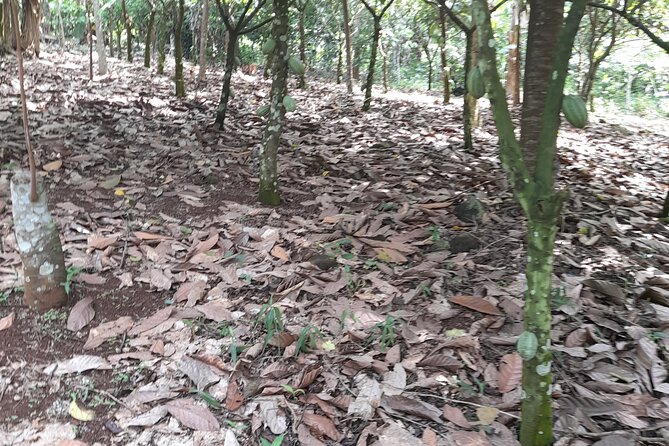
- The tree canopy is part of the experience: Walking among the cocoa trees offers shade, quiet, and a close look at the farm environment.
- Your guide can shape the day: The private format means only your group takes part, and guides such as Bless have been praised for patience, friendliness, and clear explanations.
- Food is built into the outing: Lunch and snacks are included, along with opportunities to taste cocoa.
- The timing favors an early start: Pickup or meeting begins at 7:30 a.m., with about 6 hours and 30 minutes set aside for the experience.
Why this cocoa tour matters in Ghana
Cocoa is not just a sweet ingredient here. It is a major cash crop and an important part of Ghana’s economy, so a farm visit gives you a useful connection between national commerce and ordinary rural work.
You see the crop at ground level. That means learning about the daily tasks that happen long before cocoa reaches a market or becomes a bar of chocolate. The experience helps you understand the care involved in growing, protecting, harvesting, and drying the pods.
I like this kind of tour because it corrects the usual chocolate-shop view of cocoa. You are not simply shown a finished product. You get to think about the farmers, the trees, the weather, and the careful processing that come first.
The visit also gives you a look at rural life around Asamankese. The town is not presented only as a route to the farm. You are expected to learn about its background and see something of its character, which adds a local setting to the agricultural lesson.
More cocoa farm visits in Accra:
- Boti Falls, Umbrella Rock, Aburi Gardens & Cocoa Farm Tour
★ 4.6 · 72 reviews - Experience Boti Waterfalls, Aburi Botanical Gardens & Tetteh Quarshie Cocoa Farm
★ 5.0 · 38 reviews - Boti Falls, Umbrella Rock, Aburi Gardens & Cocoa Farm Day Tour
★ 5.0 · 32 reviews
Leaving Accra at 7:30 a.m.
The stated start time is 7:30 a.m., with the ticket redemption point at Fantail Street in Accra. Pickup is offered, but you should confirm the exact pickup arrangement when booking rather than assume a particular hotel or neighborhood is included.
An early start is sensible. You have a long drive beyond the city, followed by time at the farm, so a late departure would make the day feel rushed. Starting early also gives you more time to enjoy the rural setting instead of watching the clock.
The trip is listed at approximately 6 hours and 30 minutes. That is long enough to feel like a proper day outing, though the advertised timing is closer to a substantial half-day than a full twelve-hour day. Since the schedule gives Asamankese about three hours, the remaining time covers transportation and the other parts of the visit.
Because this is a private activity, you do not share the day with a large bus group. That matters on a farm. You can stop when something catches your attention, ask for an explanation, and avoid being hurried from one point to the next.
Arriving in Asamankese and seeing the farm
Asamankese is the main destination, and the farm is one of Ghana’s oldest cocoa farms. That detail gives the stop more weight than a newly arranged demonstration plot. You are visiting a place tied to the longer story of cocoa growing in the country.
The farm visit begins with the setting itself. Cocoa trees form a canopy overhead, creating a shaded walking environment. The sound of dry leaves underfoot adds a small but memorable detail, and the quiet atmosphere helps you notice the difference between a working farm and an urban attraction.
You should expect to walk through the farm rather than simply look at a few trees from a vehicle. Wear comfortable shoes and clothes suitable for outdoor conditions. The provided information does not specify the exact path or ground conditions, so sensible footwear is the safest choice.
The farm is also a good place to slow down. You may find that the most interesting moments come between formal explanations, when you notice the trees, fallen leaves, and work taking place around you. This is an experience for people who enjoy observation as much as sightseeing.
Following cocoa from pod to bean
The strongest part of the visit is the chance to follow the cocoa process in order. You learn what happens before the beans appear in the products you recognize.
The explanation includes the harvesting and drying stages. These are easy to overlook when you buy chocolate, but they are central to the crop’s value. You can expect to hear about how cocoa is collected, prepared, and turned into the dried beans that move onward for further use.
The farm also shows how the crop is protected. One detailed account of the experience describes learning about the ways farmers care for the trees and guard the cocoa before it leaves the farm. That practical information gives the tour substance. You are not only looking at attractive trees; you are learning about work and risk.
Tasting cocoa adds another useful layer. The experience includes the chance to try cocoa, and some people particularly enjoyed eating it directly during the visit. The taste and texture can be quite different from a polished chocolate product, which makes the comparison worthwhile.
You may also see cocoa products that are not commonly available elsewhere. The exact products are not specified, so it is best to treat this as an opportunity for discovery rather than arrive expecting a particular item.
More things to do in Accra:
- The Cape Coast Day Tour
★ 5.0 · 525 reviews - Experience the Beauty, History and the Culture Of Accra in a Day
★ 5.0 · 323 reviews - The Cape Coast Tour
★ 5.0 · 177 reviews - From Accra: Cape Coast, Elmina Castle & Kakum Park Day Tour
★ 4.6 · 144 reviews
The role of a private guide
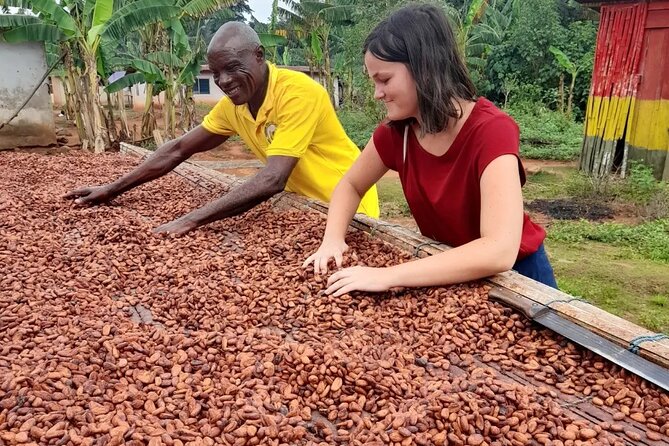
A private guide can make or break a farm visit. Here, only your group participates, so the experience can be adjusted around your interests and questions.
Guides connected with the tour include Bless, who has been described as friendly, patient, and well informed. Those qualities matter in an agricultural setting, where the best questions often come from small observations. If you want to understand a farming method or stop for a closer look, a patient guide makes a real difference.
The guide also helps connect the farm to the wider story of Ghana. You can ask about rural life, the value of cocoa, and the steps between cultivation and sale. A private format is especially useful if one member of your group is curious about farming while another is more interested in food and local culture.
There is one point to keep realistic: the information does not promise a full chocolate-making workshop or a detailed manufacturing demonstration. The focus is the farm and the early stages of cocoa production. If you want factory machinery, tempering lessons, or a formal chocolate class, this may not be the right choice.
Lunch, snacks, and tasting cocoa
Lunch and snacks are included, which is useful on a morning departure from Accra. You do not need to plan the entire day around finding food, and the meal gives you a natural break during a fairly active outing.
The exact menu is not provided, so you should not book this expecting a particular dish. If you have dietary needs, ask the provider before the tour. The available information confirms that food is included, but it does not specify substitutions or special meal arrangements.
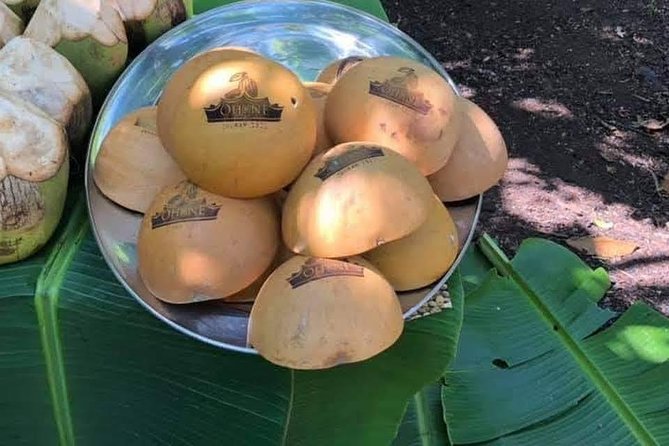
The cocoa tasting is more central to the character of the tour. Eating or trying cocoa while standing close to the trees creates a clear link between the farm and the final product. It is a small experience, but one you are likely to remember.
I would treat the included food as part of the convenience rather than the main reason to pay the price. The value comes from the combination of the private guide, transport arrangement, farm access, explanations, tasting, and meal.
Is $349.94 per person good value?
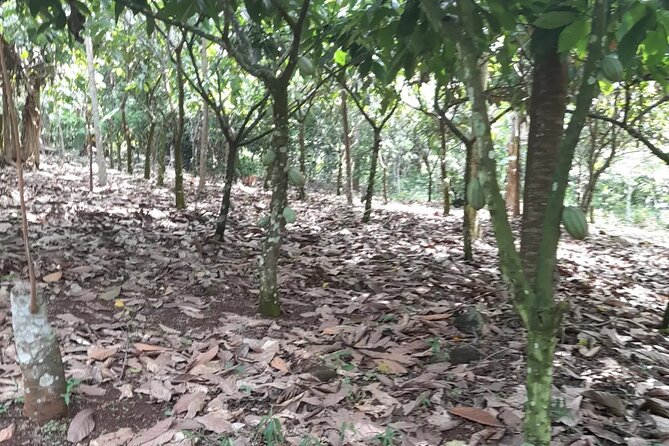
At $349.94 per person, this is not a budget excursion. You should compare it with what you would pay for transport, a private guide, meals, and the difficulty of arranging a farm visit independently from Accra.
The private setup improves the value if you are a couple, family, or small group that wants a personal day rather than a crowded coach outing. It is also helpful if you have limited time in Ghana and want one organized experience that combines rural scenery, food, history, and agriculture.
For a solo visitor, the price is harder to justify. One person pays the full per-person rate without the cost being spread across a group, although the private attention and the bonus stops sometimes offered by the provider may make the arrangement appealing.
You should also remember that about three hours are assigned to the farm and Asamankese, while the total outing lasts roughly six and a half hours. If your priority is a long, slow agricultural visit, confirm how much time will be spent walking and learning on site. If you prefer a manageable day trip, the duration may suit you well.
Who will enjoy this day most?
I would recommend this experience to you if you like local food, working farms, and tours that explain how ordinary products are made. It should also suit families, couples, solo visitors, and small private groups who prefer a guide focused on their questions.
It is a good choice for anyone who wants to see more than Accra without committing to a much longer trip. The rural setting provides a change of pace, while the cocoa subject gives the outing a clear purpose.
You may want to skip it if you dislike walking outdoors, have no interest in agriculture, or want a polished chocolate attraction instead of a working farm. The appeal is the real setting and the process, not a line of glossy displays.
The weather requirement is important. If rain or other poor conditions make the tour unsafe or impractical, the provider offers another date or a full refund. That policy offers some protection, but you should still keep flexibility in your schedule.
Booking details and practical preparation
Confirmation is provided when you book. The experience is private, and most people can participate, but the supplied information does not give detailed accessibility notes. If you have mobility concerns, ask about the walking route and ground conditions before paying.
You can cancel for a full refund if you do so at least 24 hours before the start time. Cancellations or changes made within 24 hours are not accepted for a refund, and the cut-off follows local time in Ghana.
Since pickup is offered and the listed meeting point is Fantail Street, confirm where your day begins. This is especially important if you are staying outside central Accra or arranging your own way to the meeting point.
Bring comfortable shoes, water, sun protection, and clothing you do not mind wearing on a farm. These are practical suggestions rather than stated tour requirements, but they will help you feel prepared for time beneath the trees and on farm paths.
Should you book the Asamankese cocoa farm tour?
Book this tour if you want a private, educational farm visit that connects Ghana’s cocoa economy with rural daily life. The canopy walk, harvesting and drying explanations, cocoa tasting, included food, and personal guiding give the day more substance than a simple countryside drive.
The price is the deciding factor. At $349.94 per person, it is best for a small group that values convenience and private attention. If you are traveling alone on a tight budget, you may find it expensive for the length of the experience.
For the right visitor, though, this is a worthwhile way to understand where Ghanaian cocoa begins. You leave with a clearer idea of the work behind the beans, a taste of cocoa at its source, and a more grounded sense of life beyond Accra.
FAQ
Where does the cocoa farm tour take place?
The farm is located in Asamankese, Ghana. The visit also includes learning about the town’s history and seeing its surroundings.
Where is the meeting point?
The ticket redemption point is Fantail Street, Fantail Street, Accra, Ghana. Pickup is also offered, so confirm the exact arrangement when booking.
What time does the tour start?
The stated start time is 7:30 a.m.
How long does the experience last?
The tour lasts approximately 6 hours and 30 minutes.
How much does the tour cost?
The price is $349.94 per person.
Is this a private tour?
Yes. Only your group participates in the activity.
Is lunch included?
Yes. Lunch and snacks are included.
Can I taste cocoa during the visit?
Yes. The experience includes the opportunity to try cocoa.
What happens if the weather is poor?
The experience requires good weather. If poor weather causes a cancellation, you can choose another date or receive a full refund.
What is the cancellation policy?
You can cancel at least 24 hours before the start time for a full refund. Cancellations or changes made less than 24 hours before the start time are not accepted for a refund.
Just added in Accra
- Wli Waterfall And Tafi Monkey Sanctuary ( Volta Region)★ 5.0 · 1 review
- Traditional Beadmaking Workshop★ 5.0 · 1 review
- Private 9-Day Tour in Ghana★ 5.0 · 2 reviews
- Wli Waterfalls, Mount Afadjato & Tafi Atome Monkey Sanctuary★ 5.0 · 2 reviews
- Cape Coast and Elmina castle Day Trip★ 5.0 · 2 reviews
- Culinary for Social Change-Cooking Class★ 5.0 · 2 reviews
- Time with Nature★ 5.0 · 2 reviews
- Explore Cape Coast – Elmina in a brief( Roles in the slave trade)★ 5.0 · 1 review
Cocoa Farm Tours, compared.
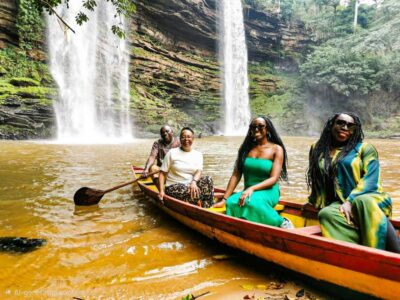
Boti Falls, Umbrella Rock, Aburi Gardens & Cocoa Farm Tour
Read our review →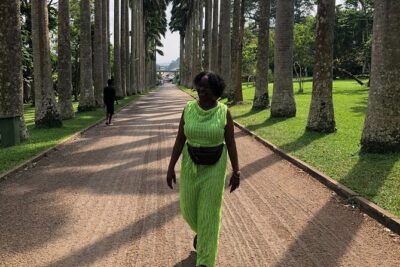
Experience Boti Waterfalls, Aburi Botanical Gardens & Tetteh Quarshie Cocoa Farm
Read our review →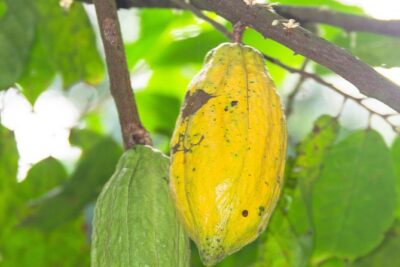
Escape Accra City to Aburi Gardens and Tetteh Quarshie Cocoa Farms
Read our review →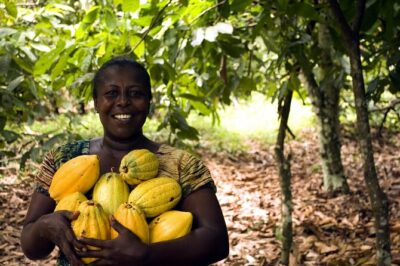
Boti Falls, Umbrella Rock, Aburi Gardens & Cocoa Farm Day Tour
Read our review →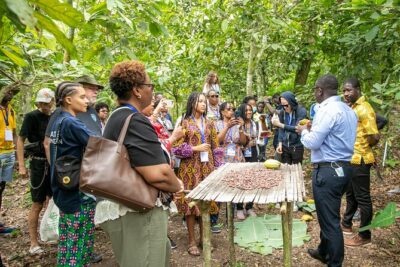
Boti Falls, Botanic Gardens, Cocoa Fam, Umbrella Rock Experience
Read our review →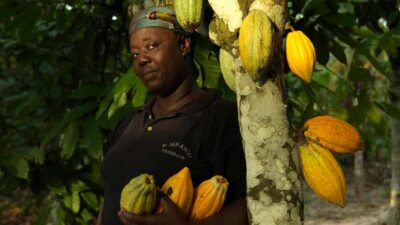
Accra Aburi Eco & Cocoa Experience: Gardens Waterfall &Lunch
Read our review →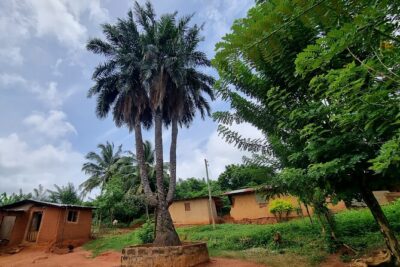
Aburi Botanic Gardens, Boti Falls,Umbrella Rock & Cocoa Farm Tour
Read our review →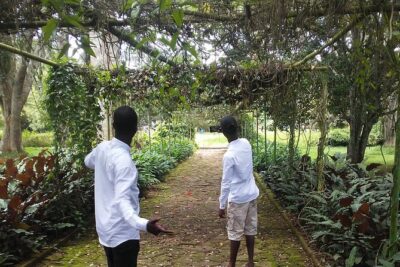
Browse the lists this tour appears in