
REVIEW · BOTI FALLS AND UMBRELLA ROCK
Boti Falls, Botanic Gardens, Cocoa Fam, Umbrella Rock Experience
Water, palms, cocoa, and a little mystery. This private day trip from Accra packs several Eastern Region sights into six to eight hours, giving you a broad taste of Ghana beyond the capital. I like the mix of outdoor adventure and local history, especially the chance to swim beneath Boti Falls and taste cocoa at the Tetteh Quarshie farm. I also like that the tour is private, so your group controls the pace more easily than on a large coach outing.
The main concern is seasonal water. From November through March, Boti Falls may be only a trickle or completely dry after limited rain. You should also prepare for a lot of steps, since the walk to the falls and back can total about 500 steps. If the waterfall is your main reason for booking, ask about conditions before you go.
In This Review
- Five things to know before booking
- Why this Eastern Region day trip works
- Boti Falls and the 250-step descent
- Aburi Botanical Gardens and its palm-lined entrance
- Umbrella Rock and the easier road option
- The three-headed palm tree at Boti
- Tetteh Quarshie Cocoa Farm and the beginning of chocolate
- Timing, comfort, and the real cost
- Who should book this experience
- Should you book Boti Falls and the cocoa farm tour?
- FAQ
- Where does the tour begin?
- Where does the tour end?
- How long does the experience last?
- Is pickup offered?
- Is this a private tour?
- Can I swim at Boti Falls?
- Could Boti Falls be dry?
- How many steps are involved at Boti Falls?
- What is the cancellation policy?
Five things to know before booking
- Boti Falls requires a serious stair walk: The listed descent is 250 steps, and the return climb brings the total to roughly 500.
- Water levels change by season: From November through March, Boti Falls may dry up, with Adom Falls or Oboadaka Falls offered as possible alternatives.
- The tour is private: Only your own group participates, with pickup available from Kotoka Airport in Accra.
- Aburi Gardens is more than a quick photo stop: A guided visit covers palms, medicinal plants, the Ficus tree, a rock garden, Lovers Lane, and a retired helicopter.
- Cocoa becomes a hands-on lesson: At Tetteh Quarshie Cocoa Farm, you learn about Ghana’s first cocoa farm and taste cocoa in its natural form.
- Umbrella Rock offers a choice of effort: You can take a 45-minute forest walk or use the easier road by car.
Why this Eastern Region day trip works
This outing is useful because it does not ask you to choose between nature, culture, and a bit of exercise. In one long day, you visit a waterfall, a botanical garden, an unusual rock formation, a three-headed palm tree, and one of Ghana’s most important cocoa sites.
You begin at Kotoka Airport in Accra, where pickup is offered. The trip finishes back at the same meeting point. The total duration is listed as six to eight hours, but the actual day will depend on road conditions, walking speed, water levels, and how much time your group spends at each stop.
I see the private format as a real advantage. You are not tied to the interests of strangers, and a guide can give more attention to your group. That matters at Boti Falls, where some people will want to swim and others will prefer to sit with a cold drink. It also helps at Aburi, where a garden tour is much more useful when you can ask questions.
The price is $180 per person. That is not a cheap half-day outing, but it includes admission at the main paid stops, a private experience, pickup, and several different sights. For a small group that wants one organized day from Accra, the cost can make sense. Solo visitors or couples on a tight budget may find it harder to justify, especially if dry-season conditions reduce the appeal of Boti Falls.
More Boti Falls trips:
- Boti Falls, Umbrella Rock, Aburi Gardens & Cocoa Farm Tour
★ 4.6 · 72 reviews - Experience Boti Waterfalls, Aburi Botanical Gardens & Tetteh Quarshie Cocoa Farm
★ 5.0 · 38 reviews - Boti Falls, Umbrella Rock, Aburi Gardens & Cocoa Farm Day Tour
★ 5.0 · 32 reviews
Boti Falls and the 250-step descent
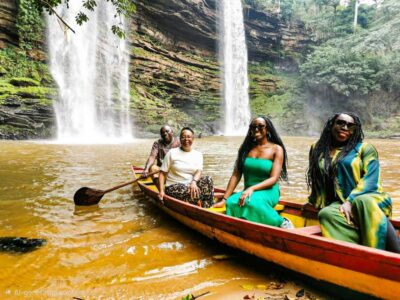
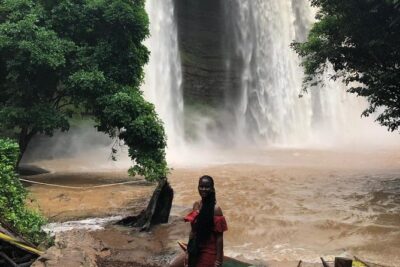
Boti Falls is the dramatic centerpiece of the day. It is a twin waterfall in Ghana’s Eastern Region, reached by descending about 250 steps. The falls sit below the surrounding area, so the walk down is part of the experience rather than a minor detail.
Give yourself time. The trip back up means around 500 steps in total, according to the practical details shared about the outing. You do not need to race. The reward is time beside the pools, with the sound of falling water and a chance to rest at the bank.
The tour includes snacks and cold drinks, which is a thoughtful touch after the stairs. You can also take a dugout canoe tour. The exact conditions may affect how enjoyable that part is, but it gives you a different view of the falls and the surrounding area.
Swimming is allowed for those who want a more active visit. I would treat it as an optional extra, not an obligation. If you are comfortable in the water and the conditions are suitable, a swim beneath the falls can be the day’s best memory. If you would rather stay dry, sitting near the water still gives you a proper break.
The key warning is the dry season. Between November and March, limited rain can leave the falls dry. One account described the water as only a trickle during a dry period. That does not make the stop worthless, but it changes the experience from a waterfall outing into a walk, rest stop, and scenic area.
Ask about alternatives before departure. Adom Falls and Oboadaka Falls are named as possible substitutes in the same area. Since the tour requires good weather, conditions can affect the plan. A private booking gives you a better chance to discuss changes with the guide, but you should not assume a full waterfall is guaranteed.
Aburi Botanical Gardens and its palm-lined entrance
After the physical work at Boti, Aburi Botanical Gardens offers a gentler pace. The main entrance begins with a palm walk, an avenue of tall, elegant palms that gives the visit a clear sense of arrival. The gardens are known for birds and butterflies, but the guided explanation of plants is the real reason to spend time here.
You learn about local tree and plant species, including their origin, age, and medicinal uses. That turns a simple garden stroll into a useful introduction to Ghana’s plant life. I like this part because the information connects what you see to everyday life, rather than treating the garden as a collection of pretty paths.
The planned visit lasts about two hours. That is enough time for a proper walk instead of a rushed stop for photographs. You will see several named features:
- The palm walk
- The Bush House
- The Rock Garden
- The Pergola, also called Lovers Lane
- The Ficus tree
- A retired helicopter
- The School of Horticulture
The retired helicopter adds an unexpected note to the visit. It breaks up the botanical focus and gives you one of those odd details that makes a place easier to remember.
The Ficus tree and the medicinal plants provide stronger educational value, while the palm walk and Lovers Lane are likely to appeal to anyone who enjoys slower scenery and photographs. If you have limited patience for plant collections, the two-hour stay may feel long. The guide’s explanations will make the difference, so stay engaged and ask about the trees rather than simply walking from one feature to the next.
Umbrella Rock and the easier road option
Umbrella Rock is a shorter stop, listed at about 30 minutes, but it gives you a choice that many sightseeing plans fail to offer. You can walk through the forest for about 45 minutes to reach the rock and the three-headed palm tree, or you can take the easier road by car.
The timing is a little flexible in practice because the forest walk itself is longer than the stated stop. If you want the walking route, tell the guide early and allow for the extra time. If your legs are already tired from Boti Falls, the car option is sensible, not a failure.
The rock is the main visual feature, but the three-headed palm tree adds a local point of interest. It is described as unusual because the three heads take turns bearing fruit each year. That detail gives the stop a playful mystery and makes it more than another lookout.
Do not expect a long, formal attraction here. Umbrella Rock is best treated as a short outdoor visit with a choice of walking intensity. The forest route suits you if you want more time on foot. The road option works better for anyone conserving energy for the rest of the day.
More cocoa farm visits in Accra:
- Escape Accra City to Aburi Gardens and Tetteh Quarshie Cocoa Farms
★ 4.5 · 32 reviews - Accra Aburi Eco & Cocoa Experience: Gardens Waterfall &Lunch
★ 4.9 · 12 reviews - 1 Day cocoa farm tour
★ 4.5 · 11 reviews - Aburi Botanic Gardens, Boti Falls,Umbrella Rock & Cocoa Farm Tour
★ 5.0 · 6 reviews
The three-headed palm tree at Boti
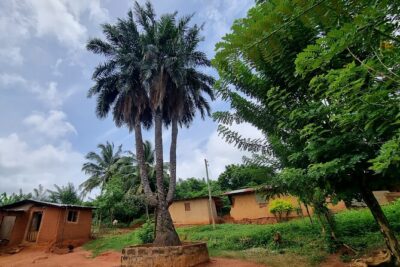
The three-headed palm tree receives its own short stop in the plan. It is free to visit and is described as a rare curiosity, with the three heads taking turns producing fruit.
This is a small part of the day, but it adds personality. The falls provide the big natural sight, while the palm gives you an unusual story to take home. It also fits well between the longer stops, since you can see it without adding an expensive activity or a major time commitment.
The tree is associated with Boti Falls and the Eastern Region. Keep your expectations in proportion: this is a brief curiosity, not a full attraction requiring half an hour of explanation. Its value comes from the unusual form and the local mystery around how the heads bear fruit.
Tetteh Quarshie Cocoa Farm and the beginning of chocolate
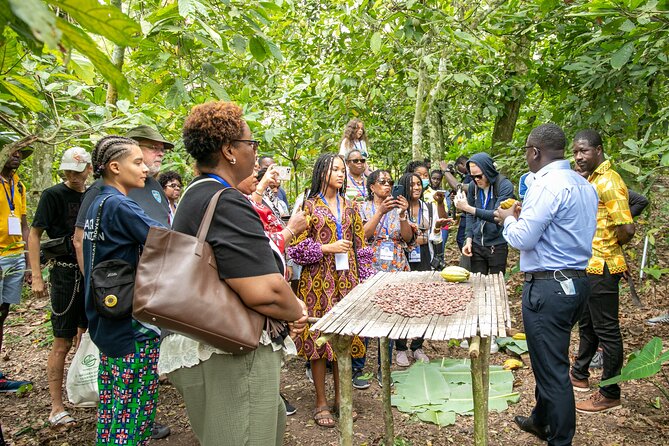
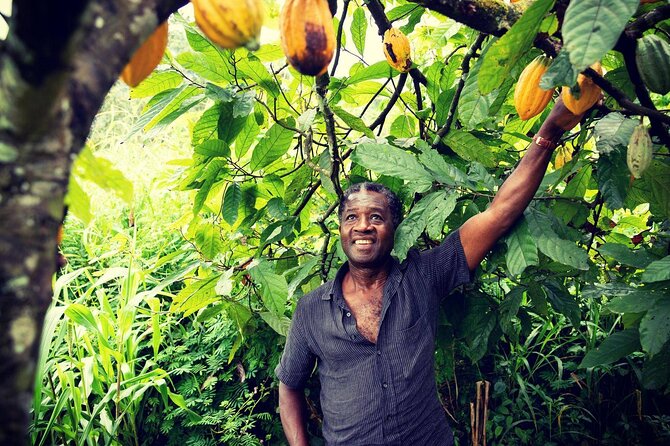
The cocoa farm brings the day back to Ghana’s economic and agricultural story. At Tetteh Quarshie Cocoa Farm, you learn about the first cocoa farm in the country and the history of cocoa production in Ghana.
This stop answers a question many people have but rarely explore properly: what does cocoa look and taste like before it becomes chocolate? You have the chance to taste natural cocoa and get a feel for its flavor at the source. It may surprise you if you expect the sweetness of a chocolate bar.
The visit covers the life span of cocoa and its social and economic benefits to Ghana. That context matters. Cocoa is not just a treat or a souvenir. It is tied to farming, national income, and the daily work behind a familiar product.
The farm visit lasts about an hour and includes admission. I would save some attention for the guide’s explanation rather than treating it as a quick tasting stop. The historical connection to Tetteh Quarshie gives the farm a clear purpose, and the tasting makes the lesson physical and memorable.
If you are especially interested in food origins, agriculture, or Ghanaian history, this may be the second-best stop after Boti Falls. If you only want scenery, it will feel more educational and less exciting. That balance is useful to know before you book.
Timing, comfort, and the real cost
The six to eight-hour duration makes this a full day, but not an exhausting multi-day commitment. You get several stops without needing to arrange separate transport, admissions, or a route through the Eastern Region.
The physical effort comes in bursts. Boti Falls involves the most demanding walk, while Umbrella Rock offers a choice between a forest route and a car. Aburi Gardens is more relaxed, but its two-hour guided visit still involves walking around the grounds.
Wear practical footwear. The stairs at Boti Falls and the optional forest path at Umbrella Rock make sandals or smooth-soled shoes a poor choice. Bring clothes suitable for getting wet if you want to swim, though the supplied details do not specify changing facilities.
The tour offers mobile tickets, pickup, and group discounts. It is also listed as suitable for most participants, with service animals allowed and public transportation nearby. Those details help, but they do not remove the stair issue. If anyone in your group has trouble with steep steps, discuss the Boti portion before booking.
At $180 per person, the value depends on your priorities. You are paying for a private day with several included admissions and a guide, not merely for entry to one waterfall. A group that wants comfort, flexibility, and a varied itinerary may find the price fair. A person mainly seeking Boti Falls may prefer to compare the cost with a simpler transport arrangement, especially in the dry months.
The tour is often booked about 38 days ahead. That suggests planning early if your dates are fixed, particularly because private outings with pickup can have limited availability. Confirmation arrives when you book, and free cancellation is available up to 24 hours before the start time. Cancellations inside that window are not refunded, and poor weather may lead to a new date or a full refund.
Who should book this experience
I would recommend it to you if you want a broad introduction to Accra’s surrounding region without arranging each stop yourself. It suits small groups, first-time visitors to Ghana, couples, families with active members, and anyone who likes combining scenery with local stories.
It is a particularly good match if you want all three of these:
- A chance to swim or canoe at a waterfall
- A guided look at Ghanaian plants and gardens
- A food-origin lesson at a cocoa farm
I would be more cautious if you dislike stairs, need a fully accessible route, or are visiting during the dry season mainly for a powerful waterfall. The alternative falls may help, but you should confirm the plan before setting out.
The private format also makes this a better choice for people who want to adjust the pace. You can spend longer at the cocoa farm, take the car to Umbrella Rock, or enjoy a slower rest at Boti Falls instead of being pushed along with a large group.
Should you book Boti Falls and the cocoa farm tour?
Book it if you want variety and prefer having a private guide manage a long day from Accra. The strongest parts are the twin falls, the guided Aburi garden visit, and the cocoa tasting at Tetteh Quarshie Cocoa Farm. The three-headed palm tree and Umbrella Rock add unusual details without taking much extra time.
Before paying, ask two direct questions: How much water is currently at Boti Falls, and which route will be used at Umbrella Rock? If the falls are flowing and your group can handle the steps, $180 buys a full and varied Eastern Region outing. If the falls are dry, book only if the gardens, cocoa history, and private transport are enough to carry the day.
FAQ
Where does the tour begin?
The tour begins at Kotoka Airport in Accra, Ghana.
Where does the tour end?
The activity ends back at the meeting point.
How long does the experience last?
The tour takes approximately six to eight hours.
Is pickup offered?
Yes, pickup is offered.
Is this a private tour?
Yes. Only your group participates in the activity.
Can I swim at Boti Falls?
Yes, swimming is available for people seeking a more active experience, subject to conditions at the falls.
Could Boti Falls be dry?
Yes. From November through March, limited rainfall may cause Boti Falls to dry up. Adom Falls or Oboadaka Falls may be offered as alternatives in the area.
How many steps are involved at Boti Falls?
The descent to the falls is about 250 steps. The return walk brings the total to roughly 500 steps.
What is the cancellation policy?
You can cancel at least 24 hours before the start time for a full refund. Cancellations or changes made within 24 hours are not refunded or accepted. If poor weather causes the operator to cancel, you will be offered another date or a full refund.
Just added in Accra
- Wli Waterfall And Tafi Monkey Sanctuary ( Volta Region)★ 5.0 · 1 review
- Traditional Beadmaking Workshop★ 5.0 · 1 review
- Private 9-Day Tour in Ghana★ 5.0 · 2 reviews
- Wli Waterfalls, Mount Afadjato & Tafi Atome Monkey Sanctuary★ 5.0 · 2 reviews
- Cape Coast and Elmina castle Day Trip★ 5.0 · 2 reviews
- Culinary for Social Change-Cooking Class★ 5.0 · 2 reviews
- Time with Nature★ 5.0 · 2 reviews
- Historical Day Tour to Cape Coast, Elmina and Kakum★ 5.0 · 3 reviews
Boti Falls and Umbrella Rock, compared.
Boti Falls, Umbrella Rock, Aburi Gardens & Cocoa Farm Tour
Read our review →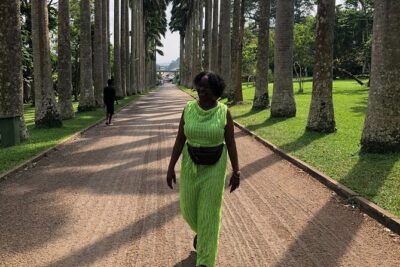
Experience Boti Waterfalls, Aburi Botanical Gardens & Tetteh Quarshie Cocoa Farm
Read our review →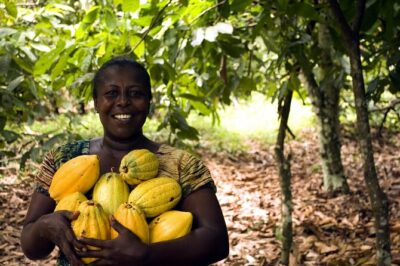
Boti Falls, Umbrella Rock, Aburi Gardens & Cocoa Farm Day Tour
Read our review →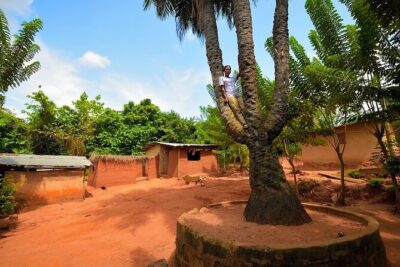
Aburi Botanic Gardens, Boti Falls,Umbrella Rock & Cocoa Farm Tour
Read our review →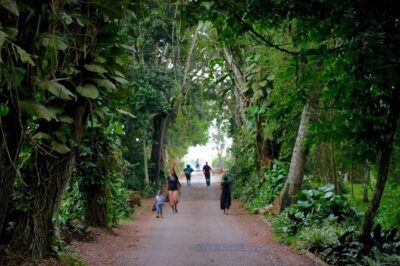
Aburi Botanic Gardens and Boti Falls Full-Day Private Tour
Read our review →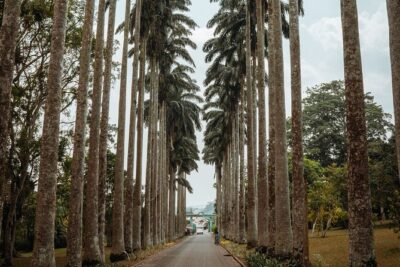
Ghana Eastern Explorer – Boti Falls, Aburi Gardens & Tetther Quarshie Cocoa Farm
Read our review →Browse the lists this tour appears in