
REVIEW · ACCRA
Nature Thrills
Green hills, cool water, old cocoa trees. This seven-hour trip from Accra links three very different places in Ghana’s Central Region: Aburi Botanical Gardens, the Tetteh Quarshie Cocoa Farm, and Adom Waterfalls. I like the mix of plant life and local history, and I especially like that the day ends beside a natural pool instead of another city attraction.
I also like the personal touch reported by several people who took the trip. Guides such as Suwaiba and Gian were praised for their kindness, early arrival, photo help, and clear explanations. The main drawback is physical: you will walk through the gardens and farm, then hike for about 20 minutes to the waterfall. The route may not suit anyone looking for a fully easygoing day.
In This Review
- Key points at a glance
- Leaving Accra for the Aburi Mountains
- Aburi Botanical Gardens: plants with a story
- Tetteh Quarshie Cocoa Farm and Ghana’s cocoa story
- Adom Waterfalls: the day’s refreshing finish
- What the $150 price includes
- The walking, weather, and clothing you should plan for
- Who will enjoy Nature Thrills most?
- Booking advice and final verdict
- FAQ
- Where does the Nature Thrills tour begin and end?
- How long does the tour last?
- What places does the tour visit?
- Is transportation included?
- Are entrance fees included?
- Do I need comfortable shoes?
- Can I swim at Adom Waterfalls?
Key points at a glance
- Three nature stops in one day: You visit a historic botanical garden, Ghana’s first cocoa farm, and a two-part waterfall.
- A 20-minute forest hike: Adom Waterfalls requires a short hike, so comfortable shoes matter.
- A strong guide-led experience: Suwaiba and Gian were singled out for friendly, helpful service.
- Cocoa you can see and taste: You learn how cocoa is planted, harvested, and fermented, with original trees still producing fruit.
- Good value at $150: Transport from Accra, entrance fees, guide support, and listed activities are included.
- Bring swimwear if you want a dip: Adom Waterfalls has naturally formed pools, though meals are not included.
Leaving Accra for the Aburi Mountains
The appeal of this outing begins with the change of pace. You leave Accra by vehicle and head toward the Aburi Mountains, trading city traffic for protected areas, farms, trees, and running water. The tour lasts seven hours, including transport between the stops, so it works well as a full-day escape rather than a quick side trip.
Hotel pickup and drop-off in Accra are included. Fuel charges, entrance fees, and the listed activities are also covered, which makes the $150 price easier to judge. You are not paying only for a driver and a few admissions. You are paying for a private day of movement between several sites, local guiding, and help with the practical details.
The exact pace can depend on road conditions and time spent at each stop. One person praised the driver for handling bumpy dirt roads safely, so you should expect some rougher sections near the farm or waterfall. Comfortable clothing will make the ride and walking portions easier.
The English-speaking guide is an important part of the experience. The best moments are likely to come from questions and explanations along the way, not from simply looking at plants or water. Previous visitors praised guides for being friendly, accommodating, and helpful with photographs, which matters when the day includes several places where you will want to stop and look around.
Other trips worth a look in Ghana:
- The Cape Coast Day Tour
★ 5.0 · 525 reviews - Experience the Beauty, History and the Culture Of Accra in a Day
★ 5.0 · 323 reviews - The Cape Coast Tour
★ 5.0 · 177 reviews
Aburi Botanical Gardens: plants with a story
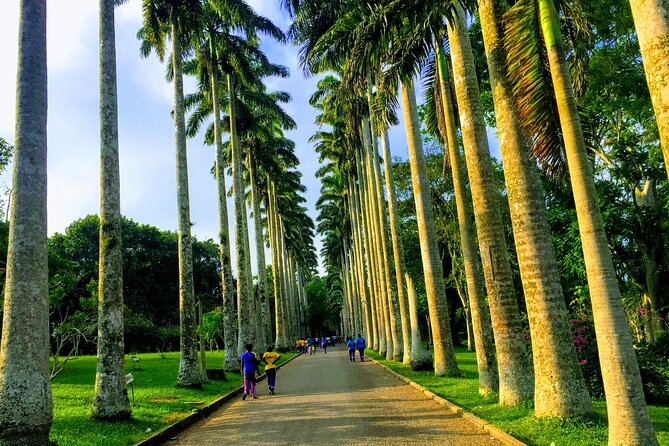
The first major stop is Aburi Botanical Gardens, opened in 1890. This is not just a patch of pretty flowers. The garden protects plant and animal species and includes trees and plants from different parts of the world.
You spend about an hour walking through the grounds with a guide. Expect a gentle introduction to plant varieties and their uses. Some plants serve as food, some have medicinal purposes, some provide spices, and others are grown mainly for beauty. That range gives the visit a useful focus: you are not only identifying plants, but also learning how they connect to daily life.
The garden also carries a strong connection to Ghana’s political and colonial past. Plants were planted by colonial governors and African and international leaders, including Sir Gordon Guggisberg, General Olisengo Obasanjo, Jerry John Rawlings, Queen Elizabeth II, and Prince Charles. These details give the paths a sense of time and place without turning the visit into a formal museum tour.
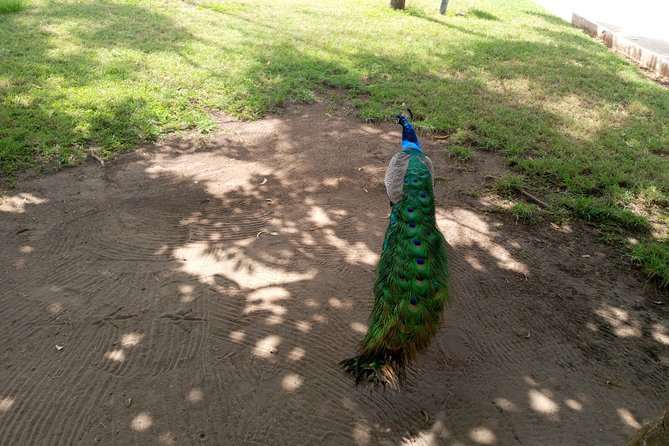
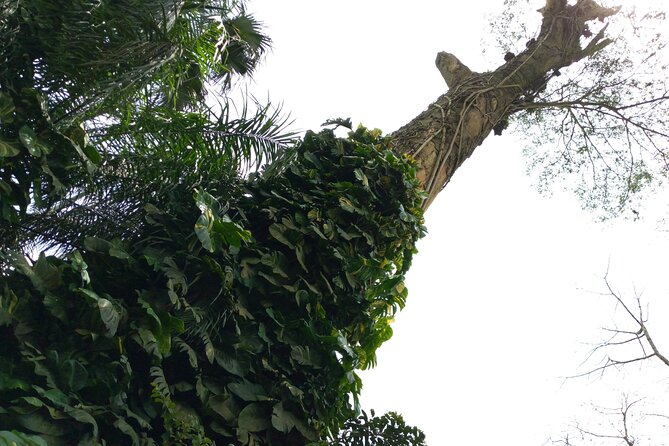
You might encounter unusual plant features along the way. One family described climbing inside a tree overtaken by a parasite, while another mentioned smelling flowers and spices and tasting cinnamon from its bark. Those small sensory moments are part of what makes this stop work. You are walking, breathing fresh air, and using more than just your camera.
The garden is likely the easiest section physically, but it still involves walking. Wear shoes that can handle uneven ground, and bring light clothing suited to warm conditions. If you enjoy plants, photography, or quiet places, you could easily wish for more than the scheduled hour.
Tetteh Quarshie Cocoa Farm and Ghana’s cocoa story
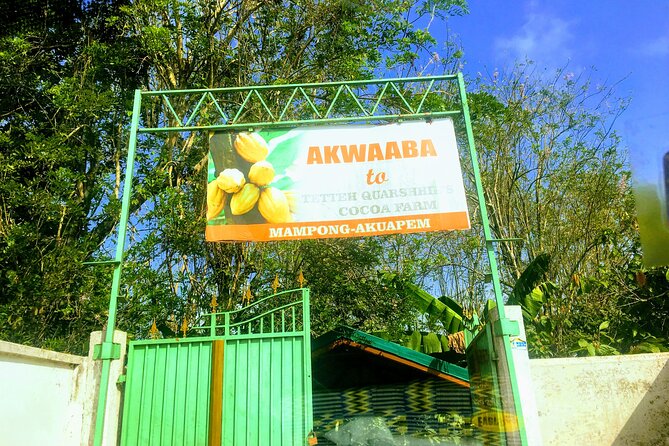
From the garden, the tour continues to Akuapim Mampong and the Tetteh Quarshie Cocoa Farm. The visit lasts about 35 minutes, making it shorter than the botanical garden and waterfall. Still, it may be the most historically distinctive stop.
The farm is identified as Ghana’s first cocoa farm, planted by Tetteh Quarshie in 1870. Two of the original trees planted by Quarshie are still alive and bearing fruit. That is a memorable detail because it turns a broad national story into something you can actually see growing in front of you.
The guide takes you through the cocoa process from planting to harvesting and then fermentation. This is valuable because many people know chocolate, but far fewer know what happens before the beans reach a factory. The farm gives you a direct look at cocoa as an agricultural product rather than a finished sweet.
Ghana is known for producing high-quality cocoa and is described as the world’s second-largest producer by quantity after Ivory Coast. The farm visit helps explain why cocoa matters to the country’s economy and rural communities. You may also have the chance to taste unripened cocoa, an unusual experience that is quite different from eating chocolate.
One person bought cocoa beans at the farm to support local farming. That is a practical option if purchases are available on the day, though shopping is not listed as an included part of the tour. I would bring some extra money if you want to buy beans or local products, but do not treat this as a guaranteed feature.
The short visit means you should keep your expectations in check. You will receive an introduction to cocoa production and the farm’s story, but this is not a long agricultural workshop. The guide’s explanations make the difference, so ask questions while you are there.
Adom Waterfalls: the day’s refreshing finish
The final stop is Adom Waterfalls, reached by a hike of about 20 minutes. The fall runs through a forest over stratified rock, creating a cool and calm setting after the warmer walk through the garden and farm.
The waterfall has two sections, a lower part and an upper part, with naturally formed pools. Swimming is possible, and one person described the water as a refreshing reward after the walk. Bring a swimsuit if you want to get in, along with a dry change of clothes if you have room.
This is the most physical part of the day. The hike is not described as difficult, but the route may include uneven ground and damp areas. Light clothes and proper walking shoes are recommended. Flip-flops may be fine around the water, but they are a poor choice for the hike itself.
The setting is meant for slowing down. You can sit near the pools, listen to the water, take photographs, or simply rest beneath the forest. Another person found an off-route viewpoint with a picture-worthy view across the Aburi Mountains. That kind of extra stop may depend on the guide, conditions, and available time, so do not count on it as a fixed part of the experience.
The waterfall also gives the tour a welcome change in mood. The botanical garden is about plant collections and learning. The cocoa farm is about agriculture and Ghanaian history. Adom is less structured. It gives you time to relax and connect with the natural setting.
A completely different kind of day:
- From Accra: Cape Coast, Elmina Castle & Kakum Park Day Tour
★ 4.6 · 144 reviews - Accra Detailed City Tour
★ 4.5 · 118 reviews - Accra Guided City Tour Experience
★ 4.7 · 88 reviews - Accra Guided City Tour Experience
★ 5.0 · 76 reviews
What the $150 price includes
At $150 per person, this is not the cheapest way to spend a day outside Accra. Its value depends on how much you would otherwise pay for transport, admissions, and local guiding separately.
The price includes hotel pickup and drop-off, transportation, fuel surcharges, entrance fees, guide support, and the activities named for the day. That is a useful bundle, especially if you do not want to arrange several rides or work out how to reach the waterfall on your own.
Meals are not included. This matters because the tour runs for seven hours, and you should plan for food or ask when and where a meal break can happen. One person praised lunch after the waterfall, but lunch is not part of the stated inclusions, so you should not assume it is covered in the $150.
The average score is 4.3 from eight ratings, with strong praise for the guides, driver, information, scenery, and organization. The most consistent positive point is the human service. Suwaiba was described as hospitable and accommodating, while Gian was praised for being friendly and well informed. The driver also received credit for arriving early and managing rough roads safely.
For a family, couple, or small group that values convenience, the price can make sense. You get a full day with several stops and no need to negotiate separate entrance fees. If your main goal is simply to see a waterfall at the lowest possible cost, you may find the package more than you need.
The walking, weather, and clothing you should plan for
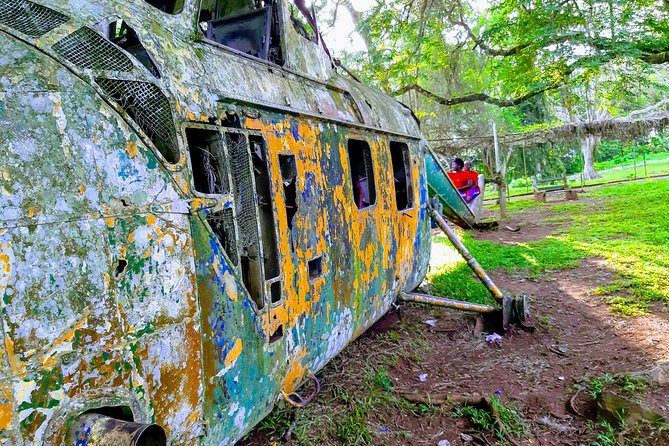
This is an active sightseeing day, but it is not an extreme outdoor expedition. The garden includes a guided walk, the cocoa farm includes walking, and Adom Waterfalls requires the 20-minute hike. Plan for several hours on your feet.
Wear comfortable shoes with a secure sole. You want footwear that works on garden paths, farm ground, and a forest trail. Light clothes are recommended, and a swimsuit is useful if you plan to swim.
The information provided does not give a group size, exact pickup time, or detailed accessibility notes. Because of the hike and uneven outdoor surfaces, you should ask the provider about any mobility concerns before booking. The tour is conducted in English, so it suits you best if you can follow explanations in English.
You should also allow room in your day for the return drive to Accra. The advertised duration is seven hours, not seven hours at the three attractions alone. The listed visits add up to about three hours, leaving the rest for transport, changing pace, and possible breaks.
Who will enjoy Nature Thrills most?
I would recommend this trip to you if you want a broad introduction to Ghana’s nature outside Accra. It gives you plants, farming, water, and local stories in one outing. You do not need to be a serious hiker or botanist, but you should enjoy walking and being outdoors.
Families can do well here. A 10-year-old enjoyed the day, especially the unusual tree, cocoa tasting, and waterfall. The mix of sights helps keep the outing from feeling like one long lecture, although younger children may need help on the hike.
Photography lovers should also find plenty to work with. The gardens offer plants and trees, the cocoa farm provides a distinctive agricultural setting, and the waterfall gives you the strongest scenery. Guides have been praised for showing people good photo spots, which can save time.
This may not be the right choice if you want a slow day with no walking, a detailed chocolate-making class, or a meal included in the price. The waterfall portion also depends on your comfort with outdoor paths and natural pools.
Booking advice and final verdict
I would book Nature Thrills if I wanted one organized day that connects Accra with the Aburi Mountains. The strongest reasons are the variety of stops, the included transportation and entrance fees, and the guides’ personal care. Suwaiba’s hospitality and the driver’s safe handling of rough roads are exactly the kind of practical support that can make a long day feel easy.
Pack sturdy comfortable shoes, light clothing, swimwear, and money for food or possible cocoa purchases. Keep your schedule flexible enough for road time, and ask about mobility needs before booking.
At $150, this is best viewed as a guided nature day rather than a basic sightseeing transfer. Book it if you want context, convenience, and a chance to slow down beside the water. Skip it if you prefer independent travel, dislike walking, or need meals included in the tour price.
FAQ
Where does the Nature Thrills tour begin and end?
The tour includes hotel pickup in Accra and returns you to Accra at the end of the day.
How long does the tour last?
The full experience lasts seven hours. The scheduled visits include about one hour at Aburi Botanical Gardens, 35 minutes at Tetteh Quarshie Cocoa Farm, and 1.5 hours at Adom Waterfalls.
What places does the tour visit?
You visit Aburi Botanical Gardens, the Tetteh Quarshie Cocoa Farm, and Adom Waterfalls in the Aburi Mountains area.
Is transportation included?
Yes. Transportation, fuel surcharges, hotel pickup, and hotel drop-off are included.
Are entrance fees included?
Yes. Entrance fees and the costs of the activities included in the day are covered.
Do I need comfortable shoes?
Yes. The tour includes walking through the botanical garden and cocoa farm, plus a hike of about 20 minutes to Adom Waterfalls.
Can I swim at Adom Waterfalls?
The waterfall has naturally formed pools, and swimming is possible. You should bring a swimsuit if you want to swim.
Just added in Ghana
- Wli Waterfall And Tafi Monkey Sanctuary ( Volta Region)★ 5.0 · 1 review
- Full Day Tour with Traditional Naming Ceremony in Kumasi★ 5.0 · 4 reviews
- Traditional Beadmaking Workshop★ 5.0 · 1 review
- Visit Aburi Garden, Tetteh Quarshie Cocoa Farm & Waterfall★ 4.0 · 4 reviews
- Traditional Naming Ceremony For African Americans In Kumasi★ 5.0 · 5 reviews
- Kumasi kejetia central market tour & Traditional Local cooking food classs★ 4.5 · 2 reviews
- 3 Days Elephants Safari at Mole Park with Round – trip flights★ 5.0 · 3 reviews
- Kumasi City Tour★ 4.5 · 3 reviews