
REVIEW · NAMING CEREMONIES
Full Day Tour with Traditional Naming Ceremony in Kumasi
A new name can change how you see a place. This six-and-a-half-hour Kumasi tour pairs a traditional Asante naming ceremony with visits to Bonwire Kente and Ntonso Adinkra, giving you both a personal ritual and hands-on craft experiences. I like the private format and the way the day connects living Ghanaian culture with family ancestry. I also like that air-conditioned transport, admission fees, and pickup are included.
The main consideration is time. The listed program gives five hours to Bonwire, 30 minutes to Ntonso, and the full experience lasts about 6 hours 30 minutes, so the exact pace of the ceremony and transfers should be confirmed before you book. Personal shopping is extra, and the price is high for a half-day outing unless the naming rite is the main reason you are coming to Kumasi.
In This Review
- Key things to know before booking
- Why the naming ceremony matters in Kumasi
- Bonwire Kente, with about five hours to explore
- Ntonso Adinkra in a focused 30-minute visit
- A private day with transport included
- The people behind the experience
- Who will get the most from this tour
- Practical booking advice for the 9:00 a.m. start
- Is the $180 price worth it?
- Should you book this Kumasi naming ceremony tour?
- FAQ
- Where does the tour take place?
- What time does the tour start?
- How long does the experience last?
- Is pickup available?
- What happens during the naming ceremony?
- How long is the Bonwire visit?
- How long is the Ntonso visit?
- Are shopping costs included?
- Can I cancel for a full refund?
Key things to know before booking
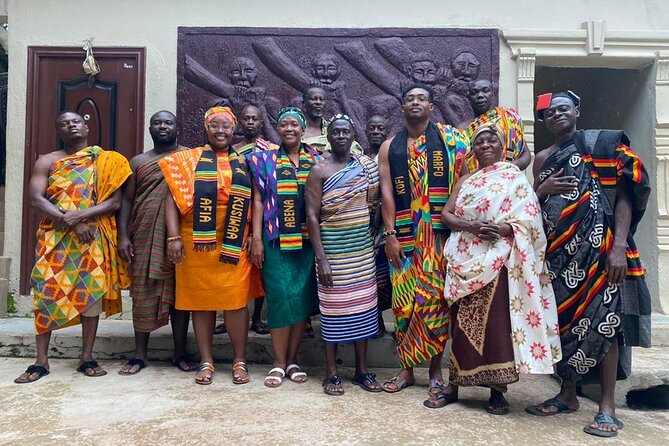
- Your Asante name is the emotional center: The ceremony is designed to reconnect you with an ancestor through a traditional naming rite.
- Bonwire receives the most time: Plan on about five hours at the Kente weaving center, including the naming ceremony portion of the day.
- Ntonso offers a shorter craft visit: You see Adinkra cloth made from start to finish and get the chance to print like a local.
- It is a private experience: Only your own group takes part, which suits families, couples, and friends marking a meaningful occasion.
- Kwame and Priscilla receive special praise: Their communication, personal attention, and willingness to accommodate visitors are important strengths.
- The $180 price covers the essentials: Fees, taxes, and an air-conditioned vehicle are included, but shopping is not.
Why the naming ceremony matters in Kumasi
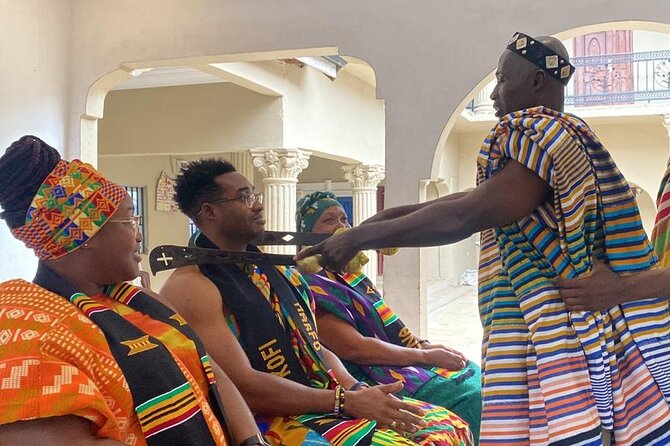
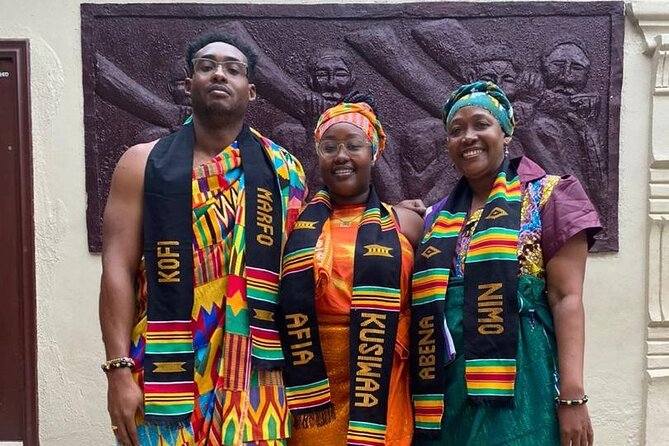
Many cultural tours give you a look at a place. This one tries to give you a place within a tradition. During the ceremony, you receive a new Asante name and take part in a rite intended to reconnect you with your ancestor.
That makes this more personal than a standard sightseeing drive. You are not simply watching a performance or taking photographs beside a historic object. The central moment is meant to involve you directly. The available details do not spell out every step of the ceremony, so you should ask the operator what the rite includes, who leads it, and what you should wear or bring.
That small bit of preparation matters. A naming ceremony can carry emotional and spiritual meaning, especially for people tracing family connections to Ghana or visiting with close relatives. One person described the experience as heartwarming, enlightening, and a source of pride shared with special friends and family. Another said the day created a lasting family memory for a mother and daughter.
I would not book this simply because it sounds unusual. Book it because the meaning of receiving an Asante name appeals to you. The craft villages add useful context, but the ceremony is the reason this tour costs more than a basic Kumasi transport-and-sightseeing trip.
More naming ceremony experiences in Kumasi:
- Traditional naming ceremony For African Diasporas in Kumasi
★ 5.0 · 10 reviews - Traditional Naming Ceremony For African Americans In Kumasi
★ 5.0 · 5 reviews - The Ancestral Naming Ceremony and Home Coming Experience
★ 5.0 · 30 reviews
Bonwire Kente, with about five hours to explore
Bonwire is the longer and more substantial stop. The tour allows around five hours here, and that block includes the main cultural experience. This is where you can expect the day to slow down and become more focused on Asante identity, textiles, and the naming rite.
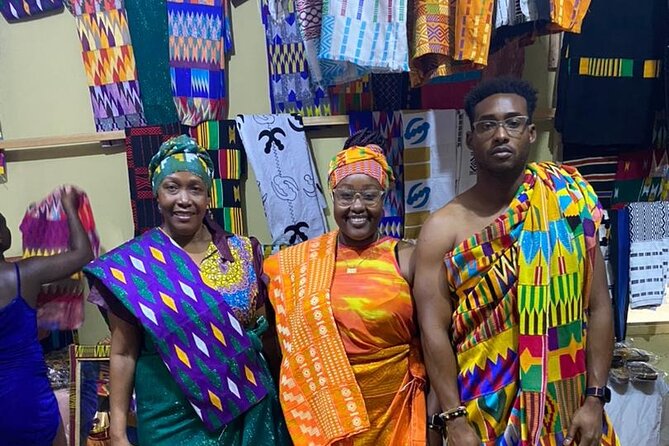
Kente is not just colorful cloth for decoration. Within the Asante tradition, patterns and colors can carry meaning, and the cloth is closely tied to ceremony, status, and important occasions. At the Bonwire Kente Weaving Center, you are taken into the process rather than being shown only finished pieces.
The supplied details do not specify how much time is spent watching weaving compared with the naming ceremony, so the five-hour figure should be treated as the full Bonwire portion rather than five hours of continuous loom work. That is a good thing for some people. You get room for a slower cultural visit, but anyone expecting a quick stop may find the schedule longer than necessary.
I like the balance here. The naming rite gives the visit personal meaning, while the weaving center helps you understand the material culture around it. You can see why cloth matters in public and family life, then take part in a ceremony connected to identity and ancestry.
Shopping is not included in the tour price. If you want Kente cloth or other items, budget separately. The information provided does not give shop prices, accepted payment methods, or shipping details, so ask before making a purchase. Do not assume that admission fees cover anything you buy.
The private format should help here. Your group can ask questions and set a comfortable pace without being tied to strangers. The tour is also suitable for most people to participate in, according to the provided accessibility note, though no detailed mobility information is supplied. If you have specific access needs, contact Selbeck Travel and Tours before booking.
Ntonso Adinkra in a focused 30-minute visit
The second craft stop is Ntonso Adinkra Craftsmen, where you see Adinkra cloth made from beginning to end. You also get the chance to print the cloth yourself, using the local method.
This short hands-on element is one of the best reasons to keep the stop in the program. Instead of hearing only an explanation, you can take part in the making process. The experience gives you a clear contrast with Bonwire: Kente centers on woven cloth, while Ntonso focuses on Adinkra symbols and printing.
Thirty minutes is enough for a compact demonstration and a simple practical activity, but it is not a long workshop. I would keep your expectations modest. You may see the main stages and have a brief chance to print, but the schedule does not promise a full lesson or a finished custom garment.
The visit also gives the day a good rhythm. Bonwire carries the ceremony and longer cultural section, while Ntonso adds a direct, tactile activity before the tour ends. If you enjoy making things, this may be the most immediately engaging part of the craft visits. If you prefer long explanations or detailed textile study, the half-hour could feel rushed.
Personal shopping remains separate. Ntonso is a natural place to see Adinkra work and perhaps buy something, but the tour price does not cover purchases. Ask the guide about the difference between demonstration pieces and items for sale so you know what you are looking at.
A private day with transport included
The tour begins at 9:00 a.m. and lasts about 6 hours 30 minutes. Pickup is offered, and transport is by air-conditioned vehicle. All fees and taxes are included, which makes the quoted $180 price easier to assess.
The private arrangement is a real advantage. You are not sharing the naming ceremony with a large mixed group, and the day can feel more appropriate for a family or a small circle of friends. The experience is especially suited to a mother and daughter, a couple, or friends who regard one another as family.
The price still deserves a close look. At $180 per person, this is not a bargain craft tour. You are paying for a private vehicle, the guide service, included admission costs, a full day of transport and visits, and a personalized cultural ceremony. For a solo visitor, the cost may be difficult to justify. For several people sharing a private vehicle and marking a major personal occasion, it makes more sense.
No meals, drinks, or shopping allowance are listed as included. Since the program lasts most of the day, ask what food arrangements are possible before setting out. I would also confirm the pickup area, since the details say pickup is offered but do not provide a fixed meeting address.
The tour is near public transportation, but that does not mean you need to use it. The included vehicle is one of the practical benefits, especially if you are unfamiliar with Kumasi or want one organized day rather than several separate rides.
More things to do in Kumasi:
- Bonwire Namimg Ceremony and Kente Tourist Center
★ 5.0 · 40 reviews - Tour Kumasi City Like a Local
★ 4.5 · 34 reviews - Kumasi City Tour
★ 5.0 · 8 reviews - Kumasi City Tour
★ 4.5 · 7 reviews
The people behind the experience
Selbeck Travel and Tours is the provider, and the strongest personal praise goes to guides Kwame and Priscilla. Their communication, insight, and willingness to accommodate the group were singled out as major reasons the experience worked well.
That matters more here than it would on a simple transfer. A naming ceremony requires clear communication and a respectful tone. You want to know what is happening, why it matters, and how you should take part. Good guidance can help the ceremony feel meaningful rather than confusing or staged.
The available feedback also points to careful planning from the first contact through the end of the day. One person praised the team’s professionalism, expertise, and dedication while arranging a Ghana trip. Another emphasized that the hosts were attentive and went out of their way to accommodate the group.
I would still ask direct questions before paying. Confirm the ceremony language, the role of the guide, the time reserved for the rite, and whether family members who are not receiving names may attend. The supplied information confirms the ceremony and the craft visits, but it does not explain those finer points.
Who will get the most from this tour
This is a strong choice if you want culture with a personal purpose. It fits people with Ghanaian heritage, families exploring ancestry, and anyone who wants a respectful ceremony rather than a quick photo stop.
It also suits first-time visitors to Kumasi who want several connected experiences in one day. You see Kente production, Adinkra printing, and an Asante naming rite without having to arrange separate transport.
I would be more cautious if your main goal is bargain sightseeing or a fast overview of Kumasi. The $180 cost is substantial, and the five-hour Bonwire block may feel too long if you are not interested in the ceremony or textiles. It is also not the best match for someone who wants a detailed, extended Adinkra workshop, since Ntonso is scheduled for only 30 minutes.
The tour works particularly well for a milestone trip. A birthday, family reunion, return to Ghana, or visit with close friends can give the naming ceremony added weight. One person took part with a mother, while another shared it with special friends and a life partner. The common thread is connection, not sightseeing alone.
Practical booking advice for the 9:00 a.m. start
This experience is often booked about 23 days ahead, so do not leave it until the last minute if the naming ceremony is central to your trip. Confirmation is provided at booking, and the tour is available as a mobile ticket.
The weather policy is worth noting. The experience requires good weather, and if poor weather causes cancellation, you are offered another date or a full refund. You can cancel for a full refund if you do so at least 24 hours before the local start time. Cancellations or changes made inside that 24-hour window are not accepted for a refund.
Wear something suitable for a cultural ceremony, but ask the operator if there are specific clothing expectations. The supplied details do not give a dress code, so do not rely on guesswork. You should also check how much shopping time is available, since personal purchases are not part of the package.
The tour is private, but the maximum group size is not stated. If you are traveling with a larger family group, confirm that the vehicle and ceremony arrangements can accommodate everyone.
Is the $180 price worth it?
The answer depends on what you value. If you want a simple introduction to Kente and Adinkra, $180 per person is likely more than you need. You would be paying for a private cultural day when the craft stops alone may not justify the cost.
If you care about the naming ceremony, the calculation changes. The included vehicle, fees, and admissions remove several small costs and planning tasks. More importantly, the private setting gives the rite a level of focus that a large group tour would not provide.
I see the price as fair for a meaningful, personalized occasion, but not as a low-cost excursion. The strongest value comes when two or more people share the experience and treat the ceremony as the main event. The Kente and Adinkra visits then work as supporting chapters rather than the entire reason for booking.
Should you book this Kumasi naming ceremony tour?
Book it if receiving an Asante name and connecting with ancestry is important to you. The private format, included air-conditioned transport, attentive service from Kwame and Priscilla, and combination of Kente and Adinkra traditions create a thoughtful day with real personal meaning.
Skip it if you want a cheap craft visit, a short city tour, or a long technical workshop in Adinkra printing. Before booking, confirm the ceremony details, pickup arrangements, food plans, and the exact balance between the five-hour Bonwire visit and the naming rite. For the right person, this is not just another Kumasi excursion. It is a way to attach a personal story to your time in Ghana.
FAQ
Where does the tour take place?
The tour takes place in Kumasi, Ghana, with visits to the Bonwire Kente Weaving Center and the Ntonso Adinkra Craft Village.
What time does the tour start?
The tour starts at 9:00 a.m.
How long does the experience last?
The full experience lasts approximately 6 hours 30 minutes.
Is pickup available?
Yes. Pickup is offered, and the tour uses an air-conditioned vehicle.
What happens during the naming ceremony?
You receive a new Asante name and take part in a naming rite intended to reconnect you with your ancestor.
How long is the Bonwire visit?
The Bonwire portion is scheduled for about five hours, with admission included.
How long is the Ntonso visit?
The Ntonso Adinkra craft visit lasts about 30 minutes. You see how Adinkra cloth is made and get the opportunity to print like a local.
Are shopping costs included?
No. Personal shopping is not included in the tour price.
Can I cancel for a full refund?
Yes, if you cancel at least 24 hours before the experience starts. Cancellations made less than 24 hours before the start time are not refunded.
Just added in Kumasi
- Traditional Naming Ceremony For African Americans In Kumasi★ 5.0 · 5 reviews
- Kumasi kejetia central market tour & Traditional Local cooking food classs★ 4.5 · 2 reviews
- Kejetia Market Tour and Traditional Food Cooking Class.★ 5.0 · 2 reviews
- Kumasi City Tour★ 4.5 · 3 reviews
- Kumasi Culture and Heritage Tours★ 4.5 · 3 reviews
- Private Half-Day City Tour of Kumasi with Lunch★ 5.0 · 2 reviews
- Discover kumasi Tours★ 5.0 · 3 reviews
- Ashanti History Tours★ 5.0 · 2 reviews
Naming Ceremonies, compared.

The Ancestral Naming Ceremony and Home Coming Experience
Read our review →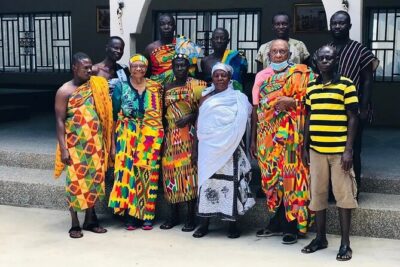
Naming Ceremony and Heritage Homecoming Experience for Diasporas
Read our review →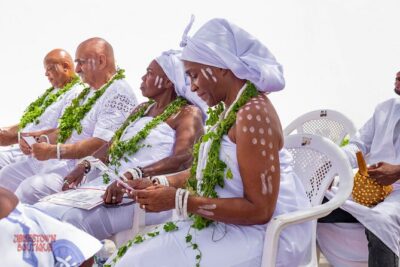
Traditional Naming Ceremony and Boat Cruise Experience
Read our review →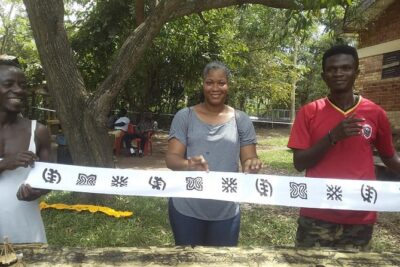
Kumasi Heritage Tours And Naming Ceremony In A Day
Read our review →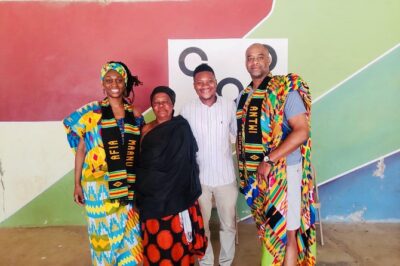
Traditional naming ceremony For African Diasporas in Kumasi
Read our review →
Naming Ceremony, Assin Manso Slave River and Cape Coast Castle
Read our review →
Cultural Village Tour: Traditional Naming Ceremony
Read our review →
Traditional Naming Ceremony For African Americans In Kumasi
Read our review →Browse the lists this tour appears in