
REVIEW · ACCRA TOURS
Private 12 Days Atonement Pilgrimage Tour in Ghana
History comes alive beside Ghana’s rivers and castles. This private 12-day journey links Accra, Kumasi, Assin Manso, Elmina, the Volta Region, and Akosombo through a thoughtful mix of remembrance, culture, nature, and local contact. I especially like the visit to Assin Manso Ancestral Slave River Park, where the pilgrimage takes on a quiet, personal quality, and the chance to receive a Ghanaian name during an Elmina naming ceremony.
I also like the balance between serious historical sites and lighter experiences such as kente weaving, a cocoa farm, markets, monkey watching, and a boat trip. The main drawback is the amount of time spent on the road. Several days involve drives of three to five hours, so this suits you best if you value broad coverage and reflection more than a slow, resort-style holiday.
In This Review
- Key Points Before You Book
- What This Ghana Pilgrimage Is Really About
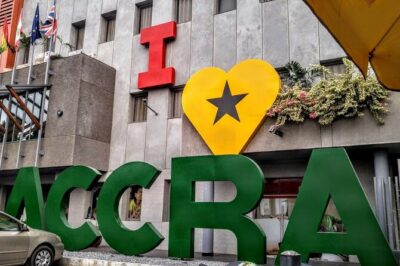
- Days 1 and 2: Arriving in Accra and Meeting Ghana’s Capital
- Days 3 and 4: Kente Cloth, Cocoa, and Asante Royal History in Kumasi
- Days 5 and 6: Assin Manso, Elmina Castle, and the Naming Ceremony
- Day 7: A School Visit and Hands-On Batik Work
- Day 8: Returning to Accra With Free Time
- Days 9 and 10: Mona Monkeys and Wli Waterfalls
- Day 11: Lake Volta and the Akosombo Dam
- Day 12: Airport Transfer and Final Shopping
- What the $2,715 Price Gives You
- Who Should Choose This Tour?
- Should You Book the Atonement Pilgrimage Tour?
- FAQ
- How long is the tour?
- Where does the tour begin?
- What time does the tour start?
- Does the tour provide airport pickup?
- Is this a private tour?
- What accommodation is included?
- Are meals included?
- What historical sites are included?
- Is Kakum National Park part of the tour?
- Can I cancel for a full refund?
Key Points Before You Book
- Assin Manso offers the tour’s most personal moment, with time for reflection beside the Slave River and a healing ceremony.
- Elmina Castle and the Door of No Return provide direct, difficult contact with the history of the transatlantic slave trade.
- A private format keeps the experience personal, with only your own group taking part.
- Kumasi adds living Asante culture, including kente cloth, Manhyia Palace, Okomfo Anokye’s sword, and Kejetia Market.
- The final days change the pace, with monkeys, rainforest, Wli Waterfalls, and a Lake Volta cruise.
- The $2,715 price includes accommodation, breakfast, transport, water, entrance fees, and dinner, but you should budget separately for most other meals and drinks.
What This Ghana Pilgrimage Is Really About
This is not simply a sightseeing loop. Its central purpose is remembrance. The route follows several places connected with the forced movement of Africans during the transatlantic slave trade, then places that history within modern Ghanaian culture and daily life.
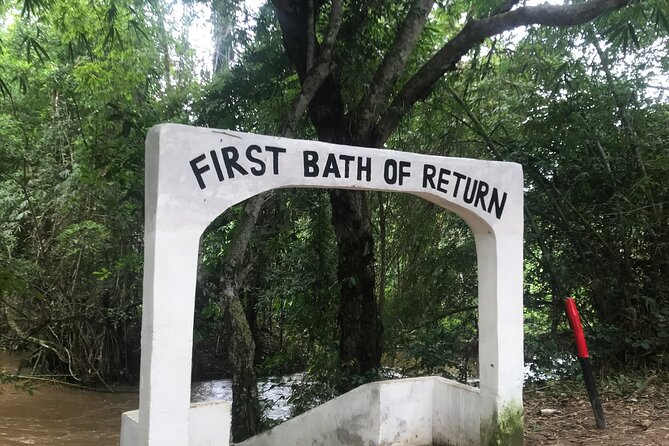
At Assin Manso, captives were held before being taken toward the coast. The river called Donko Nsuo, or Slave River, was the place where many were brought for their last bath with African water before the journey to the coastal forts. The visit is designed as a healing experience, giving you time to reconnect with ancestors and honor those who suffered.
Elmina adds the next part of the story. The castle, dungeon, and Door of No Return show how imprisonment and the coastal slave trade worked. These sites can be emotionally heavy. You should expect a serious visit rather than a quick photo stop.
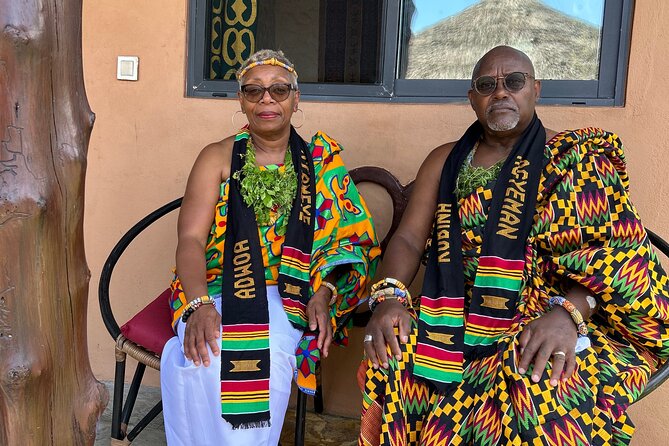
The tour also includes a naming ceremony in an Elmina community. A chief and elders welcome you by pouring libation, then give you a local Ghanaian name and accept you as part of the community. That ceremony gives the trip a personal and cultural dimension that a standard castle tour cannot provide.
More things to do in Accra:
- The Cape Coast Day Tour
★ 5.0 · 525 reviews - Experience the Beauty, History and the Culture Of Accra in a Day
★ 5.0 · 323 reviews - The Cape Coast Tour
★ 5.0 · 177 reviews
Days 1 and 2: Arriving in Accra and Meeting Ghana’s Capital
After you arrive at Kotoka International Airport, the tour team meets you after immigration and takes you to a restaurant for a welcome meal, depending on your arrival time. The first day is intentionally light. You check in, settle down, and avoid a long briefing when jet lag may already be doing the talking.
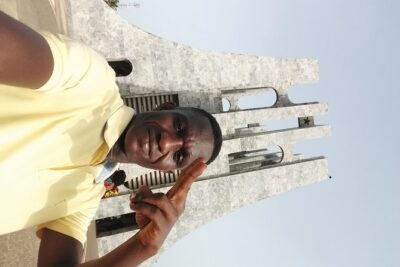
The next morning begins with Accra’s major civic and historical sites. Independence Square gives you a sense of the country’s modern national identity, while the Kwame Nkrumah Memorial Park honors Ghana’s first president and a major figure in African independence movements. The included visit lasts about two hours.
I like this opening because it puts the pilgrimage into a wider setting. Ghana’s story is not only about the slave trade. It is also about independence, Pan-African thought, and the effort to define a future after colonial rule.
The W.E.B. DuBois Memorial Centre adds another useful layer. Dr. DuBois, the American academic and civil rights champion, spent the final two years of his life in Ghana at the invitation of Kwame Nkrumah. You receive a guided tour of his research library, which helps connect Ghana to the wider Pan-African movement.
Later, Makola Market offers a very different kind of history. This is Accra’s largest open market, where you can speak with women traders and shop for cloth and local goods. The Art Centre follows with handicrafts from Ghana and other parts of West Africa. Bargaining is part of the experience, so keep your manner friendly and your expectations sensible.
The plan is to return to the hotel before dark, then experience Accra nightlife in the evening. Since the schedule does not specify the exact venue, the evening may depend on your group and guide. Joseph of Citizen Tours is named in the published feedback, with Kim praising his welcoming energy and enthusiasm. That personal warmth may matter during a long trip with an emotionally serious theme.
Days 3 and 4: Kente Cloth, Cocoa, and Asante Royal History in Kumasi
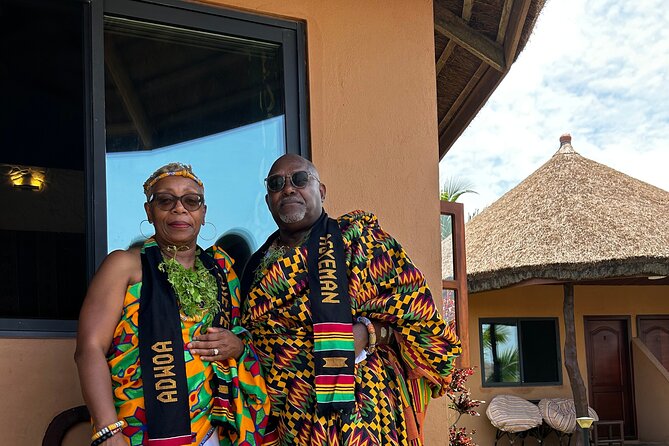
Day 3 is a long travel day, with roughly five hours on the road from Accra toward Kumasi. The journey is broken by a visit to a kente weaving village, described in the schedule as Bonwire and also connected with Adawomase. Kente is Ghana’s famous colorful woven cloth, traditionally worn for important occasions and celebrations.
A weaving stop is valuable because it lets you see the work behind the fabric sold in markets. Instead of treating kente as a souvenir with no context, you learn how the cloth relates to Ghanaian identity and ceremony. If you plan to buy fabric later, this visit can help you recognize the difference between a handmade local product and a mass-produced item.
The route also includes an older cocoa farm. You see everyday farming practices, learn how rural communities live, and view products made from cocoa. The schedule does not specify the farm’s name or the exact length of the visit, so expect a practical introduction rather than a specialized agricultural course.
Kumasi receives a full cultural day on Day 4. Manhyia Palace Museum was the seat and official residence of the Asantehene, the traditional ruler of Asanteman. Its exhibits give you a way to understand the Asante kingdom through royal objects, leadership, and ceremony.
The Okomfo Anokye Sword Site is another important stop. The sword monument is tied to Asante tradition, and the visit also includes a cultural center with modern art in a clean museum setting. Together, these stops show that Kumasi is not frozen in the past. Traditional authority and present-day creativity share the same city.
Kejetia Market then brings you into one of West Africa’s largest open-air markets. You can shop for cloth and local goods, speak with women traders, and practice bargaining. The market is likely to feel crowded and energetic, so keep your belongings close and allow patience for the pace.
Kumasi nightlife is included in the plan. After a full day, you may prefer a quiet evening, but the option is there. This is one place where the private format helps. Your group can discuss how much energy remains instead of following a large coach party on a fixed night out.
Days 5 and 6: Assin Manso, Elmina Castle, and the Naming Ceremony
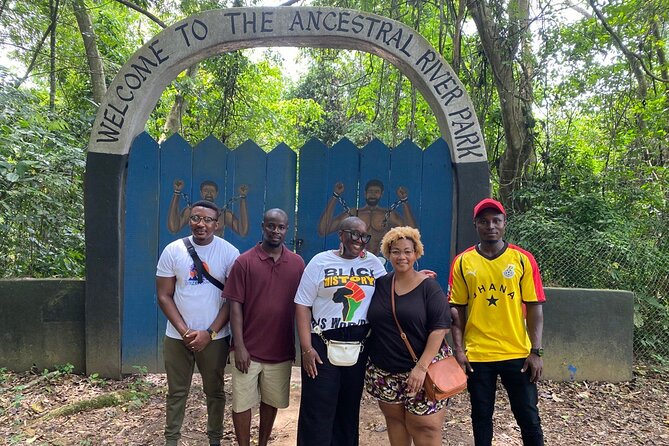
Day 5 moves from Kumasi toward the coast, with about four hours of driving. The major stop is Assin Manso Ancestral Slave River Park, a small site with enormous emotional weight.
The park marks the place where captives were kept before being moved toward Cape Coast and Elmina. The final bath in the Slave River was part of a cruel process that preceded the coastal forts and slave ships. The tour includes a healing visit intended to help you reconnect with ancestors.
You should give yourself mental space here. This is not a stop to rush through while thinking about the next attraction. The schedule allows about six hours for the day’s activities and travel, followed by hotel time for rest and reflection.
Day 6 begins with a naming ceremony in an Elmina community. You meet the chief and elders, receive a welcome through poured libation, and are given a local Ghanaian name. The ceremony is a significant part of the trip, but it is also a moment when respectful behavior matters. Listen carefully, follow the guide’s instructions, and treat the event as a cultural welcome rather than a performance arranged for photographs.
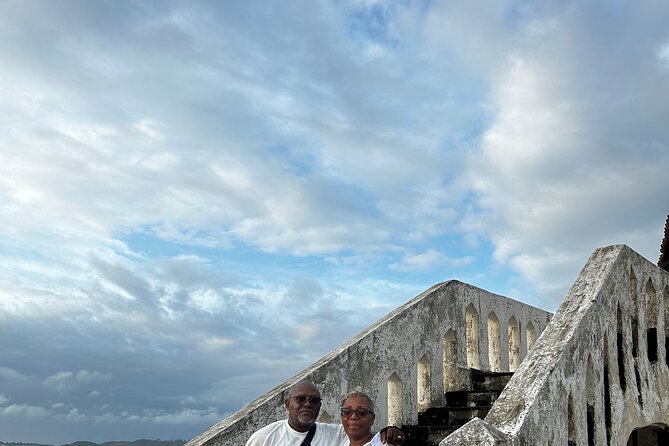
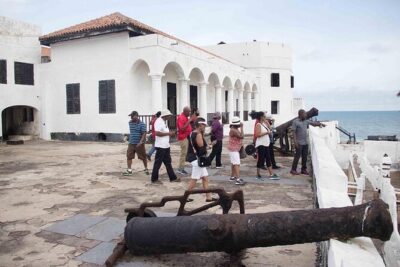
Elmina Castle follows. The tour includes the slave dungeon and Door of No Return, with a visit of about two hours. The castle’s setting beside the coast can look attractive in photographs, but the rooms tell a painful story. I would not plan this as a casual sightseeing hour. The value lies in understanding the physical conditions and the route from inland capture to coastal imprisonment.
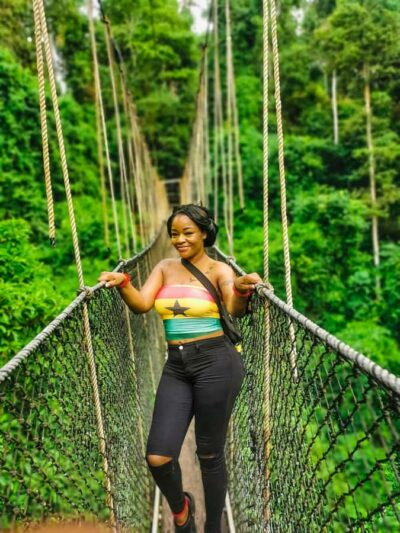
Kakum National Park changes the mood later in the day. The rainforest is home to forest elephants, bongo antelopes, Diana monkeys, birds, and butterflies. The canopy walkway hangs about 30 meters above the ground and gives you treetop views.
The walkway is one of the trip’s most memorable visual experiences, but it is not the main reason to book a pilgrimage tour. Think of Kakum as a needed pause after the castle. You shift from human cruelty to Ghana’s natural world, then return to the hotel for rest.
The evening ends with dinner and an African drumming and dance performance by the Akomapa dance group. This provides a lively cultural finish to a day that begins with mourning and historical reflection.
A few more options to weigh up in Accra
- Private Car Service
★ 5.0 · 59 reviews - Private Aburi Hill Guided Tour
★ 5.0 · 34 reviews - Full-Day Accra Safari and Boat Cruise Private Tour
★ 5.0 · 32 reviews - The Agbogbloshie (Accra E-waste and Recycling experience) Private Tour
★ 5.0 · 31 reviews
Day 7: A School Visit and Hands-On Batik Work

Day 7 is less hurried. You visit a local school, meet pupils, observe classes, and present donations. The schedule does not specify which supplies are needed or how the donation process is organized, so ask the tour team in advance what would be most useful if you want to bring something.
The visit is intended to create direct contact with the local community. Still, school visits require care. Bring a respectful attitude, follow the school’s rules, and remember that children are not an attraction.
The batik tie-dye workshop lasts about two hours. You learn how to design and make your own print, then take away one yard of material. This is a practical souvenir because you create it yourself, rather than simply picking up another printed cloth from a market stall.
The rest of the day is set aside for relaxation at the hotel. That slower pace is welcome after the castle, national park, and ceremony. It also gives you time to process the trip before another transfer.
Day 8: Returning to Accra With Free Time
After breakfast, you drive from Elmina back to Accra, a journey of about five hours. The rest of the day is open, with no fixed sightseeing schedule.
This free time is useful for shopping, rest, or a second look at something you missed earlier. It also protects the trip from becoming a nonstop march from one historic site to another. Still, the day is mostly a transfer, so do not count it as a full sightseeing day.
Days 9 and 10: Mona Monkeys and Wli Waterfalls
Day 9 begins very early, with a roughly three-hour drive from Accra toward Wli in the Volta Region. En route, you visit Tafi Atome Monkey Sanctuary and Cultural Village.
The sanctuary is home to Mona monkeys, and the visit explains how ecotourism has helped support the village. This is one of the tour’s strongest examples of connecting nature with community development. You are not only looking for animals. You also learn how a local conservation project can contribute to village life.
After the visit, you continue to your hotel and rest before dark. That early start makes the quiet evening worthwhile.
Wli Waterfalls fills much of Day 10. It is described as West Africa’s highest waterfall, and you can spend time refreshing yourself in the water. The schedule allows about five hours for the visit and surrounding travel, with another quiet evening afterward.
The plan includes a drink at a local pub across the street. Drinks are not included in the tour price, so you will pay separately. This is a small detail, but it helps you budget accurately.
Day 11: Lake Volta and the Akosombo Dam
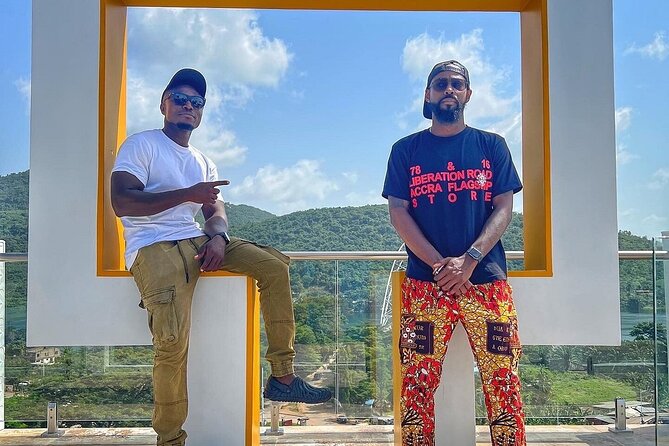
Day 11 takes you from the Volta Region to Akosombo. The main activity is lunch on the lake followed by a boat cruise on Lake Volta, described as the world’s largest man-made lake by surface area.
You also get side views of Ghana’s hydroelectric dam. The cruise offers a welcome change from museums, markets, and memorial sites. After so many structured visits, being on the water gives you a quieter way to see the area.
The boat portion and lunch are listed within a four-hour section, followed by hotel check-in and rest. The price information says dinner, breakfast, water, accommodation, transport, taxes, and entrance fees are included, but it also says meals and drinks are not included. Read that wording carefully: breakfast is provided for 11 mornings and dinner is listed, while you should expect to pay for other meals and drinks unless your operator confirms otherwise.
Day 12: Airport Transfer and Final Shopping
The final day takes you from Akosombo back to Accra and the airport, depending on your departure time. You also have a chance to shop.
Because the return transfer depends on your flight schedule, avoid booking a departure that leaves no margin for road delays. The tour ends back at the meeting point, and the stated meeting point is Accra Mall, Plot C11 at the Tetteh Quarshie Interchange on Spintex Road. Airport pickup is offered, but confirm the exact pickup arrangement when booking.
What the $2,715 Price Gives You
At $2,715 per person, this is a substantial purchase. The value depends on how much you would otherwise spend arranging a private 12-day route across Accra, Kumasi, the Central Region, the Volta Region, accommodation, drivers, admission fees, and cultural activities.
The package includes an air-conditioned vehicle, accommodation, bottled water, all fees and taxes, breakfast on 11 days, and dinner. It also includes the listed entrance fees for museums, parks, castles, and other attractions.
The main costs left for you are most lunches, other meals, and drinks. Shopping, nightlife spending, and personal expenses are also separate. Group discounts may improve the value if you are traveling with several people, while the private format means you are not sharing the experience with strangers.
I would see the price as reasonable for someone who wants a planned, private route and a strong focus on cultural sites. It is less attractive if you prefer to arrange your own hotels, eat very simply, or spend several days in one place.
Who Should Choose This Tour?
I would recommend it to you if you want Ghana’s major historic sites tied together with community contact and time for reflection. It is especially suitable for families, ancestry groups, church or cultural organizations, and private groups seeking a pilgrimage with a clear purpose.
You should also enjoy road travel. The route covers a lot of ground, and several days include long drives. People who need a slow schedule, dislike early departures, or want detailed free time in each city may find it tiring.
The private format is a major advantage. Only your group participates, which gives you more room to ask questions, pause at serious sites, and set the pace during open periods. One published five-star account specifically praises Joseph’s energy and warm welcome, so requesting Joseph, if available, could be worth asking for.
Should You Book the Atonement Pilgrimage Tour?
Book it if you want a serious, wide-ranging Ghana experience that combines the slave-trade sites with modern Ghanaian life, Asante culture, conservation, craft, and nature. The naming ceremony, Assin Manso visit, and Elmina Castle form the emotional core, while Kakum, Wli, Tafi Atome, and Lake Volta keep the journey from becoming unrelentingly heavy.
Think twice if you want a short city break or a relaxed beach holiday. This is a full 12-day program with long transfers and several emotionally demanding visits. For the right person, though, the route offers something rare: history you can confront, communities you can meet, and time to consider what those connections mean.
FAQ
How long is the tour?
The tour lasts approximately 12 days.
Where does the tour begin?
The stated meeting point is Accra Mall, Plot C11 Tetteh Quarshie Interchange, Spintex Road, Accra, Ghana.
What time does the tour start?
The listed start time is 9:00 am.
Does the tour provide airport pickup?
Pickup is offered, and the first-day plan says you are met after arriving at Kotoka International Airport. Confirm the exact airport pickup details when booking.
Is this a private tour?
Yes. Only your group participates in the activity.
What accommodation is included?
Accommodation is included in the tour price, although specific hotel names are not provided.
Are meals included?
Breakfast is included for 11 days, and dinner is also listed as included. The tour information separately states that meals and drinks are not included, so confirm which dinners and other meals are covered before departure.
What historical sites are included?
The route includes Assin Manso Ancestral Slave River Park, Elmina Castle, the slave dungeon, the Door of No Return, the Kwame Nkrumah Memorial Park, the W.E.B. DuBois Centre, Manhyia Palace Museum, and the Okomfo Anokye Sword Site.
Is Kakum National Park part of the tour?
Yes. The visit includes Kakum National Park and its canopy walkway, suspended about 30 meters above the forest floor.
Can I cancel for a full refund?
Yes. You can cancel at least 24 hours before the experience start time for a full refund. Cancellations or changes made less than 24 hours before the start time are not accepted for a refund.
Just added in Accra
- Wli Waterfall And Tafi Monkey Sanctuary ( Volta Region)★ 5.0 · 1 review
- Traditional Beadmaking Workshop★ 5.0 · 1 review
- Private 9-Day Tour in Ghana★ 5.0 · 2 reviews
- Wli Waterfalls, Mount Afadjato & Tafi Atome Monkey Sanctuary★ 5.0 · 2 reviews
- Cape Coast and Elmina castle Day Trip★ 5.0 · 2 reviews
- Culinary for Social Change-Cooking Class★ 5.0 · 2 reviews
- Time with Nature★ 5.0 · 2 reviews
- Historical Day Tour to Cape Coast, Elmina and Kakum★ 5.0 · 3 reviews
Accra Tours, compared.
Experience the Beauty, History and the Culture Of Accra in a Day
Read our review →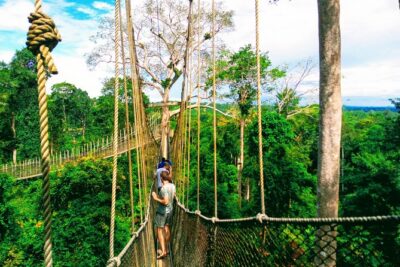
Cape Coast, Elmina Castle & Kakum Park Day Tour
Read our review →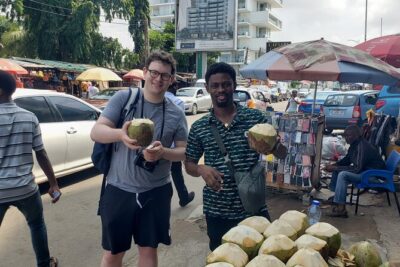
Browse the lists this tour appears in