
REVIEW · ABURI BOTANICAL GARDENS
Aburi Botanical Gardens & First Cocoa Farm
Green shade, old trees, and a city view. This six-hour trip north of Accra combines the Aburi Botanical Gardens with Ghana’s first cocoa farm, giving you nature, local history, and a look at how cocoa became part of Ghana’s story. I like the garden’s mix of medicinal and spice plants, and I like that the private format lets you explore with your own guide rather than a large group.
The Tetteh Quarshie cocoa farm adds real purpose to the outing. You are not only looking at attractive plants, you are learning how cocoa arrived in Ghana and how it is processed. The main consideration is that food and drinks are not included, so plan for a six-hour trip without a provided meal.
In This Review
- Key points to know before you book
- Leaving Accra for Aburi’s cooler greenery
- Walking through Aburi Botanical Gardens
- Understanding Ghana’s cocoa story at Mampong Tetteh Quarshie Farm
- The Accra view adds a welcome final layer
- Craft shopping at Aburi before returning
- What the $140 price includes
- Who will enjoy this six-hour private outing
- Booking flexibility and practical planning
- Should you book the Aburi Botanical Gardens and First Cocoa Farm tour?
- FAQ
- Where does the tour begin and end?
- How long does the experience last?
- How much does the tour cost?
- Is the tour private?
- What language is the tour conducted in?
- What is included in the price?
- Is food included?
- What places does the tour visit?
- Can I cancel or pay later?
Key points to know before you book
- Aburi is just over 30 kilometers north of Accra: The trip offers a quick change from the city to a cooler, quieter hill town.
- The botanical garden began as a British sanitarium in 1890: Its old purpose helps explain why this site became associated with tropical plants and health.
- Plants linked to world leaders grow in the gardens: You may see the listed mahogany, cedar, and silver oak plantings connected with figures from Britain, Hungary, and Romania.
- The cocoa stop dates to 1879: Mampong Tetteh Quarshie Farm is linked to the blacksmith who brought cocoa pods back from Fernando Po.
- A private group keeps the pace flexible: You travel in an air-conditioned vehicle with a guide and driver, rather than joining a large shared bus.
- The return includes Aburi Craft Market: It gives you a chance to shop for local crafts before going back to your Accra hotel.
Leaving Accra for Aburi’s cooler greenery
Your day begins with hotel pickup in Accra. The vehicle is air-conditioned, and the price includes fuel, a driver, a tour guide, and return transportation. You should wait in your hotel lobby 10 minutes before the scheduled pickup.
Aburi is just over 30 kilometers north of Accra, but the change in mood is the point of the trip. Accra is Ghana’s busy coastal capital. Aburi is known for a calmer setting and its botanical gardens. The distance is short enough for a half-day outing, yet the destination feels like a proper break from city streets.
The activity lasts six hours from pickup to return. That gives you time for the gardens, the cocoa farm, the regional guided stop, and craft shopping without turning the day into an overnight excursion. The exact starting time depends on availability, so check the schedule before booking.
The tour is offered as a private group experience. That matters if you want to ask questions about plants, cocoa, or the places connected with the garden’s trees. It also means you are not working around the needs of a large public group.
More Aburi and garden trips:
- Boti Falls, Umbrella Rock, Aburi Gardens & Cocoa Farm Tour
★ 4.6 · 72 reviews - Experience Boti Waterfalls, Aburi Botanical Gardens & Tetteh Quarshie Cocoa Farm
★ 5.0 · 38 reviews - Private Aburi Hill Guided Tour
★ 5.0 · 34 reviews
Walking through Aburi Botanical Gardens
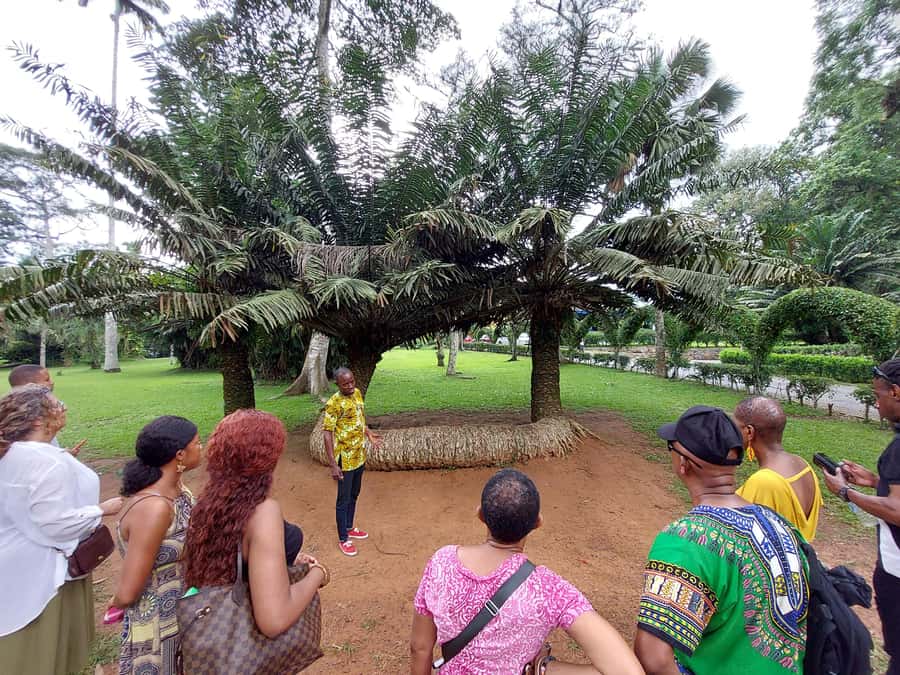
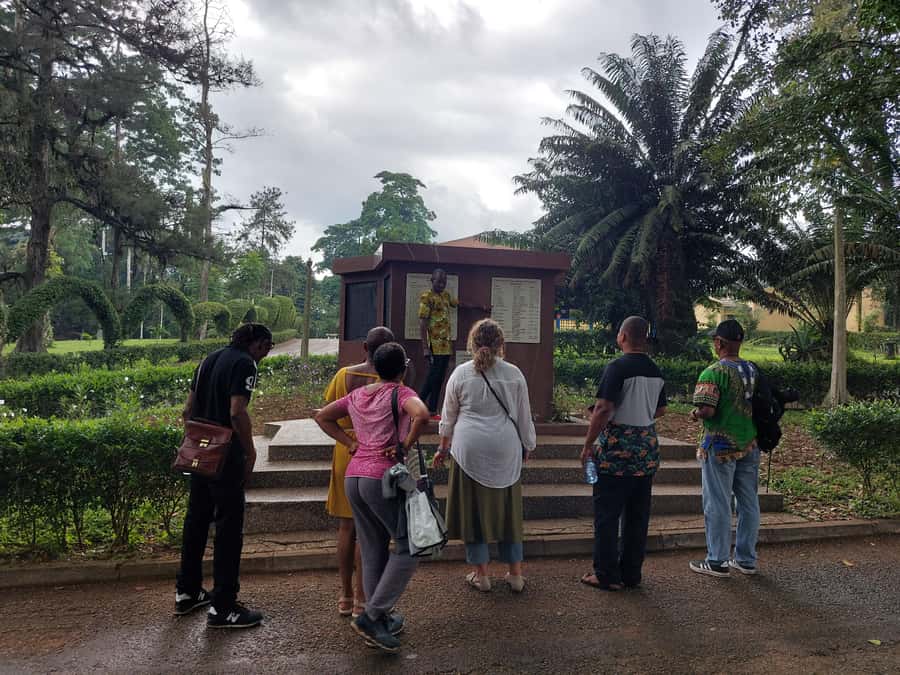
The main visit lasts about one hour and includes a guided tour, sightseeing, and walking. The gardens were established by the British in 1890 as a sanitarium. That early connection with health gives the site more meaning than a simple collection of ornamental plants.
You will learn about tropical plants used for medicine and spices. This is one of the best reasons to choose the outing if you enjoy nature but do not want a standard sightseeing drive. Your guide can connect what you see with practical uses, including the value of plants beyond decoration.
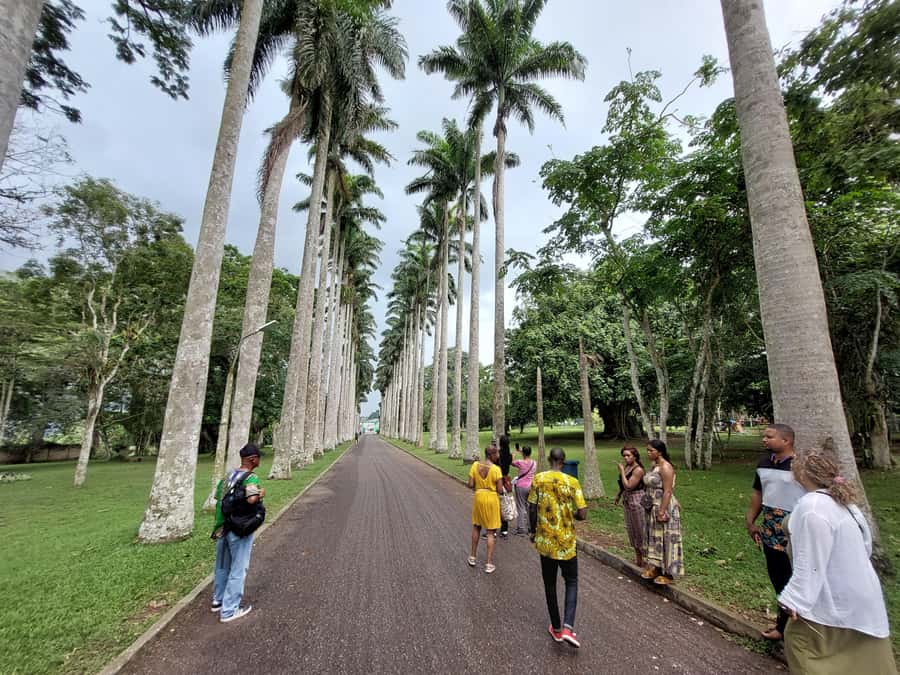
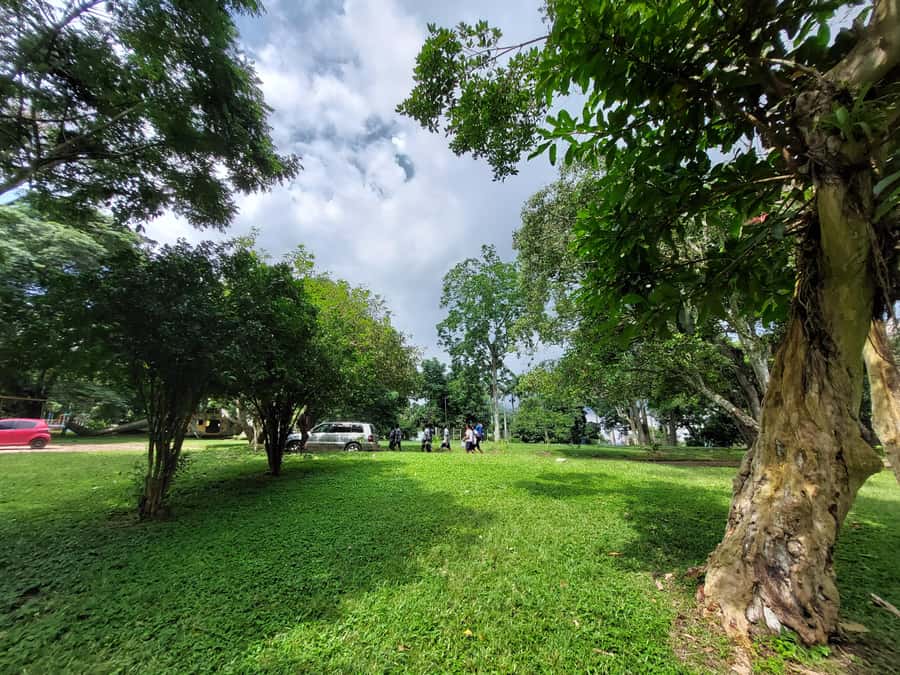
The garden is described as one of the largest and most popular botanical gardens in West Africa. Expect a broad collection of tropical plants rather than a short public park visit. The hour-long guided walk is long enough to introduce the garden’s character, though it is not designed as an all-day botanical study.
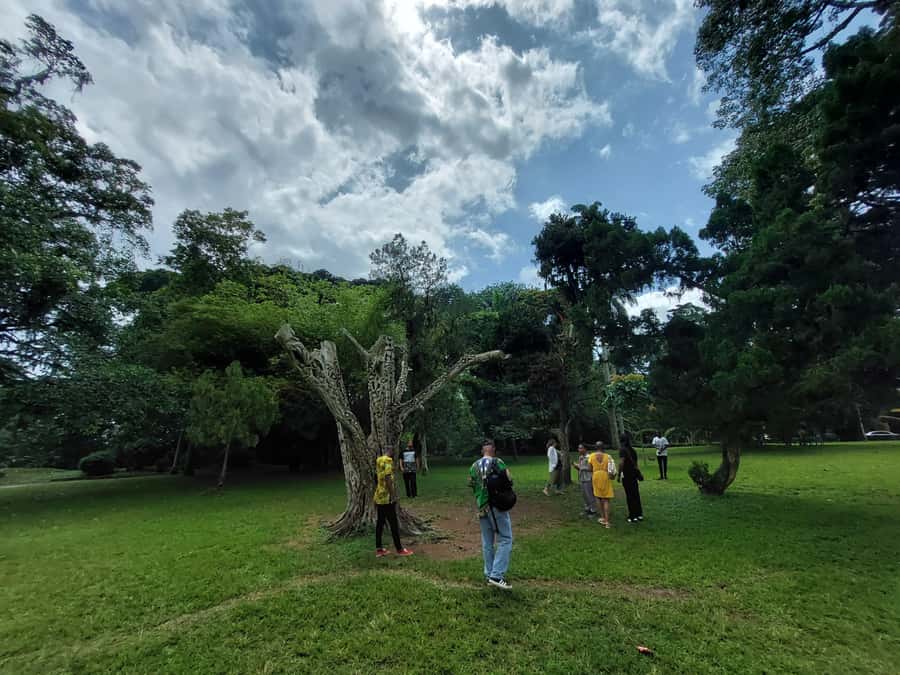
The historic plantings add another layer. The grounds include trees associated with several political and royal figures. The listed examples include a mahogany connected with Queen Elizabeth II in 1924, a cedar linked with Pal Losones of Hungary in 1961, another cedar associated with Nicolae Ceaușescu of Romania in 1961, and a silver oak connected with Prince Charles of Britain in 1977.
These names and dates give you something specific to look for as you walk. Do not expect every tree to feel like a grand monument. The appeal is quieter: a living collection of tropical specimens with links to international visitors and Ghana’s colonial-era botanical interest.
You should wear comfortable shoes for the garden walk. Walking is part of the scheduled visit, and the attraction is best enjoyed at an easy pace. The supplied details do not specify the condition of paths or the amount of shade, so prepare for an outdoor visit rather than assuming a fully paved, indoor-style attraction.
Understanding Ghana’s cocoa story at Mampong Tetteh Quarshie Farm
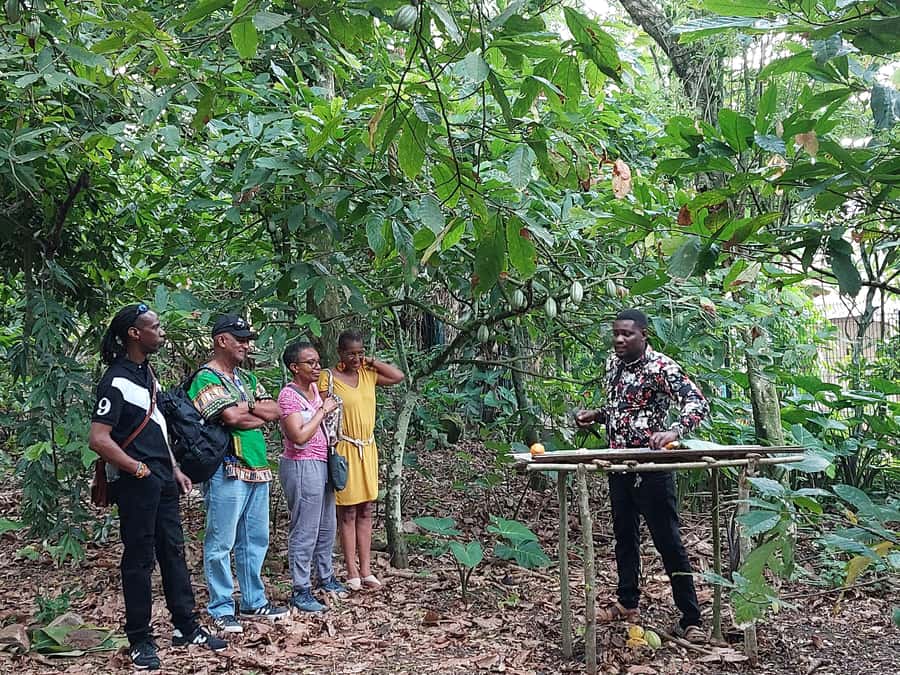
The cocoa farm is near the botanical gardens at Mampong. It dates back to 1879 and is identified as Ghana’s oldest cocoa farm. That date makes it one of the most important stops for understanding how cocoa became connected with the country.
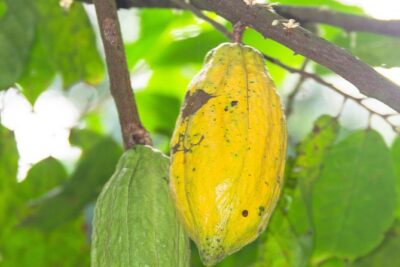
The farm takes its name from Tetteh Quarshie, a blacksmith from Osu in Accra. He had returned from Fernando Po three years earlier with cocoa pods. The visit introduces that origin story and lets you see some of the original trees.
For me, this stop gives the day a useful balance. The botanical garden focuses on the variety and uses of tropical plants. The cocoa farm focuses on one crop with major importance in Ghana. You move from a broad lesson about plants to a specific story about cultivation, processing, and the movement of cocoa into Ghana.
You will learn about cocoa processing during the guided visit. The supplied information does not promise a hands-on workshop or a tasting, so you should book this for the explanation and historic setting rather than expect a full production demonstration.
The original cocoa trees are the key detail. They give the farm a direct connection to the early period of cocoa cultivation in Ghana. If you have already visited modern cocoa facilities, this older farm can offer a different perspective. If cocoa is not a major interest for you, the stop may feel more educational than visually dramatic.
The itinerary also includes a 30-minute guided portion identified with Ghana’s Eastern Region. The available details do not provide a separate attraction name or a full description for that stop. You should think of it as part of the regional touring time, while the botanical gardens and cocoa farm are the clearly defined highlights.
The Accra view adds a welcome final layer
One of the promised highlights is a bird’s-eye view of Accra. From the Aburi area, you get a different perspective on Ghana’s capital than you would from street level. The view is a strong reason to bring a camera, though the information does not identify a specific lookout point or guarantee a particular angle on every day.
This is not a viewpoint-only excursion. The city view works best as a short scenic reward within a day focused on gardens and cocoa. You will spend most of the organized sightseeing time learning and walking, not standing at a lookout.
That balance suits you if you want several kinds of experience in one outing. It may not suit you if your main goal is a long mountain walk or an extended photography session. The tour promises sightseeing and a bird’s-eye view, but it does not describe a hiking route or a dedicated viewpoint stay.
More cocoa farm visits in Ghana:
- Escape Accra City to Aburi Gardens and Tetteh Quarshie Cocoa Farms
★ 4.5 · 32 reviews - Boti Falls, Umbrella Rock, Aburi Gardens & Cocoa Farm Day Tour
★ 5.0 · 32 reviews - Boti Falls, Botanic Gardens, Cocoa Fam, Umbrella Rock Experience
★ 5.0 · 20 reviews - Accra Aburi Eco & Cocoa Experience: Gardens Waterfall &Lunch
★ 4.9 · 12 reviews
Craft shopping at Aburi before returning
On the return to Accra, you can shop for crafts at Aburi Craft Market. This gives the day a practical ending and lets you look for a locally made item rather than spending the whole excursion inside formal attractions.
The details do not specify the types of crafts, prices, or amount of shopping time. Keep your expectations open and treat the market as an optional final stop, not the central reason to book. If you prefer not to shop, the private format may make it easier to discuss the timing with your guide, though no exact flexibility is promised.
The return drop-off is at your Accra hotel. Having pickup and drop-off included makes this simpler than arranging separate transport to Aburi, the farm, and the market. It also protects the day from becoming a puzzle of taxis and directions.
What the $140 price includes
The cost is $140 per person. That is not the cheapest way to see Aburi, but the price covers more than admission. You receive hotel pickup and drop-off, an air-conditioned vehicle, fuel, a driver, an English-speaking guide, water, and entrance fees to the listed sites.
The private group format is the main value point. If you are traveling with family or friends, the cost buys a dedicated vehicle and guide for the group rather than a seat on a shared coach. The value is stronger when you want transport handled from start to finish and prefer a guided introduction to both the gardens and cocoa farm.
Food and drinks are not included. Water is included, but you should not assume that lunch, snacks, or a restaurant stop are part of the plan. Since the outing lasts six hours, eat before pickup or make your own arrangements for food.
The price also reflects convenience. You do not need to pay separate entrance fees at the listed sites or arrange fuel and a driver. If you are comfortable organizing local transport yourself, $140 may feel high. If you prefer a private, all-in outing from Accra, the package is easier to justify.
Who will enjoy this six-hour private outing
I would recommend this tour most strongly to you if you enjoy gardens, useful plant knowledge, and Ghanaian agricultural history. It also works well for first-time visitors who want to see something beyond Accra without committing to a long trip.
Families may appreciate the mix of open-air sightseeing, a short guided walk, trees with unusual stories, and cocoa history. The private setup can make questions easier, though the experience still includes walking and outdoor time.
It is also a good fit for anyone curious about food origins. Cocoa is familiar to nearly everyone, but the farm helps connect the finished product with trees, processing, and a specific Ghanaian story.
I would think twice if you want a full meal, a strenuous nature hike, or a long and detailed botanical course. The garden visit is about one hour, the regional guided portion is about 30 minutes, and the day includes several stops. It is varied rather than intense.
The tour is conducted in English. That is important if you want to follow the explanations about medicinal plants, spices, historic trees, and cocoa processing. No other tour language is listed.
Booking flexibility and practical planning
You can cancel up to 24 hours before the experience for a full refund. You can also reserve now and pay later, which helps if your Accra schedule is still taking shape. Check available starting times because the six-hour duration does not come with one fixed departure time in the supplied details.
The activity is private, with pickup included from Accra. Wait in your hotel lobby 10 minutes before pickup so the driver and guide can find you without delay.
Bring comfortable footwear and a way to protect yourself from sun or rain. The tour is outdoors and includes walking, although the supplied details do not specify weather arrangements or path conditions. Since food is excluded, arrange your own meal or snacks before setting out.
Should you book the Aburi Botanical Gardens and First Cocoa Farm tour?
Book it if you want an easy, private day trip from Accra that combines tropical plants, a historic cocoa farm, an Accra view, and craft shopping. The strongest parts are the garden’s medicinal and spice plants, the 1879 cocoa connection, and the convenience of included transport and entrance fees.
Skip it if you want a long hike, a full cocoa production workshop, or a food-focused day. At $140 per person, the tour earns its price through private transport, a guide, site admissions, and a six-hour plan. For a relaxed introduction to Aburi and Ghana’s cocoa story, it is a sensible choice.
FAQ
Where does the tour begin and end?
Pickup is provided in Accra, and you are dropped back at your Accra hotel after the tour.
How long does the experience last?
The tour lasts six hours.
How much does the tour cost?
The listed price is $140 per person.
Is the tour private?
Yes. It is offered for a private group.
What language is the tour conducted in?
The live tour guide conducts the experience in English.
What is included in the price?
The price includes water, entrance fees to the listed sites, an air-conditioned vehicle, fuel, a tour guide, a driver, and hotel pickup and drop-off.
Is food included?
No. Food and drinks are not included. Water is provided.
What places does the tour visit?
The experience includes Aburi Botanical Gardens, Mampong Tetteh Quarshie Farm, a guided portion in Ghana’s Eastern Region, and shopping time at Aburi Craft Market on the return.
Can I cancel or pay later?
You can cancel up to 24 hours in advance for a full refund. You can also reserve now and pay later.
Just added in Ghana
- Wli Waterfall And Tafi Monkey Sanctuary ( Volta Region)★ 5.0 · 1 review
- Full Day Tour with Traditional Naming Ceremony in Kumasi★ 5.0 · 4 reviews
- Traditional Beadmaking Workshop★ 5.0 · 1 review
- Visit Aburi Garden, Tetteh Quarshie Cocoa Farm & Waterfall★ 4.0 · 4 reviews
- Traditional Naming Ceremony For African Americans In Kumasi★ 5.0 · 5 reviews
- Kumasi kejetia central market tour & Traditional Local cooking food classs★ 4.5 · 2 reviews
- 3 Days Elephants Safari at Mole Park with Round – trip flights★ 5.0 · 3 reviews
- Kumasi City Tour★ 4.5 · 3 reviews
Aburi Botanical Gardens, compared.
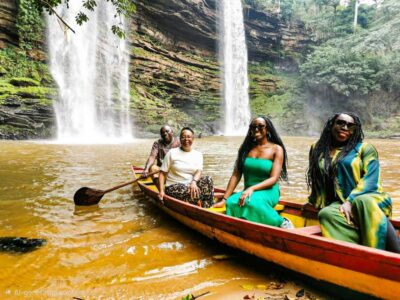
Boti Falls, Umbrella Rock, Aburi Gardens & Cocoa Farm Tour
Read our review →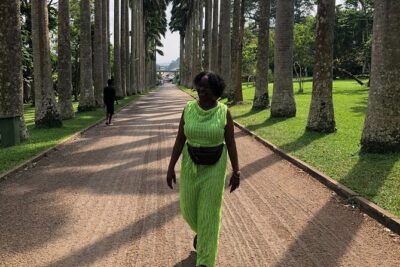
Experience Boti Waterfalls, Aburi Botanical Gardens & Tetteh Quarshie Cocoa Farm
Read our review →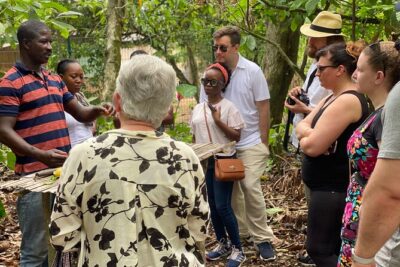
Escape Accra City to Aburi Gardens and Tetteh Quarshie Cocoa Farms
Read our review →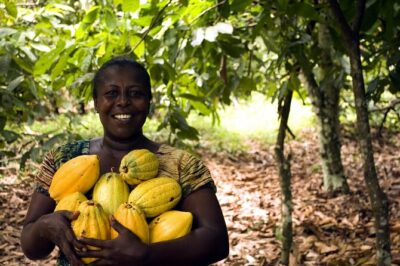
Boti Falls, Umbrella Rock, Aburi Gardens & Cocoa Farm Day Tour
Read our review →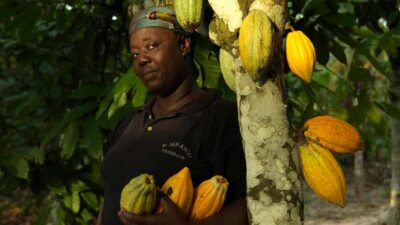
Accra Aburi Eco & Cocoa Experience: Gardens Waterfall &Lunch
Read our review →
Full Day Tour Waterfalls Quad biking and Aburi Botanical Gardens
Read our review →
Aburi, Ghana Private Zipline and Adventure Experience
Read our review →Browse the lists this tour appears in