
REVIEW · ACCRA TOURS
Local Ghanaian Cooking Class in Accra to help support wellness community center
A market trip can change your lunch. This Accra cooking class links a local food shop with a family-style meal, giving you a practical way to learn Ghanaian recipes while supporting the Global Wellness Mission. I especially like the small-group setting and the chance to prepare food such as fufu, banku, jollof rice, and soup from basic ingredients. I also like that your booking helps fund health, nutrition, youth, art, and exercise programs. The main thing to watch is the timing: the experience is advertised at about six hours, but some visitors completed the cooking portion in roughly two hours.
You meet at the wellness center, ride by car to a nearby market, then return for cooking, local spirits, lunch, and conversation. Dietary requests can be arranged in advance, but the level of hands-on work may vary. Some classes involve plenty of participation, while others may have ingredients prepared before you arrive.
In This Review
- At a glance: what makes this class useful
- Starting at Global Wellness Mission in Accra
- Shopping for ingredients at a local market
- Pounding fufu, banku, jiji, and rice balls
- Choosing a Ghanaian soup or stew
- Tasting akpeteshie-based local spirits
- Meeting the hosts and their families
- How much value do you get for $45?
- Who should book this Accra cooking class?
- Practical tips before you book
- Should you book it?
- FAQ
- Where does the Ghanaian cooking class start?
- Where does the activity end?
- How long does the cooking experience last?
- Is transportation included?
- What foods can I learn to prepare?
- Are drinks included?
- Can I cancel for a refund?
At a glance: what makes this class useful
- Your booking supports a real community center: Funds help provide physical activity programs, nutrition education, health screenings, after-school lectures, art, and dance.
- The market visit comes first: You see the ingredients being selected before learning how they become a Ghanaian meal.
- Classic Ghanaian staples are on the menu: Depending on your choice, you may work with fufu, banku, jiji, rice balls, okra soup, groundnut soup, palm-nut soup, light soup, or plain soup.
- Local spirits add cultural context: Emergency, Hatso, and Uwuba are made from akpeteshie and infused with local bark or tree leaves.
- The hosts make the experience personal: Names that appear in the experience include Ms. Pat, Auntie Irene, Gifty, and Linda.
- Expect some flexibility: The maximum group size is 20, but smaller groups receive more direct attention and usually make conversation easier.
Starting at Global Wellness Mission in Accra
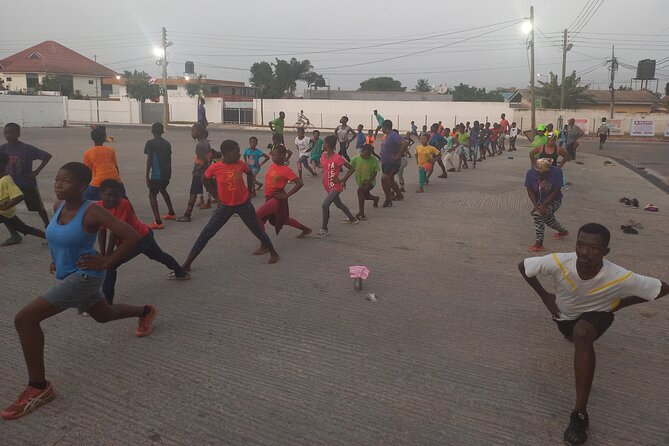
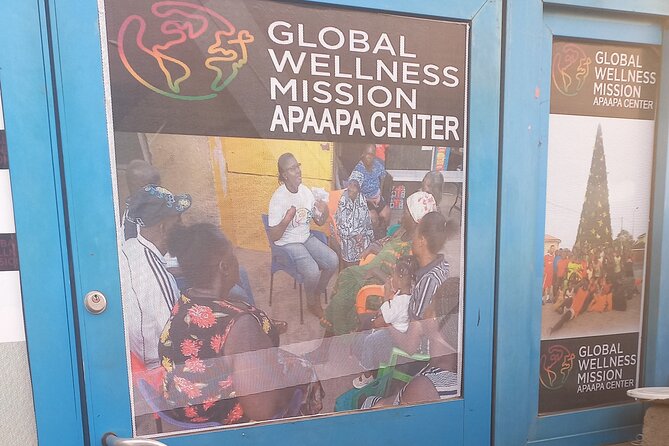
The class begins at Global Wellness Mission, CM7, Third Oloti Street, Accra. The meeting point matters because this is not simply a cooking lesson held in a hotel kitchen. The wellness center gives the class a wider purpose, and your morning connects food with local health and community work.
The center provides physical activity programs, nutrition education, health screenings, after-school lectures for children, art, and dance programs. That makes the $45 price easier to assess. You are paying for a six-hour experience on paper, but part of the value also comes from supporting these services.
The scheduled operating hours are Monday through Saturday from 8 a.m. to noon. That wording can seem confusing beside the listed six-hour duration, so I would confirm the exact start and finish time when you book. The class may run longer than the stated morning opening window, or the hours may refer to the usual meeting period. It is a small detail, but useful if you have a flight, another tour, or a fixed lunch appointment.
The activity ends back at the same meeting point. That is convenient, especially since transportation to the market is provided by car.
More cooking classes in Accra:
- Home Cooking Class by Auntie K
★ 5.0 · 62 reviews - Authentic Ghanaian Cooking Class in Accra
★ 4.5 · 11 reviews - Authentic Ghanaian Cooking Lessons and Take Out Services.
★ 5.0 · 9 reviews
Shopping for ingredients at a local market
After meeting, you ride to a local market to collect the ingredients needed for your chosen dishes. This is one of the best parts of the experience because it gives you a look at the food before it reaches the cooking pot.
A market visit also helps explain Ghanaian cooking in a simple way. You are not just handed a finished recipe and told to copy it. You see the raw materials, make choices with your host, and then return to prepare the meal. The class description does not identify the market by name or provide a fixed shopping list, so the ingredients can depend on the soup, stew, and starch you select.
Your host may ask you to choose among dishes such as okra soup, groundnut soup, palm-nut soup, light soup, or plain soup. For the starch, you may learn to pound fufu, banku, jiji, or rice balls. This range is useful because it lets you focus on a dish you genuinely want to eat, rather than following one rigid menu.
Still, you should keep expectations realistic. A market walk is included, but this is not presented as a formal food-market tour with a long explanation at every stall. Its main purpose is to buy what you will cook. If you enjoy seeing ordinary food shopping and asking questions, you will get more from this part.
Pounding fufu, banku, jiji, and rice balls
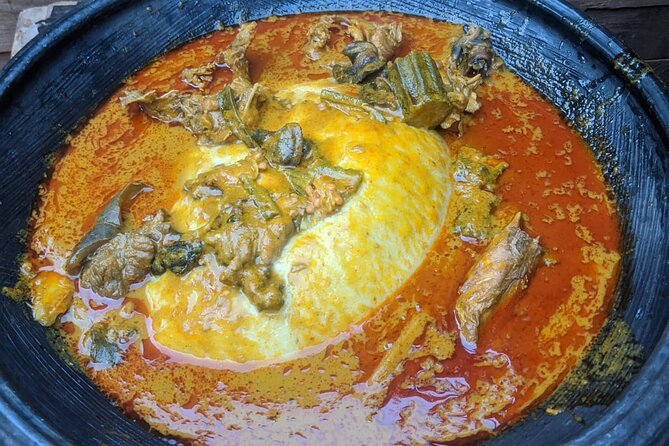
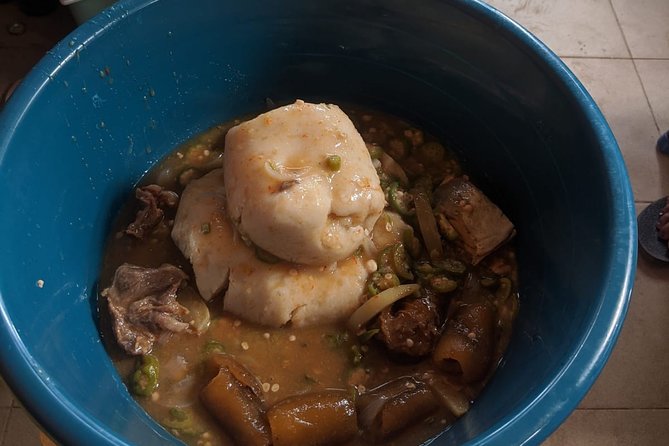
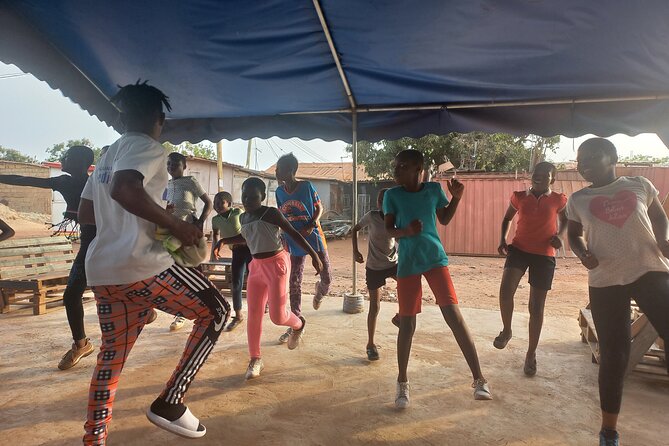
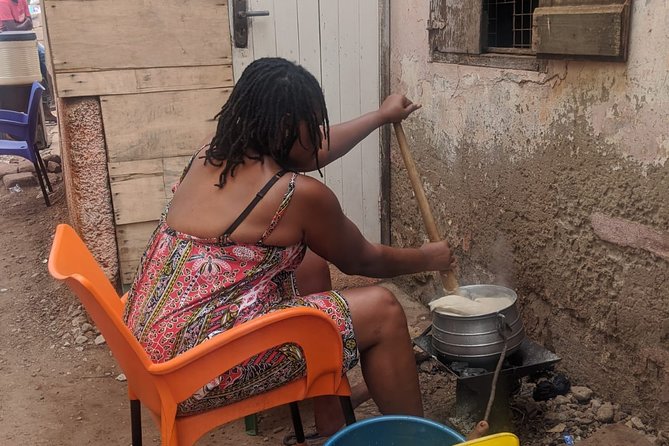
Back at the wellness center, the cooking begins. The most physical part may be preparing the starch. Fufu and banku require work, and the pounding and stirring help you understand why these foods are central to many Ghanaian meals.
The class may also cover jiji or rice balls. The exact combination depends on your selection and the host’s plan. The practical benefit is that you learn the texture and effort involved, rather than only watching a demonstration.
This is where the experience can differ from one booking to another. One account describes learning to make fufu with soup, while another describes banku, fried fish, stew, chicken, and jollof rice prepared with Auntie Irene. Gifty is also praised for explaining the process clearly and making the requested food.
At the same time, one person expected more hands-on preparation and found that some ingredients had already been prepared. That is the clearest drawback in the feedback. If chopping, grinding, and measuring every ingredient matters to you, ask ahead of time which steps you will perform yourself. The phrase hands-on can mean active cooking, not necessarily a complete lesson in every stage of food preparation.
Choosing a Ghanaian soup or stew
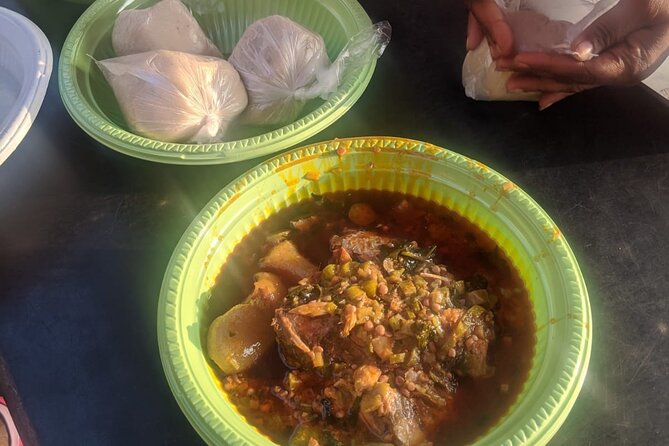
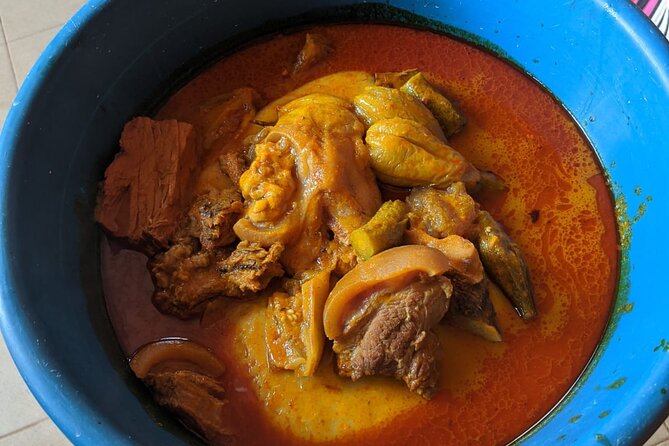
The soup or stew gives the meal its character. You may choose okra soup, groundnut soup, palm-nut soup, light soup, or plain soup. Each option offers a different way to experience Ghanaian flavors, but the supplied information does not give full recipes or ingredient lists.
Okra soup with banku is one documented pairing. Another class combined fufu with soup. The cooking lesson may also include stew with fish or chicken, depending on the menu selected. Jollof rice received particularly strong praise, with one person calling it the best they had eaten.
The strength of this format is choice. You can focus on a dish you have already tried in Ghana, or pick something unfamiliar. If you have dietary restrictions, make the request before the class. The provider says dietary needs can be accommodated on request, but you should not wait until the food is already being prepared.
The meal is included, so you get to eat what you help make. That sounds obvious, but it changes the feel of the class. You are not rushing through a small tasting plate. The experience ends with lunch and conversation, and the meal becomes the reward for the work.
More things to do in Accra:
- The Cape Coast Day Tour
★ 5.0 · 525 reviews - Experience the Beauty, History and the Culture Of Accra in a Day
★ 5.0 · 323 reviews - The Cape Coast Tour
★ 5.0 · 177 reviews - From Accra: Cape Coast, Elmina Castle & Kakum Park Day Tour
★ 4.6 · 144 reviews
Tasting akpeteshie-based local spirits
Before or during the cooking, you taste locally made spirits called Emergency, Hatso, and Uwuba. They are made from akpeteshie and soaked with local bark or tree leaves.
This is a distinctive cultural detail, but it also calls for caution. These are alcoholic beverages, and the class includes them. If you do not drink, or if you prefer to limit alcohol, tell the host. Soda and beer are not included, so bring no expectation of a wider drinks service. Lunch and local alcoholic beverages are included, while soda and beer are not.
The spirits are not the main reason to book the class. They are a small part of the cultural exchange, giving you something local to taste while you work. The cooking and conversation carry the experience.
Meeting the hosts and their families

The strongest part of this class is the personal welcome. Ms. Pat and her family are described as warm and generous, and the cooking is paired with laughter and conversation. Gifty is praised for being attentive and making sure the food matched the requested dishes. Auntie Irene led a class that covered banku, fried fish, stew, chicken, and jollof rice.
Those names matter because this is a people-centered activity. You are not moving through a large demonstration with a scripted presentation. You may be cooking with a host and family members in a neighborhood setting, which can make the experience feel more relaxed and direct.
Linda has also helped connect a visitor with a local seamstress. That is not a guaranteed part of the class, and it should not be treated as an included service. Still, it shows the sort of useful local connection that can happen when a cooking activity is run by people who know the area.
The maximum group size is 20. That is not tiny, so ask about the expected group size if personal instruction is important to you. A small group should give you more time with the host, while a larger group may mean more observation and less control of the cooking tasks.
How much value do you get for $45?
At $45 per person, the price is fair if you want more than a meal. Your fee includes transportation by car to the market, ingredients for lunch, the cooking lesson, the meal, local spirits, and support for community programs.
The value is strongest for people who care about local contact and learning a few techniques they can remember. You get a market visit, food preparation, a choice of dishes, and time with a Ghanaian host. That is a fuller morning than simply ordering jollof rice in a restaurant.
The value is weaker if you expect a professional culinary school. The class can be informal, and the hands-on level is not guaranteed to be identical every time. Some people found the class lasted about two hours, while the published duration is approximately six hours. The difference may reflect transportation, shopping, cooking, and conversation, but you should confirm the expected schedule before paying.
The 4.5 out of 5 overall rating suggests a generally strong experience, but the one-star account about the host not appearing is serious. Since the provider is Pat and Maggie, confirm the meeting details and contact information close to the date. The free cancellation policy allows a full refund if you cancel at least 24 hours before the start time. Cancellations or changes made inside that period are not refunded or accepted.
The activity is often booked about 36 days ahead. That gives you a useful planning clue. If you want a particular date, especially during a busy Accra visit, booking early makes sense. Just keep the cancellation deadline in mind.
Who should book this Accra cooking class?
I would choose this class if you want food, conversation, and community connection in one activity. It suits couples, families, and curious solo visitors who enjoy learning by doing and do not need every minute to follow a strict schedule.
It is also a good choice if you want to support a local project while spending money in a useful way. The wellness center’s programs cover children, nutrition, exercise, health checks, art, and dance, so the class has a purpose beyond sightseeing.
You may want a different cooking experience if you need a guaranteed professional kitchen, a fixed six-hour timetable, or full control over every preparation step. The class is informal and flexible. That is its charm for some people and its weakness for others.
People who do not drink can still focus on the cooking, but alcohol is part of the included offerings. People with dietary needs should make arrangements in advance. Service animals are allowed, and the meeting point is near public transportation, though the activity itself includes car transport to the market.
Practical tips before you book
- Ask how long the full experience will run. The stated duration is about six hours, but the cooking portion has sometimes lasted around two hours.
- Request specific dishes early. Choices can include fufu, banku, jiji, rice balls, okra soup, groundnut soup, palm-nut soup, light soup, or plain soup.
- Confirm your hands-on role. Ask whether you will chop, pound, stir, and season, or whether some preparation will be completed in advance.
- Tell the host about dietary needs before arrival. Requests can be accommodated, but advance notice is important.
- Keep the meeting point handy. Start and finish at Global Wellness Mission, CM7, Third Oloti Street, Accra.
- Allow time for conversation. The social side is a major part of the experience, so do not schedule another activity too tightly afterward.
- Confirm the booking close to the date. One poor account involved a missed appointment and an unanswered call, so a quick confirmation is sensible.
Should you book it?
Book this class if you want a personal Ghanaian food experience with a community purpose. The market stop, choice of dishes, local spirits, and family welcome give it more character than a standard restaurant meal, and the food has earned strong praise, especially the jollof rice.
Go in expecting an informal class rather than a guaranteed professional lesson. Confirm the schedule, ask how much preparation you will do, and request your preferred dishes in advance. If you are comfortable with a little uncertainty and value direct contact with local hosts, $45 is a reasonable price for the meal, instruction, transport, and community support.
FAQ
Where does the Ghanaian cooking class start?
The experience starts at Global Wellness Mission, CM7, Third Oloti Street, Accra, Ghana.
Where does the activity end?
The activity ends back at the meeting point at Global Wellness Mission.
How long does the cooking experience last?
The listed duration is approximately six hours. Some people have completed the cooking portion in about two hours, so confirm the expected full schedule when booking.
Is transportation included?
Yes. Transportation by car is provided from the meeting point to the local market, and the activity returns to the meeting point.
What foods can I learn to prepare?
Possible dishes include fufu, banku, jiji, rice balls, okra soup, groundnut soup, palm-nut soup, light soup, and plain soup. Other food prepared during a class may include jollof rice, fried fish, chicken, and stew.
Are drinks included?
Lunch and locally made alcoholic spirits are included. The spirits listed are Emergency, Hatso, and Uwuba, made from akpeteshie and infused with local bark or tree leaves. Soda and beer are not included.
Can I cancel for a refund?
You can cancel up to 24 hours before the experience start time for a full refund. Cancellations or changes made less than 24 hours before the start time are not accepted or refunded.
Just added in Accra
- Wli Waterfall And Tafi Monkey Sanctuary ( Volta Region)★ 5.0 · 1 review
- Traditional Beadmaking Workshop★ 5.0 · 1 review
- Private 9-Day Tour in Ghana★ 5.0 · 2 reviews
- Wli Waterfalls, Mount Afadjato & Tafi Atome Monkey Sanctuary★ 5.0 · 2 reviews
- Cape Coast and Elmina castle Day Trip★ 5.0 · 2 reviews
- Culinary for Social Change-Cooking Class★ 5.0 · 2 reviews
- Time with Nature★ 5.0 · 2 reviews
- Historical Day Tour to Cape Coast, Elmina and Kakum★ 5.0 · 3 reviews
Accra Tours, compared.


Experience the Beauty, History and the Culture Of Accra in a Day
Read our review →

Cape Coast, Elmina Castle & Kakum Park Day Tour
Read our review →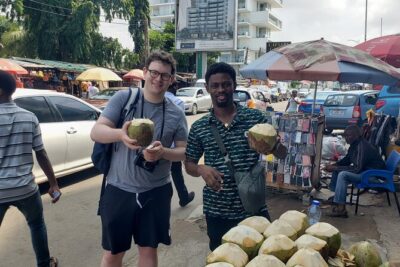

Browse the lists this tour appears in