
REVIEW · ACCRA TOURS
Home Cooking Class by Auntie K
Accra food is best learned with your hands. This private class brings you into Auntie K’s home kitchen for Ghanaian dishes, generous conversation, and a meal you help prepare. I like the optional market visit, and I like the chance to work with traditional tools such as a pestle and mortar. The main consideration is that the class may be partly demonstration rather than fully hands-on.
You’ll cook for roughly three to six hours, depending on your group and menu. The setting is informal, and cooking may take place outdoors over charcoal. That gives the experience a genuine household feel, but it also means you should arrive ready for a relaxed pace, changing weather, and a little smoke.
In This Review
- Key points to know before booking
- What makes Auntie K’s cooking class special
- Starting at Club 69 in Osu
- The optional market trip
- Preparing Ghanaian dishes at home
- Charcoal heat, mortar work, and Ghanaian flavor
- The dishes you may cook and eat
- Dietary needs and spice preferences
- Is $89 good value?
- Who should book this Accra experience?
- Practical tips for a better class
- Should you book Auntie K’s cooking class?
- FAQ
- Where does the cooking class begin?
- How long does the experience last?
- Is the market visit included?
- What food might I prepare?
- Is this a private activity?
- Can the class accommodate dietary restrictions?
Key points to know before booking
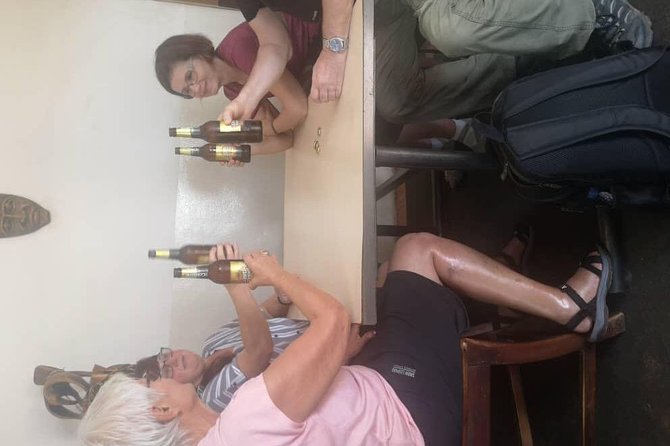
- Charcoal cooking and hand-ground spices: You may prepare food over a charcoal stand and crush ginger, vegetables, and spices with a pestle and mortar instead of using a blender.
- Optional local market visit: You can meet the group at the market to buy ingredients before heading to the cooking session.
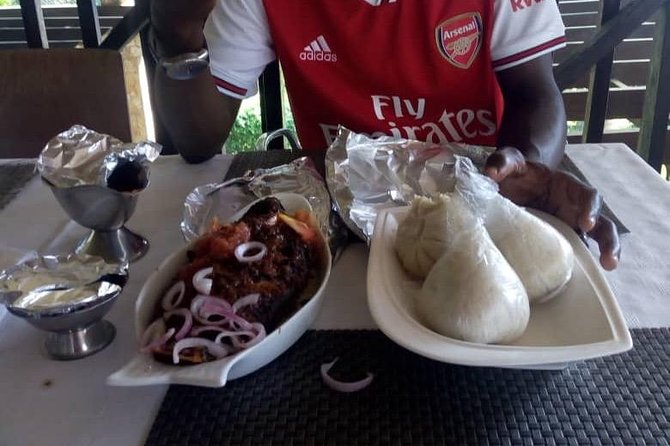
- A large Ghanaian meal: Menus may include jollof rice, kelewele, soup, fufu, banku, grilled fish, chicken, vegetables, or stew.
- A private home setting: Only your group participates, with Auntie K and family members or assistants helping with the meal.
- Dietary adjustments are possible: Auntie K has accommodated low-spice preferences and several dietary restrictions when informed in advance.
- Allow most of a day: The advertised time is about five hours, but the class can last from three to six hours.
What makes Auntie K’s cooking class special

Accra has no shortage of restaurants, but a restaurant gives you a plate. This experience gives you the process behind the plate. You see how ingredients are selected, seasoned, ground, cooked, and shared in a Ghanaian home.
The strongest part is the friendly household atmosphere. Auntie K is joined at times by family members and assistants, including Deborah, Auntie Mary, Nicole, and Auntie K’s daughters. The names and lineup may vary, but the tone is clear: this is meant to feel like cooking with relatives, not attending a formal hotel demonstration.
I particularly like the way the food opens a door to culture without turning the class into a lecture. While you sort beans, cut vegetables, season meat, or stir a pot, you can also learn about local ingredients and food traditions. The conversation is part of the experience.
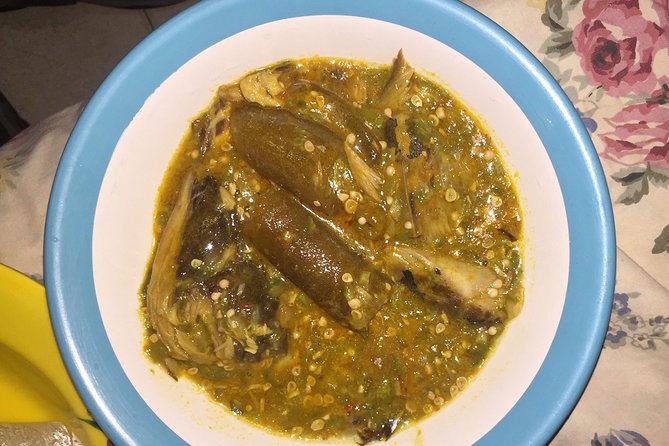
The food itself is a major reason to book. The menu is not fixed in the information provided, so you should confirm the planned dishes when arranging your visit. Past menus have included Ghanaian favorites such as jollof rice, spicy plantains called kelewele, goat soup with fufu, banku, okra and fish stew, grilled fish, chicken, sautéed vegetables, and fried turkey wings.
That variety matters. Jollof rice gives you a lesson in seasoning and timing. Kelewele shows how simple plantains become a spicy, fragrant side dish. Fufu and banku introduce you to substantial staples with a texture and preparation unlike ordinary rice or bread. A class that includes soup, stew, a starch, meat or fish, and dessert can feel like a full introduction to Ghanaian home cooking rather than a single recipe lesson.
More cooking classes in Accra:
- Local Ghanaian Cooking Class in Accra to help support wellness community center
★ 4.5 · 22 reviews - Authentic Ghanaian Cooking Class in Accra
★ 4.5 · 11 reviews - Authentic Ghanaian Cooking Lessons and Take Out Services.
★ 5.0 · 9 reviews
Starting at Club 69 in Osu
The listed meeting point is Club 69 Osu on La Crescent in Accra. The activity ends back at the same meeting point, and a mobile ticket is accepted.
The meeting information lists Monday through Saturday hours from 9:00 AM to 12:00 PM. At the same time, the cooking session itself may run three to six hours, so you should pay close attention to the confirmed start time and expect the day to extend beyond noon if cooking begins in the morning.
Transportation is not included. An air-conditioned vehicle is specifically listed as excluded, so you should not expect private cooled transport to the market or home. The starting point is near public transportation, but the supplied details do not specify a transfer service, so plan your own way to Club 69.
This is a private activity for your group alone. That is useful if you want to ask questions freely, move at your own pace, or request adjustments to the menu. It also means the experience may feel less polished than a large commercial cooking school. You are entering a personal home environment, not a purpose-built classroom.
The optional market trip
The market visit is optional, but I would choose it if your schedule allows. Shopping for ingredients adds a practical layer to the class. Instead of seeing anonymous produce appear on a counter, you can take part in choosing the foodstuffs that will become lunch.
The market also helps you understand how Ghanaian cooking begins. Ingredients are not just recipe components. They are part of daily life, household planning, and local food culture. The visit gives you a better sense of what cooks look for before the chopping and seasoning begin.
There is one practical point to keep in mind: the market trip adds time. Since the class can already last several hours, this is not the activity to squeeze between two fixed appointments. I would leave the rest of the day open.
The market option may also depend on the arrangements for your particular booking. Confirm whether it is included in your planned schedule, where you will meet, and how the group will travel. The listing describes the visit as optional but does not provide a separate transport service.
Preparing Ghanaian dishes at home
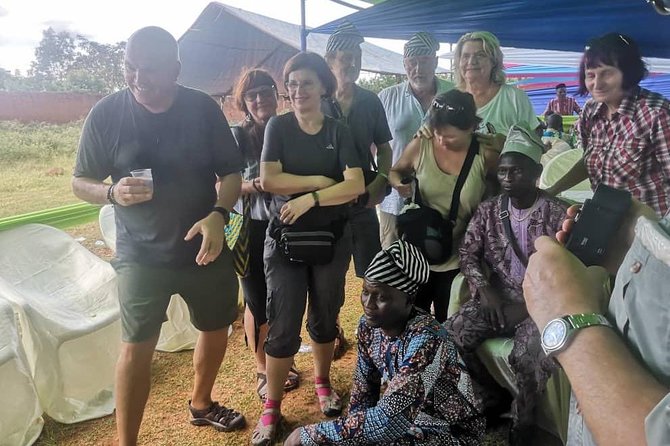
Back at Auntie K’s home, the class moves into food preparation. The work can include sorting beans, peeling and cutting vegetables, seasoning meat or fish, preparing plantains, and helping with the components of the final meal.
The amount of work you personally do is important. Some sessions have involved substantial participation, while at least one group found that much of the class involved sitting and watching Auntie K cook after sorting beans. That difference is the most important issue to clarify before booking.
If you want a strict, step-by-step lesson in which every participant cooks every dish, ask about the format ahead of time. This experience may be best understood as a home cooking session with hands-on opportunities, not a guaranteed professional cooking-school setup. Your level of involvement can depend on the menu, group size, preparation already completed, and how the session is organized that day.
That is not necessarily a weakness. Watching an experienced home cook manage several dishes at once can teach you plenty about timing, seasoning, and texture. But the word class may create expectations of constant participation. Go in expecting a mixture of demonstration, conversation, preparation, and shared cooking.
More things to do in Accra:
- The Cape Coast Day Tour
★ 5.0 · 525 reviews - Experience the Beauty, History and the Culture Of Accra in a Day
★ 5.0 · 323 reviews - The Cape Coast Tour
★ 5.0 · 177 reviews - From Accra: Cape Coast, Elmina Castle & Kakum Park Day Tour
★ 4.6 · 144 reviews
Charcoal heat, mortar work, and Ghanaian flavor
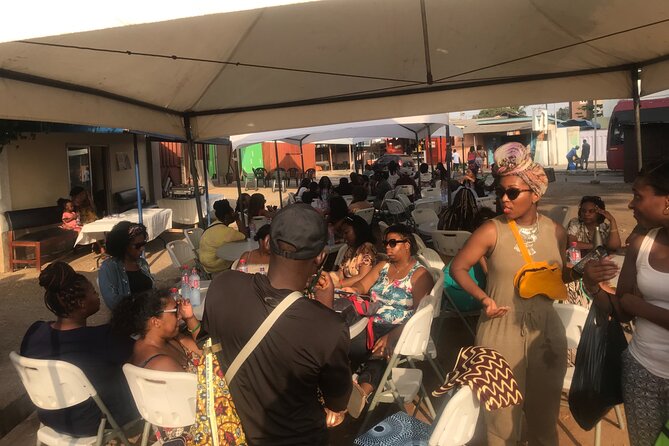
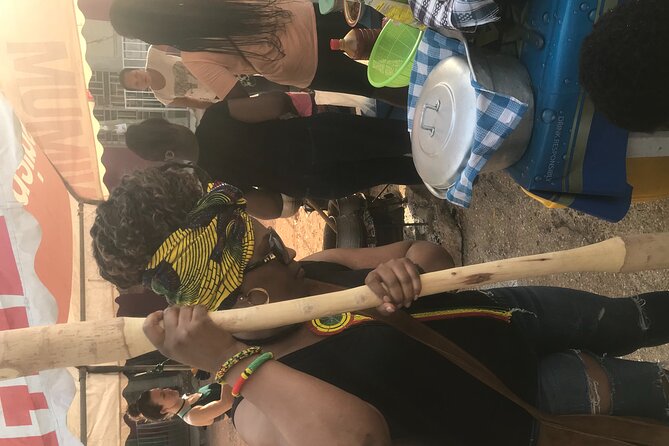
The traditional methods are among the most memorable features. Some dishes are cooked outside on a charcoal stand, with a fan used to keep the heat going. This is more physical than switching on an electric burner, and it can slow the cooking down.
You may also grind spices and vegetables by hand with a pestle and mortar. That is not just a decorative touch for visitors. It changes the pace and gives you a direct feel for how pastes and seasonings are made. You can learn small techniques for working with ginger and other spices, then buy seasonings to take home.
The outdoor setup brings tradeoffs. Charcoal cooking can mean smoke, heat, and less predictable timing. Poor weather can lead to cancellation, with a choice of another date or a full refund. The experience requires good weather, so check the forecast and avoid planning an important evening commitment immediately afterward.
The home setting can also be active. One person described a front-yard class where people came and went. The visitors were friendly, but the setting did not feel private or classroom-like. If you prefer quiet, polished surroundings, this may not be your ideal cooking experience. If you want to see ordinary household cooking in action, the informality is part of its appeal.
The dishes you may cook and eat
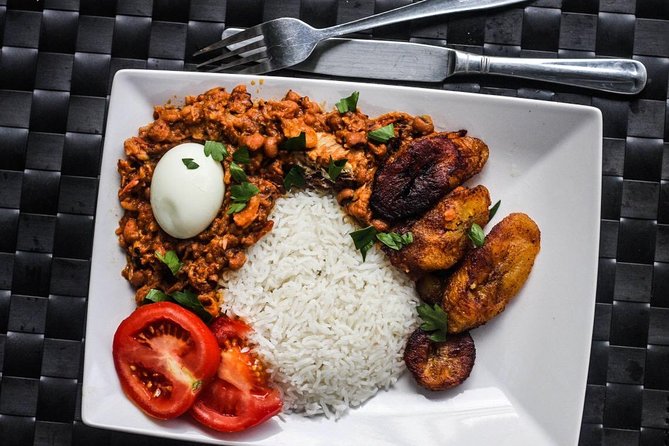
Jollof rice is likely to be a central attraction. Ghanaian jollof is prepared with seasoned rice and a tomato-based mixture, and the class gives you a chance to see how the flavor develops rather than simply ordering it at a restaurant. Several menus have paired it with chicken, fish, or other savory dishes.
Kelewele is another favorite. These spicy fried plantains are simple in concept but depend on the right balance of heat and seasoning. If you enjoy food with a little kick, pay close attention to the spice mixture. If you prefer mild food, tell Auntie K before cooking begins. She has adjusted spice levels for diners who requested less heat.
Fufu requires work. One menu included goat soup with fufu, and the preparation was described as a serious arm workout. The point is not speed. You are learning how a familiar Ghanaian staple is made and served, then sitting down to eat it while it is fresh.
Other possible dishes include banku, okra and fish stew, grilled fish, chicken, vegetables, soup, and dessert. The variety can be generous, so arrive hungry. The included lunch is the meal you help prepare, and the portions may leave you with enough food to take back for later.
The best part is that the meal is not rushed onto a plate and forgotten. You sit down with Auntie K and the group, eat what you made, and talk. That shared table is where the cooking, food history, and personal welcome come together.
Dietary needs and spice preferences
Auntie K has made adjustments for low-spice preferences and other dietary restrictions. That is a real advantage, especially for a private class where the menu can be discussed with your group.
Still, you should communicate your needs before the class, not after the ingredients are purchased. The supplied information confirms that accommodations have been made, but it does not promise a particular substitute or menu. Be specific about allergies, vegetarian requirements, religious restrictions, and how much heat you can handle.
A private group also gives you more room to shape the experience. You can ask which dishes are suitable for your diet, and you can find out how much of the menu will involve meat, fish, dairy, or spicy ingredients.
Is $89 good value?
At $89 per person, this is not the cheapest way to eat in Accra. You are paying for more than lunch, though. The price covers a private food experience, instruction or demonstration, conversation, ingredients, and several hours in a local home. If you add the market visit and spend close to the full five or six hours, the cost becomes easier to justify.
The value is strongest for people who care about context. You are not simply buying a meal. You are learning techniques, seeing traditional tools, tasting several dishes, and gaining recipes or ideas you may be able to repeat at home. One participant successfully recreated fried turkey wings after returning home, which suggests that note-taking can pay off.
The value is weaker if you mainly want a tightly managed cooking lesson. Since hands-on participation can vary, ask what you will personally prepare before paying. If you spend most of the session watching, you may feel the price is high compared with a formal demonstration or restaurant meal.
The 4.9 rating from 62 reviews and 95 percent recommendation rate point to a very strong overall experience, but the lower ratings matter. The food and hospitality receive consistent praise, while the main criticism concerns the amount of actual cooking and the long, unhurried timing. I would book for the welcome and the meal first, and for technical instruction second.
Who should book this Accra experience?
I would recommend it most strongly to:
- First-time visitors who want a personal introduction to Ghanaian food
- Solo visitors who enjoy conversation and a welcoming home setting
- Families and private groups who want to cook together
- Curious eaters who want to try fufu, banku, kelewele, or local stews
- People interested in charcoal cooking and hand-ground spices
- Anyone with dietary needs who wants to discuss a menu in advance
I would be more cautious if you need a short, exact schedule or a formal teaching kitchen. The class can run for three to six hours, and one session lasted nearly four hours while still feeling unhurried. That pace suits a social meal, but not someone racing toward another appointment.
Service animals are allowed, and the meeting point is near public transportation. Beyond that, the supplied details do not describe the home’s full accessibility setup, so ask directly about any mobility requirements before booking.
Practical tips for a better class
Wear comfortable clothes that can handle cooking, charcoal smoke, and food preparation. You may be standing, sorting, chopping, stirring, or helping with fufu, so avoid treating this like a quick restaurant visit.
Tell Auntie K your spice level and dietary needs as early as possible. Also ask which dishes are planned, how much hands-on work your group will do, and if the market visit is part of your timing.
Bring a phone or small notebook if you want to recreate the recipes. The class may teach more than exact measurements, including seasoning judgment and preparation tricks. Those are useful skills, but they are easier to remember if you write them down.
Leave your schedule open. The experience is advertised at about five hours and can stretch to six. If bad weather affects the outdoor cooking, the provider offers another date or a full refund.
Cancellation is free when made at least 24 hours before the start time. Changes or cancellations inside that window are not accepted for a refund.
Should you book Auntie K’s cooking class?
Book it if you want a warm, informal Ghanaian food experience with a real home setting, a large shared meal, and the chance to learn traditional methods. The charcoal stand, mortar and pestle, market option, and family atmosphere give it a character you will not get from a standard restaurant lunch.
Book with realistic expectations. This may be a blend of cooking demonstration and hands-on preparation, and the class can move slowly. Confirm your menu, participation level, dietary needs, and start time before you go.
For an open afternoon in Accra, I think the $89 price is fair, especially for a private group that values conversation and cultural connection. If your priority is polished instruction with guaranteed individual cooking time, choose a more formal cooking school instead.
FAQ
Where does the cooking class begin?
The listed meeting point is Club 69 Osu on La Crescent in Accra, Ghana. The activity ends back at the same meeting point.
How long does the experience last?
The tour summary gives an approximate duration of five hours. The class itself typically takes between three and six hours, depending on the number of people and the session.
Is the market visit included?
The market visit is optional. You may meet the group and go to a local market to buy the foodstuffs for the cooking class. Confirm the exact arrangement before booking.
What food might I prepare?
Possible dishes include jollof rice, soup, dessert, kelewele, goat soup with fufu, banku, grilled fish, chicken, sautéed vegetables, and okra and fish stew. The exact menu can vary.
Is this a private activity?
Yes. Only your group participates in the private tour or activity.
Can the class accommodate dietary restrictions?
Auntie K has adjusted menus for low-spice preferences and other dietary restrictions. Share your requirements in advance so the menu can be planned appropriately.
Just added in Accra
- Wli Waterfall And Tafi Monkey Sanctuary ( Volta Region)★ 5.0 · 1 review
- Traditional Beadmaking Workshop★ 5.0 · 1 review
- Private 9-Day Tour in Ghana★ 5.0 · 2 reviews
- Wli Waterfalls, Mount Afadjato & Tafi Atome Monkey Sanctuary★ 5.0 · 2 reviews
- Cape Coast and Elmina castle Day Trip★ 5.0 · 2 reviews
- Culinary for Social Change-Cooking Class★ 5.0 · 2 reviews
- Time with Nature★ 5.0 · 2 reviews
- Historical Day Tour to Cape Coast, Elmina and Kakum★ 5.0 · 3 reviews
Accra Tours, compared.


Experience the Beauty, History and the Culture Of Accra in a Day
Read our review →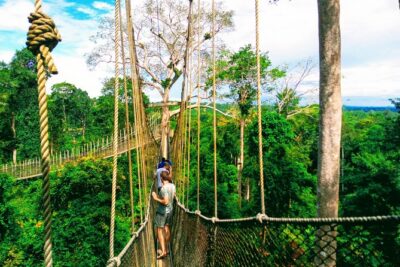

Cape Coast, Elmina Castle & Kakum Park Day Tour
Read our review →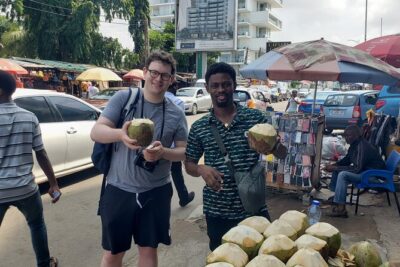

Browse the lists this tour appears in