
REVIEW · ABURI BOTANICAL GARDENS
Accra: Aburi Botanical Garden, Cocoa Farm, and Waterfall …
Three stops, one green escape from Accra. This six-hour private tour takes you into Ghana’s Eastern Region, where rolling hills, tropical plants, cocoa trees, and falling water replace the city’s noise. I like the mix of Aburi Botanical Garden’s grand trees and the hands-on cocoa visit, where you can open a pod and taste fresh beans.
I also like that lunch, water, transport, guides, and entry fees are included in the $194 price. You do not need to arrange several separate rides or negotiate admission at each stop. The main consideration is the amount of driving and walking packed into six hours, so this suits you best if you want an active day rather than a slow garden visit.
The tour received a five-star rating from a verified booking in December 2024, with the guide praised as awesome. That is brief feedback, but it points to the value of having a private English-speaking guide who can keep the day personal and explain what you are seeing.
In This Review
- Key points at a glance
- Leaving Accra for Ghana’s Eastern Region
- Walking beneath the old trees at Aburi Botanical Garden
- Tracing cocoa from Tetteh Quarshie to the farm
- Reaching Asenema Waterfall by forest path
- What the $194 price includes
- Who will enjoy this private six-hour outing
- Practical details before you book
- Should you book this Aburi and Asenema tour?
- FAQ
- How long does the tour last?
- Where does the tour go?
- Is transportation included?
- Is lunch included?
- Are entry fees included?
- Is the tour private?
- What language is the tour offered in?
- What can I do at Tetteh Quarshie Cocoa Farm?
- How difficult is the walk to Asenema Waterfall?
- What should I bring?
Key points at a glance
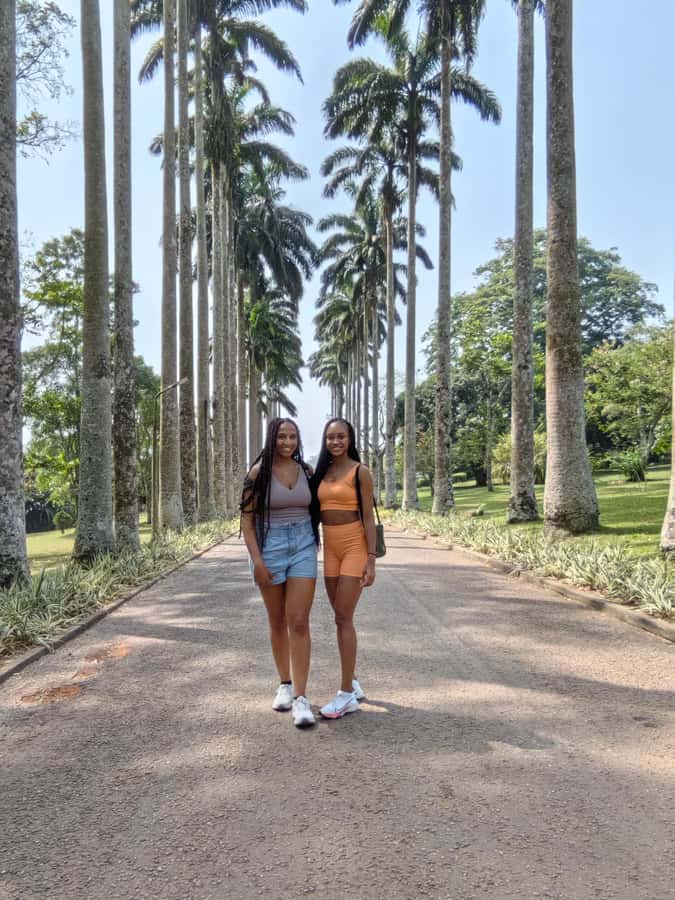
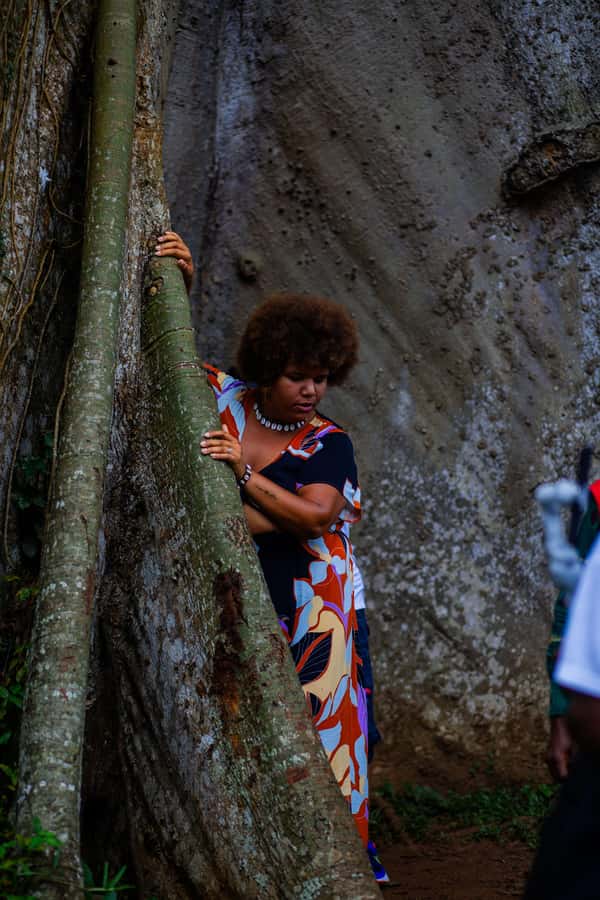
- Aburi Botanical Garden dates from 1890: You explore a 160-acre garden with Kapok trees, an old Strangler Fig, tropical plants, and a royal palm avenue.
- Tetteh Quarshie Farm links cocoa to Ghana’s economy: The farm honors the man credited with bringing cocoa beans to Ghana from Fernando Po, now Bioko.
- The cocoa stop is hands-on: You learn how pods are grown, opened, fermented, and dried, then taste fresh cocoa beans.
- Asenema Waterfall requires a short forest walk: The path is described as easy, but you should still wear proper walking shoes.
- The $194 cost covers the main expenses: Private transport, lunch, water, guiding, and admission are included.
- The day is private and English-speaking: That gives you more room to ask questions and set the pace within the planned six hours.
Leaving Accra for Ghana’s Eastern Region
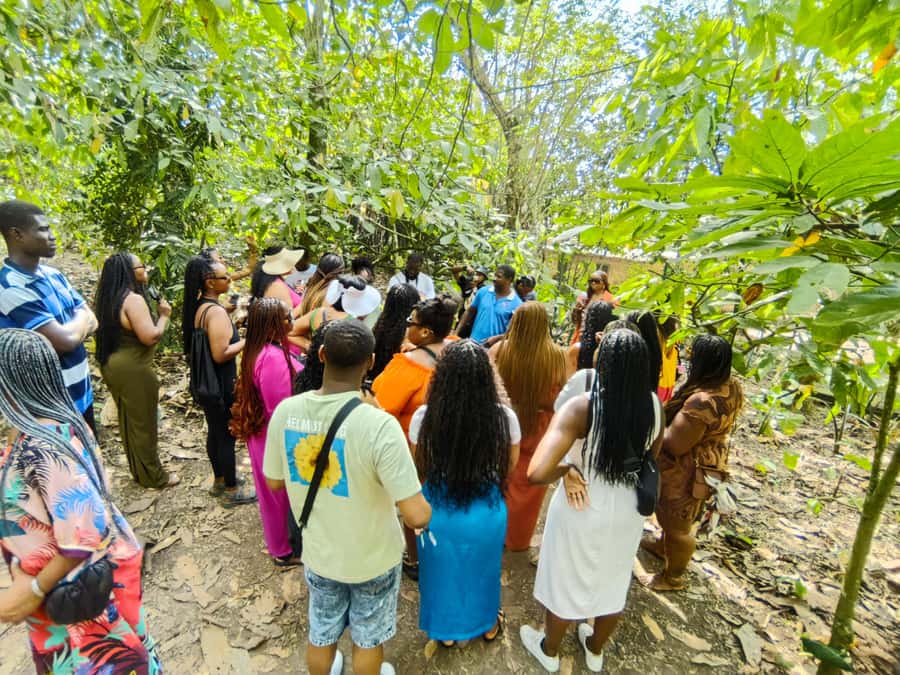
The day begins with a drive out of Accra toward the Eastern Region. The scenery changes gradually, from city streets to rolling hills and thick green views. That change is part of the appeal. You are not simply being taken from one attraction to another; the road gives you a clear sense of moving into a quieter part of Ghana.
The drive also sets up the rest of the day. Aburi, the cocoa farm, and Asenema Waterfall all depend on the region’s cooler, wetter setting. You will want to keep your camera ready during the journey, since the views become more open and wooded as you leave the city behind.
The listed duration is six hours, which makes this a compact outing. You should expect the schedule to move along, especially because three destinations are included. A private group helps here. Your guide can explain the stops without waiting for a large crowd, and you can ask questions as they come up.
Still, six hours is not a huge amount of time for a drive, a 160-acre garden, a farm visit, lunch, and a waterfall walk. I would choose this trip for a well-organized overview of the area, not for long, unhurried time at every stop.
More Aburi and garden trips:
- Boti Falls, Umbrella Rock, Aburi Gardens & Cocoa Farm Tour
★ 4.6 · 72 reviews - Experience Boti Waterfalls, Aburi Botanical Gardens & Tetteh Quarshie Cocoa Farm
★ 5.0 · 38 reviews - Private Aburi Hill Guided Tour
★ 5.0 · 34 reviews
Walking beneath the old trees at Aburi Botanical Garden
Aburi Botanical Garden is the first major stop, and its history begins in 1890. The garden covers 160 acres, giving you plenty of room to walk among tropical plants, trees, and flowers.
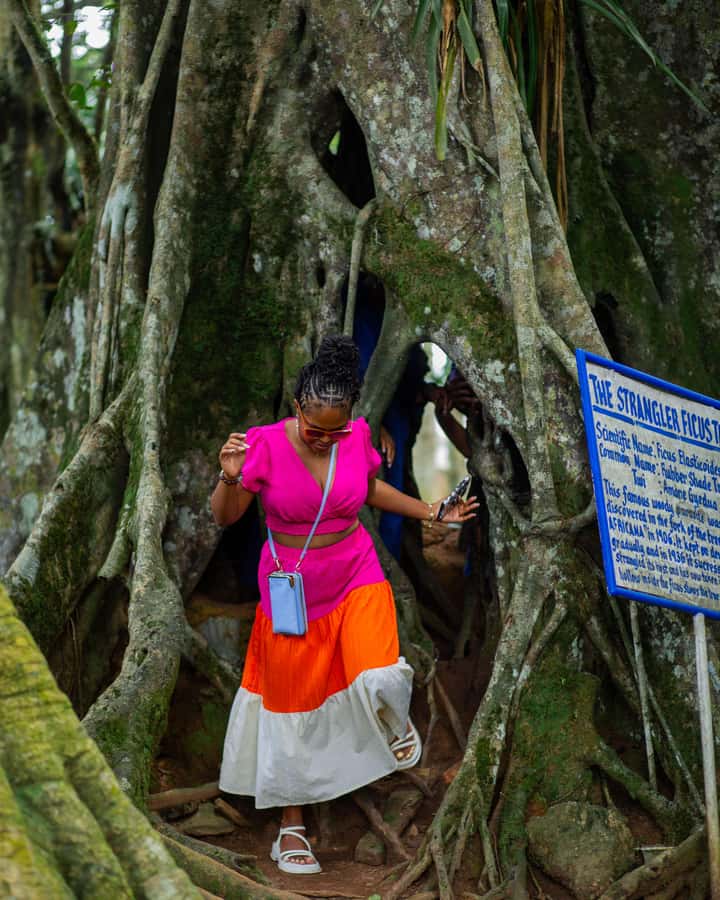
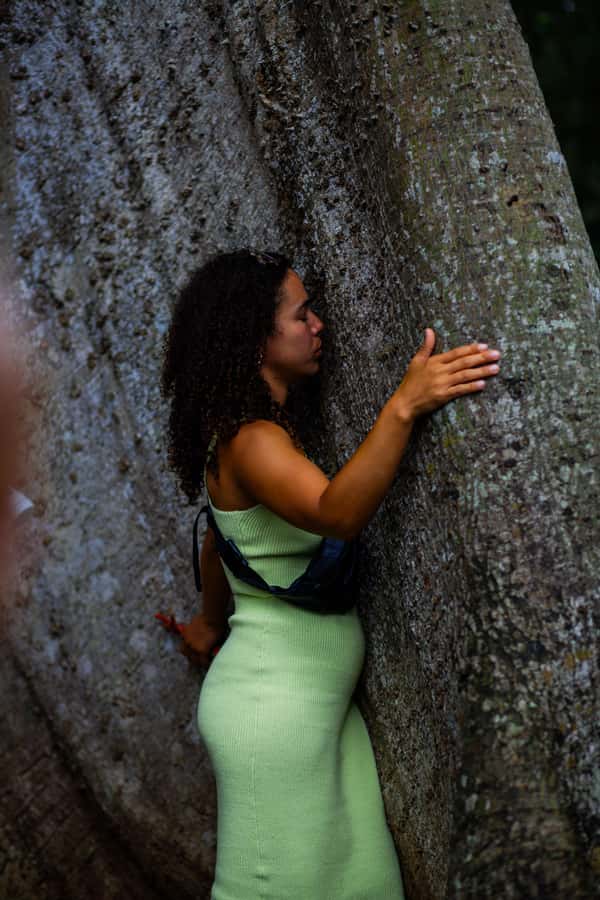
The appeal is not just the number of plants. It is the sense of order and space. The guide takes you through different sections, pointing out features that would be easy to miss if you wandered alone. The Kapok trees provide a striking first impression, while the ancient Strangler Fig gives the garden a memorable focal point.
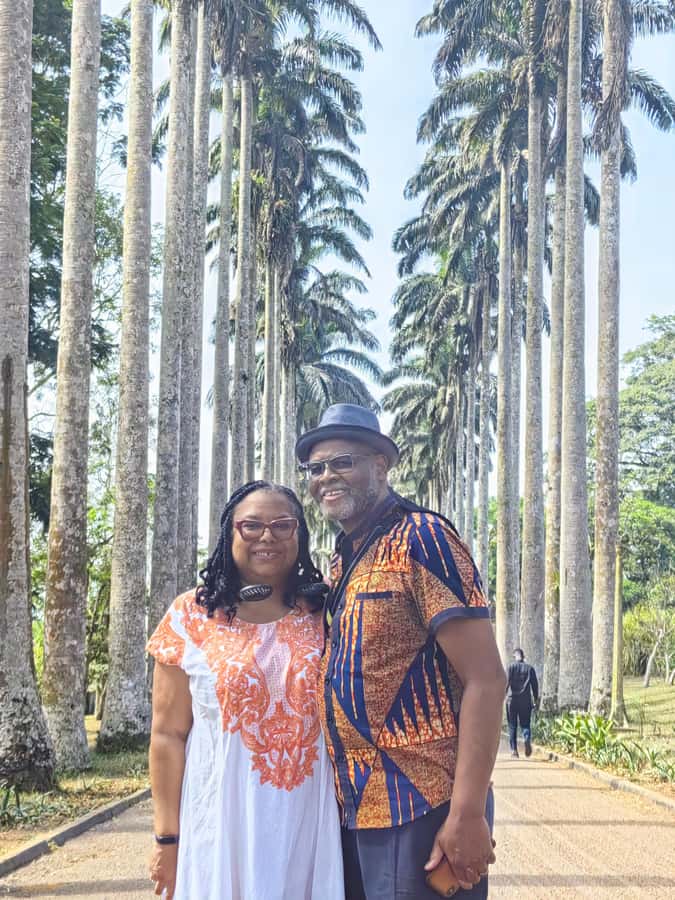
The avenue lined with royal palms is another strong photo stop. Tall, evenly placed palms create a formal view that contrasts with the less controlled growth elsewhere in the garden. If you enjoy gardens, plant life, or photography, this is likely to be one of the most rewarding parts of the day.
I appreciate that the visit is guided rather than treated as a quick photo stop. Ghana’s plant life can be difficult to understand without some explanation, especially when several tropical species look unfamiliar. A guide helps turn a walk into a lesson about how plants fit into the local setting.
You should wear comfortable shoes here. The tour calls for a moderate amount of walking, and the garden is large. A hat and sunscreen are also useful, since not every part of an open garden offers shade.
The main limitation is time. With 160 acres to cover, you will not see every corner during a short visit. Think of Aburi as an introduction to the garden’s major features, not a full botanical study.
Tracing cocoa from Tetteh Quarshie to the farm
The Tetteh Quarshie Cocoa Farm adds an important human and economic story to the day. The farm is named after Tetteh Quarshie, a Ghanaian blacksmith who brought the first cocoa beans from Fernando Po, now called Bioko in Equatorial Guinea, in the late 19th century.
That detail gives the farm meaning beyond its plants. Cocoa helped shape Ghana’s place in the world economy, and this stop shows where that story began. You are looking at the crop itself, rather than only hearing about chocolate after it has been processed and packaged elsewhere.
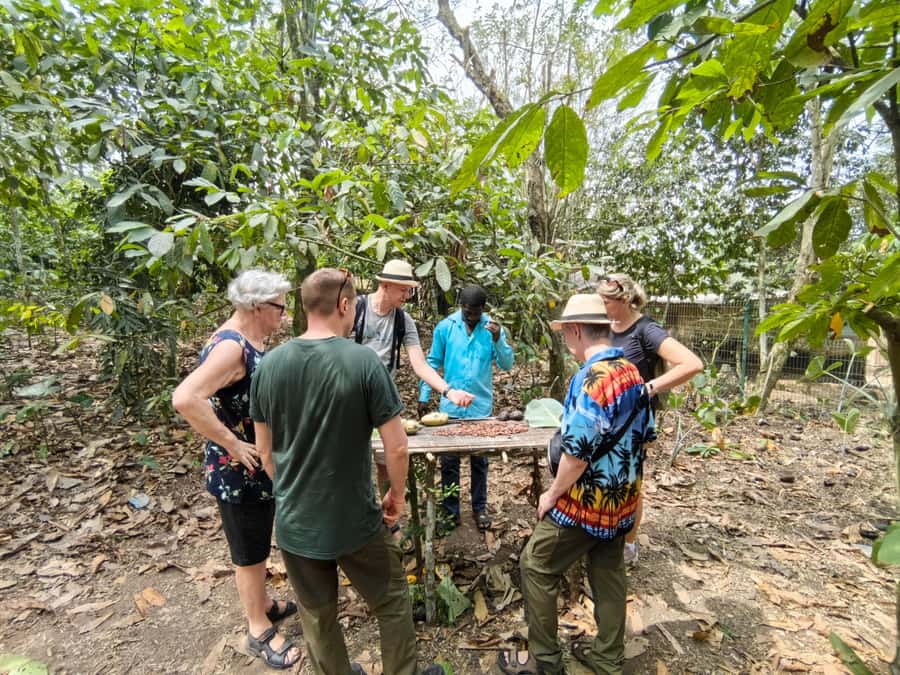
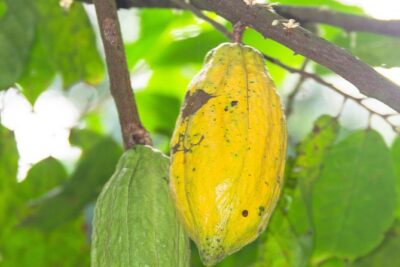
A guide explains the growing process from planting and caring for cocoa trees through pod harvesting. You also learn about fermentation and drying, two post-harvest steps that have a major effect on the quality of cocoa beans.
The hands-on part is especially useful. You can crack open a cocoa pod and taste the fresh beans. The taste is not the same as a chocolate bar, and that difference makes the experience more interesting. It connects the sweet product you know with the raw crop that comes from the tree.
I like this stop because it gives you something to do, not just something to photograph. Opening a pod helps you remember the sequence: tree, pod, bean, fermentation, drying, and only later chocolate. For children and adults alike, that physical step can make the explanation stick.
The farm visit also puts agricultural work into view. You learn that producing cocoa involves more than planting trees and waiting for pods. Care, harvesting, fermentation, and drying all matter. The tour does not present cocoa as a simple crop, and that is valuable context.
If you are hoping for a full chocolate-making workshop, keep your expectations in check. The experience described here focuses on cultivation and fresh cocoa beans, not on making finished chocolate.
Reaching Asenema Waterfall by forest path
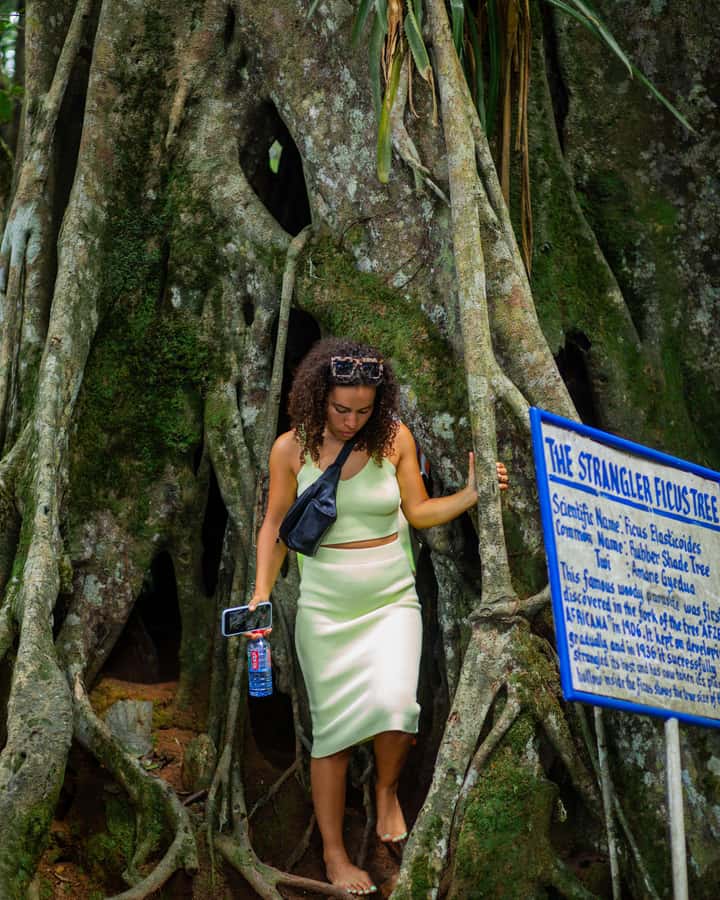
The final stop is Asenema Waterfall near Adukrom. Reaching it involves a short hike along a forested path. The walk is described as easy, but the tour also warns you to expect a moderate amount of walking overall, so comfortable shoes remain important.
The setting provides a good change of pace after the garden and farm. You move through greenery, hear the water before fully seeing it, and arrive at a rocky cliff where water drops into a clear pool below. The waterfall is presented as a quiet place to rest, take photographs, or cool your feet.
This is not described as a strenuous trek or a major adventure. That makes it suitable if you want a taste of Ghana’s forest scenery without committing to a demanding hike. The short walk gives the stop a little more character than a roadside viewpoint.
The waterfall is also a practical answer to the heat of the day. You can sit, dip your feet, and take a break before returning to Accra. Bring a camera, but do not forget sun protection for the parts of the route that may be exposed.
Water conditions and trail conditions can vary, and no swimming details are provided. I would treat the pool as a place for dipping your feet unless your guide gives you different instructions on the day.
More cocoa farm visits in Ghana:
- Escape Accra City to Aburi Gardens and Tetteh Quarshie Cocoa Farms
★ 4.5 · 32 reviews - Boti Falls, Umbrella Rock, Aburi Gardens & Cocoa Farm Day Tour
★ 5.0 · 32 reviews - Boti Falls, Botanic Gardens, Cocoa Fam, Umbrella Rock Experience
★ 5.0 · 20 reviews - Accra Aburi Eco & Cocoa Experience: Gardens Waterfall &Lunch
★ 4.9 · 12 reviews
What the $194 price includes
At $194 per person, this is not a budget stop-by-stop outing. The price makes more sense when you consider what is bundled into it: private car transport, a live English-speaking guide, guided garden access, the cocoa farm visit, the waterfall visit, lunch, water, and entry fees at all destinations.
The private format is important. You are paying for a day arranged around your group rather than joining a large shared vehicle. That can make the driving and transitions easier, and it gives you more opportunity to ask about Ghana’s plants, cocoa production, and local history.
The included lunch and water also remove two small but real travel hassles. You do not need to plan a separate meal during a tightly scheduled day, and carrying water is still wise even though some is provided.
The value is strongest for someone who wants one organized excursion from Accra. If you already have transport and prefer to visit only one attraction, the price may feel high. If you would otherwise need to arrange a car, several admission fees, a guide, and lunch separately, the package becomes easier to justify.
Personal expenses are not included, so keep money available for anything outside the planned inclusions. The exact starting time is subject to availability, which you should check before booking.
Who will enjoy this private six-hour outing
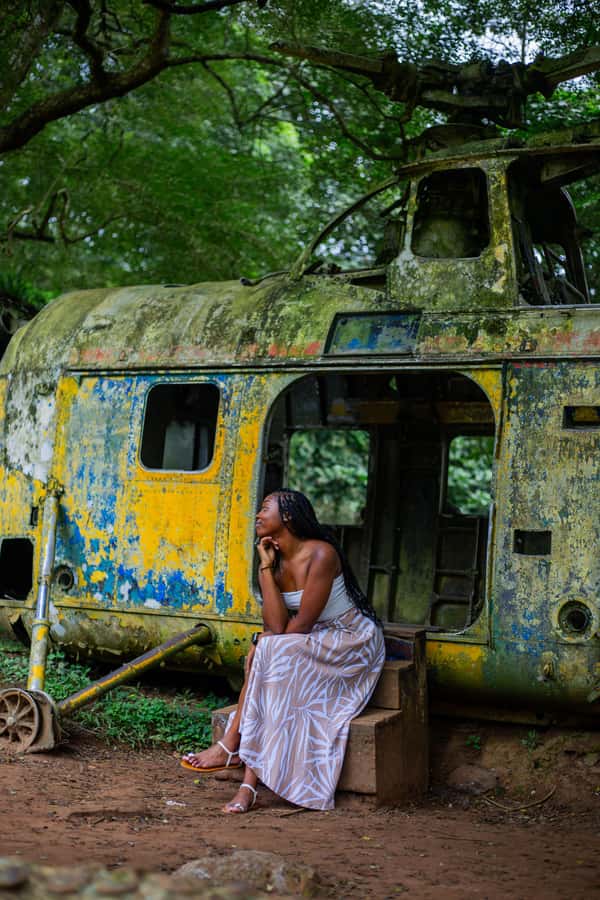
I would recommend this experience to you if you want variety. In one day, you get a historic garden, an agricultural site, and a forest waterfall. Each stop feels different, so the itinerary avoids the dullness that can come from spending an entire day on similar sights.
It is also a good choice for first-time visitors to the Accra area who want to see more of Ghana without building a complicated plan. The guide provides context, the car handles the movement between stops, and the private group keeps the day more personal.
Families may appreciate the mix of sights, especially the cocoa pod tasting and the short waterfall walk. People interested in plants, farming, food production, or photography will also find plenty to engage with.
You should think twice if you dislike car travel, walking, or a fairly full schedule. The tour includes a moderate amount of walking and three destinations in six hours. It is not designed as a lazy day by the pool.
Pack comfortable shoes, a hat, sunscreen, water if you prefer to carry extra, and a camera. The advice is simple, but it fits the day well.
Practical details before you book
The tour is offered in English and includes a live guide. It is a private group experience, so you are not sharing the day with an unknown crowd.
The cancellation policy allows a full refund if you cancel at least 24 hours ahead. You can also reserve now and pay later, which may help if your Accra plans are still taking shape.
The listed rating is five out of five from two reviews, including a verified December 13, 2024 booking from the United States. The written praise is short, but the guide received direct credit for being awesome. I would read that as a positive sign for the human side of the trip, while remembering that two reviews do not provide a broad record over many departures.
No special accessibility information is provided. Since the day includes garden walking and a forest path to the waterfall, you should ask the provider directly if you have mobility concerns or need a particular arrangement.
Should you book this Aburi and Asenema tour?
Book it if you want a private, neatly arranged day that combines nature, cocoa, and local history. The best features are the variety, the included transport and admissions, the cocoa pod tasting, and the chance to cool your feet at Asenema Waterfall.
I would especially choose it if you value having a guide explain what you are seeing. Aburi Botanical Garden and the cocoa farm both reward context, and the private format gives you room to ask questions.
Skip it if you want a slow, single-site visit or if $194 feels too high for a six-hour outing. This is a full day in miniature, with driving and walking built into the schedule. For the right visitor, it is a practical way to see the Eastern Region without arranging every detail yourself.
FAQ
How long does the tour last?
The tour lasts six hours.
Where does the tour go?
It travels from Accra to the Eastern Region, visiting Aburi Botanical Garden, Tetteh Quarshie Cocoa Farm, and Asenema Waterfall near Adukrom.
Is transportation included?
Yes. Transportation by car is included.
Is lunch included?
Yes. Lunch and water are included in the tour price.
Are entry fees included?
Yes. Entry fees to all listed destinations are included.
Is the tour private?
Yes. This is a private group experience.
What language is the tour offered in?
The live tour guide speaks English.
What can I do at Tetteh Quarshie Cocoa Farm?
You can learn about cocoa cultivation, harvesting, fermentation, and drying. You can also open a cocoa pod and taste fresh cocoa beans.
How difficult is the walk to Asenema Waterfall?
The waterfall is reached by a short hike through a forested path. The walk is described as easy, but comfortable walking shoes are recommended because the full day includes a moderate amount of walking.
What should I bring?
Bring comfortable shoes, a hat, sunscreen, and a camera. Personal expenses are not included.
Just added in Ghana
- Wli Waterfall And Tafi Monkey Sanctuary ( Volta Region)★ 5.0 · 1 review
- Full Day Tour with Traditional Naming Ceremony in Kumasi★ 5.0 · 4 reviews
- Traditional Beadmaking Workshop★ 5.0 · 1 review
- Visit Aburi Garden, Tetteh Quarshie Cocoa Farm & Waterfall★ 4.0 · 4 reviews
- Traditional Naming Ceremony For African Americans In Kumasi★ 5.0 · 5 reviews
- Kumasi kejetia central market tour & Traditional Local cooking food classs★ 4.5 · 2 reviews
- 3 Days Elephants Safari at Mole Park with Round – trip flights★ 5.0 · 3 reviews
- Kejetia Market Tour and Traditional Food Cooking Class.★ 5.0 · 2 reviews
Aburi Botanical Gardens, compared.
Boti Falls, Umbrella Rock, Aburi Gardens & Cocoa Farm Tour
Read our review →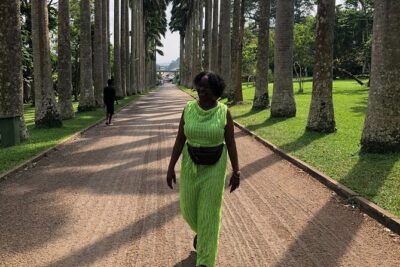
Experience Boti Waterfalls, Aburi Botanical Gardens & Tetteh Quarshie Cocoa Farm
Read our review →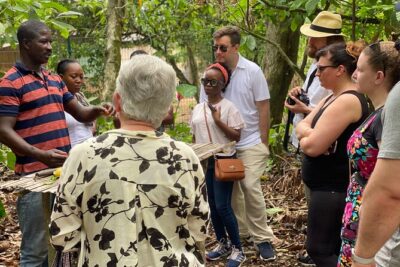
Escape Accra City to Aburi Gardens and Tetteh Quarshie Cocoa Farms
Read our review →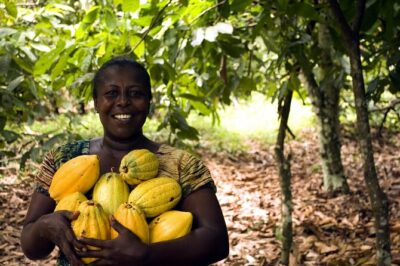
Boti Falls, Umbrella Rock, Aburi Gardens & Cocoa Farm Day Tour
Read our review →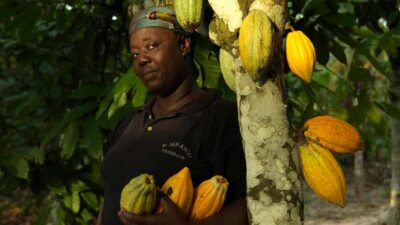
Accra Aburi Eco & Cocoa Experience: Gardens Waterfall &Lunch
Read our review →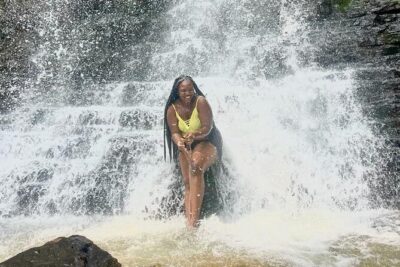
Full Day Tour Waterfalls Quad biking and Aburi Botanical Gardens
Read our review →
Aburi, Ghana Private Zipline and Adventure Experience
Read our review →Browse the lists this tour appears in