
REVIEW · ACCRA TOURS
Authentic Ghanaian Cooking Lessons and Take Out Services.
A good Ghanaian meal begins long before the first bite. This four-hour Accra cooking session gives you hands-on practice from raw ingredients to finished dishes, with a local host guiding you through each stage. I like the freedom to choose a meal package, and I like that the food’s background and cultural meaning are part of the lesson. The main consideration is time: cooking two complete meals at a relaxed pace can take the full four hours.
You meet on Diabase Street in Accra and return there when the session ends. Cecilia, also called Ceccy or Cece, is warm, patient, and happy to answer questions beyond the recipe. You should also know that private transport is not included, so you will need to arrange your own way to the kitchen.
In This Review
- Key Things to Know Before You Book
- Why This Accra Cooking Class Feels Different
- Meeting Cecilia and Choosing Your Menu
- Four Hours of Cooking from Start to Finish
- Ghanaian Food with Cultural Context
- Jollof, Groundnut Soup, Plantain, and More
- Eating at the Kitchen or Taking Food Away
- What You Get for $25
- Group Size, Timing, and Comfort
- Who Will Enjoy This Experience Most
- Cancellation and Booking Advice
- Should You Book the Ghanaian Cooking Lesson?
- FAQ
- Where does the cooking class begin?
- Where does the experience end?
- How long does the cooking lesson last?
- How much does the class cost?
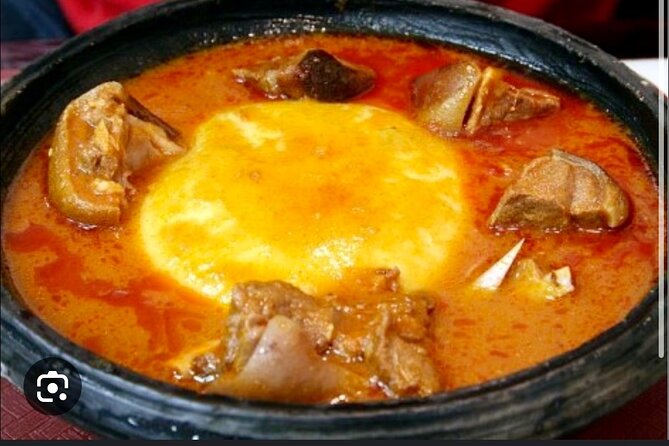
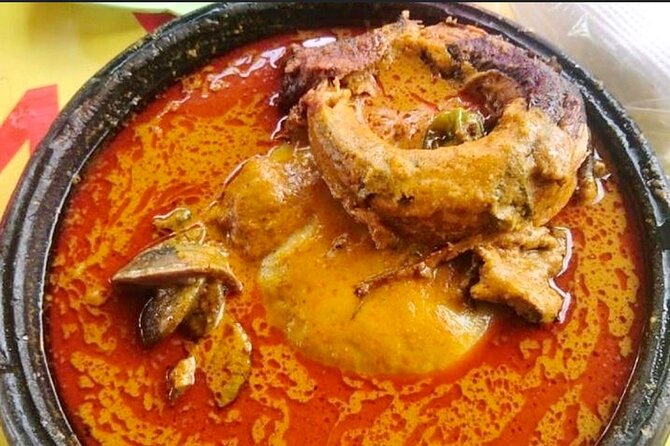
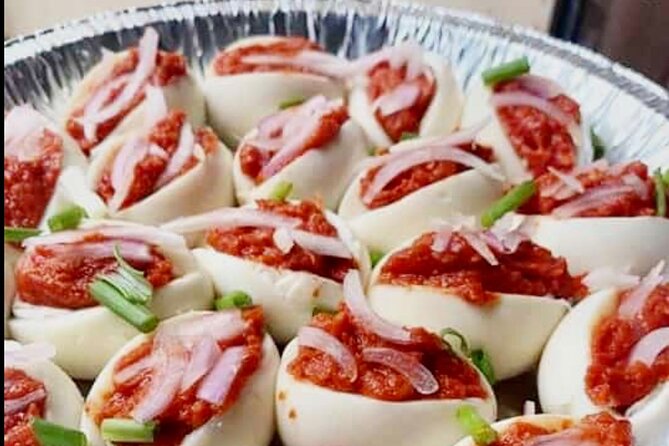
- What food is included?
- Can I take food away?
- Are cooking utensils provided?
- Is transportation included?
- Can I cancel for a refund?
Key Things to Know Before You Book
- You cook from scratch: This is not a quick demonstration. You take part in preparation, cooking, seasoning, and serving.
- You choose your food package: The standard choice includes two complete meals with either a side dish or dessert.
- You may take food home: Ingredients, lunch, and two packed portions of leftovers are included in the price.
- You learn useful substitutions: The host explains what to use if a Ghanaian ingredient is difficult to find where you live.
- You can ask about Ghanaian culture: Questions about food customs and daily life are welcome during the lesson.
- The group is small: A maximum of 10 people keeps the kitchen more personal than a large demonstration class.
Why This Accra Cooking Class Feels Different
Many cooking classes give you a recipe, a short demonstration, and a plate of food. This one aims to teach the whole process. You help prepare the ingredients, follow the cooking steps, and finish the meal rather than simply watching someone else do the work.
That difference matters if you want to repeat the dishes at home. You see how the meal comes together in stages, and you can ask why a certain ingredient is used or how to replace it. The lesson is designed for ordinary home kitchens, not only for cooks with specialist equipment.
The tone also seems relaxed and social. Music, games, conversation, and photographs are part of the experience. You are encouraged to make memories and ask questions, which makes the class feel more like time spent in a welcoming home kitchen than a formal culinary school.
There is a practical side, too. You do not need to bring cooking utensils. The equipment needed for preparation is provided, and ingredients are covered in the fee.
More cooking classes in Accra:
- Home Cooking Class by Auntie K
★ 5.0 · 62 reviews - Local Ghanaian Cooking Class in Accra to help support wellness community center
★ 4.5 · 22 reviews - Authentic Ghanaian Cooking Class in Accra
★ 4.5 · 11 reviews
Meeting Cecilia and Choosing Your Menu
The class begins at Diabase Street in Accra. Since private transport is not included, plan your route before the day of the activity. The meeting point is near public transportation, but the supplied information does not give a hotel pickup service or a transfer option.
At the start, you choose your package and discuss the dishes you want to prepare. The standard arrangement is two complete meals with either a side dish or a dessert. This gives you some control over the session, though it is worth confirming your menu in advance if you have a particular dish in mind.
Menus used in sessions have included jollof rice, chicken groundnut soup, fried chicken, plantain, and vegetables. One particularly full cooking session taught four different Ghanaian dishes. Your exact selection can vary, so do not assume every one of these foods will be prepared during your booking.
Cecilia’s teaching style is one of the strongest reasons to choose this activity. She is described as kind, patient, welcoming, and thorough. That combination is useful in a cooking class because Ghanaian food can involve several steps, and you may need time to understand how the ingredients work together.
You should feel comfortable asking questions as you go. If you want to know more about a dish, Ghanaian customs, or another part of local culture, the class allows space for that conversation.
Four Hours of Cooking from Start to Finish
The exact order depends on your menu, but the session follows a clear pattern. You begin with the preparation of ingredients, then move through the cooking process until the food is ready to eat.
This is a genuine participation class. You are not simply handed a finished plate while the host does all the work. You can expect to assist with the different phases of meal preparation and to follow the recipe through to the end.
That full process is especially useful for foods such as jollof rice and groundnut soup. The final taste depends on several steps, including seasoning and timing. A short lesson might show you the result, but a four-hour session gives you a better chance to understand how each stage affects the next.
The pace is worth thinking about. A relaxed class can be more useful than a rushed one, especially if you are taking notes, asking questions, or cooking several dishes. At the same time, you should avoid scheduling an important appointment immediately afterward. A four-hour duration is approximate, and a detailed meal can take longer than a quick tourist activity.
You also receive entertainment during the lesson. Music and games help fill the waiting periods while food cooks, and they keep the mood easygoing. This will suit you if you enjoy conversation and shared activity. If you prefer a quiet, tightly timed class, the social format may feel less structured.
Ghanaian Food with Cultural Context
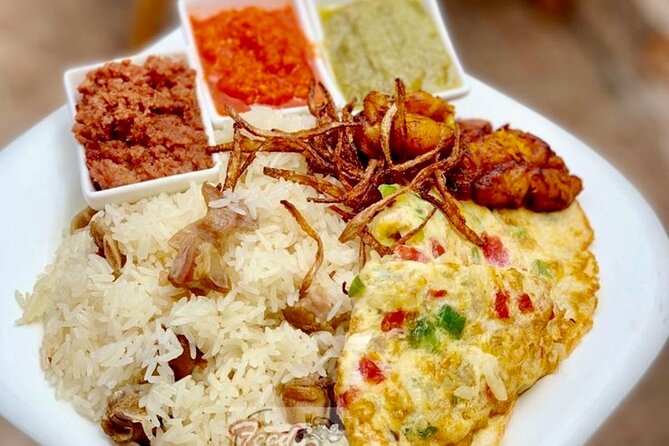
The food is only half of the lesson. Cecilia explains the history behind each indigenous meal, giving you a reason to pay attention to more than ingredients and cooking times.
Food stories can help you understand how dishes fit into Ghanaian life. Even a simple explanation of where a meal comes from or how it is enjoyed can give the recipe more meaning once you prepare it at home.
You can also use the class to ask broader questions about Ghanaian culture. The experience is not presented as a formal history lecture, so the depth will depend partly on what you ask. That flexibility is a plus for curious visitors who want a natural conversation rather than a memorized presentation.
I would arrive with a few questions ready. You might ask about when a particular dish is eaten, how it is served, which ingredients are essential, or what local cooks use when an ingredient is unavailable. The host is prepared to discuss substitutions, which makes the class useful after you return home.
More things to do in Accra:
- The Cape Coast Day Tour
★ 5.0 · 525 reviews - Experience the Beauty, History and the Culture Of Accra in a Day
★ 5.0 · 323 reviews - The Cape Coast Tour
★ 5.0 · 177 reviews - From Accra: Cape Coast, Elmina Castle & Kakum Park Day Tour
★ 4.6 · 144 reviews
Jollof, Groundnut Soup, Plantain, and More
Jollof rice is often the dish people hope to learn, and it has become a favorite part of this class for some participants. The lesson gives you a chance to understand its preparation rather than treating it as a mysterious finished dish.
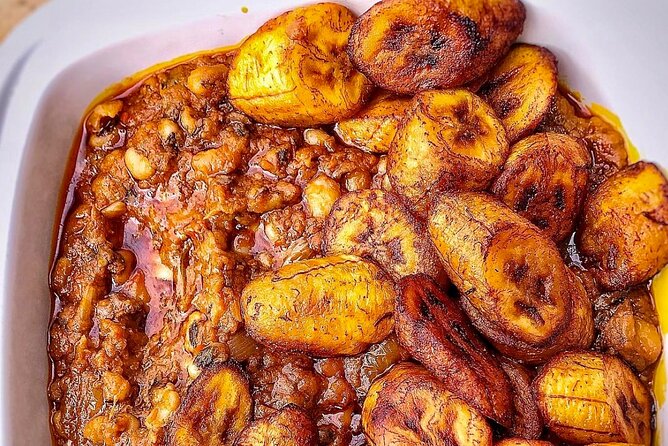
Chicken groundnut soup provides a different cooking experience, with a thick, nut-based character and its own seasoning profile. Fried chicken, plantain, and vegetables may also appear in a selected menu. Together, these dishes can create a generous meal with different textures and flavors.
The key point is choice. You are not necessarily following one fixed menu every day. You can select from available indigenous meals, and you may replace the cooking lesson with an order for specific dishes if you would rather eat than cook.
That option is helpful for people who have limited time or who want to share food with friends. It does mean the experience can be less educational if you order instead of taking part, so choose based on your goal. If you want a food memory and a ready meal, order. If you want skills to take home, cook.
Eating at the Kitchen or Taking Food Away
Lunch is included, and the ingredients are part of the price. You can eat the prepared meals at the kitchen or take them away in packed containers.
Two packaged leftovers are also included. This adds real value to a four-hour activity because you are not paying for a cooking lesson and then buying another meal immediately afterward. You leave with food to enjoy later, provided you can transport and store it properly.
The takeaway option also works well if you are cooking with a companion and want to share. You can request a larger quantity for friends or for donation to an orphanage at an additional reasonable fee. The supplied details do not give a fixed price for increased quantities, so arrange that before the session.
Food allergies are considered when ingredients are combined. You should still state every allergy clearly before cooking begins. The information confirms that allergies are taken into account, but it does not promise a separate allergy-free kitchen or prevent all cross-contact.
What You Get for $25
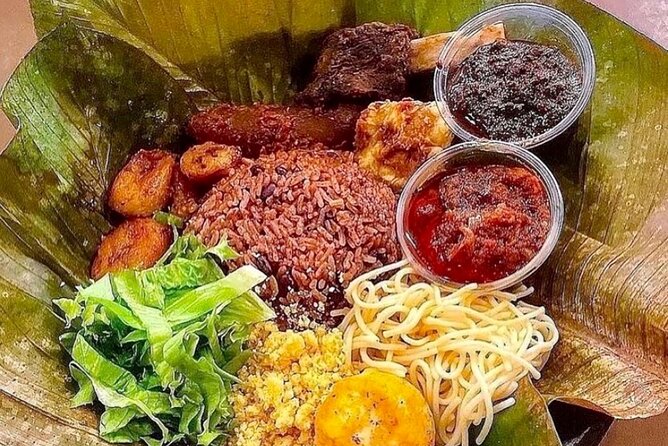
At $25 per person, this is a strong-value activity if you take part in the cooking. Your fee covers the lesson, ingredients, lunch, cooking utensils, packed leftovers, and all fees and taxes.
The value becomes clearer when you compare it with a normal meal out. You receive food to eat during the class, additional portions to take away, and practical instruction that can help you recreate the dishes later. The cultural conversation and personal guidance add to the experience without a separate teaching fee.
The price is less attractive if you only want a quick tasting. Four hours is a significant part of your day, and someone looking for a short food stop may prefer to order a dish rather than cook. The activity is best for people who see cooking as the main event.
You can also book the kitchen for more practice at a reasonable fee. The exact rate is not provided, so you will need to ask for current pricing. This is a useful option if your first class leaves you wanting more time with a particular recipe.
The activity is generally booked about 13 days ahead, which gives you a practical planning guide. It is not a last-minute meal stop to count on during a crowded Accra itinerary.
Group Size, Timing, and Comfort
The maximum group size is 10 people. That is small enough to allow questions and participation, though the feel will depend on the actual number booked and the kitchen setup.
A smaller group should make it easier to see what is happening and receive direct help from Cecilia. A full group may feel more social, while a very small booking may feel more personal. The available information does not promise a private class, so do not assume you will have the kitchen to yourself.
You may select a schedule that suits you. That flexibility is valuable in Accra, where you may be balancing sightseeing, rest, and transport time. Confirm the start time carefully and leave room afterward, since the class lasts about four hours.
You are allowed to take photographs and videos. This is useful for recording the cooking steps, but ask before filming close-up work or other people. The experience is designed to be friendly and relaxed, so a little courtesy keeps it comfortable for everyone.
Who Will Enjoy This Experience Most
I would recommend this class to food-focused visitors, first-time cooks, couples, families, and small groups of friends. It suits people who like to ask questions, work with their hands, and learn through doing.
It is also a good fit if you want a cultural activity with a meal attached. The food gives you a natural way to talk about Ghana, and the kitchen setting can feel more personal than a standard sightseeing stop.
The class may be less suitable if you have a tight schedule, dislike group activities, or want a polished restaurant meal with no effort. It is also not the right choice if you expect transport to be included.
Families should note that the experience includes cooking, music, games, and conversation, but no specific age guidance is provided. If children are joining, confirm that the timing and kitchen tasks suit them before booking.
Cancellation and Booking Advice
You receive confirmation when you book, and the activity uses a mobile ticket. You can cancel for a full refund up to 24 hours before the start time. Cancellations or changes made within 24 hours are not accepted for a refund, and the cut-off follows Accra local time.
Before booking, confirm three things: your meal choices, the start time, and any allergies. If you want extra portions for friends or an orphanage, ask about the added cost in advance.
Since private transportation is not included, check how you will reach Diabase Street. Near public transportation is helpful, but it does not replace a clear route plan.
Should You Book the Ghanaian Cooking Lesson?
Book this experience if you want more than a plate of Ghanaian food. For $25, you receive a hands-on lesson, a substantial meal, packed leftovers, cultural conversation, and the chance to learn substitutions that work at home.
I would especially choose it for a free half-day in Accra, with no urgent appointment afterward. Cecilia’s patient teaching, the option to choose meals, and the chance to practice from start to finish give the class a personal quality that a simple food tour cannot provide.
Skip it if your priority is speed, transport, or a restaurant-style meal. But if you want to cook jollof rice, groundnut soup, plantain, or another Ghanaian dish while learning the story behind it, this is an appealing and fairly priced choice.
FAQ
Where does the cooking class begin?
The class begins at Diabase Street, Diabase St, Accra, Ghana.
Where does the experience end?
The activity ends back at the meeting point on Diabase Street.
How long does the cooking lesson last?
The experience lasts approximately four hours.
How much does the class cost?
The listed price is $25 per person.
What food is included?
The package includes two complete meals with either a side dish or a dessert. Lunch and ingredients are included in the cost.
Can I take food away?
Yes. You can eat the prepared food at the kitchen or take it away. Two packaged leftovers are included.
Are cooking utensils provided?
Yes. The cooking utensils needed for meal preparation are provided, so you do not need to bring your own.
Is transportation included?
No. Private transportation is not included. The meeting point is near public transportation.
Can I cancel for a refund?
Yes. You can cancel at least 24 hours before the start time for a full refund. Cancellations or changes made less than 24 hours before the start time are not accepted for a refund.
Just added in Accra
- Wli Waterfall And Tafi Monkey Sanctuary ( Volta Region)★ 5.0 · 1 review
- Traditional Beadmaking Workshop★ 5.0 · 1 review
- Private 9-Day Tour in Ghana★ 5.0 · 2 reviews
- Wli Waterfalls, Mount Afadjato & Tafi Atome Monkey Sanctuary★ 5.0 · 2 reviews
- Cape Coast and Elmina castle Day Trip★ 5.0 · 2 reviews
- Culinary for Social Change-Cooking Class★ 5.0 · 2 reviews
- Time with Nature★ 5.0 · 2 reviews
- Explore Cape Coast – Elmina in a brief( Roles in the slave trade)★ 5.0 · 1 review
Accra Tours, compared.


Experience the Beauty, History and the Culture Of Accra in a Day
Read our review →

Cape Coast, Elmina Castle & Kakum Park Day Tour
Read our review →
Browse the lists this tour appears in