
REVIEW · NAMING CEREMONIES
African Naming Ceremony
A name can carry a whole family. This five-hour experience from Accra offers a close look at Ghanaian customs through ceremony, drumming, dance, prayers, and community storytelling. I especially like the chance to take part rather than simply watch, and I like that local elders and guides explain why names relate to identity, ancestry, and destiny. The main point to consider is timing: a live naming ceremony may depend on the day’s schedule.
The price is $220 per person, which is not small, but it includes ceremony fees, transport from Accra, snacks, bottled water, village and cultural stops, and a guide speaking English. I also appreciate that solo visitors are welcomed into the gathering. Esther, who guided one recent participant, helped make a solo arrival feel comfortable and personal.
In This Review
- Key points to know before you book
- Why a Ghanaian name matters
- Leaving Accra for the ceremony
- Entering a traditional naming ceremony
- Drumming, dance, and stories
- Villages, artisans, and cultural context
- What the $220 price includes
- Who will get the most from this experience
- Timing, flexibility, and practical planning
- Should you book the African Naming Ceremony?
- FAQ
- Where does the African Naming Ceremony take place?
- How long does the experience last?
- Is a live naming ceremony guaranteed?
- What is included in the price?
- Is lunch included?
- Can I cancel or pay later?
Key points to know before you book
- A real naming ceremony may be part of the day: The exact ceremony depends on timing, so confirm what is scheduled for your date.
- Names have social and spiritual meaning: You will hear how a name can reflect family, ancestry, identity, and hopes for a child’s future.
- Music and movement are central: Expect drumming, dance, prayers, blessings, storytelling, and a joyful community setting.
- Accra pickup and return are included: The experience begins and ends in Accra, making it easier to fit into a city stay.
- Lunch is not included: Snacks and bottled water are provided, but you should plan for the midday meal.
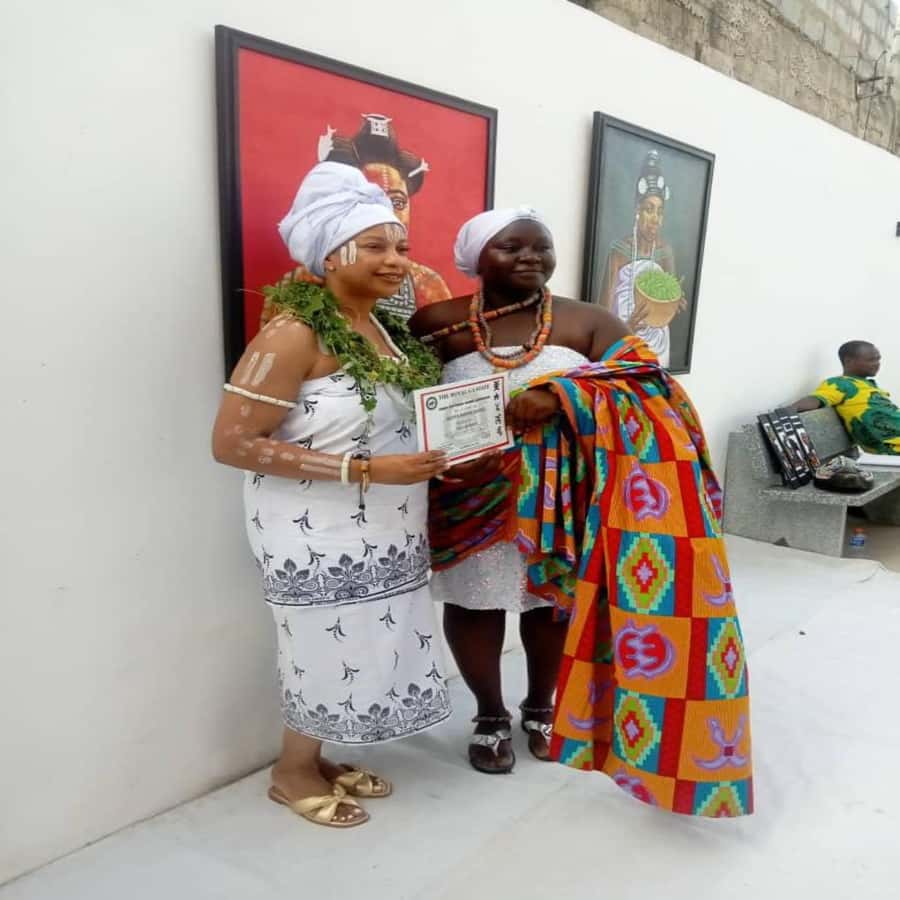
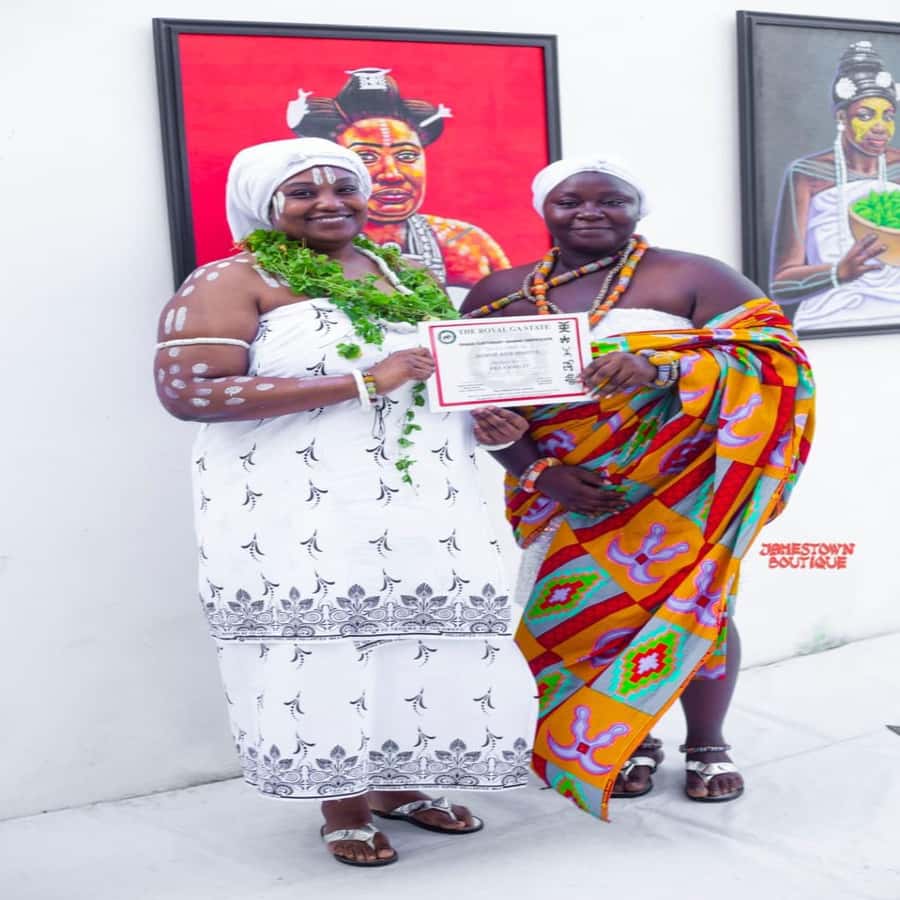
- The welcome matters: Esther received a solo visitor warmly and helped her feel at home during the ceremony.
Why a Ghanaian name matters
In Ghana, a name is more than a label used to call a child. Naming can connect a person to family, community, ancestry, and hopes for the future. That idea gives this experience more weight than a short cultural show.
You will learn that the ceremony marks an important point in a child’s life. Prayers and blessings help place the child within the community, while the gathering gives relatives and friends a chance to celebrate together. The meaning of names can also open a window onto ideas about identity and destiny.
I find this the most valuable part of the day. Music and dance make the event lively, but the explanations help you understand what you are seeing. Without that context, it would be easy to focus only on the color and sound. With it, the ceremony becomes a lesson in how culture is passed from one generation to the next.
The experience is also suitable for people with an interest in African heritage and family roots. If you are trying to understand Ghanaian traditions beyond museums and monuments, this provides a direct connection with a living custom.
More naming ceremony experiences in Accra:
- The Ancestral Naming Ceremony and Home Coming Experience
★ 5.0 · 30 reviews - Traditional Naming Ceremony and Boat Cruise Experience
★ 5.0 · 15 reviews - Naming Ceremony and Heritage Homecoming Experience for Diasporas
★ 4.5 · 15 reviews
Leaving Accra for the ceremony
Your day starts with pickup in Accra and ends with a return to the city. The supplied details do not give a precise pickup time, route, vehicle type, or group size, so check those points when you reserve.
That practical arrangement matters. You do not need to organize a separate transfer to a village or cultural site, and a five-hour duration leaves room for the experience without taking an entire day away from Accra. Still, you should keep some flexibility in your schedule. Ceremonies are community events, not performances built around a strict tourist timetable.
The route may include local villages and historical landmarks before or after the main event. These stops give you a wider view of the area and may offer time with artisans. The exact sites are not specified, so ask what your particular departure will include if a certain village or landmark matters to you.
I would also wear comfortable clothing and shoes. The program includes movement between cultural locations, participation, and time around a community gathering. You may want clothing that feels respectful and practical rather than formal.
Entering a traditional naming ceremony
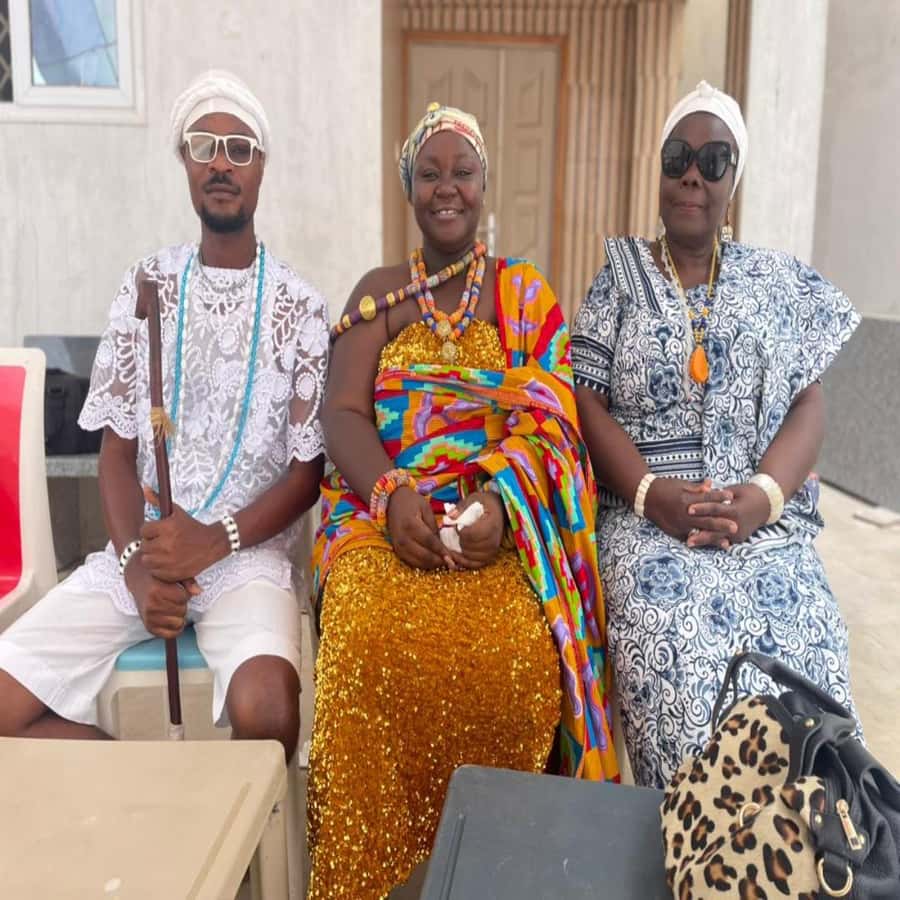
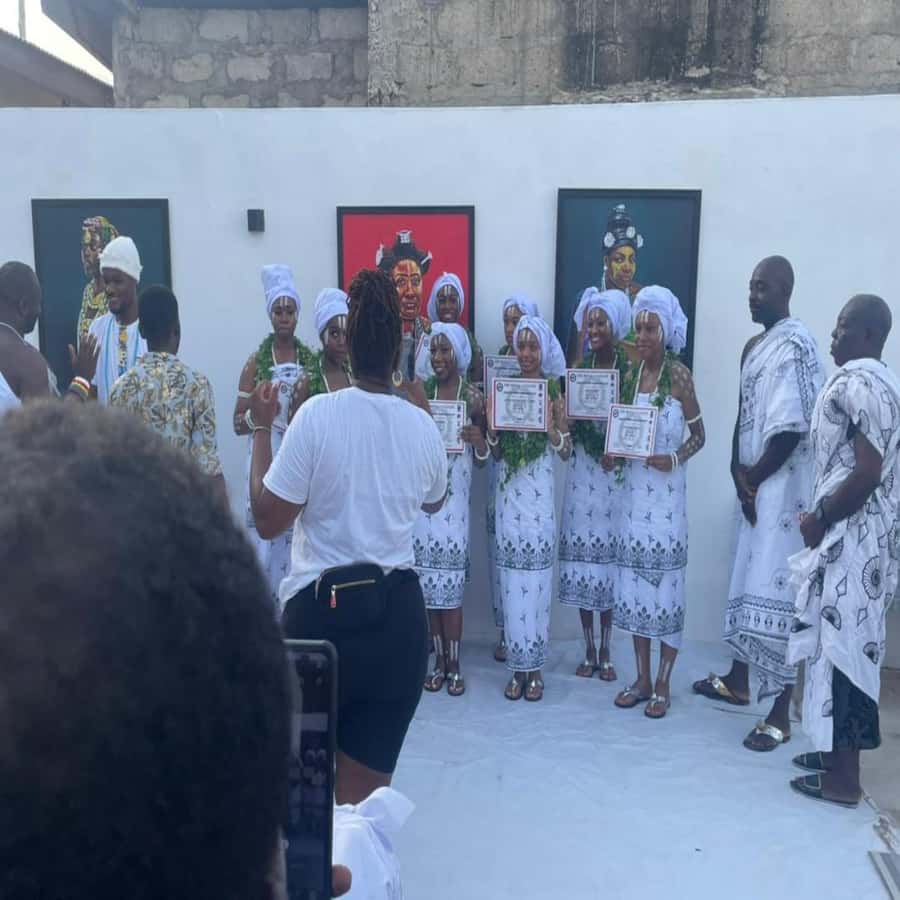
The ceremony is the heart of the experience. Depending on the timing of your visit, you may witness or join a live naming event with family, community members, local elders, and a guide who explains the customs.
The ritual can include sacred prayers, blessings, and the formal naming of a child. These moments are not just symbolic decoration. They recognize the child as part of a family and wider social group.
Your role may depend on the ceremony and the way the organizers welcome you. The supplied description says you have the chance to participate, while the exact level of participation is not guaranteed. That distinction is worth keeping in mind. You should arrive ready to join in respectfully, but also ready to observe quietly when the ritual calls for it.
The strongest personal detail available from this experience comes from a solo participant who initially felt nervous about entering the gathering alone. Esther welcomed her into the ceremony and helped her feel at home. That is useful information if you are traveling by yourself or feel unsure about entering a family-centered event.
I would make a point of asking before taking photographs, especially during prayers or blessings. The information provided does not set out a photography policy, so your guide is the right person to ask. A respectful question can prevent an awkward moment.
Drumming, dance, and stories
Music gives the ceremony its pulse. You can expect rhythmic drumming, traditional dance, and performances that help tell the story of Ghanaian culture. These are not simply background entertainment. They help bring people together and mark the importance of the occasion.
The live performance element is a good reason to choose this experience instead of a lecture or a standard sightseeing drive. You will hear and see cultural forms that are tied to celebration and community life.
Storytelling adds another layer. Local accounts can connect the ceremony with Ghana’s past and with the customs that still matter today. The information does not name the performers or give a fixed schedule, so the balance between ceremony, storytelling, and performance may change from one day to another.
That uncertainty is not necessarily a weakness. A gathering with real community involvement can feel more natural than a show that repeats itself at a fixed minute every day. It does mean you should not expect a tightly scripted production.
More things to do in Accra:
- The Cape Coast Day Tour
★ 5.0 · 525 reviews - Experience the Beauty, History and the Culture Of Accra in a Day
★ 5.0 · 323 reviews - The Cape Coast Tour
★ 5.0 · 177 reviews - From Accra: Cape Coast, Elmina Castle & Kakum Park Day Tour
★ 4.6 · 144 reviews
Villages, artisans, and cultural context
The wider program includes visits to local villages and historical landmarks. You may also meet artisans and learn more about local cultural practices.
These stops help place the naming ceremony in a larger setting. Instead of treating the event as an isolated custom, you get a sense of the people, places, and creative work connected with Ghanaian life. Conversations with artisans can also make the visit feel more direct than a quick stop at a souvenir shop.
The details are limited, so I would not book this solely for one particular landmark or craft encounter. No specific village, historic site, artisan workshop, or amount of time at each stop is identified. Think of these visits as supporting parts of the five-hour program, with the ceremony as the main reason to go.
If you enjoy asking questions, you will get more from the day. Ask about the meaning of names, the role of elders, the purpose of the blessings, and how families prepare for the occasion. The experience gives you a setting for those questions, and the English-speaking guide can provide the explanation.
What the $220 price includes
At $220 per person, this is a premium half-day cultural experience. The value depends on what you want from your time in Ghana.
The fee includes ceremony fees, snacks, bottled water, and pickup and return in Accra. It also covers the guide and the cultural program, including the ceremony setting, performances, storytelling, and the additional village or landmark visits described for the day.
I see the price as easier to justify if you value personal access and cultural explanation more than a long list of attractions. You are paying for an organized introduction to a meaningful local custom, not just for transport to a photo stop.
Lunch is not included. That is the main extra cost to plan for, especially if the five-hour schedule covers the middle of the day. Snacks and water are supplied, but they are not a substitute for a full meal.
The experience has only one listed rating, so I would treat the perfect score as encouraging but not enough to establish a broad pattern. The direct account is still useful: the personal welcome from Esther made a clear difference, especially for someone traveling alone.
Who will get the most from this experience
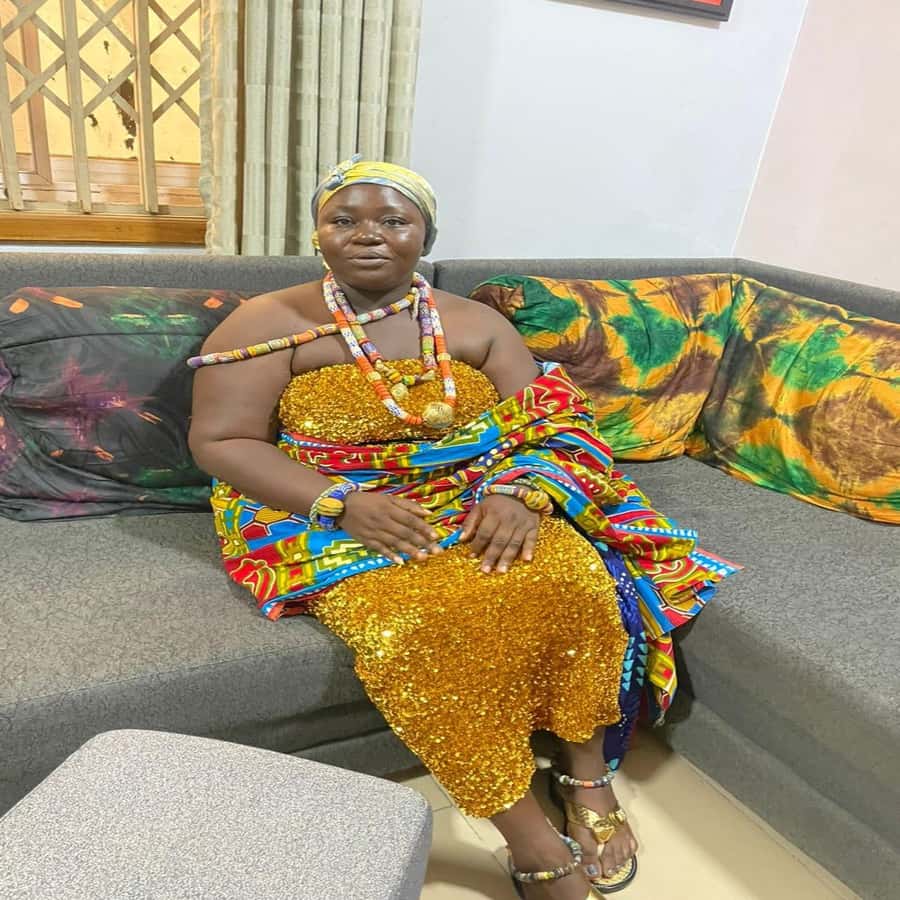
I would recommend this to you if you want to understand Ghana through family customs and community life. It is especially suited to people interested in African heritage, naming traditions, ancestry, and cultural identity.
Solo visitors may appreciate the guided welcome. Entering a ceremony alone can feel awkward, and the available experience shows that Esther made a point of helping a solo participant feel included.
It also suits visitors who enjoy participation, music, dance, and conversation. You should not choose it if you want a fully predictable sightseeing schedule or a meal included in the price.
The activity is listed as wheelchair accessible, which is useful information when planning. Since the program may include villages, landmarks, and community spaces, I would still ask the provider about the exact route and surfaces for your date.
The tour is conducted in English. That makes the explanations accessible to English-speaking visitors, while the ceremony itself gives you plenty to observe through music, movement, and ritual.
Timing, flexibility, and practical planning
The duration is five hours, but the starting time depends on availability. Because the ceremony may be linked to a real family event, the timing and order of activities can vary.
The flexible booking terms are helpful. You can cancel up to 24 hours in advance for a full refund, and you can reserve now and pay later. That gives you some breathing room if your Accra plans are still changing.
I would ask these questions before confirming:
- What time is pickup from my Accra address?
- Will a live naming ceremony take place on my chosen date?
- How much time is planned for the village and landmark visits?
- Is lunch available to purchase during the outing?
- What level of participation is expected during the ceremony?
- Are there any photography rules?
These questions do not take away from the experience. They help you arrive prepared and show respect for a ceremony that is meaningful to the community.
Should you book the African Naming Ceremony?
Book it if you want a personal look at Ghanaian identity, family tradition, and community celebration. The combination of prayers, blessings, names, drumming, dance, storytelling, and local guidance gives the day a clear cultural purpose.
I would be more cautious if you need a fixed schedule, a guaranteed live ceremony, or lunch included. The $220 cost is high for five hours, but it covers more than simple transport and sightseeing. The strongest value comes from the welcome, the explanation, and the chance to take part in a tradition rather than view it from a distance.
For solo visitors and anyone exploring African roots, this is a particularly thoughtful choice. Confirm the ceremony timing, ask about the day’s route, and arrive ready to follow the community’s lead.
FAQ
Where does the African Naming Ceremony take place?
The experience takes place in Ghana’s Central Region, with pickup and return in Accra.
How long does the experience last?
The activity lasts five hours. Starting times depend on availability.
Is a live naming ceremony guaranteed?
The timing of your visit may allow you to witness or participate in a live naming ceremony. The available information does not guarantee one for every date.
What is included in the price?
The $220 price includes ceremony fees, snacks, and bottled water. Pickup and return in Accra and an English-speaking guide are also part of the experience.
Is lunch included?
No. Lunch is not included, so plan to arrange or purchase your midday meal separately.
Can I cancel or pay later?
You can cancel up to 24 hours in advance for a full refund. You can also reserve your place and pay later.
Just added in Accra
- Wli Waterfall And Tafi Monkey Sanctuary ( Volta Region)★ 5.0 · 1 review
- Traditional Beadmaking Workshop★ 5.0 · 1 review
- Private 9-Day Tour in Ghana★ 5.0 · 2 reviews
- Wli Waterfalls, Mount Afadjato & Tafi Atome Monkey Sanctuary★ 5.0 · 2 reviews
- Cape Coast and Elmina castle Day Trip★ 5.0 · 2 reviews
- Culinary for Social Change-Cooking Class★ 5.0 · 2 reviews
- Time with Nature★ 5.0 · 2 reviews
- Historical Day Tour to Cape Coast, Elmina and Kakum★ 5.0 · 3 reviews
Naming Ceremonies, compared.

The Ancestral Naming Ceremony and Home Coming Experience
Read our review →
Naming Ceremony and Heritage Homecoming Experience for Diasporas
Read our review →
Traditional Naming Ceremony and Boat Cruise Experience
Read our review →
Kumasi Heritage Tours And Naming Ceremony In A Day
Read our review →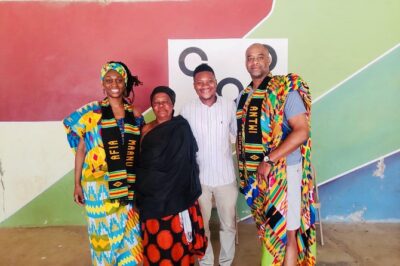
Traditional naming ceremony For African Diasporas in Kumasi
Read our review →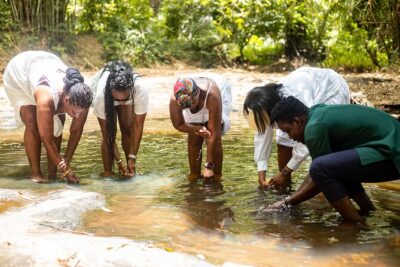
Naming Ceremony, Assin Manso Slave River and Cape Coast Castle
Read our review →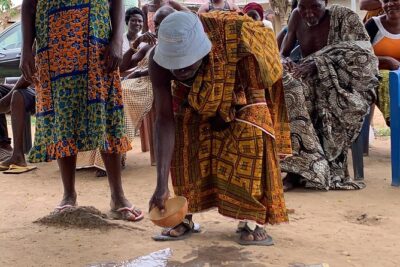
Cultural Village Tour: Traditional Naming Ceremony
Read our review →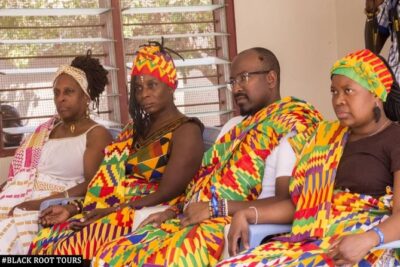
Traditional Naming Ceremony For African Americans In Kumasi
Read our review →Browse the lists this tour appears in