
REVIEW · NAMING CEREMONIES
Cultural Village Tour: Traditional Naming Ceremony
A new name can open a door. This private tour from Accra takes you to a rural village in Ghana’s Volta Region, where the chief and elders welcome you with libation before a traditional naming ceremony filled with drumming and dancing. I like the personal welcome and the chance to take part in pottery, bead making, or kente weaving, rather than simply watching a staged performance. The included transport and activity fees also make the day easy to plan.
The main consideration is the long road trip. The drive from Accra takes about two hours each way, and the tour can last five to seven hours. Lunch is not included, and the stated pickup details show both 8:00 a.m. and 9:00 a.m., so confirm the exact departure time before you set your alarm.
In This Review
- Key Points to Know Before You Book
- The Road From Accra to the Volta Region
- Meeting the Chief and Elders
- Receiving a Ghanaian Name
- Choose Pottery, Glass Beads, or Kente Weaving
- Why the Private Format Matters
- What the $320.67 Price Covers
- Timing, Comfort, and What to Pack
- Who Will Get the Most From This Tour
- Should You Book the Naming Ceremony?
- FAQ
- Where does the cultural village tour take place?
- How long is the tour?
- What time does pickup begin?
- Is hotel pickup available?
- Is this a private tour?
- What happens during the naming ceremony?
- Which craft workshops are available?
- Is lunch included?
- Can I cancel for a full refund?
Key Points to Know Before You Book
- A real ceremonial welcome: You meet the chief and elders, receive libation, and take part in a Ghanaian naming ceremony.
- Private for your group: You do not share the activity with other booking groups.
- About four hours on the road: The village is roughly two hours from Accra, so transport takes a large part of the day.
- Hands-on village crafts: You may choose pottery making, glass bead making, or kente weaving.
- Most costs are covered: Your air-conditioned vehicle, fuel surcharge, entrance fees, and activity fees are included.
- Best for a meaningful cultural day: The tour is especially suited to people with Ghanaian or African heritage, families, and small groups looking for personal contact.
The Road From Accra to the Volta Region
Your day begins with pickup in an air-conditioned car or bus from your location in Accra. The listed pickup time is 8:00 a.m., while the meeting information gives a 9:00 a.m. start, so I would confirm the time with Tichama Tours before booking transportation around it.
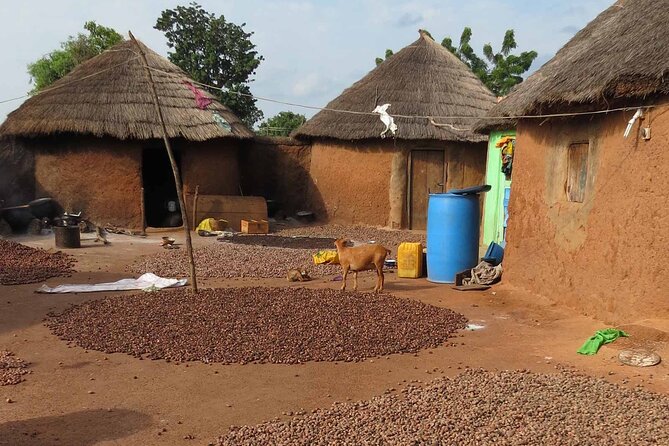
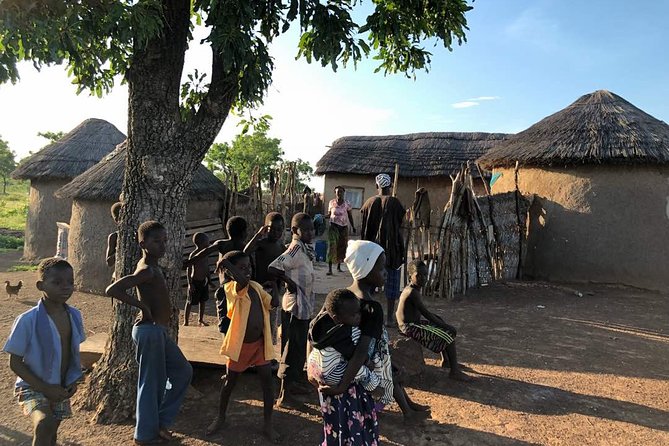
The village is about two hours from Accra. That makes this more than a quick city excursion. You will spend a good part of the day traveling, but the distance is also what shifts the setting away from Accra’s urban pace and toward rural community life.
I like the fact that transport, fuel, and activity fees are included. You are not left to arrange a separate taxi, negotiate a village transfer, or wonder which small charges will appear later. The private vehicle also gives your group more room to ask questions and adjust the pace within the day’s schedule.
The tradeoff is simple: if you want a short activity close to central Accra, this is not the right pick. The round trip takes roughly four hours, and the cultural program itself is only part of a five to seven-hour outing. Pack water and plan for a full morning and afternoon rather than a quick stop between other attractions.
More naming ceremony experiences in Accra:
- The Ancestral Naming Ceremony and Home Coming Experience
★ 5.0 · 30 reviews - Naming Ceremony and Heritage Homecoming Experience for Diasporas
★ 4.5 · 15 reviews - Traditional Naming Ceremony and Boat Cruise Experience
★ 5.0 · 15 reviews
Meeting the Chief and Elders
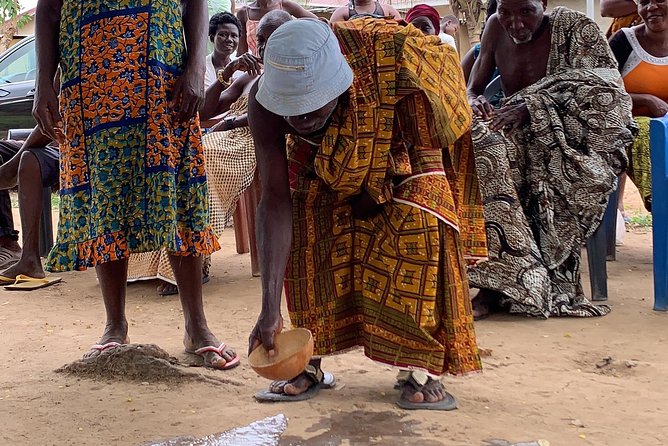
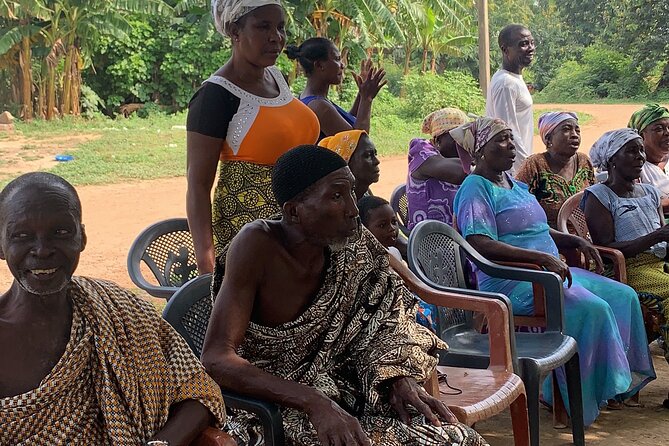
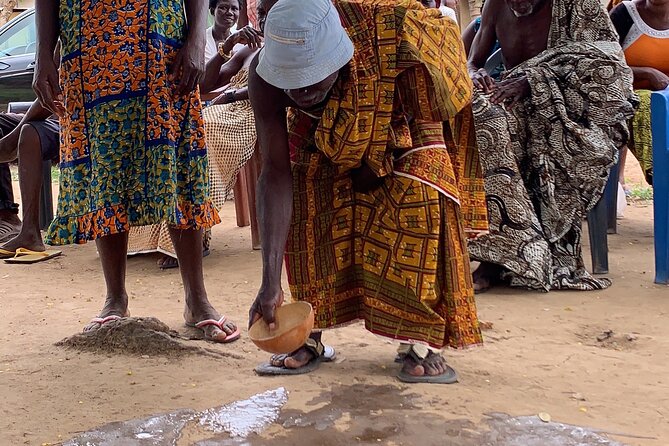
The village welcome begins with a visit to the chief and elders of the community. They welcome you by pouring libation, a traditional ceremony that calls for respect and marks your arrival in a formal way.
This is one of the most meaningful parts of the day because it gives the visit a clear cultural setting. You are not only being shown around a village. You are being received by community leaders through a customary act of welcome.
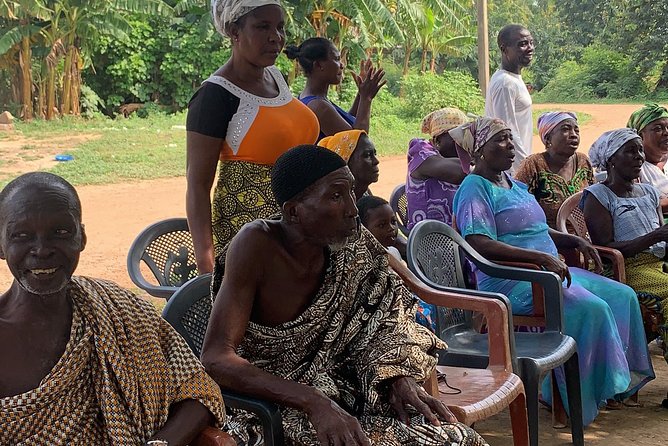
The ceremony may carry special weight if you have Ghanaian or African heritage and are looking for a personal connection to the country. One of the strongest comments about the experience came from an African American participant who described the welcome as spiritual and joyous. That detail matters. The ceremony is not presented as a simple photo opportunity. It can feel personal, especially when you take part rather than sit at a distance.
At the same time, you should approach the libation and naming ceremony with care. Dress and behavior should be respectful, and you should follow the guide’s lead during the formal portions. The provided details do not specify a dress code or explain the exact wording of the ritual, so ask your guide if you want to understand each step as it happens.
Receiving a Ghanaian Name
After the welcome, the naming ceremony begins with traditional drumming and dancing. You receive a local Ghanaian name and are welcomed as part of the community during the ceremonial activities.
This is the heart of the tour. A name is not just a souvenir printed on a card. In this setting, it is part of a formal welcome and a way to connect your visit to local tradition. The ceremony gives the day a personal focus that a general village tour would not provide.
You can expect music and movement to play a central role. The drumming and dancing are not simply background entertainment. They help create the ceremony’s rhythm and invite you to participate. If you are shy about dancing, you can still follow along and join at your own comfort level. The point is participation, not performance.
I would recommend keeping your camera in your bag during the most formal parts unless your guide says photos are welcome. The supplied information does not state the photography rules, so it is best to ask before recording. A respectful approach will help you enjoy the ceremony without turning it into a staged photo session.
The small group format helps here. Since the tour is private for you and your group, you do not have to share the ceremony with a large busload of strangers. That can make the moment feel more focused and less rushed.
Choose Pottery, Glass Beads, or Kente Weaving
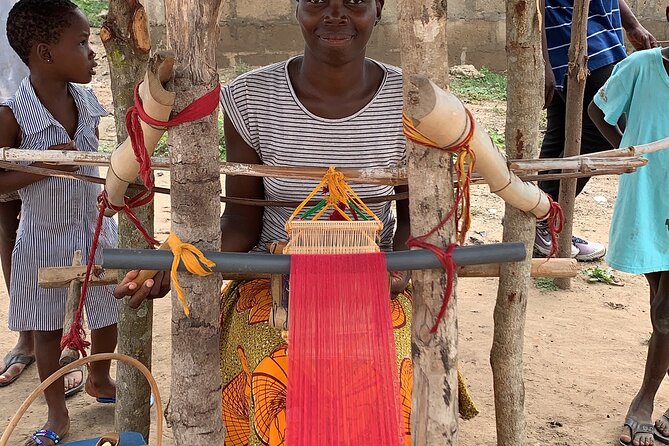
The tour also gives you the chance to take part in a craft workshop. The available choices are pottery making, glass bead making, or kente weaving.
This hands-on part adds balance to the ceremony. You learn through making something, not only through listening or watching. Each option offers a different view of village skills:
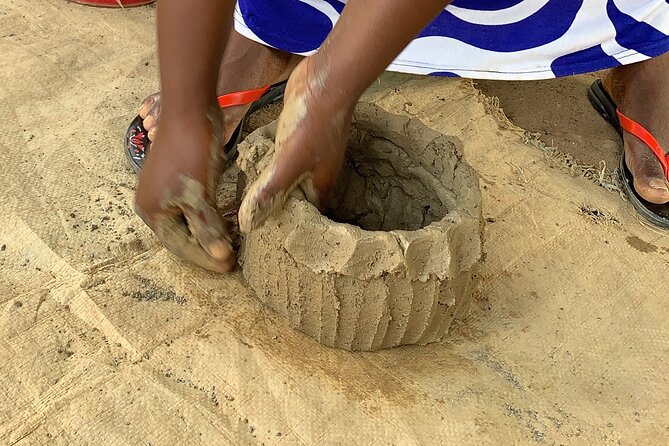
- Pottery making gives you a direct way to work with clay and see how a useful object takes shape.
- Glass bead making introduces you to a craft built around color, design, and careful handwork.
- Kente weaving lets you see how patterned cloth is created on a loom.
The information does not say whether every participant can do all three activities, so expect to choose one rather than complete the full set. Ask the guide about the available workshop on the day, especially if one craft is your main reason for booking.
I like this part because it gives you something active to do after the ceremony. It also helps you understand that village culture is not limited to music, dress, and ritual. Craft skills are part of daily work and local identity.
Do not expect a long technical course. The tour lasts about five to seven hours, including the drive from Accra, welcome, ceremony, and workshop. Think of the craft session as an introduction with direct participation, not a full apprenticeship.
More things to do in Accra:
- The Cape Coast Day Tour
★ 5.0 · 525 reviews - Experience the Beauty, History and the Culture Of Accra in a Day
★ 5.0 · 323 reviews - The Cape Coast Tour
★ 5.0 · 177 reviews - From Accra: Cape Coast, Elmina Castle & Kakum Park Day Tour
★ 4.6 · 144 reviews
Why the Private Format Matters
This is a private tour, and only your group takes part. That detail has real value. You can ask questions without competing with a large crowd, and the ceremony can feel more personal.
Private touring is especially useful for families or small groups with a shared connection to Ghana. The naming ceremony may feel more significant when the people around you are relatives or close friends. It also suits visitors who prefer a quieter pace and do not want to be part of a large scheduled group.
The private format does not mean the day is fully custom-built. The core program remains the village welcome, naming ceremony, drumming and dancing, and craft workshop. The listed duration is approximate, and the drive sets a firm limit on how much extra time is available.
The guide and driver play an important role. The strongest praise in the supplied feedback focuses on their courtesy and friendliness. That is worth emphasizing because a cultural tour depends on good communication and respectful handling of local customs. You will want a guide who can explain what is happening and help you join in without making the ceremony feel awkward.
No individual guide or driver names are provided, so you cannot request a specific person from the available information. You can, however, ask the company who will lead your group and confirm the pickup arrangements before departure.
What the $320.67 Price Covers
The listed price is $320.67 per person. That is a serious cost for a day trip, so the value depends on how much you want the private, ceremonial, and hands-on elements.
Your ticket includes an air-conditioned vehicle, the fuel surcharge, and fees for all activities. That means the price covers the key transport and program costs. You do not need to budget separately for village admission or the listed workshops.
Lunch is not included. This is the main extra expense named in the tour details, and you should plan accordingly. The information does not say whether lunch is purchased at the village, brought from Accra, or arranged by the company. Ask before departure so you know whether to carry food or set aside time and cash.
I see the strongest value for a small group that places high importance on privacy and a formal cultural welcome. If the price is shared among a group, the private format may make more sense than booking several seats on a standard tour. For a solo visitor who mainly wants to see a village and take a few photos, the cost may feel high.
Group discounts are offered, but the amount is not specified. Ask Tichama Tours for the current group rate rather than assuming the advertised per-person price applies to everyone.
Timing, Comfort, and What to Pack
The air-conditioned vehicle is welcome in Ghana’s heat, especially with a two-hour drive each way. The provided details do not identify the vehicle model or state whether there are scheduled comfort stops, so ask if you need a break during the journey.
The tour is listed as lasting five to seven hours, while the itinerary also shows five hours. Treat that as an estimate. Ceremony timing, traffic, workshop length, and the return drive can affect the day.
I would bring:
- Water and food or money for lunch
- Comfortable clothing suitable for dancing and workshop activity
- Shoes that can handle a rural village setting
- Sun protection
- A phone or camera, used respectfully and only when permitted
Most people can participate, and service animals are allowed. The information does not provide detailed mobility guidance, such as ground surfaces, seating, or workshop access, so contact the provider if you have specific access needs.
The tour requires good weather. If poor weather causes cancellation, you will be offered another date or a full refund. That policy is useful for a ceremony and village workshop, where outdoor conditions may affect the program.
Who Will Get the Most From This Tour
I would put this tour high on the list for people looking for a personal connection to Ghana rather than a standard sightseeing loop. It is particularly suitable for:
- People with Ghanaian or African heritage
- Visitors returning to Ghana and seeking a symbolic welcome
- Families and close friends
- Small private groups
- Anyone interested in ceremony, music, and traditional crafts
- Visitors willing to give up most of a day for a rural visit
It may not suit you if you have limited time in Accra, dislike long car rides, or want a highly detailed historical tour. The supplied details focus on the welcome, ceremony, crafts, and village life. They do not promise a museum-style talk, a broad tour of the Volta Region, or a large list of attractions.
The 4.8 rating from five reviews is a positive sign, though it is still a small sample. The most praised qualities are clear: the welcome feels spiritual and joyful, and the guide and driver are courteous and friendly. Those are exactly the qualities I would want in a private cultural visit.
Should You Book the Naming Ceremony?
Book this tour if you want a meaningful personal welcome, are comfortable spending about four hours in the vehicle, and value private contact over a quick city activity. The ceremony, libation, drumming, dancing, and local name give the day a clear purpose.
Think twice if you are counting every hour in Accra or expect lunch and every possible cost to be included. Confirm the pickup time, ask which craft workshop will be available, and make a plan for food before you go.
For someone returning to Ghana or seeking a respectful connection with the motherland, this is more than a village visit. It is a carefully focused cultural day, with enough practical structure to make the long ride worthwhile.
FAQ
Where does the cultural village tour take place?
The tour travels from Accra to a rural village in Ghana’s Volta Region.
How long is the tour?
The experience lasts about five to seven hours. The drive to the village takes roughly two hours from Accra.
What time does pickup begin?
The tour information lists pickup at 8:00 a.m. and also gives a 9:00 a.m. start time. Confirm the exact pickup time with Tichama Tours before the day of the tour.
Is hotel pickup available?
Pickup is offered from your location in Accra in an air-conditioned car or bus.
Is this a private tour?
Yes. Only you and your group participate in the private activity.
What happens during the naming ceremony?
The chief and elders welcome you by pouring libation. You then receive a Ghanaian name and take part in drumming, dancing, and other ceremonial activities.
Which craft workshops are available?
You may take part in pottery making, glass bead making, or kente weaving. The provided details do not say whether you can complete more than one workshop.
Is lunch included?
No. Lunch is not included in the ticket price.
Can I cancel for a full refund?
Yes. You can cancel at least 24 hours before the experience start time for a full refund. Cancellations or changes made within 24 hours are not accepted for a refund. If poor weather causes the tour to be canceled, you will be offered a different date or a full refund.
Just added in Accra
- Wli Waterfall And Tafi Monkey Sanctuary ( Volta Region)★ 5.0 · 1 review
- Traditional Beadmaking Workshop★ 5.0 · 1 review
- Private 9-Day Tour in Ghana★ 5.0 · 2 reviews
- Wli Waterfalls, Mount Afadjato & Tafi Atome Monkey Sanctuary★ 5.0 · 2 reviews
- Cape Coast and Elmina castle Day Trip★ 5.0 · 2 reviews
- Culinary for Social Change-Cooking Class★ 5.0 · 2 reviews
- Time with Nature★ 5.0 · 2 reviews
- Historical Day Tour to Cape Coast, Elmina and Kakum★ 5.0 · 3 reviews
Naming Ceremonies, compared.

The Ancestral Naming Ceremony and Home Coming Experience
Read our review →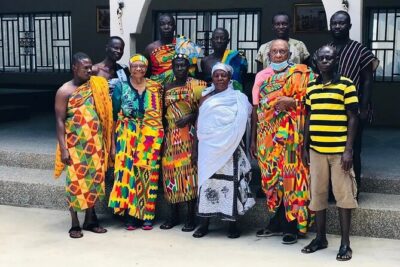
Naming Ceremony and Heritage Homecoming Experience for Diasporas
Read our review →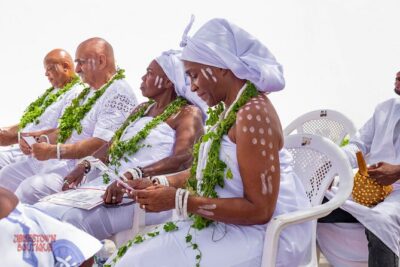
Traditional Naming Ceremony and Boat Cruise Experience
Read our review →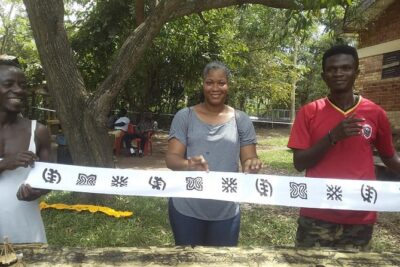
Kumasi Heritage Tours And Naming Ceremony In A Day
Read our review →
Traditional naming ceremony For African Diasporas in Kumasi
Read our review →
Naming Ceremony, Assin Manso Slave River and Cape Coast Castle
Read our review →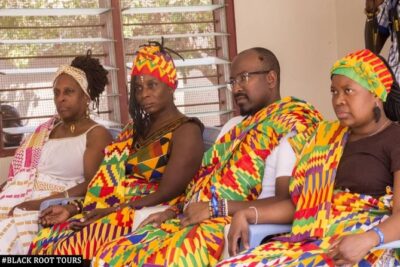
Traditional Naming Ceremony For African Americans In Kumasi
Read our review →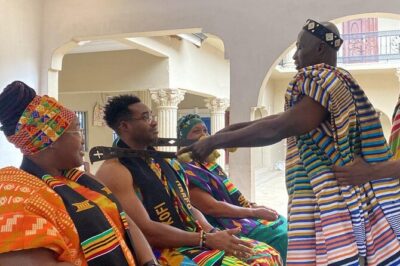
Full Day Tour with Traditional Naming Ceremony in Kumasi
Read our review →Browse the lists this tour appears in