

REVIEW · KUMASI TOURS
Ashanti History Tours
Kumasi tells its story in four stops. I like the mix of royal history at Manhyia Palace and Prempeh II Museum, followed by the everyday energy of Kejetia Market. I also like that the tour is private, with pickup offered, so your day can feel more personal than a large coach outing. The main drawback is the long, flexible schedule: six to nine hours is a wide range, and three hours at the market may feel tiring if you prefer a quicker visit.
This Ashanti History Tour costs $110 per person and includes admission to the three historic sites. I would confirm the pickup time, exact route, and guide’s name before setting off, since the information names Samuel Kumah as the company CEO, while past feedback refers to both Kofi and Sam. That small check can prevent confusion on an early start.
In This Review
- Key points to know before you book
- Why this Kumasi tour works as a full-day introduction
- Manhyia Palace Museum and the Ashanti royal story
- The Okomfo Anokye Sword Site and a story older than 350 years
- Prempeh II Museum for a second royal perspective
- Three hours at Kejetia Market
- The private format and guide support
- Timing, transport, and the shape of the day
- Who will get the most from Ashanti History Tours
- Should you book this Kumasi day tour?
- FAQ
- How much does Ashanti History Tours cost?
- How long does the tour last?
- Is pickup offered?
- Is this a private tour?
- Are admission tickets included?
- How much time is spent at Kejetia Market?
- Are service animals allowed?
- What happens if I cancel?
Key points to know before you book
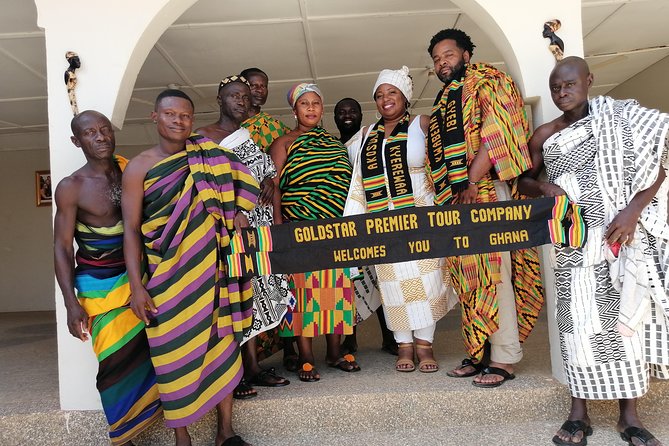
- Manhyia Palace Museum introduces you to the Ashanti kingdom through a former royal setting.
- The Okomfo Anokye Sword Site centers on a sword said to have been planted more than 350 years ago.
- Prempeh II Museum adds another layer of royal and cultural context.
- Kejetia Market takes up about three hours and offers a close look at Kumasi’s daily commerce.
- Private touring means only your group participates, with pickup available.
- Flexible cancellation allows a full refund when you cancel at least 24 hours before the start time.
Why this Kumasi tour works as a full-day introduction
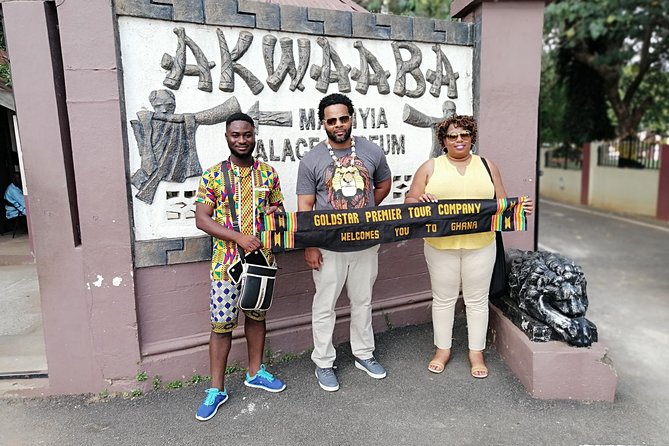
Kumasi is a natural place to learn about Ashanti culture because the tour connects royal institutions, religious tradition, and ordinary trade in one day. You are not simply moving between unrelated attractions. The route gives you several ways to understand the city, from kings and historic objects to the market where daily life takes over.
The schedule runs for about six to nine hours. The listed visits add up to roughly six hours, but transport, traffic, time at each stop, and the pace of your private group can stretch the day. I would treat the shorter estimate as the minimum and keep the rest of your evening open.
At $110 per person, this is not the cheapest way to see Kumasi independently. Still, the price includes admission at all three museums or historic sites, a private format, and pickup. For a first visit, that combination can make sense, especially if you value having one person organize the day and connect the sites for you.
The value depends heavily on group size. One person paying $110 receives private service but carries the whole cost. A small group can find the price more reasonable because the same private vehicle and guide arrangements serve everyone in the party. Since no meal, drinks, or other extras are specified, I would budget separately for food and personal purchases at Kejetia Market.
More history tours in Kumasi:
- Kumasi Culture and Heritage Tours
★ 4.5 · 3 reviews - Experience the Beauty, History and the Culture Of Accra in a Day
★ 5.0 · 323 reviews - Ghana Heritage Tours – Beyond The Return
★ 5.0 · 36 reviews
Manhyia Palace Museum and the Ashanti royal story
The first stop, Manhyia Palace Museum, lasts about one hour and includes admission. This is the key historical stop for understanding the Ashanti kingdom, described here as Ghana’s only kingdom.
The palace setting gives the visit a clear focus. You are learning about a living royal tradition rather than only looking at old objects in a detached museum room. The tour description places emphasis on Ashanti history and culture, so this is where I would pay close attention to names, succession, royal customs, and the meaning of the objects on display.
An hour is enough for an introduction, but it is not a long museum session. If you enjoy reading every label or asking detailed questions, you may want to confirm how much time is allowed. The private format helps here because you can ask your guide to explain points that interest you rather than follow a fixed large-group pace.
I like beginning with Manhyia Palace because it gives the rest of the day a frame. After this visit, the sword site and Prempeh II Museum are easier to place within the wider story. Without that context, the day could become a string of names and objects. With it, the stops should connect more clearly.
The Okomfo Anokye Sword Site and a story older than 350 years

The second stop focuses on the famous Okomfo Anokye Sword Site. The sword is said to have been planted more than 350 years ago, and the central story is that nobody has been able to remove it.
That unusual detail gives this stop a different character from the palace museum. Manhyia Palace focuses on royal identity and culture. The sword site brings in belief, tradition, and the power of a story preserved across generations. I would listen carefully to the guide’s explanation of Okomfo Anokye and the sword’s place in Ashanti tradition, since the meaning behind the site matters as much as the object itself.
The visit is scheduled for about one hour, with admission included. That should give you time to see the site and ask questions without turning it into a rushed photo stop. The supplied details do not promise a particular ceremony, performance, or extended religious program, so you should book it as a historical and cultural visit rather than expect a staged event.
This is one of the tour’s most memorable stops because the object is simple, but the story around it is powerful. I would not judge it by size or length alone. Some historic places are important because of the ideas attached to them, and this appears to be one of those places.
Prempeh II Museum for a second royal perspective
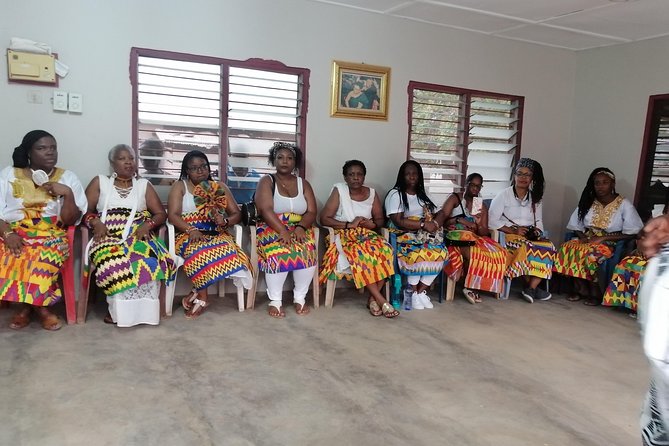
Prempeh II Museum adds another hour of museum time. The information provided gives no detailed collection list, so I would avoid expecting a specific exhibit or named artifact that has not been confirmed. What is clear is that the museum belongs to the same royal and cultural thread introduced at Manhyia Palace.
The two museum visits may feel similar if you prefer a fast, varied sightseeing day. That is the main point to consider. You will spend about two hours in palace-related museums, plus another hour at the sword site, before reaching the market.
For anyone interested in Ashanti leadership, material culture, and the way history is presented through royal institutions, the repetition can be useful. The second museum gives your guide another chance to explain details that may have seemed unfamiliar earlier. I like that the tour does not rely on a single museum to carry the entire historical side of the day.
If you have limited patience for indoor exhibits, tell the guide early. Since this is a private activity, your group may have more room to manage its pace, but the exact flexibility is not stated. A simple conversation at pickup can help you decide where to linger and where to keep moving.
More things to do in Kumasi:
- Bonwire Namimg Ceremony and Kente Tourist Center
★ 5.0 · 40 reviews - Tour Kumasi City Like a Local
★ 4.5 · 34 reviews - Traditional naming ceremony For African Diasporas in Kumasi
★ 5.0 · 10 reviews - Kumasi City Tour
★ 5.0 · 8 reviews
Three hours at Kejetia Market
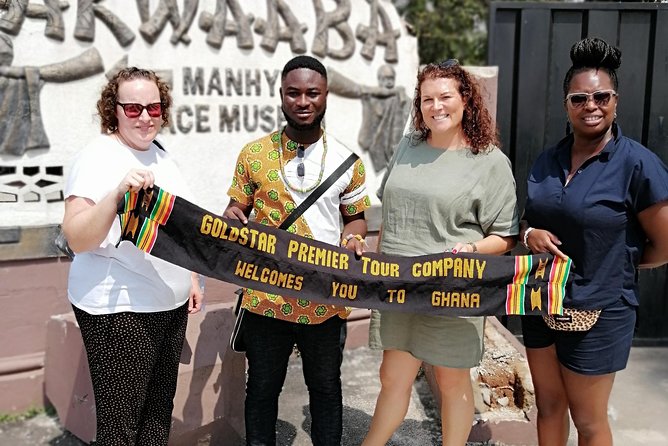
Kejetia Market is the tour’s longest stop, with about three hours devoted to a walking tour through what is described as the biggest market in West Africa. This changes the rhythm of the day. After museums and a historic site, you move into a working commercial center where the focus is daily trade.
I like this contrast. Museums explain the past in a controlled setting. A market shows you how a city functions now. You can expect a walking-focused visit rather than a quiet sightseeing stop, and comfortable shoes make good sense. The description does not specify a shopping list, food tastings, or a guided buying program, so keep your expectations practical.
Three hours is generous. It may suit you if you want time to look around, ask questions, and take in the scale of the market. It may feel too long if you only want a brief look or find crowded commercial areas tiring. Ask the guide how the walking portion will be organized and where the tour begins and ends.
I would also keep personal spending separate from the tour price. The admission note says the market visit is included, but no purchases are included. If you plan to buy anything, agree on prices clearly and keep your belongings secure. Those are sensible habits in any major market, without needing to turn the visit into a stressful exercise.
The market is likely to be the most direct connection with present-day Kumasi. It is not polished like a museum, and that is precisely its value. You get a more ordinary view of the city, with trade and movement replacing display cases. If you want a day made only of formal monuments, this tour may not be your best fit.
The private format and guide support
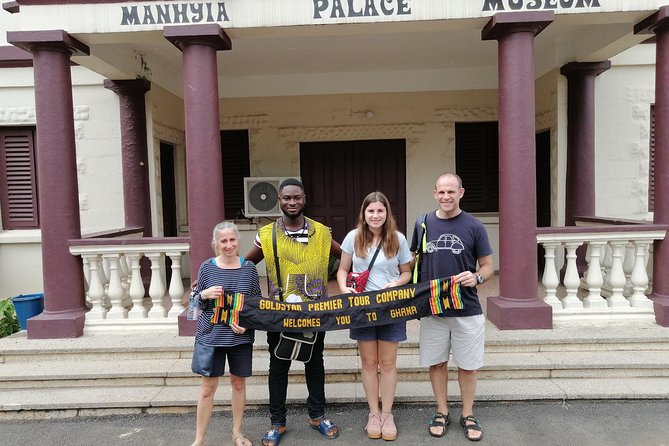
Only your group participates in this activity. That matters because the day contains several places where questions can add real value, especially at the palace museums and sword site. A private guide can explain unfamiliar terms, adjust the order of conversation, and help you make sense of the links between the stops.
The available feedback gives special praise to the guide’s patience, planning, and personal attention. One account describes Sam as careful about comfort while still keeping the day adventurous and culturally focused. Another credits Kofi with creating a useful eight-day Ghana plan and recommends his service for future visitors.
Those names do not fully match the company information, which identifies Samuel Kumah as the CEO. I would contact the company before the tour to confirm who will meet you, rather than assume that Sam, Kofi, and Samuel refer to the same person. This is not a major problem, but clear communication is part of a smooth pickup.
The praise also points to a broader strength: help with planning beyond one day. If you are arranging a longer Ghana trip, you can ask whether the company can advise on other regions or build a wider schedule. Do not assume those extra services are included in the $110 price, but the company may be able to discuss them separately.
Timing, transport, and the shape of the day

Pickup is offered, and the tour is private. The exact pickup location and transport details are not provided, so confirm them when booking. The opening information shows a Monday operating window from 4:00 AM to 11:30 PM for the stated period, but that broad window does not mean you should expect a fixed departure at any hour. Your confirmed start time matters.
An early start may help you handle a six to nine-hour day, especially with three hours of walking at Kejetia Market. On the other hand, a very early pickup could make the first museum visit less enjoyable if you are tired. Ask for the recommended departure time based on the day’s route.
The tour requires good weather. If poor weather causes cancellation, you are offered another date or a full refund. You can cancel for a full refund if you do so at least 24 hours before the start time. Changes or cancellations inside that 24-hour window are not accepted for a refund.
Most people can participate, and service animals are allowed. The tour is near public transportation, though pickup is offered. Since the market portion involves walking, I would ask about the walking distance if anyone in your group has mobility concerns. The supplied information does not give a detailed accessibility plan.
Who will get the most from Ashanti History Tours
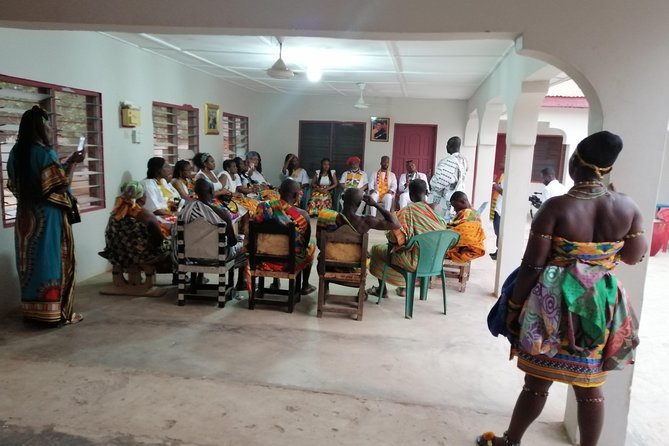
I would recommend this tour to you if you want a guided first look at Kumasi and prefer cultural context over a quick checklist of sights. It suits a small family group, friends traveling together, or anyone who wants a private day without strangers joining the vehicle.
It is especially useful for you if royal history interests you. Manhyia Palace Museum and Prempeh II Museum give the day a strong Ashanti focus, while the sword site adds a distinctive traditional story. Kejetia Market then prevents the experience from becoming museum-heavy.
You may want another option if you dislike long market walks, want a tightly timed six-hour itinerary, or prefer to choose each stop independently. The nine-hour upper estimate leaves room for a full day, and the three-hour market visit is a substantial commitment.
The tour also works well for you if you appreciate patient explanations. The strongest feedback praises detailed answers, comfort, itinerary planning, and a guide who gives personal attention. Confirm the guide’s identity and your pickup plan, then use the private setting to ask questions freely.
Should you book this Kumasi day tour?
I would book Ashanti History Tours if you want four connected views of Kumasi: royal authority at Manhyia Palace, tradition at the Okomfo Anokye Sword Site, another royal collection at Prempeh II Museum, and everyday commerce at Kejetia Market.
The $110 price is reasonable for a private outing with pickup and included admissions, particularly when shared by a small group. It is less compelling if you are alone and comfortable arranging transport and museum visits yourself.
Before paying, confirm the start time, pickup point, expected walking level, and whether your guide will be Samuel, Sam, Kofi, or someone else. If you can accept a long day and want a focused introduction to Ashanti culture, this is a practical choice with a good balance of formal history and ordinary city life.
FAQ
How much does Ashanti History Tours cost?
The tour costs $110 per person.
How long does the tour last?
The experience lasts approximately six to nine hours.
Is pickup offered?
Yes. Pickup is offered, though the specific pickup point should be confirmed when booking.
Is this a private tour?
Yes. Only your group participates in the activity.
Are admission tickets included?
Yes. Admission is included for Manhyia Palace Museum, the Okomfo Anokye Sword Site, and Prempeh II Museum.
How much time is spent at Kejetia Market?
The walking tour at Kejetia Market lasts about three hours.
Are service animals allowed?
Yes. Service animals are allowed.
What happens if I cancel?
You can receive a full refund if you cancel at least 24 hours before the experience starts. Cancellations or changes made less than 24 hours before the start time are not accepted for a refund. If poor weather causes the tour to be canceled, you will be offered another date or a full refund.
Just added in Kumasi
- Full Day Tour with Traditional Naming Ceremony in Kumasi★ 5.0 · 4 reviews
- Traditional Naming Ceremony For African Americans In Kumasi★ 5.0 · 5 reviews
- Kumasi kejetia central market tour & Traditional Local cooking food classs★ 4.5 · 2 reviews
- Kejetia Market Tour and Traditional Food Cooking Class.★ 5.0 · 2 reviews
- Kumasi City Tour★ 4.5 · 3 reviews
- Kumasi Culture and Heritage Tours★ 4.5 · 3 reviews
- Private Half-Day City Tour of Kumasi with Lunch★ 5.0 · 2 reviews
- Discover kumasi Tours★ 5.0 · 3 reviews
Kumasi Tours, compared.

Bonwire Namimg Ceremony and Kente Tourist Center
Read our review →

Traditional naming ceremony For African Diasporas in Kumasi
Read our review →

Lake Bosomtwe Boat Cruisely and Kumasi City Tours
Read our review →
Traditional Naming Ceremony For African Americans In Kumasi
Read our review →
Full Day Tour with Traditional Naming Ceremony in Kumasi
Read our review →Browse the lists this tour appears in