
REVIEW · KUMASI TOURS
Kumasi City Tour
Kumasi rewards curious visitors. This private tour links Asante royal sites, a huge market, local craft villages, and a reopened zoo, giving you a useful first look at Ghana’s cultural heart. I especially like the chance to meet local people and the way a guide can adjust the pace for families or add a second day. The main point to check is the schedule, since the advertised two-day plan lists the city sights and zoo but does not clearly assign times for Bonwire or Ntonso.
You pay about $51.29 per person, with lunch included and personal shopping extra. That is a fair price for a private outing with admission included at the listed stops, though the value depends on how much time your group receives at each site and whether the craft villages are part of your confirmed plan. The tour has a published rating of 4.7 from seven ratings, and guides named Kwame and Maclean receive especially warm praise for patience, communication, and care.
In This Review
- Five things to know before you go
- Why Kumasi deserves more than a quick stop
- Okomfo Anokye Sword Site: begin with the symbol of unity
- Prempeh II Museum: culture beyond the display cases
- Manhyia Palace Museum: meet the Asante royal past
- Kejetia Market: Kumasi at full volume
- Bonwire and Ntonso: the craft traditions to confirm
- Day 2 at Kumasi Zoo: a simple add-on with one key question
- The guides are a major part of the value
- Price, lunch, and what the $51.29 covers
- Who will enjoy this Kumasi tour most
- FAQ
- How long does the Kumasi City Tour last?
- What is the price?
- Is pickup offered?
- Is lunch included?
- Are attraction admission fees included?
- Are Bonwire and Ntonso included?
- Is this a private tour?
- What is the cancellation policy?
- Should you book the Kumasi City Tour?
Five things to know before you go
- Asante history comes first: The Okomfo Anokye Sword Site and two royal museums give context before you enter the market.
- Kejetia brings everyday Kumasi into view: Expect a traditional open market experience rather than a polished shopping center.
- Bonwire and Ntonso add hands-on culture: Kente weaving and Adinkra cloth stamping are listed among the tour highlights, but confirm their place in the two-day schedule.
- The tour is private: Only your group participates, so the guide may be able to shape the day around children, interests, and energy levels.
- The second day is brief on paper: Kumasi Zoo is the only listed stop for Day 2, and it has recently reopened.
- Lunch is included, shopping is not: Bring a separate budget if you plan to buy cloth, crafts, or market goods.
Why Kumasi deserves more than a quick stop
Accra often gets the first look from people arriving in Ghana. Kumasi gives you a different view, one tied closely to the Asante Kingdom, royal authority, symbols, textiles, and local trade. This tour is useful because it brings those subjects together instead of sending you to isolated sights with no connection between them.
I like the order of the main first day. You begin with an important Asante symbol, move into museums, and then see the present-day city at Kejetia Market. That progression helps you understand Kumasi as more than a collection of attractions. You first hear about unity and kingship, then see objects and royal figures, and finally watch commerce unfold around you.
The tour is private, which matters here. You are not locked into the rhythm of a large bus group. If your children need a shorter museum visit, or if you want more time for questions, a private guide can make that easier. One family specifically found the guide accommodating and able to keep children interested. A group traveling with 12 children and three adults also used the service during a wider Ghana trip.
More city tours in Kumasi:
- Tour Kumasi City Like a Local
★ 4.5 · 34 reviews - Kumasi City Tour
★ 5.0 · 8 reviews - Lake Bosomtwe Boat Cruisely and Kumasi City Tours
★ 4.5 · 6 reviews
Okomfo Anokye Sword Site: begin with the symbol of unity
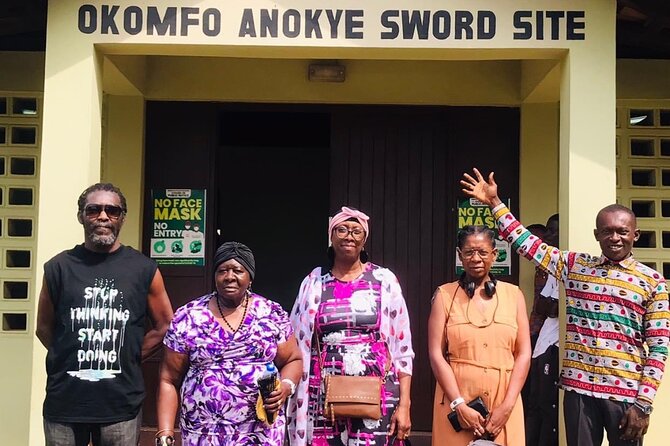
Your first stop is the Okomfo Anokye Sword Site, planned for about 45 minutes with admission included. The site recalls Okomfo Anokye, the legendary Asante priest who planted a sword said to represent unity in the Asante Kingdom.
This is a short visit, but it gives the day a clear starting point. Ask your guide to explain the story, the role of Okomfo Anokye, and why the sword matters in Asante tradition. The value here is not a long list of objects. It is the chance to begin with a symbol that helps frame the royal museums you visit next.
Keep your expectations sensible. Forty-five minutes is enough for an introduction, not an extended study of Asante history. If this story interests you, use the ride between stops to ask questions. The guide’s role is important, since the meaning of the site is easier to grasp with explanation than by simply looking at the sword location.
Prempeh II Museum: culture beyond the display cases
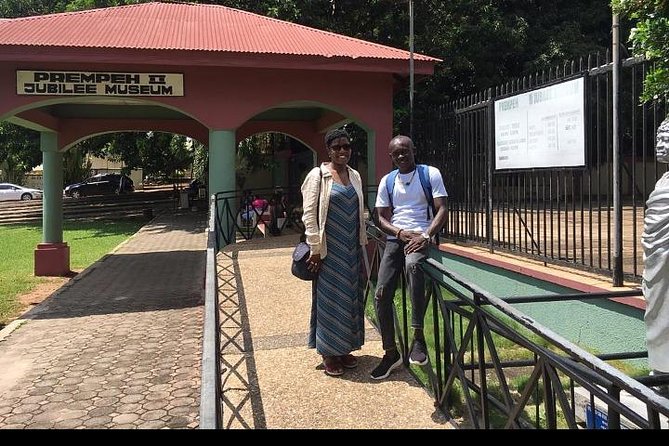
The next stop is the Prempeh II Museum, also scheduled for 45 minutes and included in the admission price. This is where you learn about Asante culture, traditions, and heritage.
I see this museum as a bridge between the sword site and Manhyia Palace. It should help you place royal objects and customs in a wider setting. You may find the visit most useful if you arrive with a few questions about Asante ceremonies, symbols, and the way heritage is preserved.
The short time limit has one benefit: the stop stays focused. It also means you should not expect a slow, detailed museum study. If you enjoy museums, tell your guide early. A private tour gives you a better chance of adjusting the pace, though the available schedule may still limit how long you spend inside.
Manhyia Palace Museum: meet the Asante royal past
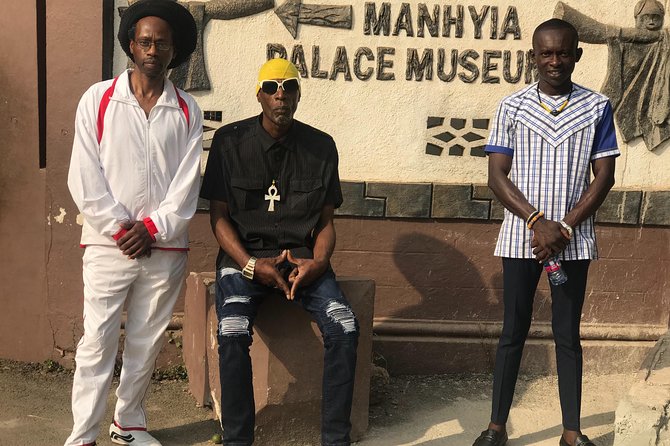
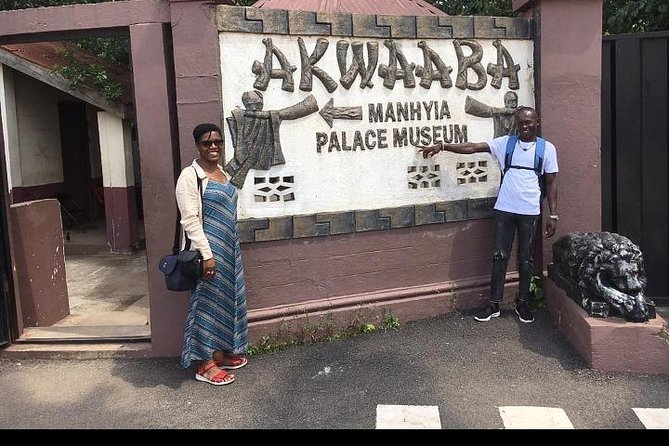
Manhyia Palace Museum is another 45-minute stop with admission included. Here you see statues of past Asante kings and queens who inherited the Golden Stool, one of the central symbols of Asante identity and authority.
This is likely the strongest stop for anyone interested in royal history. The statues give the past a human shape, while the setting connects the collection to the institution of the Asante monarchy. Listen closely to the names and roles of the kings and queens. You will get more from the visit if you treat it as a story about succession, leadership, and tradition rather than simply a room of figures.
Again, the schedule is brisk. Forty-five minutes can work well for a first visit, but it leaves little room for lingering. I would use this stop to clarify what you have already heard at the sword site and Prempeh II Museum. The three locations make more sense together than they do separately.
More things to do in Kumasi:
- Bonwire Namimg Ceremony and Kente Tourist Center
★ 5.0 · 40 reviews - Traditional naming ceremony For African Diasporas in Kumasi
★ 5.0 · 10 reviews - Traditional Naming Ceremony For African Americans In Kumasi
★ 5.0 · 5 reviews - Full Day Tour with Traditional Naming Ceremony in Kumasi
★ 5.0 · 4 reviews
Kejetia Market: Kumasi at full volume
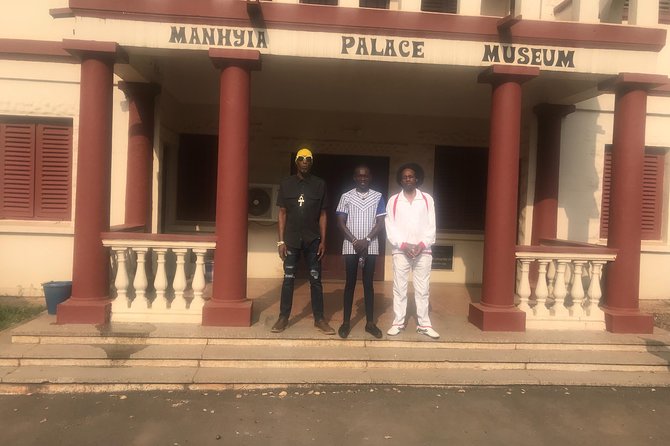
Kejetia Market is planned for about 45 minutes and is described as the largest open market in West Africa. It is traditional, colorful, and a sharp change from the quiet focus of the museums.
This is where the tour becomes less about formal history and more about daily life. You can see the scale of trade, watch local commerce, and interact with people in a setting that most short city visits miss. Your guide can help you move through the market with more confidence and explain what you are seeing.
The market may be the most memorable stop for some people, but it is also the one that requires the most awareness. Keep your belongings secure, stay close to your guide, and remember that personal shopping is not included. The tour price covers the planned admissions and lunch, not purchases.
Forty-five minutes gives you an introduction rather than a full market expedition. If you want time to shop or photograph particular goods, ask about that before the day begins. A private format may help, but the guide cannot make the market smaller or less crowded.
Bonwire and Ntonso: the craft traditions to confirm
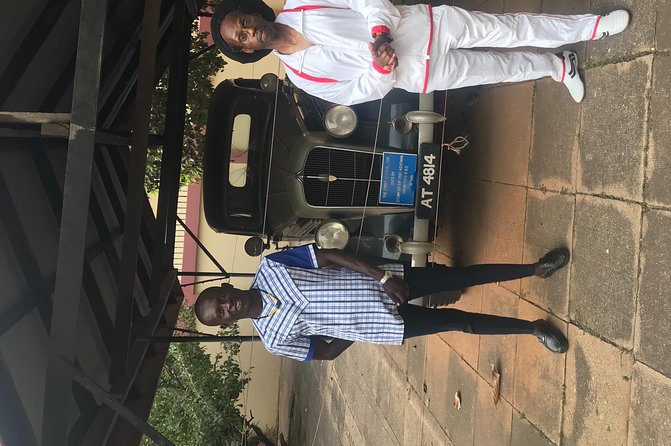
The tour highlights include Bonwire, known here for Kente weaving, and Ntonso, an Adinkra cloth stamping village. These two stops offer a different kind of cultural encounter. Instead of viewing finished objects in a museum, you can learn about traditional textile work and see how local crafts are made.
Bonwire is especially appealing if you want to understand Kente as more than a colorful souvenir. A weaving village can show the skill and labor behind the cloth. Ntonso adds Adinkra, a cloth tradition based on stamped symbols and designs. Together, the villages would give the tour a strong connection to living craft.
There is one practical issue: the detailed two-day schedule names the four first-day city stops and Kumasi Zoo on Day 2, but it does not give Bonwire or Ntonso their own time slots. Do not assume they are guaranteed in the same form described in the highlights. Ask Root Tour Ghana to confirm exactly which village visits are included, how long they last, and if they replace another stop.
Day 2 at Kumasi Zoo: a simple add-on with one key question
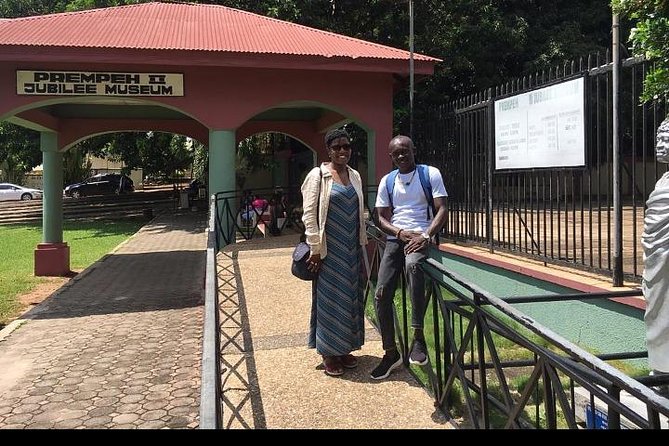
The second day lists Kumasi Zoo, with admission included and about 45 minutes planned. The zoo has reopened, so it may appeal to families or anyone who wants a lighter second day after the museums and market.
The short visit makes this feel more like an add-on than a full day of sightseeing. You should confirm current opening conditions and what is operating when you book, since reopening can mean that facilities or displays are still changing. The supplied information does not provide a longer Day 2 schedule.
For families, this stop may be a useful change of pace. One family found the guide good at keeping children engaged, and a private group can usually benefit from a flexible approach. If you are an adult focused mainly on Asante history, ask if the second day can include Bonwire, Ntonso, or another agreed activity instead, if available.
The guides are a major part of the value
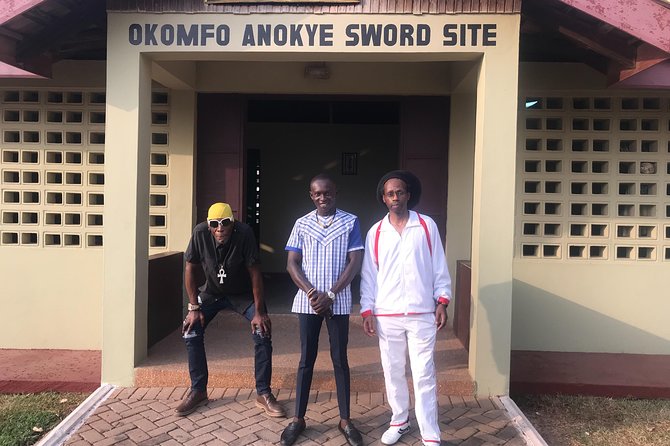
The strongest praise centers on the guides, particularly Kwame and Maclean. Kwame is described as patient and caring, while Maclean receives repeated praise for communication and for showing people places they did not expect to see. One person booked a second day after the first tour, including a separate visit connected with a fetish priest shrine.
That matters because Kumasi is not a city you understand fully by ticking off addresses. A guide can explain the difference between a royal museum and a living tradition, help you approach local interactions respectfully, and make a busy market less confusing. Maclean is also described as tailoring the tour to the group, which is useful if you are traveling with children or have a particular cultural interest.
The experience provider is Root Tour Ghana. The contact details supplied for Maclean include phone and WhatsApp number +233 247 304 270 and the email [email protected]. Use the booking channel provided to confirm your exact guide, pickup details, and whether the craft villages are included.
Price, lunch, and what the $51.29 covers
At $51.29 per person, this is a reasonably priced way to arrange a private introduction to Kumasi. The cost includes lunch and admission at the listed stops, which removes two common sources of small extra charges. Pickup is offered, another useful benefit in a city visit where transport between separate sites matters.
The price does not include personal shopping. Kejetia can tempt you with cloth and other goods, so plan a separate spending amount if buying is part of your plan. The tour is also priced per person, and the best value usually comes when you are sharing the private arrangement with family or friends.
Do not judge the value only by the number of stops. Four 45-minute visits on Day 1 create a full cultural introduction, but they leave little spare time. The second day, as currently described, is much lighter. Confirm the full plan before paying if you are expecting two equally full days.
The tour is booked, on average, 10 days ahead. That is a useful planning clue, especially if you want a particular guide or date. The stated operating information lists Monday and Tuesday from 5:30 AM to 8:00 PM, though those hours are unusually broad for a tour schedule. Confirm your actual pickup time directly.
Who will enjoy this Kumasi tour most
I would choose this tour if you want a guided first look at Asante culture without arranging every museum, market, and transfer yourself. It suits first-time visitors to Kumasi, families, small private groups, and anyone who prefers conversation and explanation over simply taking photographs.
It is also a good fit for people who want to see parts of Ghana that are easy to miss on a short visit. The royal museums provide formal history, while Kejetia, Bonwire, and Ntonso connect that history with present-day culture and craft.
You may want a different arrangement if you prefer slow museum visits, long shopping sessions, or a tightly specified two-day program. The listed schedule is quite compressed on the first day and quite light on the second. The craft villages are attractive additions, but you should confirm them rather than rely on the highlights alone.
Booking can be canceled for a full refund up to 24 hours before the experience begins. Cancellations or changes made inside 24 hours are not refunded or accepted, and poor weather may lead to a new date or full refund.
FAQ
How long does the Kumasi City Tour last?
The experience is described as lasting approximately two days. Day 1 includes four city stops, while Day 2 lists Kumasi Zoo.
What is the price?
The listed price is $51.29 per person.
Is pickup offered?
Yes, pickup is offered.
Is lunch included?
Yes, lunch is included.
Are attraction admission fees included?
Admission is listed as included for the Okomfo Anokye Sword Site, Prempeh II Museum, Manhyia Palace Museum, Kejetia Market, and Kumasi Zoo.
Are Bonwire and Ntonso included?
They are named among the tour highlights, but the detailed day-by-day schedule does not assign them specific times. Confirm their inclusion and timing before booking.
Is this a private tour?
Yes. Only your group participates.
What is the cancellation policy?
You can receive a full refund if you cancel at least 24 hours before the local start time. Cancellations or changes made less than 24 hours before the start are not refunded or accepted.
Should you book the Kumasi City Tour?
I would book it if you want an affordable, private introduction to Kumasi with royal museums, a major market, lunch, and a guide who can explain the places as you go. The best reasons to choose it are the cultural range and the flexibility associated with guides such as Kwame and Maclean.
Before booking, confirm three things: your pickup time, the exact Day 2 plan, and whether Bonwire and Ntonso are included. If those details match what you want, this tour offers a practical way to connect Asante history with the living culture of Kumasi.
Just added in Kumasi
- Full Day Tour with Traditional Naming Ceremony in Kumasi★ 5.0 · 4 reviews
- Traditional Naming Ceremony For African Americans In Kumasi★ 5.0 · 5 reviews
- Kumasi kejetia central market tour & Traditional Local cooking food classs★ 4.5 · 2 reviews
- Kejetia Market Tour and Traditional Food Cooking Class.★ 5.0 · 2 reviews
- Kumasi City Tour★ 4.5 · 3 reviews
- Kumasi Culture and Heritage Tours★ 4.5 · 3 reviews
- Private Half-Day City Tour of Kumasi with Lunch★ 5.0 · 2 reviews
- Discover kumasi Tours★ 5.0 · 3 reviews
Kumasi Tours, compared.

Bonwire Namimg Ceremony and Kente Tourist Center
Read our review →

Traditional naming ceremony For African Diasporas in Kumasi
Read our review →

Lake Bosomtwe Boat Cruisely and Kumasi City Tours
Read our review →
Traditional Naming Ceremony For African Americans In Kumasi
Read our review →
Full Day Tour with Traditional Naming Ceremony in Kumasi
Read our review →Browse the lists this tour appears in