
REVIEW · KUMASI TOURS
Tour Kumasi City Like a Local
Kumasi opens its doors slowly. This five to six-hour private tour links Ashanti royal history with ordinary city life, taking you from palace rooms and sacred sites to the vast Kejetia Market. I like the way the day covers both formal history and daily Ghanaian routines, and I like that lunch and entrance fees are included in the $80 price. The main thing to consider is transportation: you may move between stops by taxi, trotro, tuk-tuk, or on foot rather than in a dedicated tour vehicle.
The experience is led by Bilson Tours Gh, with Bilson receiving especially warm praise for his friendly manner, care, and ability to adjust the outing to the group. You can expect a private experience for your own party, though the walking and changing local transport may feel less polished than a standard coach tour.
In This Review
- Key points to know before booking
- Why this Kumasi tour works as a first introduction
- Manhyia Palace Museum and the Ashanti royal story
- Okomfo Anokye Sword Site and the founding story
- Prempeh II Museum and royal objects
- Kejetia Market, Kumasi’s enormous commercial center
- A local lunch, not just a restaurant stop
- The guide makes the private format worthwhile
- Transport, timing, and practical comfort
- Is $80 a fair price?
- Who should book this Kumasi experience?
- Should you book Tour Kumasi City Like a Local?
- FAQ
- How long does Tour Kumasi City Like a Local last?
- What is the price of the tour?
- Is hotel pickup available?
- What is included in the tour price?
- Are personal purchases at Kejetia Market included?
- Is this a private tour?
- Which main places does the tour visit?
- What is the cancellation policy?
Key points to know before booking
- Ashanti history in one compact route: Manhyia Palace Museum, Okomfo Anokye Sword Site, and Prempeh II Museum give you a strong introduction to Kumasi’s royal past.
- Kejetia is the day’s biggest sensory hit: The market has about 11,000 stalls and at least four times as many people working there.
- Lunch is included: You get a local meal as part of the experience, not as an extra expense.
- Bilson earns strong praise for personal care: He has helped visitors with walking, photography, local transport, and tailoring the day to their interests.
- Transport can feel improvised: Some outings use a mix of trotro, tuk-tuk, taxis, and walking, and one account noted that Bilson did not have a personal vehicle.
- The tour offers genuine local contact: You meet people, see everyday commerce, and move through Kumasi in a way that is less separated from city life.
Why this Kumasi tour works as a first introduction
Kumasi is Ghana’s second-largest city and the center of Ashanti culture. For a first visit, it helps to have someone connect the sites rather than seeing a palace, a museum, and a market as unrelated stops.
This tour gives you that basic framework. You spend about an hour at each of the four main locations, with transport and walking between them. The schedule is full but understandable, and the private format gives you more room to ask questions or adjust the pace than you would have on a large group outing.
I especially like the balance between royal history and present-day Kumasi. The first three stops focus on Ashanti power, belief, leadership, and material culture. Kejetia then shifts the story from kings and ceremonial objects to traders, shoppers, workers, and the practical rhythm of the city.
The tour has a 4.7 rating from 34 ratings, with several strong comments about Bilson’s character and care. That matters here. Kumasi is not a city you understand from a car window, and a friendly guide can make local transport, busy streets, and unfamiliar customs far easier to handle.
More city tours in Kumasi:
- Kumasi City Tour
★ 5.0 · 8 reviews - Kumasi City Tour
★ 4.5 · 7 reviews - Lake Bosomtwe Boat Cruisely and Kumasi City Tours
★ 4.5 · 6 reviews
Manhyia Palace Museum and the Ashanti royal story
The visit to Manhyia Palace Museum begins with a video about Ashanti history. This gives you a useful starting point before you enter the palace rooms and see original objects connected with the royal household.
The museum helps explain the importance of the Ashanti Empire and introduces major figures such as Yaa Asantewaa, remembered here as a war queen. You also hear about the current king and the significance of the royal stool, an important symbol in Ashanti political and cultural life.
You should allow the full hour for this stop. The value is not simply in seeing old rooms or objects. It is in learning how leadership, ceremony, and identity are tied together in Ashanti culture.
The museum is also close to the field where Akwasidae gatherings take place every six weeks. The event itself is not listed as part of the tour, so you should not expect to attend a ceremony on an ordinary visit. Still, the location gives useful context for the palace and the continuing role of traditional chiefs.
I would begin the tour ready to listen. The video and museum displays provide the foundation for the rest of the day, especially the next stop at the Okomfo Anokye Sword Site.
Okomfo Anokye Sword Site and the founding story
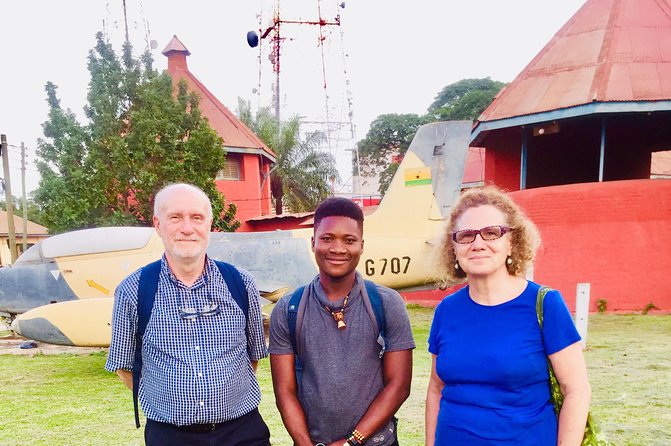
At the Okomfo Anokye Sword Site, the focus shifts from palace life to the origin story of the Ashanti nation. You learn about King Osei Tutu I, described here as the founder of the Ashanti Nation, and the descent of the Golden Stool into his lap.
The site is also linked to Okomfo Anokye, the chief priest who drove a sword into the ground. The sword is said to have remained there for almost 300 years despite attempts to remove it. The story includes an often repeated claim that even the boxer Muhammad Ali could not pull it free.
This is a short site with a large symbolic role. You are not visiting for a long list of physical displays. You are visiting to understand how spiritual authority, kingship, and the story of national unity meet in one place.
The guide’s explanation makes a real difference here. Without context, a sword fixed in the ground may seem like a quick photo stop. With the background, it becomes part of a larger Ashanti account of power and destiny.
Plan on about an hour, including the explanation and sightseeing. If you enjoy history told through oral tradition and local belief, this should be one of the more memorable parts of the route.
Prempeh II Museum and royal objects
The Prempeh II Museum is built to resemble an Ashanti chief’s house. That design helps you picture the setting in which royal objects were used, rather than viewing them as isolated pieces in a modern display case.
The collection includes items linked to King Prempeh II. You may see war attire, ceremonial clothing, jewelry, protective amulets, bathing and dining equipment, furniture, royal insignia, and gold weighing pieces.
This stop adds detail to the broader story introduced at Manhyia Palace. The palace explains the institution of Ashanti royalty. Prempeh II Museum brings you closer to the objects and routines connected with a particular king.
I like that the displays include both grand ceremonial items and ordinary personal equipment. Royal life was not only about public appearances. Dining, bathing, clothing, protection, and household furnishings also tell part of the story.
Another hour is set aside here. The pace should suit you if you enjoy museums and cultural history, but anyone hoping for a fast sightseeing circuit may find the three historical stops rather museum-heavy before the market visit.
More things to do in Kumasi:
- Bonwire Namimg Ceremony and Kente Tourist Center
★ 5.0 · 40 reviews - Traditional naming ceremony For African Diasporas in Kumasi
★ 5.0 · 10 reviews - Traditional Naming Ceremony For African Americans In Kumasi
★ 5.0 · 5 reviews - Full Day Tour with Traditional Naming Ceremony in Kumasi
★ 5.0 · 4 reviews
Kejetia Market, Kumasi’s enormous commercial center
Kejetia Market is where the tour changes gear. From the outside, its rusting roofs can look like an enormous circular settlement dropped into central Kumasi. Inside, the scale can be disorienting, but that is also what makes the place so compelling.
The market is often described as the largest in West Africa, with about 11,000 stalls and at least four times as many people working there. Those figures help explain why this is not a quick souvenir stop. Kejetia is a major part of daily city life.
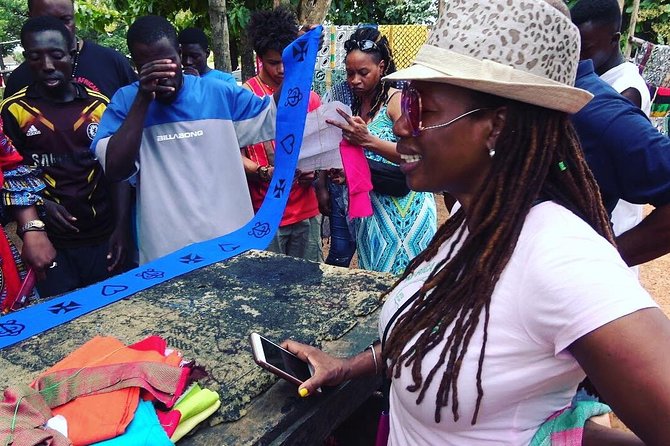
Your guide takes you around the market and helps you get your bearings. You may see the practical side of Kumasi that a standard historical tour misses: commerce, movement, negotiation, and the sheer concentration of people working in one place.
This is also the part of the tour where local transport and walking become most relevant. One outing included trotro, tuk-tuk, taxis, and walking between locations. That can make the day feel more like ordinary Kumasi life, but it can also be tiring and less predictable than riding in a private vehicle.
I would wear comfortable shoes and keep your personal purchases separate from the tour budget. Buying personal items is not included, and a market of this size can make it easy to spend more than planned.
The market is fascinating, but you should set your expectations correctly. This is not a quiet guided museum with a fixed display. It is an active commercial space, and your ability to hear every explanation may depend on the noise and movement around you. One visitor found the music at a local lunch venue too loud for easy conversation, so you may want to ask your guide to repeat anything important.
A local lunch, not just a restaurant stop
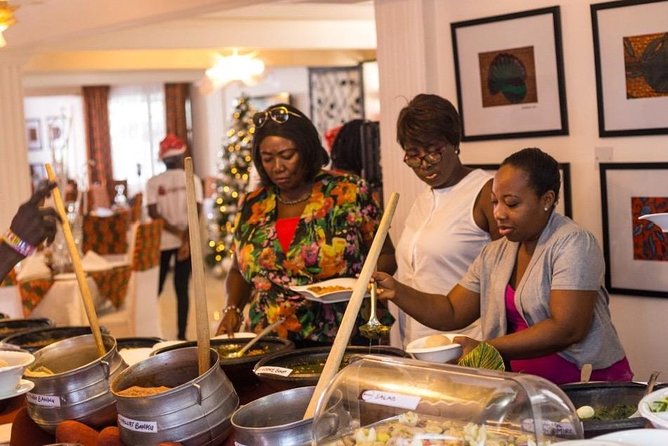
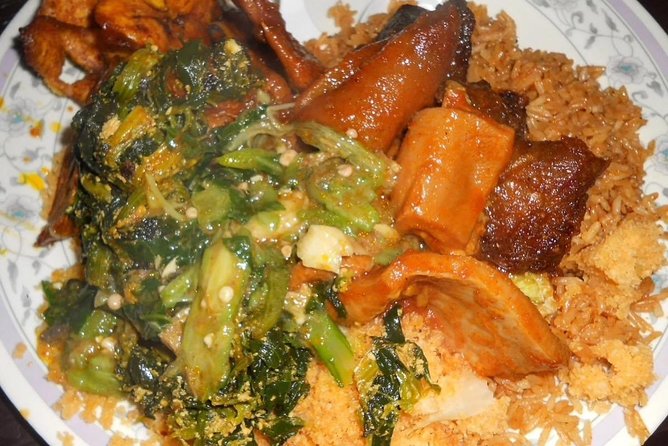
Lunch is included in the $80 price, and the aim is to give you a taste of Kumasi cuisine. That makes the meal part of the cultural experience rather than a break you have to arrange yourself.
The available information does not name the exact dishes or restaurant, so you should ask Bilson about the meal if you have dietary restrictions or strong preferences. The setting may be casual and local, and one account described the lunch as a very local experience with music that made conversation difficult.
I see this as a plus for anyone who wants everyday contact rather than a carefully staged tourist meal. The tradeoff is comfort and quiet. If you want a relaxed table where you can discuss every part of the tour, this may not be that kind of lunch.
The guide makes the private format worthwhile

Bilson is the central strength of the experience. His approach is described as friendly, caring, polite, and personal. He has helped visitors while walking, taken photographs at the market and historical sites, and adjusted the experience to suit individual interests.
That personal care is especially useful in Kumasi. You may need help understanding local transport, finding your way through Kejetia, or deciding how much time to spend at a particular site. A private guide can respond to your group instead of following a fixed script for a busload of people.
Bilson has also helped visitors explore Kente villages farther outside Kumasi. That extension is not listed as part of this standard five to six-hour route, so you should ask in advance if you want to add it. Do not assume the extra visit is included in the $80 price.
The praise is not universal in every detail. One account found the tour friendly and pleasant but wanted more explanation about the inner workings of the market and local life. That is useful guidance: if you want detailed market interpretation, ask direct questions and tell Bilson what interests you before the day begins.
Transport, timing, and practical comfort
Pickup is offered, and confirmation is provided when you book. The tour is near public transportation, and most people can participate.
The important practical point is that transportation may not mean a dedicated tour van. One outing used several types of local transport, including trotro, tuk-tuk, taxis, and walking. Another account noted that the guide did not have a personal vehicle, and the transportation arrangement was a source of disappointment.
For some people, this is part of the appeal. You get closer to everyday movement in Kumasi, and the city feels less filtered. For others, it may feel like a trekking city tour, especially when combined with the market and museum walking.
I would ask three questions before booking:
- What vehicle or transport will be used between each stop?
- How much walking is expected?
- Can the pace be adjusted for older members of your group?
The tour is private, so you have a better chance of getting clear answers and requesting small adjustments. Still, the route covers four major stops in five to six hours, so it is not a slow, leisurely day.
Is $80 a fair price?
At $80 per person, the price includes transportation, entrance fees, lunch, and guide service. That is a reasonable package if you want the day arranged for you and value having a local person explain the sites.
The private format adds value. You are not simply paying for admission to three museums and a market. You are paying for a person to connect the Ashanti story, help you move around town, and make the city easier to approach.
The value is strongest for first-time visitors, families, older relatives who want help getting around, and anyone who does not want to negotiate each taxi or admission fee alone. It is less compelling if you prefer to explore independently, already know Kumasi well, or want a luxury vehicle and polished tour logistics.
Personal purchases are not included. Keep extra money available if you want to buy items at Kejetia or elsewhere.
Who should book this Kumasi experience?
I would recommend it to you if you want a broad first look at Kumasi in one day. The route covers royal history, sacred tradition, museum objects, local food, and a major market. That range gives you a useful base for exploring more of Ashanti culture later.
It is also a good match for visitors who value conversation with a guide. Bilson’s strengths are his warmth, flexibility, photography, and care with individual needs.
You may want another option if your priority is a private air-conditioned vehicle, quiet meals, very detailed market commentary, or a slow museum visit. The route is active, and the transport can be informal.
Book at least 24 hours ahead if you need the free cancellation option. Cancellation at least 24 hours before the start time qualifies for a full refund. Changes or cancellations within 24 hours are not accepted for a refund, and poor weather may lead to a new date or a full refund.
Should you book Tour Kumasi City Like a Local?
Book it if you want history and everyday Kumasi together. The Manhyia Palace Museum, Okomfo Anokye Sword Site, and Prempeh II Museum give the day structure, while Kejetia Market and local lunch bring you into present-day city life.
The strongest reason to choose it is Bilson’s personal approach. The main caution is transport. Confirm how your group will move around, prepare for walking, and ask for extra market explanation if that matters to you.
For $80, the package is good value for a private introduction to Kumasi, provided you accept local transport and a less polished style. If that sounds like part of the adventure rather than a problem, this tour is a practical way to begin.
FAQ
How long does Tour Kumasi City Like a Local last?
The tour lasts approximately five to six hours.
What is the price of the tour?
The price is $80 per person.
Is hotel pickup available?
Pickup is offered as part of the experience.
What is included in the tour price?
Transportation, entrance fees, lunch featuring local food, and tour guide service are included.
Are personal purchases at Kejetia Market included?
No. Items you choose to buy for yourself are not included in the tour price.
Is this a private tour?
Yes. This is a private activity, and only your group participates.
Which main places does the tour visit?
The route includes Manhyia Palace Museum, Okomfo Anokye Sword Site, Prempeh II Museum, and Kejetia Market.
What is the cancellation policy?
You can cancel at least 24 hours before the start time for a full refund. Cancellations or changes made within 24 hours are not accepted for a refund. If poor weather causes the tour to be canceled, you will be offered another date or a full refund.
Just added in Kumasi
- Full Day Tour with Traditional Naming Ceremony in Kumasi★ 5.0 · 4 reviews
- Traditional Naming Ceremony For African Americans In Kumasi★ 5.0 · 5 reviews
- Kumasi kejetia central market tour & Traditional Local cooking food classs★ 4.5 · 2 reviews
- Kejetia Market Tour and Traditional Food Cooking Class.★ 5.0 · 2 reviews
- Kumasi City Tour★ 4.5 · 3 reviews
- Kumasi Culture and Heritage Tours★ 4.5 · 3 reviews
- Private Half-Day City Tour of Kumasi with Lunch★ 5.0 · 2 reviews
- Discover kumasi Tours★ 5.0 · 3 reviews
Kumasi Tours, compared.

Bonwire Namimg Ceremony and Kente Tourist Center
Read our review →
Traditional naming ceremony For African Diasporas in Kumasi
Read our review →

Lake Bosomtwe Boat Cruisely and Kumasi City Tours
Read our review →
Traditional Naming Ceremony For African Americans In Kumasi
Read our review →
Full Day Tour with Traditional Naming Ceremony in Kumasi
Read our review →Browse the lists this tour appears in