
REVIEW · KUMASI TOURS
Discover kumasi Tours
Kumasi tells the Ashanti story well. This private, 8 to 9-hour tour links royal history, sacred tradition, kente weaving, and Adinkra symbols in one well-packed day. I like the private transport and the fact that entrance fees are included, so you can focus on the experience instead of sorting out each stop. I also like the chance to meet craftspeople in Bonwire and Ntonso, not just look at displays behind glass. The main consideration is the pace: four major stops over a full day can feel busy, especially with lunch and road time included.
The tour costs $129 per person, which is fair if you value a private vehicle, pickup, guide service, and admission at every listed site. Guide Emmanuella has been praised for her care and attention, while Sam earned strong marks for explaining Asante culture clearly. Lunch is extra, normally $5 to $8, so budget for that small additional cost.
In This Review
- Key points to know before you book
- Why this Kumasi day tour works
- Manhyia Palace Museum and the Asante royal story
- The Okomfo Anokye Sword Site and a story of unity
- Bonwire Kente Weaving Centre, where cloth carries meaning
- Ntonso Adinkra craftsmen and the language of symbols
- What the $129 price includes
- Guides, comfort, and the private format
- Booking and cancellation details
- Who will enjoy this experience most
- Should you book the Kumasi tour?
- FAQ
- How long does the Kumasi tour last?
- How much does the tour cost?
- Is pickup available?
- Is this a private tour?
- What is included in the tour price?
- Is lunch included?
- Can I cancel for a full refund?
Key points to know before you book

- Four major Kumasi-area stops cover royal power, spiritual tradition, weaving, and symbolic art.
- Manhyia Palace Museum gives the day its political and royal foundation.
- The Okomfo Anokye Sword Site connects an old sacred story with Asante unity.
- Bonwire and Ntonso offer hands-on cultural context through kente and Adinkra craft.
- Private transportation and pickup make the long day easier to manage.
- Lunch is not included, but the stated cost is usually only $5 to $8.
Why this Kumasi day tour works
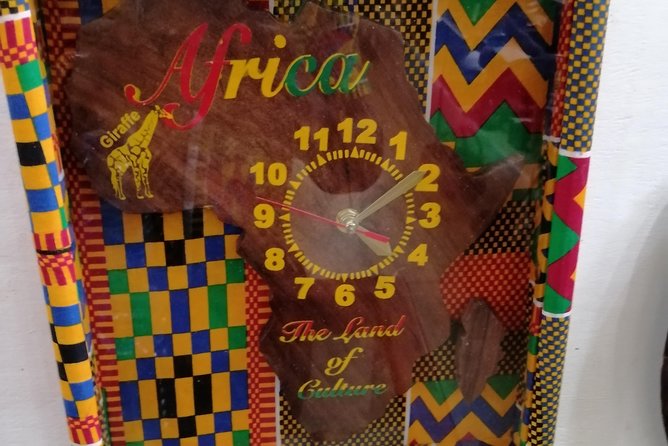
Kumasi is a strong choice if you want to understand Ghana through the Asante kingdom. This tour does not limit itself to one museum. Instead, it moves through places that explain how authority, belief, identity, and craft fit together.
The order also makes sense. You begin with the royal center at Manhyia Palace, then visit a sacred site tied to Asante unity. After that, you see how cultural knowledge is carried through cloth and symbols at Bonwire and Ntonso.
I like that balance. A palace alone can leave you with names and dates. A craft village alone can feel like a shopping stop. Put together, these four places give you a more useful picture of Asante culture.
You should expect a full day of about eight to nine hours. Since this is a private activity, only your group takes part. That gives you more control than a large group tour, and you can ask questions without competing with a crowd for the guide’s attention.
Pickup is offered, and private transportation is included. Those details matter in Kumasi, where moving between several cultural sites could otherwise take extra planning. The tour also uses a mobile ticket and includes entrance fees, so you are not left calculating admission charges at every stop.
More things to do in Kumasi:
- Bonwire Namimg Ceremony and Kente Tourist Center
★ 5.0 · 40 reviews - Tour Kumasi City Like a Local
★ 4.5 · 34 reviews - Traditional naming ceremony For African Diasporas in Kumasi
★ 5.0 · 10 reviews
Manhyia Palace Museum and the Asante royal story
The first stop is Manhyia Palace Museum, with about one hour set aside for the visit. Manhyia Palace is connected with the Kingdom of Asante and serves as a residence for the Asante king, as well as a museum site.
This is the right place to begin because it puts the rest of the day into context. Before you examine cloth patterns or traditional symbols, you get an introduction to the royal institution that shaped Asante public life.
I would pay close attention to the guide here. The museum can provide objects and setting, but the explanation helps connect them to the wider story of the kingdom. Sam has been praised for giving clear answers about Asante culture and history, so a guide with that style can make this opening stop much more useful.
The one-hour visit is enough for an introduction, but it is not a long museum session. If you enjoy reading every label or studying each object slowly, you may find the time a little tight. For most people, though, the short visit helps keep the whole day moving.
The Okomfo Anokye Sword Site and a story of unity
Next comes the Okomfo Anokye Sword Site, where you spend about 40 minutes. The site is linked to Okomfo Anokye, a priest who planted a sword more than 350 years ago.
The important point is not simply that the sword has remained in place. The tradition says it was not planted as a challenge, but as a symbol of togetherness within Asante society. That gives the stop a clear purpose: it is about shared identity as much as it is about an unusual physical object.
Forty minutes is a short visit, but probably a suitable one for a single landmark and its explanation. You will want to listen carefully because the meaning of the site matters more than the amount of time spent looking at it.
This stop also adds a spiritual layer to the palace visit. Manhyia helps explain royal authority. The sword site shows how belief and unity are woven into the story of the Asante people. That contrast makes the day more than a sequence of unrelated attractions.
Bonwire Kente Weaving Centre, where cloth carries meaning
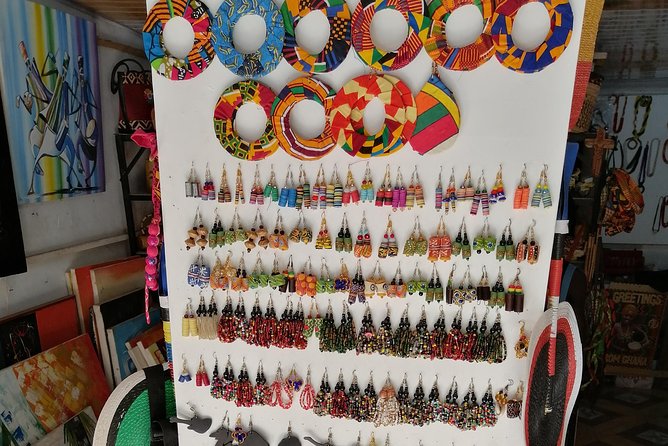
The longest stop is Bonwire, with about two hours at the kente weaving centre. Bonwire is identified as the village where kente was found, and the purpose of the visit is to see how people weave it.
This is the part of the day where you move from historical sites to living craft. You can watch the process and gain a better sense of the work behind a finished piece of cloth. Two hours gives this stop room to breathe, which is useful because weaving is a process rather than a single object you can understand in five minutes.
I like this inclusion because it gives you something to see and something to discuss. A guide can explain what you are looking at, while the weavers show the practical side of the tradition.
Bonwire is also likely to be the stop where shopping becomes part of the experience, although the supplied details do not promise purchases or specify prices. If you are interested in buying kente, ask questions before committing to anything. The tour includes admission and transportation, but it does not state that purchases are included.
The two-hour allocation may be especially valuable for anyone interested in textiles, design, or traditional work. If your group has little interest in weaving, it may feel like the longest section of the day. That is the tradeoff in a tour that gives craft the same importance as royal and religious sites.
A completely different kind of day:
- Kumasi City Tour
★ 5.0 · 8 reviews - Kumasi City Tour
★ 4.5 · 7 reviews - Lake Bosomtwe Boat Cruisely and Kumasi City Tours
★ 4.5 · 6 reviews - Traditional Naming Ceremony For African Americans In Kumasi
★ 5.0 · 5 reviews
Ntonso Adinkra craftsmen and the language of symbols
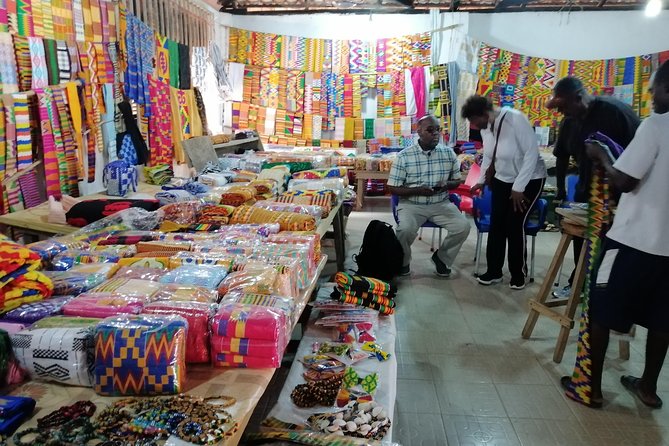
The final listed stop is Ntonso, where you spend about one hour with Adinkra craftsmen. The village is known here for explaining traditional symbols and their meanings.
This stop works well after Bonwire. At Bonwire, you learn how cloth is woven. At Ntonso, you learn how symbols can communicate ideas through traditional design. Together, the two villages show that Ghanaian textiles are not simply decorative.
I would use this hour to ask the guide about the symbols that interest you most. The details provided do not specify which individual symbols you will see, so it is best to treat the visit as an introduction rather than expect a set presentation.
Ntonso also gives the day a strong finish. You end with a cultural tradition that remains tied to craft and communication. After the palace and sword site, the focus shifts toward how people express values through objects and patterns.
As at Bonwire, the information does not guarantee that shopping is part of the tour, nor does it list the cost of any crafts. You should consider the included visit and any personal purchases as separate matters.
What the $129 price includes
At $129 per person, the value depends mainly on how much you would otherwise pay for transport, admissions, and a full day of private guiding. The package includes private transportation, all fees and taxes, and entrance fees to the tourist sites.
That is a useful bundle. Four admissions can add up, and private transportation removes the need to arrange separate rides between Kumasi’s cultural stops. You also get pickup, which makes the day simpler if you are staying in the service area.
The price is easier to justify for a small group. Since only your party participates, the cost buys privacy as well as transport. You can ask more questions, keep the discussion focused on your interests, and avoid being grouped with strangers.
Lunch is the main extra. It normally costs $5 to $8, so it is not a serious budget shock, but you should remember that the advertised price is not the complete cost of the day. The tour lasts long enough that lunch is a practical necessity, not an optional luxury.
I would call the price reasonable for someone who wants a structured cultural day without arranging separate tickets and transportation. It may be less attractive if you already have a driver, prefer independent visits, or want to spend a long time at only one site.
Guides, comfort, and the private format
The guide can shape this experience more than any single building. Sam has been praised for his clear explanations of Asante culture and history, along with his friendly manner. Emmanuella has also received warm praise, especially for checking that a participant was comfortable and enjoying the day.
That personal attention matters on a long tour. Eight to nine hours is a substantial stretch, and a caring guide can make the difference between a tiring schedule and a pleasant one. Emmanuella’s habit of asking if everything was okay suggests the kind of attentive service many people want from a private tour.
No guide can remove the need for a little stamina, though. You are visiting four places in one day, with transportation and lunch fitting around them. If you prefer slow museum visits, long breaks, or unplanned wandering, this format may feel too organized.
The tour is suitable for most people, and service animals are allowed. It is also near public transportation, although private pickup is offered. The available information does not give specific details about vehicle type, walking distances, or accessibility at each site, so you should ask the provider if those details matter for your group.
Booking and cancellation details
Confirmation is provided at the time of booking, and the experience uses a mobile ticket. The tour is often booked 51 days in advance on average, which suggests that planning ahead is sensible if your Ghana schedule is fixed.
You can cancel for a full refund up to 24 hours before the local start time. Cancellations or changes made less than 24 hours before the start time are not accepted for a refund.
The experience depends on good weather. If poor weather causes cancellation, you will be offered a different date or a full refund. That policy gives you a reasonable safety net, but it is still wise to avoid placing the tour on the only available day of a tightly packed itinerary.
Who will enjoy this experience most
I would recommend this tour to you if you want a broad introduction to Kumasi and the Asante world in one day. It suits first-time visitors who want cultural context, families who prefer a private vehicle, and anyone who values a guide who can explain what they are seeing.
It is also a good fit if you want to connect major institutions with working traditions. The palace and sword site provide the historical and spiritual frame, while Bonwire and Ntonso show how ideas continue through cloth, symbols, and craft.
You may want a different plan if your priority is independent exploration, nightlife, extended shopping, or a single specialized subject. The schedule is full, and the tour is designed to cover several important sites rather than let you linger in one place for most of the day.
If you are unsure, consider your ideal travel day. If you want someone else to handle the vehicle, admissions, and structure, this is a practical choice. If you want maximum flexibility, private transport without a fixed cultural route might suit you better.
Should you book the Kumasi tour?
Book it if you want a private cultural overview of Kumasi with royal history, sacred tradition, kente weaving, and Adinkra symbols all in one day. The strongest reasons are the included admissions, private transport, and the chance to ask questions directly to a guide such as Sam or Emmanuella.
Think carefully if you dislike full schedules or prefer to arrange lunch and visits independently. At $129, plus about $5 to $8 for lunch, the tour offers good value for a ready-made day of sightseeing, especially for a small group. It is a sensible introduction to the Asante story, with enough variety to make the long day worthwhile.
FAQ
How long does the Kumasi tour last?
The tour lasts approximately 8 to 9 hours.
How much does the tour cost?
The stated price is $129 per person.
Is pickup available?
Yes, pickup is offered.
Is this a private tour?
Yes. Only your group participates in the activity.
What is included in the tour price?
Private transportation, all fees and taxes, and entrance fees to the tourist sites are included.
Is lunch included?
No. Lunch is not included and normally costs $5 to $8.
Can I cancel for a full refund?
Yes, if you cancel at least 24 hours before the experience’s local start time. If poor weather causes the experience to be canceled, you will be offered another date or a full refund.
Just added in Kumasi
- Full Day Tour with Traditional Naming Ceremony in Kumasi★ 5.0 · 4 reviews
- Traditional Naming Ceremony For African Americans In Kumasi★ 5.0 · 5 reviews
- Kumasi kejetia central market tour & Traditional Local cooking food classs★ 4.5 · 2 reviews
- Kejetia Market Tour and Traditional Food Cooking Class.★ 5.0 · 2 reviews
- Kumasi City Tour★ 4.5 · 3 reviews
- Kumasi Culture and Heritage Tours★ 4.5 · 3 reviews
- Private Half-Day City Tour of Kumasi with Lunch★ 5.0 · 2 reviews
- Ashanti History Tours★ 5.0 · 2 reviews
Kumasi Tours, compared.

Bonwire Namimg Ceremony and Kente Tourist Center
Read our review →

Traditional naming ceremony For African Diasporas in Kumasi
Read our review →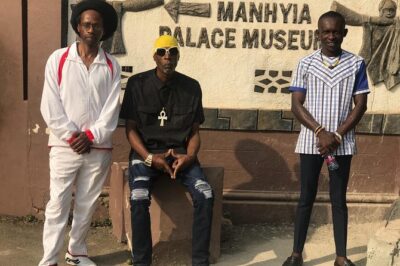

Lake Bosomtwe Boat Cruisely and Kumasi City Tours
Read our review →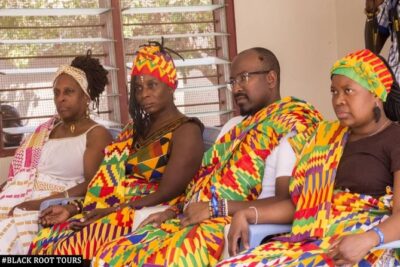
Traditional Naming Ceremony For African Americans In Kumasi
Read our review →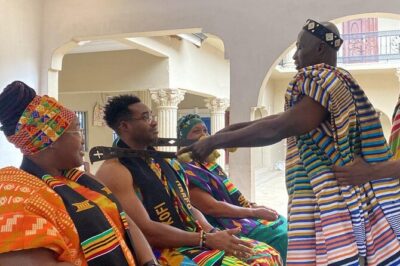
Full Day Tour with Traditional Naming Ceremony in Kumasi
Read our review →Browse the lists this tour appears in