
REVIEW · KUMASI TOURS
Kumasi: City Tour
Kumasi rewards curious eyes. This five-hour private tour brings you into Kejetia Market and the heart of Asante culture, with time at Manhyia Palace, the Okomfo Anokye Sword Site, and the Cultural Center. I like the strong mix of daily life and royal history, and I like that entry tickets are included. The main consideration is pace: five hours covers a lot, and walking through the market may feel tiring if you prefer a slower day.
I also like the personal guide service. Ibrahim has been praised for his friendly manner and strong grasp of the city, while Prussia was described as upbeat and accommodating. You will need comfortable shoes, water, and some energy, since this is not a sit-back-and-watch outing. People with mobility impairments and pregnant women may find the route unsuitable.
In This Review
- Key points before you book
- Starting at Manhyia Palace in Kumasi
- Walking into Kejetia Market and central Kumasi
- The Okomfo Anokye Sword Site and its mystery
- Art and local making at the Cultural Center
- Prempeh Museum and older Asante ways of life
- What the private format adds
- Is $70 good value for five hours?
- Timing, comfort, and what to bring
- Who will enjoy this Kumasi city tour?
- Should you book this tour?
- FAQ
- Where does the Kumasi city tour begin?
- How long does the tour last?
- What language is the tour conducted in?
- Is the tour private?
- What does the $70 price include?
- Can I cancel the tour for a refund?
Key points before you book
- Kejetia Market puts you inside everyday Kumasi: Walk through one of West Africa’s largest open markets and continue into the central business area.
- Manhyia Palace explains the Asante kingdom: This is the tour’s best starting point for understanding Kumasi’s royal role.
- The Okomfo Anokye Sword Site adds mystery: Your guide explains the story and meaning attached to the sword.
- The Cultural Center supports local craft: You can admire work made by local artisans rather than seeing only formal museum displays.
- Prempeh Museum brings the past closer: The final stop focuses on older Asante customs and ways of life.
- Private guiding makes the five hours flexible: The English-speaking guide can answer questions and help connect each stop.
Starting at Manhyia Palace in Kumasi
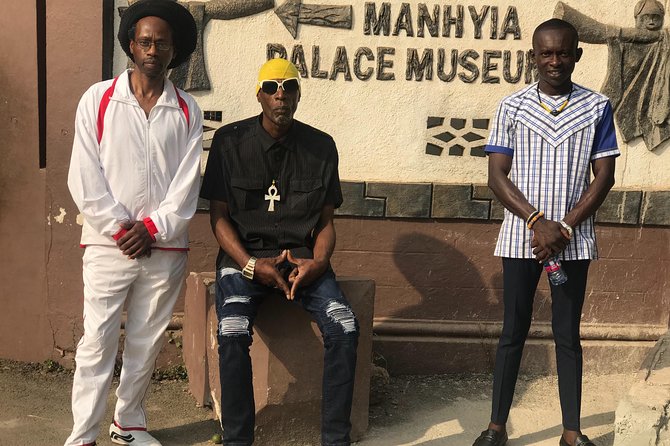
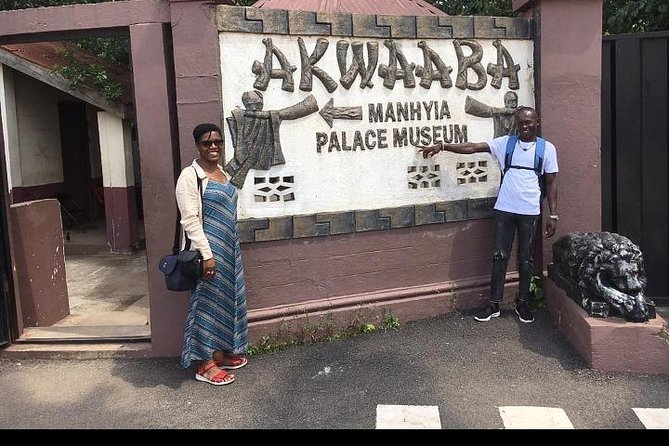
The tour begins at Manhyia Palace, or you can arrange pickup from your destination if that option is confirmed when booking. The palace is the seat of the Asante kingdom, so it gives you useful context before you enter the market streets.
That order matters. Kumasi can feel like a rush of movement, trade, noise, and people. Learning first about the kingdom that shaped the city gives the later stops a clearer frame. You are not simply walking from one attraction to another. You are moving through a city where royal tradition, commerce, religion, art, and modern daily life sit close together.
Your guide speaks English and leads the tour as a private group. That is useful at a place like Manhyia Palace, where you may want to pause over details about the Asante kingdom rather than follow a fixed group schedule. The guide can also help explain terms and customs that may otherwise pass too quickly.
The palace is not presented as a quick photo stop. It is the seat of Asante authority, and the visit introduces the political and cultural importance of Kumasi. If you know little about the Asante kingdom, pay close attention here. It will make the sword site and Prempeh Museum easier to understand later.
More city tours in Kumasi:
- Tour Kumasi City Like a Local
★ 4.5 · 34 reviews - Kumasi City Tour
★ 5.0 · 8 reviews - Kumasi City Tour
★ 4.5 · 7 reviews
Walking into Kejetia Market and central Kumasi
From the palace, you walk through Kejetia Market and the central business area. This is the most immediate part of the tour, because you are not looking at Kumasi from behind a vehicle window. You are moving through a working market.
Kejetia is described as the biggest open market in West Africa. That size is part of the appeal, but it also tells you what to expect: a busy place, a lot to see, and no shortage of sensory detail. The market is not a polished attraction designed only for sightseeing. It is a place of trade and daily business.
I would treat this section as a chance to watch how Kumasi functions. Look at the rhythm of buying, selling, carrying, and moving through the central area. Your guide helps turn the market from a confusing maze into a readable part of the city. Ask questions as you walk, especially if you want to understand how the market connects with Kumasi’s wider role as a commercial center.
The drawback is that market walking can be demanding. You should bring water and wear shoes that are comfortable for several hours on your feet. Keep your belongings secure and follow the guide’s advice in crowded areas. The tour data does not promise a shopping session, so think of this stop mainly as a cultural and city experience rather than a chance to browse at leisure.
The market section also affects the day’s pace. Manhyia Palace, Kejetia, the sword site, the Cultural Center, and Prempeh Museum all fit into five hours. You will see a broad selection of Kumasi, but you should not expect long, unhurried time at every stop.
The Okomfo Anokye Sword Site and its mystery
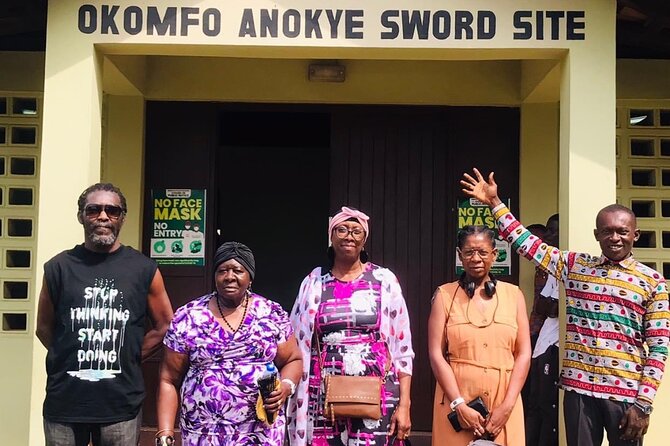
The next stop is the Okomfo Anokye Sword Site, where the guide explains the mystery linked to the sword. The wording is part of the attraction. This is not simply a display of an old object. The site connects belief, authority, and the traditional story of Okomfo Anokye.
For you, the value lies in hearing the explanation on location. A guide can give the sword’s story a local setting and help distinguish cultural meaning from the kind of quick legend you might read in a few lines online. Listen for how the site relates to the Asante kingdom and to the spiritual side of Asante tradition.
This stop adds variety to the tour. After the market’s practical energy, the sword site asks you to slow down and consider a different part of Kumasi’s identity. The city is not only a place of shops and traffic. Its story also includes sacred traditions and symbols of power.
The supplied details do not specify how much time you spend at the site or what access looks like on the day. That makes your guide especially important. Stay close, ask for clarification, and allow the explanation to lead the visit instead of expecting a large attraction with many separate displays.
Art and local making at the Cultural Center
The Cultural Center gives the tour a creative pause. Here, you can admire art works and crafts by local artisans. This is a useful contrast with the royal and historical stops, because it shows culture as something still made and practiced, not only something preserved behind glass.
You may find this section especially appealing if you want to support local creative work or bring home a piece connected to Ghanaian culture. Still, the information provided does not state that purchases are included, so plan to admire the work unless your guide explains buying options on the day.
The Cultural Center also helps break up the walking route. After the market and sword site, art provides another way to understand Kumasi. Instead of learning only through dates and royal stories, you see how local makers express ideas through objects and design.
I would ask your guide to explain which pieces reflect older Asante traditions and which are contemporary works. That question can help you look past simple souvenirs and notice the link between history and present-day craft.
More things to do in Kumasi:
- Bonwire Namimg Ceremony and Kente Tourist Center
★ 5.0 · 40 reviews - Traditional naming ceremony For African Diasporas in Kumasi
★ 5.0 · 10 reviews - Lake Bosomtwe Boat Cruisely and Kumasi City Tours
★ 4.5 · 6 reviews - Traditional Naming Ceremony For African Americans In Kumasi
★ 5.0 · 5 reviews
Prempeh Museum and older Asante ways of life
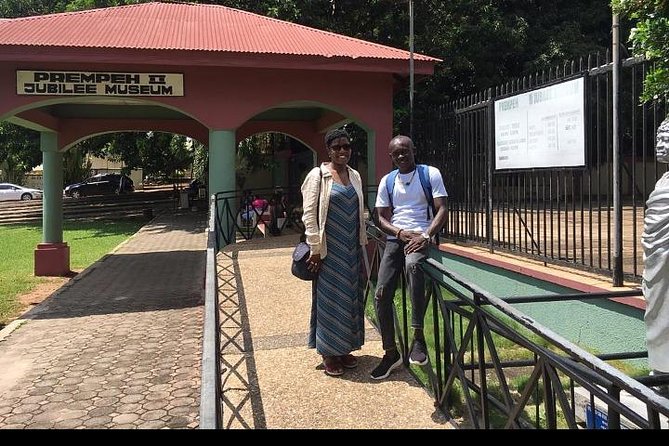
The final stop is the Prempeh Museum, where you learn about the ancient ways of the Asante kingdom and how people lived. Ending here gives the tour a quieter historical note after the market and Cultural Center.
The museum is valuable because it turns broad history into human detail. A palace can explain royal authority, while a museum can show how customs, objects, and daily life fit together. The supplied description does not list individual exhibits, so your guide’s explanation will shape much of what you take away.
This is also where the full route comes together. Manhyia Palace introduces the kingdom’s leadership. Kejetia shows the living city. The sword site brings in traditional belief. The Cultural Center presents local artistic work. Prempeh Museum then gives you a closer look at older Asante life.
Do not rush the final stop simply because it comes at the end of a busy morning or afternoon. If you have a question from the palace or sword site, this is a good place to raise it. The private format gives you more room to connect the pieces than a large group tour usually allows.
What the private format adds
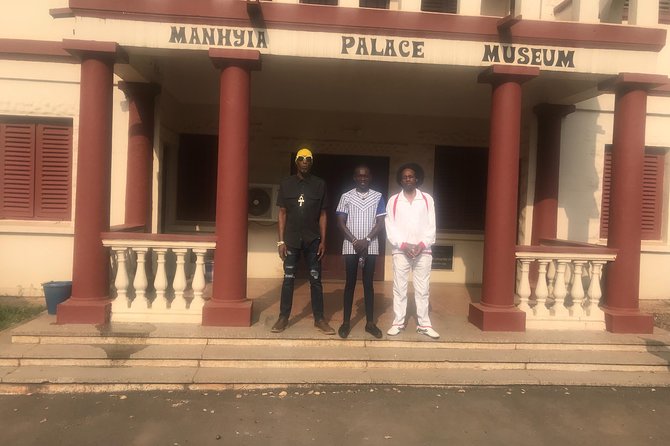
The tour is for a private group, with an English-speaking live guide. That is one of its strongest features. Kumasi’s sights are more rewarding when you can ask why a place matters instead of only hearing a standard speech.
Two guide names connected with especially positive experiences are Ibrahim and Prussia. Ibrahim was praised for being friendly and well informed, while Prussia was described as upbeat and accommodating. Guide quality can vary by date, but these comments point to the kind of service you should hope for: clear explanations, patience, and a pleasant manner.
A private tour may also help with the practical side of the route. The market can be confusing, and the five-hour schedule requires some coordination. Your guide can keep the day moving and help you understand how the stops connect.
The private format does not mean the tour is physically easy. You still walk through the market and central business area, and the full route includes several stops. If you need frequent seating or have difficulty walking, this may not be the right choice.
Is $70 good value for five hours?
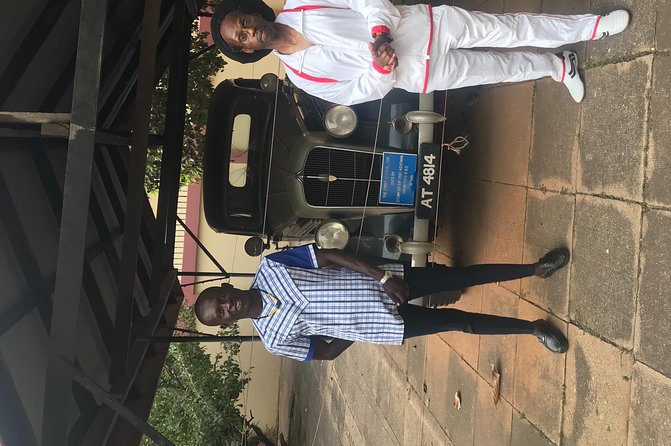
The price is $70 per person, with entry tickets to all sites and taxes included. Food and drinks are not included, and hotel pickup is not included in the listed package. You should confirm the meeting arrangement if you do not want to start at Manhyia Palace.
For the money, the tour offers more than a single museum visit. You receive a private guide, access to several major cultural sites, a market walk, and a focused introduction to Kumasi and the Asante kingdom. That combination gives the price reasonable value, especially if you want structure and context rather than arranging each stop yourself.
The value is strongest for a first visit to Kumasi. You can cover several important places in one half-day and get a basic framework for exploring more on your own. It is less compelling if you already know the city well or prefer to spend a whole day in one market, museum, or palace.
Food is not included, so carry water and plan for your own meal before or after the tour. The activity lasts five hours, and the schedule may leave little time for an extended restaurant stop.
Timing, comfort, and what to bring
Starting times vary, so check availability when you book. The duration is five hours, which makes this a manageable half-day plan, but the number of stops means you should arrive ready to keep moving.
Bring:
- Water
- Comfortable shoes
- A passport or ID card
The passport or ID card requirement is worth taking seriously. Keep it accessible but secure. Comfortable footwear matters most during the walk through Kejetia and the central business area.
The tour is not considered suitable for pregnant women or people with mobility impairments. That guidance fits the route, which includes market walking and several cultural sites. If your mobility needs are not clear from the booking information, ask the provider before paying.
Cancellation is flexible up to 24 hours before the activity for a full refund. You can also reserve now and pay later, which helps if your Kumasi schedule is still changing.
Who will enjoy this Kumasi city tour?
I would choose this experience if you want a guided introduction to Kumasi that joins major sights with ordinary city life. It suits you especially well if you care about Asante history, local art, markets, and stories that are easier to understand with a guide.
It is also a good fit for a private party that wants to ask questions and move at its own pace within a five-hour schedule. The high ratings from Eric, Juan, and Theodore all emphasize the guide’s friendly service, strong information, and local feel. Theodore described the experience as seeing Kumasi like a local, while Juan valued the broad introduction to Kumasi and the Asante kingdom.
I would hesitate if you dislike markets, walking, or a fairly full itinerary. The tour does not promise food, hotel pickup, or a relaxed pace. It is built around seeing several places well enough to understand their role, not spending a long time at one attraction.
Should you book this tour?
Book it if you want an efficient, personal introduction to Kumasi and the Asante kingdom. The route has a smart balance: royal history at Manhyia Palace, daily commerce at Kejetia, tradition at the Okomfo Anokye Sword Site, local art at the Cultural Center, and older ways of life at Prempeh Museum.
At $70, the included entry tickets and private English-speaking guide make the package practical for a first visit. Bring water, wear good shoes, and arrive ready for a busy five hours. If that sounds like your kind of city day, this tour gives you a useful first map of Kumasi.
FAQ
Where does the Kumasi city tour begin?
The central meeting point is Manhyia Palace. Pickup from your destination may be available, but hotel pickup is not included in the listed package.
How long does the tour last?
The tour lasts five hours. Starting times depend on availability when you book.
What language is the tour conducted in?
The tour is conducted in English by a live guide.
Is the tour private?
Yes. The activity is organized for a private group.
What does the $70 price include?
The price includes entry tickets to all listed sites and all taxes. Food, drinks, and hotel pickup are not included.
Can I cancel the tour for a refund?
Yes. You can cancel up to 24 hours in advance for a full refund. You can also reserve now and pay later.
Just added in Kumasi
- Full Day Tour with Traditional Naming Ceremony in Kumasi★ 5.0 · 4 reviews
- Traditional Naming Ceremony For African Americans In Kumasi★ 5.0 · 5 reviews
- Kumasi kejetia central market tour & Traditional Local cooking food classs★ 4.5 · 2 reviews
- Kejetia Market Tour and Traditional Food Cooking Class.★ 5.0 · 2 reviews
- Kumasi City Tour★ 4.5 · 3 reviews
- Kumasi Culture and Heritage Tours★ 4.5 · 3 reviews
- Private Half-Day City Tour of Kumasi with Lunch★ 5.0 · 2 reviews
- Discover kumasi Tours★ 5.0 · 3 reviews
Kumasi Tours, compared.

Bonwire Namimg Ceremony and Kente Tourist Center
Read our review →

Traditional naming ceremony For African Diasporas in Kumasi
Read our review →

Lake Bosomtwe Boat Cruisely and Kumasi City Tours
Read our review →
Traditional Naming Ceremony For African Americans In Kumasi
Read our review →
Full Day Tour with Traditional Naming Ceremony in Kumasi
Read our review →Browse the lists this tour appears in