
REVIEW · KUMASI TOURS
Kumasi: Manhyia Palace and Museum Guided Tour
Royal power still shapes Kumasi. This two-hour guided visit to Manhyia Palace Museum gives you a clear look at Ashanti history, royal customs, and the political system behind one of West Africa’s most important kingdoms. I especially like the chance to see the thrones of past kings and the mix of Ashanti design with British colonial architecture. The main consideration is that the tour is not suitable for wheelchair users or people with mobility impairments.
I also like the small-group format, limited to 10 people, because it gives you room to ask questions. The English and Twi commentary should help you follow the story, and a verified January 2025 booking praised guide Mingle for being accommodating and answering questions carefully. Plan your visit around the museum’s Monday closure, and dress with the respect expected at a royal residence.
In This Review
- Key Things to Know Before You Go
- Why Manhyia Palace Matters in Kumasi
- Entering the 1925 Palace Grounds
- Inside the Manhyia Palace Museum
- Understanding Ashanti Government and Royal Authority
- Traditional Ashanti Design Meets British Influence
- How the Two-Hour Visit Unfolds
- Is $47 a Fair Price?
- Who Will Enjoy This Palace Tour Most?
- Practical Tips for a Better Visit
- Should You Book the Manhyia Palace Tour?
- FAQ
- How long does the Manhyia Palace tour last?
- Where do I meet the guide?
- What languages are available?
- Is photography allowed inside the museum?
- Is Manhyia Palace Museum open on Mondays?
- Is the tour suitable for wheelchair users?
Key Things to Know Before You Go
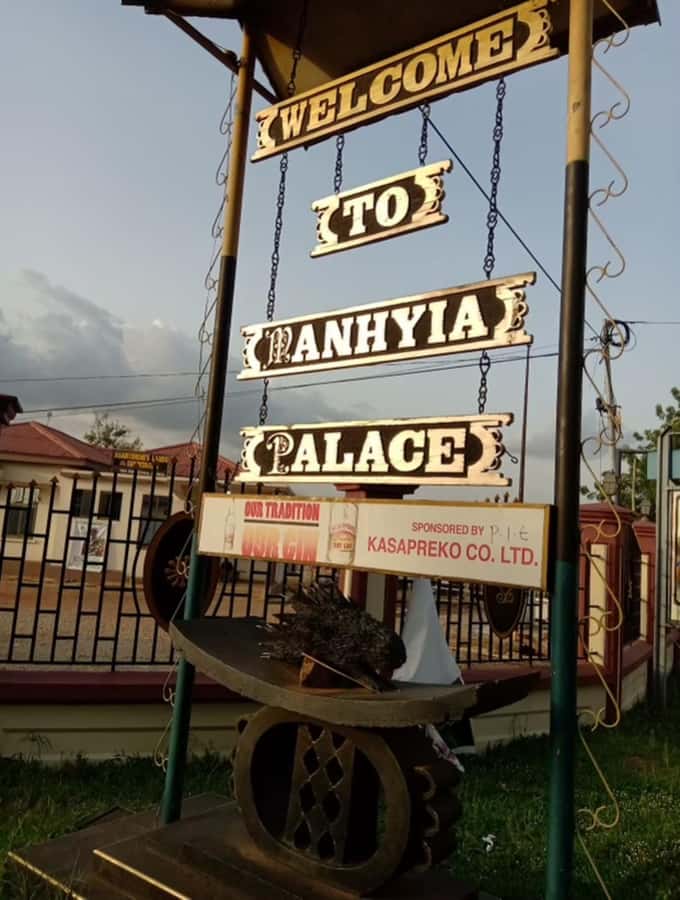
- The palace remains the official residence of the Asantehene, the king of the Ashanti people, so this is more than a standard museum visit.
- The museum displays royal thrones, regalia, photographs, relics, and documents, giving the tour a strong visual focus.
- The 1925 building reflects two worlds, with traditional Ashanti features alongside British colonial influence.
- The tour explains Ashanti government and resistance to British colonization, not just royal ceremonies.
- A small group of up to 10 people makes it easier to ask questions during the guided visit.
- The museum is closed on Mondays, and flash photography is not allowed.
Why Manhyia Palace Matters in Kumasi
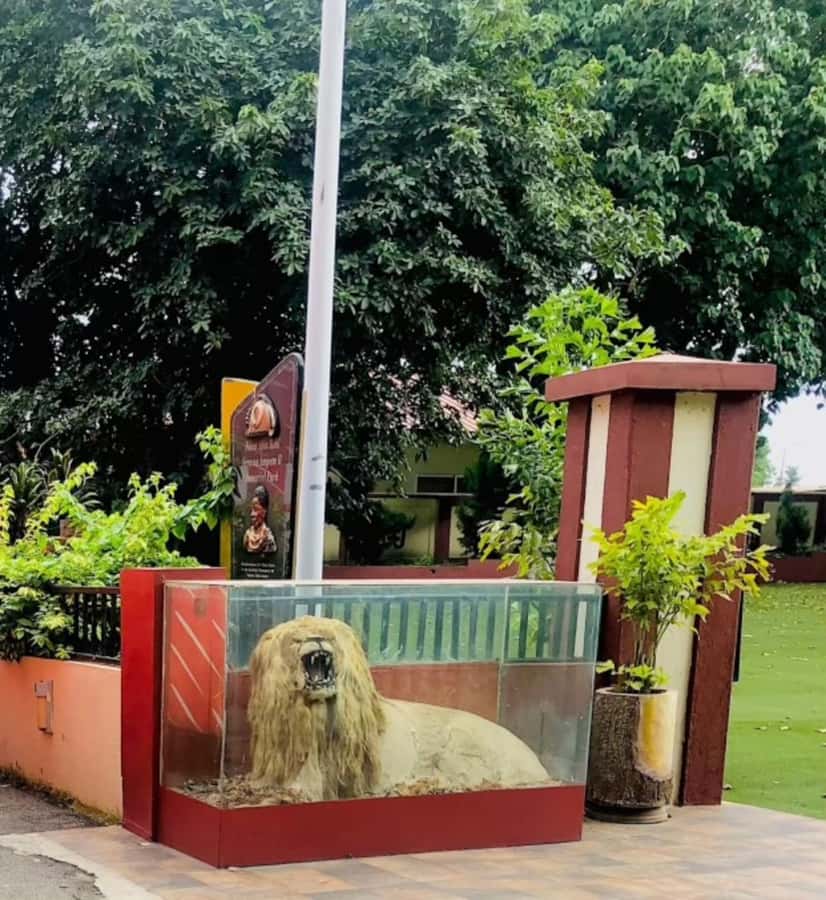
Kumasi is the capital of Ghana’s Ashanti Region and the cultural center of the Ashanti people. At the heart of the city, Manhyia Palace connects royal authority, local tradition, and the difficult colonial past in one place.
The palace is the official residence of the Asantehene. That fact changes how you experience the grounds. You are not entering a royal building that has lost all connection to public life. You are visiting a place linked to the continuing institution of Ashanti kingship.
The current palace structure was built by the British in 1925. It was presented as a gift to King Prempeh I after his return from exile. That background gives the building an unusual meaning. It reflects British colonial power, but it also marks the return of an Ashanti king and the continued importance of the Ashanti Kingdom.
I find this setting more useful than a museum display that treats the past as finished. Here, the story is tied to a living royal tradition. The palace grounds, museum objects, and guide’s explanation work together to show how history still shapes public identity in Kumasi.
More things to do in Kumasi:
- Bonwire Namimg Ceremony and Kente Tourist Center
★ 5.0 · 40 reviews - Tour Kumasi City Like a Local
★ 4.5 · 34 reviews - Traditional naming ceremony For African Diasporas in Kumasi
★ 5.0 · 10 reviews
Entering the 1925 Palace Grounds
Meet your guide at the entrance to Manhyia Palace. Hotel pickup and drop-off are not included, so you need to arrange your own way to the palace. The meeting point is simple, but give yourself enough time to reach it without rushing.
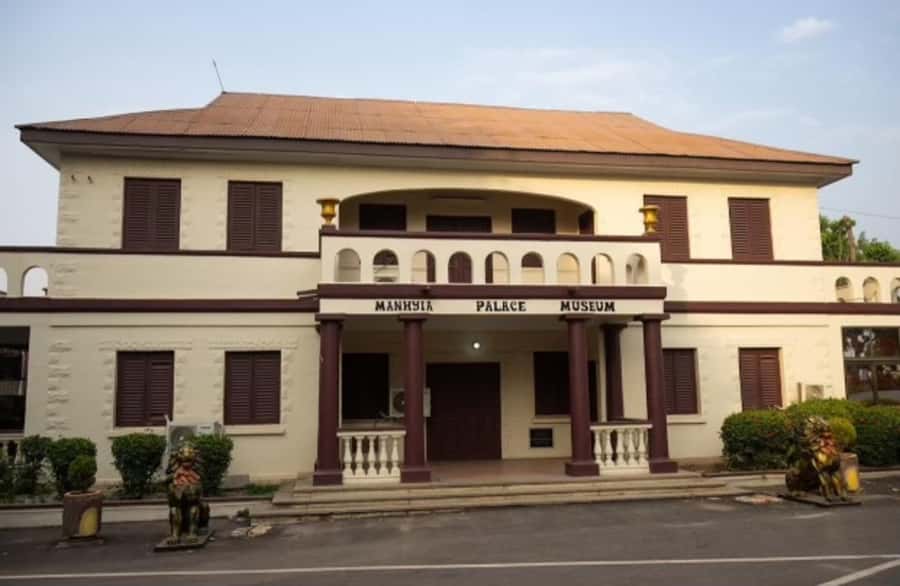
The palace’s exterior combines white and red brick with traditional Ashanti design elements. The surrounding gardens add space and calm around the building, while the structure itself signals formality and authority.
Your guide leads the visit with live commentary in English or Twi. Since the group is capped at 10 people, the format should feel more personal than a large coach tour. You can ask about royal titles, ceremonies, political structures, or objects that catch your eye.
The guide’s role matters here. Palace history includes names, customs, and political relationships that can be difficult to understand from labels alone. A good explanation helps you connect the building to the Ashanti Kingdom rather than simply walking through rooms and taking photographs.
The strongest available feedback comes from Abena, who took the tour in January 2025. She praised Mingle’s accommodating manner and ability to answer questions. That is useful to know because the tour’s value depends heavily on the quality of the live explanation.
Inside the Manhyia Palace Museum
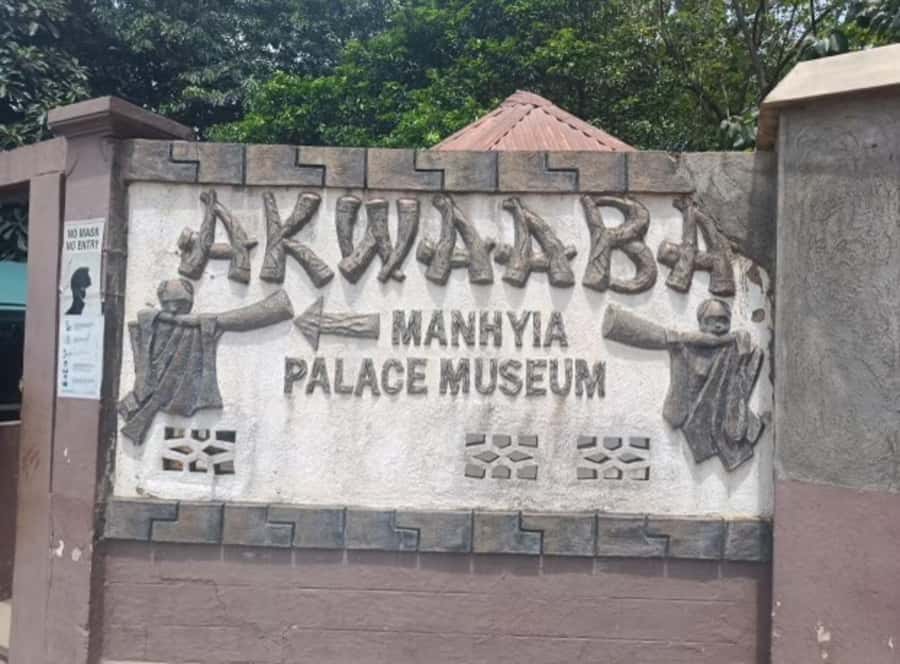
The museum houses photographs, royal regalia, historical documents, relics, and other royal objects. These displays give you several ways into the story.
Photographs help put faces and events to the names of past kings. Regalia shows how royal status is expressed through clothing and ceremonial objects. Documents provide a written record of political and historical events. Together, the objects help explain how the Ashanti Kingdom operated and how its traditions passed between generations.
The thrones are among the most important displays. They are not simply ornate chairs. They represent kingship, authority, and the continuity of the royal institution. Your guide can explain their connection to past rulers and the ceremonies surrounding them.
You also learn about the Adae Kese Festival, an important royal and cultural occasion. The tour uses this festival to explain how public ceremony reinforces the relationship between the Asantehene, the royal court, and the wider Ashanti community.
Photography is allowed in the museum, but flash photography is not. Photography is not allowed in the royal chambers. Bring a camera if you want a visual record, but keep it away when the guide identifies restricted areas. A hat, sunscreen, and water are also sensible, especially when you spend time outdoors around the palace grounds.
Understanding Ashanti Government and Royal Authority
One of the best reasons to choose this experience is its focus on the Ashanti political system. The tour is not limited to kings, palaces, and ceremonial objects. It also explains how the Ashanti Kingdom was organized and governed.
The political system was complex, and a guide can make that structure easier to follow. You learn how royal authority operated, how leadership related to traditional institutions, and why the Asantehene held such an important position.
This context makes the palace museum more meaningful. Without it, a throne can look like an impressive object behind glass. With it, you begin to understand the social and political weight attached to royal symbols.
The discussion of resistance to British colonization adds another essential layer. The palace’s British connection is visible in its construction, but the museum also presents the Ashanti response to colonial pressure. That contrast helps you see the building as part of a longer struggle over power, independence, and cultural identity.
I would pay close attention during this part of the tour. Visitors who already know a little about Ghana’s past may find the political details especially rewarding. If you know less, ask questions rather than trying to remember every name. The small group makes that practical.
A few more options to weigh up in Kumasi
- Accra Guided City Tour Experience
★ 4.7 · 88 reviews - Accra Guided City Tour Experience
★ 5.0 · 76 reviews - Accra: Guided City Tour with Lunch
★ 4.5 · 40 reviews - Private Aburi Hill Guided Tour
★ 5.0 · 34 reviews
Traditional Ashanti Design Meets British Influence
The palace’s architecture tells its own story. Its white and red-bricked structure reflects British construction from the colonial period, while traditional Ashanti design features connect it to local ideas about prestige and royal space.
This blend is not just an architectural curiosity. It reflects the relationship between the Ashanti people and British colonial administration. The building carries evidence of both outside influence and local continuity.
The gardens and formal setting reinforce the palace’s role as a place of respect. You can enjoy the visual details, but the guide’s explanation gives them greater meaning. Look at the building as a meeting point between political power, cultural tradition, and colonial history.
The tour includes sightseeing, scenic views along the way, and a photo stop. These parts are less focused than the museum displays, but they give you time to take in the grounds and architecture. They also break up the denser historical material.
An arts and crafts market visit is included in the scheduled palace experience. The supplied details do not specify the size of the market, the exact products available, or whether purchases are expected, so treat it as an added stop rather than the main reason to book. Personal spending is not included.
How the Two-Hour Visit Unfolds
The full activity lasts two hours, with about 105 minutes assigned to the palace visit, guided sightseeing, the photo stop, scenic views, and the arts and crafts market. You begin and end at Manhyia Palace.
The opening portion is likely to focus on meeting the guide, orienting yourself at the entrance, and learning why the palace matters. This is the time to ask practical questions about photography and royal chambers.
The central part takes place at the museum and palace grounds. Expect the guide to connect the exhibits to Ashanti kingship, political organization, colonial resistance, and cultural traditions. The thrones, regalia, photographs, and documents provide the main visual anchors.
The final section returns you to the palace entrance. Because the tour lasts only two hours, it works well as a focused cultural visit rather than a full-day history program. You get a strong introduction without giving up an entire day in Kumasi.
The short duration is both a strength and a limit. I like it for a first visit, especially if you are combining the palace with other Kumasi sights. If you want long periods for quiet viewing, detailed architectural study, or extensive photography, the schedule may feel tight.
Is $47 a Fair Price?
At $47 per person, the tour costs more than simply entering a museum on your own would likely cost, but the price includes entry, a guided palace visit, and live commentary in English or Twi.
The value rests mainly in the guide. Manhyia Palace is not just a collection of attractive objects. Its meaning depends on understanding the relationship between the Asantehene, royal ceremonies, political structures, and colonial history. A guide who welcomes questions can turn a short visit into a much clearer introduction to Ashanti culture.
The small group also supports the price. With no more than 10 participants, you are not lost in a large crowd, and you have a better chance to hear the explanation and ask about specific objects.
Meals, drinks, hotel transport, and personal expenses are not included. You should budget for those separately. The tour does include skip-the-ticket-line access, which can save time, though the exact waiting conditions may vary.
Flexible booking adds practical value. You can reserve now and pay later, and cancellation is allowed up to 24 hours before the start for a full refund. Those terms help if your Kumasi plans are still changing.
Who Will Enjoy This Palace Tour Most?
I would recommend this experience to you if you want a compact introduction to Ashanti history with a guide who can explain the meaning behind the objects.
It suits:
- First-time visitors to Kumasi
- People interested in African kingdoms and royal institutions
- History fans who want context about British colonial rule
- Visitors who prefer small groups to large guided outings
- Anyone curious about ceremonial objects, thrones, and royal architecture
- Visitors with two hours available for a focused cultural stop
It is less suitable if you need step-free access or have significant mobility limitations. The activity is specifically marked as unsuitable for people with mobility impairments and wheelchair users.
It may also disappoint you if your main interest is shopping, food, or a long architectural tour. The arts and crafts market is only one part of the visit, and the main focus remains the palace museum and its historical explanation.
Practical Tips for a Better Visit
Dress respectfully. Manhyia Palace is a royal residence, so avoid treating it like a casual photo backdrop. The supplied guidance advises a respectful dress code.
Wear comfortable shoes. You may spend time moving between indoor displays, palace areas, gardens, and the market visit. Bring water, sunscreen, and a hat for comfort.
Carry a camera, but do not use flash. Photography is allowed in the museum, while royal chambers have restrictions. Follow the guide’s instructions rather than assuming every room has the same rules.
Check the day before you go. The museum is closed on Mondays, and the tour’s starting time depends on availability. The meeting point is the entrance to Manhyia Palace, and transport to that point is your responsibility.
If you have questions about Ashanti government, the Adae Kese Festival, or the former kings, write them down before you arrive. The tour is short, and having a few questions ready helps you make the most of the small-group format.
Should You Book the Manhyia Palace Tour?
Book this tour if you want a well-focused visit to one of Kumasi’s most important cultural sites, especially if you value personal explanation over wandering through displays alone. The thrones, royal objects, palace architecture, and discussion of Ashanti political life give the two hours real substance.
The strongest reason to book is the guide-led format. Mingle received especially positive praise for being accommodating and answering questions, which is exactly what you want in a museum connected to a complex royal tradition.
Skip it if Monday is your only available day, if you need wheelchair access, or if you want a relaxed half-day outing with meals and transport included. For everyone else, the $47 price is reasonable when you want palace entry, a small group, and a clearer understanding of Ashanti kingship in one compact visit.
FAQ
How long does the Manhyia Palace tour last?
The tour lasts two hours. About 105 minutes are assigned to the palace visit, guided tour, sightseeing, photo stop, scenic views, and arts and crafts market visit.
Where do I meet the guide?
Meet the guide at the entrance of Manhyia Palace in Kumasi. Hotel pickup and drop-off are not included.
What languages are available?
Live commentary is available in English and Twi.
Is photography allowed inside the museum?
Photography is allowed in the museum, but flash photography is not permitted. Photography is not allowed in the royal chambers.
Is Manhyia Palace Museum open on Mondays?
No. The museum is closed on Mondays.
Is the tour suitable for wheelchair users?
No. The activity is not suitable for wheelchair users or people with mobility impairments.
Just added in Kumasi
- Full Day Tour with Traditional Naming Ceremony in Kumasi★ 5.0 · 4 reviews
- Traditional Naming Ceremony For African Americans In Kumasi★ 5.0 · 5 reviews
- Kumasi kejetia central market tour & Traditional Local cooking food classs★ 4.5 · 2 reviews
- Kejetia Market Tour and Traditional Food Cooking Class.★ 5.0 · 2 reviews
- Kumasi City Tour★ 4.5 · 3 reviews
- Kumasi Culture and Heritage Tours★ 4.5 · 3 reviews
- Private Half-Day City Tour of Kumasi with Lunch★ 5.0 · 2 reviews
- Discover kumasi Tours★ 5.0 · 3 reviews
Kumasi Tours, compared.

Bonwire Namimg Ceremony and Kente Tourist Center
Read our review →

Traditional naming ceremony For African Diasporas in Kumasi
Read our review →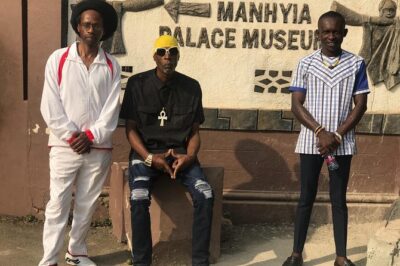

Lake Bosomtwe Boat Cruisely and Kumasi City Tours
Read our review →
Traditional Naming Ceremony For African Americans In Kumasi
Read our review →
Full Day Tour with Traditional Naming Ceremony in Kumasi
Read our review →Browse the lists this tour appears in